
Embarking on a journey from the bustling metropolis of Denver to the charming southwestern town of Durango, Colorado, is an adventure that promises diverse landscapes, rich history, and unforgettable experiences. While the exact distance and travel time can vary based on your chosen route and mode of transportation, understanding the options is key to planning a seamless trip. This guide delves into the specifics of traversing the significant distance between these two Colorado gems, ensuring you’re well-prepared for the scenic voyage.
The Direct Route: Distance and Driving Time
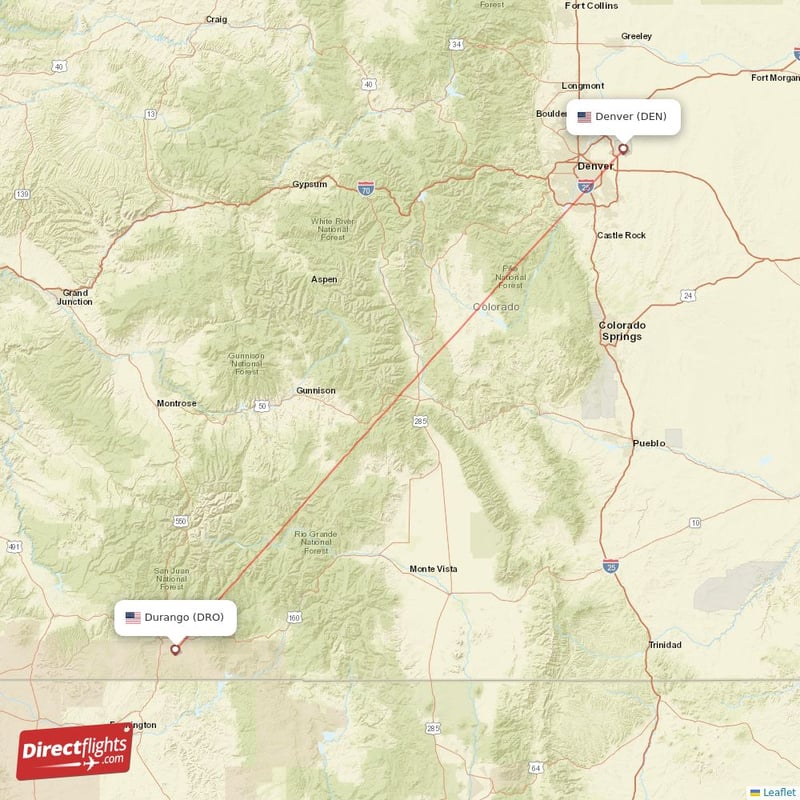
For most travelers, driving offers the most flexibility and the opportunity to immerse oneself in Colorado’s stunning scenery. The most common and direct driving route from Denver to Durango typically involves taking US-285 South and then connecting to US-160 West.
Estimating the Mileage and Hours
The approximate driving distance between Denver and Durango via US-285 S to US-160 W is around 335 to 360 miles, depending on your precise starting point in Denver and destination in Durango.
Under ideal conditions—clear weather, no significant traffic, and minimal stops—the drive can take approximately 6 to 7 hours. However, this is a conservative estimate. Realistically, accounting for fuel stops, restroom breaks, and perhaps a quick meal, the journey is often closer to 7.5 to 9 hours. It’s a substantial drive, traversing significant portions of the state, including high mountain passes and expansive valleys.
Factors Influencing Your Drive
Several elements can significantly impact your travel time:
- Weather Conditions: Colorado’s mountain weather is notoriously unpredictable, especially during winter months (October to April). Snowstorms, icy roads, and low visibility can drastically slow down travel or even lead to temporary road closures. Always check the latest road conditions via the Colorado Department of Transportation (CDOT) before and during your trip.
- Traffic: While much of the route is rural, departing from Denver during peak hours can add considerable time due to urban congestion. Similarly, bottlenecks can occur around popular mountain towns or during holiday weekends.
- Construction: Road construction is a year-round possibility in Colorado, particularly during the warmer months. Be prepared for potential delays due to lane closures or slower speeds through work zones.
- Scenic Stops: The beauty of the drive often tempts travelers to pull over for photographs or to explore charming towns along the way. While these stops enrich the experience, they naturally extend the overall travel time. Planning for these intentional detours is part of the road trip charm.
Modes of Transportation Beyond Driving
While driving offers unparalleled freedom, it’s not the only way to travel between Denver and Durango. Alternative modes cater to different priorities, whether it’s speed, cost-effectiveness, or a desire to avoid driving.
Flying: The Fastest Option
For those prioritizing speed, flying is the quickest way to cover the distance.
- Airports: Your journey would typically begin at Denver International Airport (DIA), one of the busiest airports in the United States. Your destination would be Durango-La Plata County Airport (DRO), a regional airport serving southwestern Colorado.
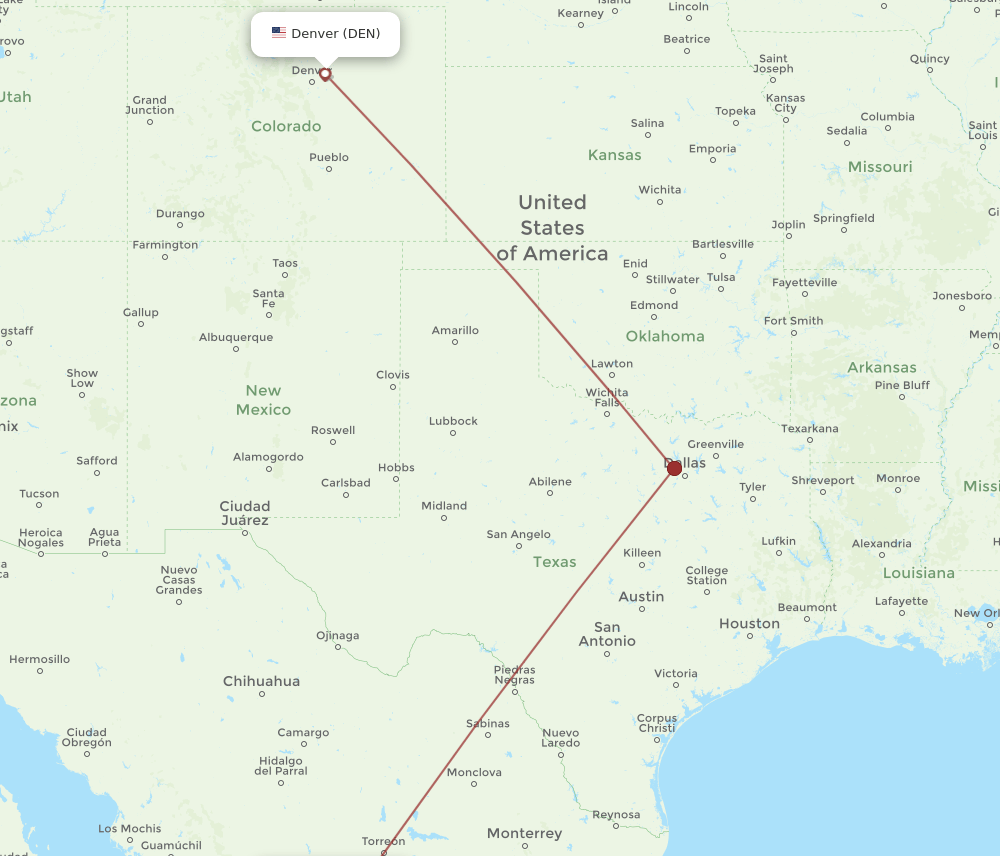
- Flight Duration: Direct flights between DIA and DRO are generally not available. Most flights will involve at least one layover, often in Phoenix or Dallas, significantly increasing travel time. A direct flight, if available, would take around 1 hour and 15 minutes. However, with layovers, the total travel time can range from 4 to 8 hours, including check-in, security, and potential delays.
- Airlines: Major carriers like United Airlines and American Airlines often operate routes to DRO from larger hubs, which you’d connect through from DIA.
- Cost Considerations: Flights can be significantly more expensive than driving, especially if booked last minute. Factor in the cost of airport transfers, parking at DIA, and potentially a rental car upon arrival in Durango if you plan to explore the surrounding areas.
Bus Services: An Economical Choice
While less direct than flying and slower than driving, bus services offer a more economical alternative for those without a vehicle or who prefer not to drive.
- Providers: Greyhound operates routes that can get you from Denver to Durango, though often with transfers in larger cities like Grand Junction.
- Duration: Due to transfers and multiple stops, a bus journey can be lengthy, often exceeding 10-12 hours, sometimes significantly more.
- Comfort and Amenities: Modern buses offer a reasonable level of comfort, including Wi-Fi and power outlets on some routes. However, the extended travel time might be challenging for some passengers.
Train Travel: Scenic but Indirect
Amtrak offers train services in Colorado, but there is no direct rail line from Denver to Durango. The closest Amtrak station to Durango is in Grand Junction, which would require a multi-modal approach (e.g., train to Grand Junction then bus or rental car to Durango). While train travel can be scenic, particularly on routes like the California Zephyr through the Colorado Rockies, it is not a practical direct solution for this specific itinerary. The iconic Durango and Silverton Narrow Gauge Railroad is a tourist attraction, not an inter-city transit option from Denver.
The Journey Itself: Scenic Stops and Considerations
Opting for a road trip allows you to transform a simple commute into an integral part of your vacation. Colorado’s diverse topography means the drive offers breathtaking vistas and opportunities for exploration.
Route Options and Highlights
While US-285 S to US-160 W is the most direct, there are variations and alternative scenic routes to consider:
- The US-285 S and US-160 W Route:
- This route takes you through the high plains south of Denver before climbing into the Rocky Mountains. You’ll pass through towns like Fairplay (home to the “South Park” inspiration), Poncha Springs near Salida, and South Fork.
- As you head west on US-160, you’ll encounter the majestic San Juan Mountains and charming Pagosa Springs, famous for its hot springs. This section of the drive offers stunning views of peaks, forests, and winding rivers.
- The I-70 W to US-50 W to US-550 S Scenic Route:
- This alternative is longer (around 380-400 miles) and takes approximately 8-10 hours of pure driving, but it’s arguably more scenic and worth considering if you have extra time.
- You’ll start on I-70 West through the Eisenhower Tunnel, passing famous ski towns like Vail and Glenwood Springs.
- Then, you’d turn south onto US-50 West at Grand Junction or continue on I-70 a bit further west before dropping south. A more common route from Denver via US-50 would take you through Gunnison and Montrose, before connecting to US-550 South.
- The crown jewel of this route is the Million Dollar Highway (US-550) between Ouray, Silverton, and Durango. This section is renowned for its hairpin turns, steep drop-offs (often without guardrails), and absolutely breathtaking, unobstructed mountain views of the San Juan Mountains. It’s an unforgettable drive, but not for the faint of heart or those uncomfortable with mountain driving, especially in adverse weather.
Seasonal Considerations for the Drive
- Summer (June-August): Generally the easiest time to drive, with clear roads and long daylight hours. However, expect more tourist traffic, especially on weekends and near popular attractions. Afternoon thunderstorms are common in the mountains.
- Fall (September-October): A spectacular time to drive due to the vibrant aspen foliage. Roads are usually clear, but cooler temperatures mean the potential for early snow at higher elevations increases as October progresses.
- Winter (November-April): This period demands significant caution. Mountain passes can be treacherous, requiring four-wheel drive or chains. Sections of US-550 (the Million Dollar Highway) are particularly prone to closures due to heavy snow and avalanches. Always check CDOT for real-time updates.
- Spring (April-May): A transitional season. Lower elevations start to green, but high mountain passes can still hold significant snow and ice, with unpredictable weather patterns.
Essential Road Trip Tips
- Prepare Your Vehicle: Ensure your tires are in good condition, fluids are topped off, and brakes are checked. A full-size spare tire is a good idea for remote areas.
- Pack Smart: Carry an emergency kit, including blankets, extra water, snacks, a first-aid kit, and a phone charger. Dress in layers, as temperatures can vary widely from Denver to Durango and throughout the day.
- Stay Hydrated: Colorado’s high altitude can lead to dehydration. Drink plenty of water throughout your journey.
- Plan Fuel Stops: While not entirely desolate, some stretches of road, especially on US-285 or US-50, have fewer services. Don’t let your tank get too low.
- Download Offline Maps: Cell service can be spotty in the mountains. Download maps of your route in advance.
Planning Your Trip: Why Make the Journey?
The journey from Denver to Durango, regardless of the chosen method, is more than just covering miles; it’s about transitioning into a different pace of life and accessing a unique part of Colorado.
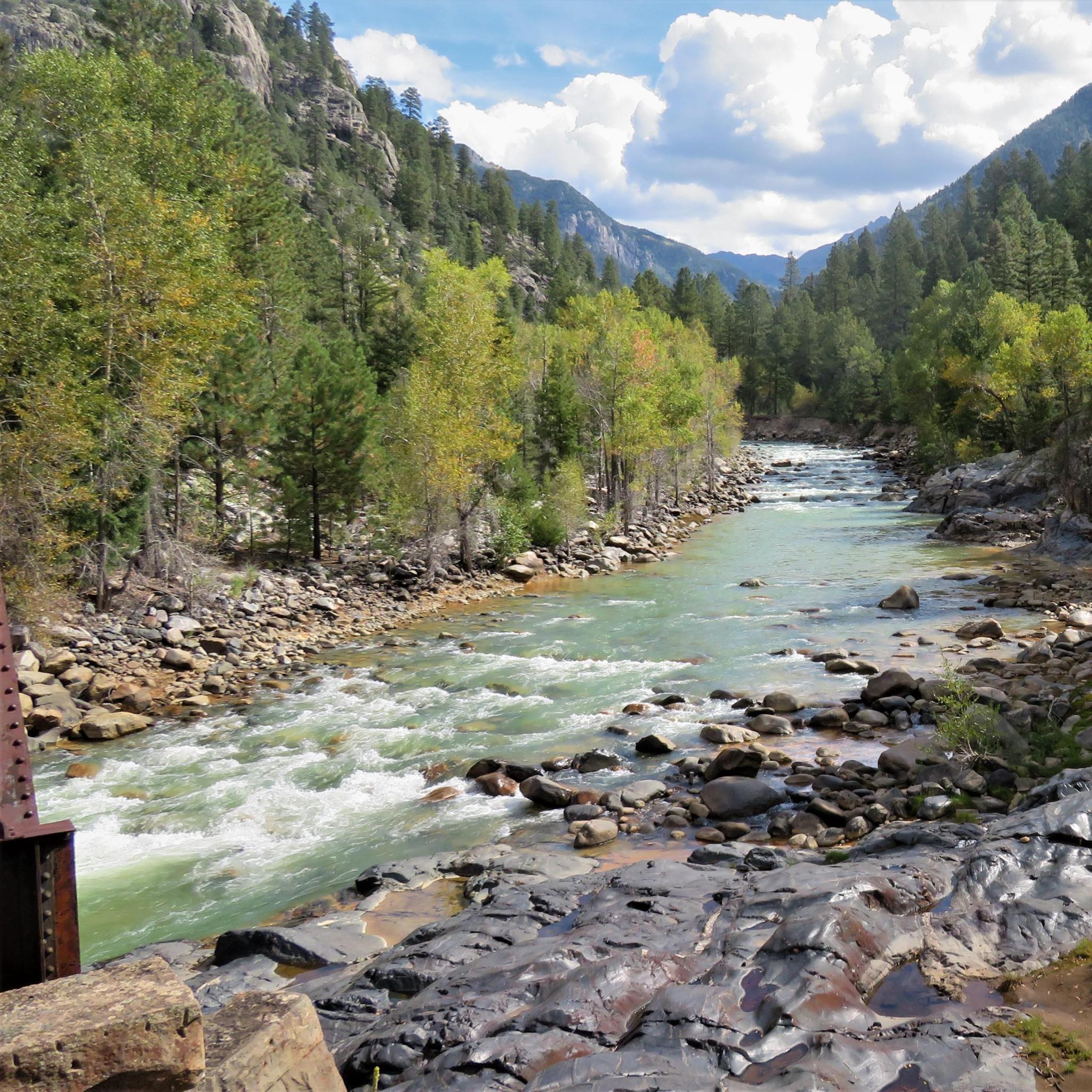
Durango is a gateway to the spectacular San Juan Mountains and a hub for outdoor adventure. Travelers seek out Durango for world-class skiing at Purgatory Resort, mountain biking on extensive trail networks, whitewater rafting on the Animas River, and hiking in the vast San Juan National Forest. The historic Durango and Silverton Narrow Gauge Railroad offers a step back in time, providing scenic excursions through canyons inaccessible by road. Its vibrant downtown, with historic buildings, diverse restaurants, and local breweries, makes it a destination in itself.
Making the journey from Denver to Durango is an investment in an experience. Whether you opt for the efficiency of flying, the economy of a bus, or the exploratory freedom of a road trip, careful planning, especially considering Colorado’s dynamic weather and terrain, will ensure a memorable and safe adventure to this captivating corner of the state.
LifeOutOfTheBox is a participant in the Amazon Services LLC Associates Program, an affiliate advertising program designed to provide a means for sites to earn advertising fees by advertising and linking to Amazon.com. Amazon, the Amazon logo, AmazonSupply, and the AmazonSupply logo are trademarks of Amazon.com, Inc. or its affiliates. As an Amazon Associate we earn affiliate commissions from qualifying purchases.