
Embarking on a journey from the vibrant urban landscape of Denver to the world-renowned ski resort town of Vail, Colorado, is a classic Rocky Mountain adventure. Whether you’re a seasoned skier, a summer hiker, or simply seeking a scenic escape, understanding the distance, travel time, and various transportation options is crucial for a smooth and enjoyable trip. This guide delves into everything you need to know about navigating this popular route, offering insights to help you plan your perfect mountain getaway.
The Journey Unveiled: Distance and Driving Time
The path from the Mile-High City to the heart of Vail winds through some of Colorado’s most breathtaking scenery, crossing the Continental Divide and offering glimpses of majestic peaks and pristine wilderness.
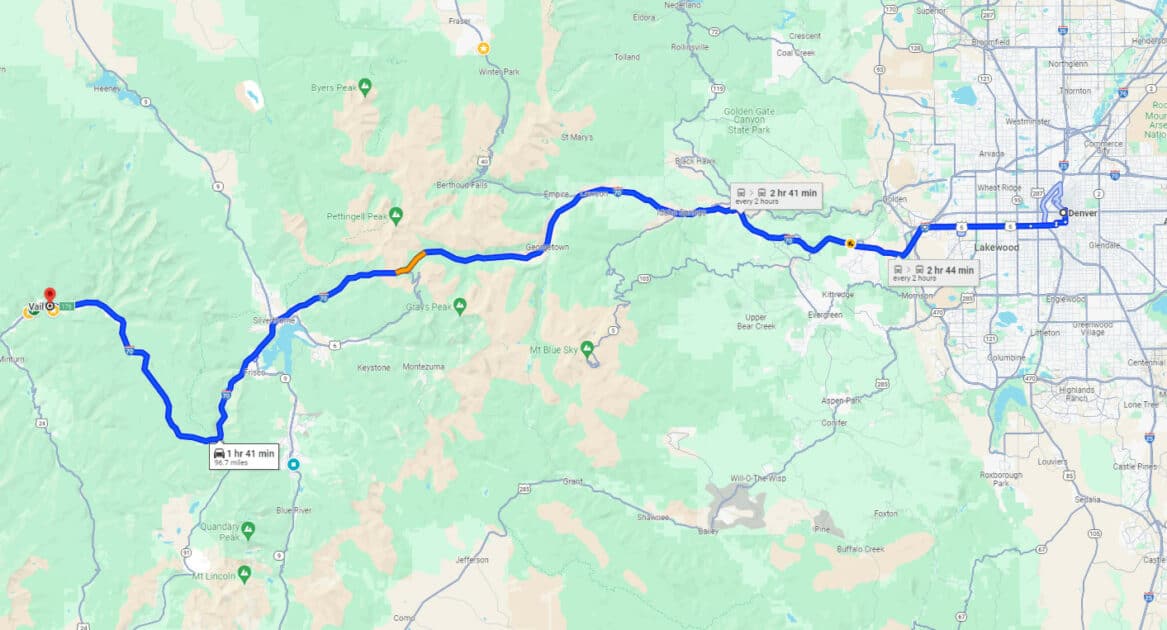
The Straightforward Answer: Miles and Minutes
The distance between downtown Denver and Vail Village is approximately 97 to 100 miles (156 to 161 kilometers), depending on your exact starting point in Denver and your destination within Vail. For those flying into Denver International Airport (DIA), the distance is slightly further, typically around 120 miles (193 kilometers) to Vail.
Under ideal driving conditions—clear weather, no traffic, and no significant road construction—the drive usually takes about 1 hour and 45 minutes to 2 hours. This quick estimate, however, rarely reflects the reality of mountain travel, especially during peak seasons or inclement weather.
Factors Influencing Travel Time
Several variables can significantly impact your travel time, transforming a two-hour drive into a much longer endeavor. Understanding these factors is key to planning effectively:
- Traffic: Interstate 70 (I-70), the primary artery connecting Denver to Vail and other mountain resorts, is notorious for traffic congestion. On winter weekends, particularly Sunday afternoons as skiers return to Denver, and on summer holiday weekends, delays can add hours to your journey. The stretch from Denver through the Eisenhower Tunnel and beyond Silverthorne can become a slow crawl.
- Weather Conditions: The Rocky Mountains are known for unpredictable weather. Heavy snowfall, blizzards, and even summer thunderstorms can dramatically slow traffic, lead to chain restrictions for vehicles, or even cause road closures on I-70. Always check the forecast and road conditions before you depart, especially during winter months.
- Road Construction: Colorado is continually improving its infrastructure. Construction projects on I-70, while necessary, can introduce lane closures and speed restrictions, adding to travel times.
- Time of Day/Week: Traveling during off-peak hours (mid-week, early mornings, or late evenings) can significantly reduce your travel time. Fridays heading west and Sundays heading east are almost guaranteed to have heavy traffic.
A Scenic Drive Through the Rockies
The drive itself is an integral part of the Colorado experience. After leaving the Front Range of Denver, the landscape quickly transforms. You’ll pass through charming mountain towns like Golden, Idaho Springs, and Georgetown, often nestled in narrow valleys alongside the Blue River. The ascent to the Eisenhower Tunnel, which takes you under the Continental Divide at an elevation of over 11,000 feet, is a marvel of engineering. Beyond the tunnel, the descent towards Silverthorne and eventually Vail reveals expansive views of the Gore Range and other majestic peaks. There are numerous viewpoints and rest areas along the way where you can pull over to capture photos or simply soak in the incredible mountain air.
Navigating the Route: Transportation Options
Getting from Denver to Vail offers a range of choices, each with its own advantages, catering to different budgets and preferences.
Driving Yourself: Freedom and Flexibility
For many, driving their own vehicle or a rental car is the preferred method. It offers unparalleled flexibility to stop wherever you please, explore side roads, and dictate your own schedule.
- Pros: Freedom to explore, direct route, cost-effective for groups/families, easy access to other areas around Vail.
- Cons: Requires navigating mountain driving, dealing with potential traffic and adverse weather, parking can be expensive in Vail, potential need for AWD/4WD and snow tires/chains in winter.
- Rental Cars: If flying into DIA, numerous rental car agencies are available. It’s highly recommended to book an SUV or a vehicle with all-wheel drive (AWD) or four-wheel drive (4WD) for winter trips.
Shuttle Services: Convenience and Comfort
A popular choice, especially for those flying into DIA or not wanting to deal with mountain driving, are dedicated shuttle services. These services operate year-round, offering shared rides or private transfers directly from the airport or various Denver locations to Vail accommodations.
- Pros: No need to drive, comfortable vehicles, professional drivers experienced with mountain roads, often include luggage space for ski gear, environmentally friendlier than multiple individual cars.
- Cons: Less flexible schedule (shared rides), can be more expensive than driving for solo travelers, potential for multiple stops.
- Popular Operators: Companies like Colorado Mountain Express (CME) and Epic Mountain Express are well-established and offer frequent services. Booking in advance is highly recommended, especially during peak season.
Public Transportation and Ride-Sharing
While less direct and convenient than dedicated shuttles or driving, there are options for public transport and ride-sharing.
- Ride-Sharing (Uber/Lyft): Services like Uber and Lyft operate in Denver and can take you to Vail. However, finding a driver willing to make the long trip, especially in bad weather, can be challenging and costly. Rates can fluctuate wildly based on demand and conditions.
- Bus Services: While no direct public bus service runs from Denver to Vail specifically for tourists, some regional bus lines or special event buses might operate. Generally, this is not a practical primary option for the typical traveler.
- Train (Amtrak): Amtrak’s California Zephyr route runs through Colorado and offers a scenic journey. While it doesn’t stop directly in Vail, you could theoretically take it to a nearby town like Glenwood Springs and then arrange further transportation. This is more of an experience in itself rather than a direct travel solution to Vail.
Private Car Services: Luxury and Efficiency
For those seeking the utmost in comfort, privacy, and efficiency, private car services are available. These services typically offer luxury SUVs or vans with professional chauffeurs.
- Pros: Door-to-door service, personalized schedule, luxurious comfort, ideal for business travelers or those with specific needs, often includes amenities like Wi-Fi and refreshments.
- Cons: Most expensive option.
- Best For: Groups, families with young children, or travelers who prioritize convenience and luxury.
Preparing for Your Trip: Essential Considerations

A well-prepared traveler ensures a stress-free journey, particularly when heading into the mountains.
Best Time to Travel: Seasonal Insights
- Winter (December – March): Peak ski season. Expect heavy traffic on I-70, especially on weekends. Road conditions can be challenging with snow and ice. Reservations for transportation and lodging are essential well in advance.
- Spring (April – May): Shoulder season. Fewer crowds, often good spring skiing, and pleasant weather. Road conditions are usually better, but late-season snowstorms can occur.
- Summer (June – August): Popular for hiking, mountain biking, and outdoor activities. Traffic can still be significant on weekends and holidays. Weather is generally warm and sunny, but afternoon thunderstorms are common.
- Fall (September – November): A beautiful time for leaf-peeping as aspens turn golden. Generally, less traffic than winter or summer. Early snow can begin in October/November.
Packing Essentials: Mountain Readiness
Regardless of the season, packing smart is crucial for a trip to the Colorado mountains:
- Layers: Mountain weather is highly variable. Pack layers that can be easily added or removed.
- Warm Outerwear: Even in summer, evenings can be cool. In winter, waterproof and insulated jackets, pants, gloves, and hats are non-negotiable.
- Sun Protection: The sun is intense at high altitudes. Sunglasses, hats, and high SPF sunscreen are vital year-round.
- Proper Footwear: Waterproof hiking boots for summer, or insulated winter boots for snow.
- Water Bottle: Stay hydrated to combat altitude sickness.
Altitude Sickness: Prevention and Awareness
Vail sits at an elevation of 8,150 feet (2,484 meters) above sea level, and parts of the drive, including the Eisenhower Tunnel, reach over 11,000 feet. Many visitors, especially those coming from sea level, can experience symptoms of altitude sickness (headache, nausea, fatigue).
- Hydrate: Drink plenty of water before and during your trip.
- Take it Easy: Avoid strenuous activity for the first day or two.
- Limit Alcohol: Alcohol can exacerbate altitude sickness symptoms.
- Acclimatize: If possible, spend a night in Denver (5,280 feet) to help your body adjust before ascending to Vail.
Vehicle Preparation: Mountain Driving Tips
If you’re driving yourself, ensure your vehicle is ready for mountain conditions:
- Tires: Check tire pressure and tread. In winter, consider snow tires or ensure your all-season tires are in good condition. Colorado has specific traction laws for I-70 during winter, requiring proper tires or chains.
- Fluids: Ensure all fluid levels (oil, coolant, wiper fluid) are topped off.
- Brakes: Good brakes are essential for mountain descents.
- Emergency Kit: Carry a basic emergency kit, including blankets, water, snacks, a flashlight, and jumper cables.
- Fuel: Keep your fuel tank at least half full. Services can be sparse in certain mountain stretches.
Beyond the Drive: Exploring Denver and Vail
The journey itself is only part of the adventure. Both Denver and Vail offer distinct yet equally captivating experiences.
Kicking Off in Denver: Pre-Vail Adventures
Before you head to the slopes, consider spending some time exploring Denver’s vibrant culture. Visit the Denver Art Museum, stroll through Denver Union Station, or catch a show at the iconic Red Rocks Amphitheatre. Denver serves as an excellent gateway, allowing you to acclimate to the altitude and enjoy urban amenities before transitioning to mountain life.
Arriving in Vail: A World-Class Destination
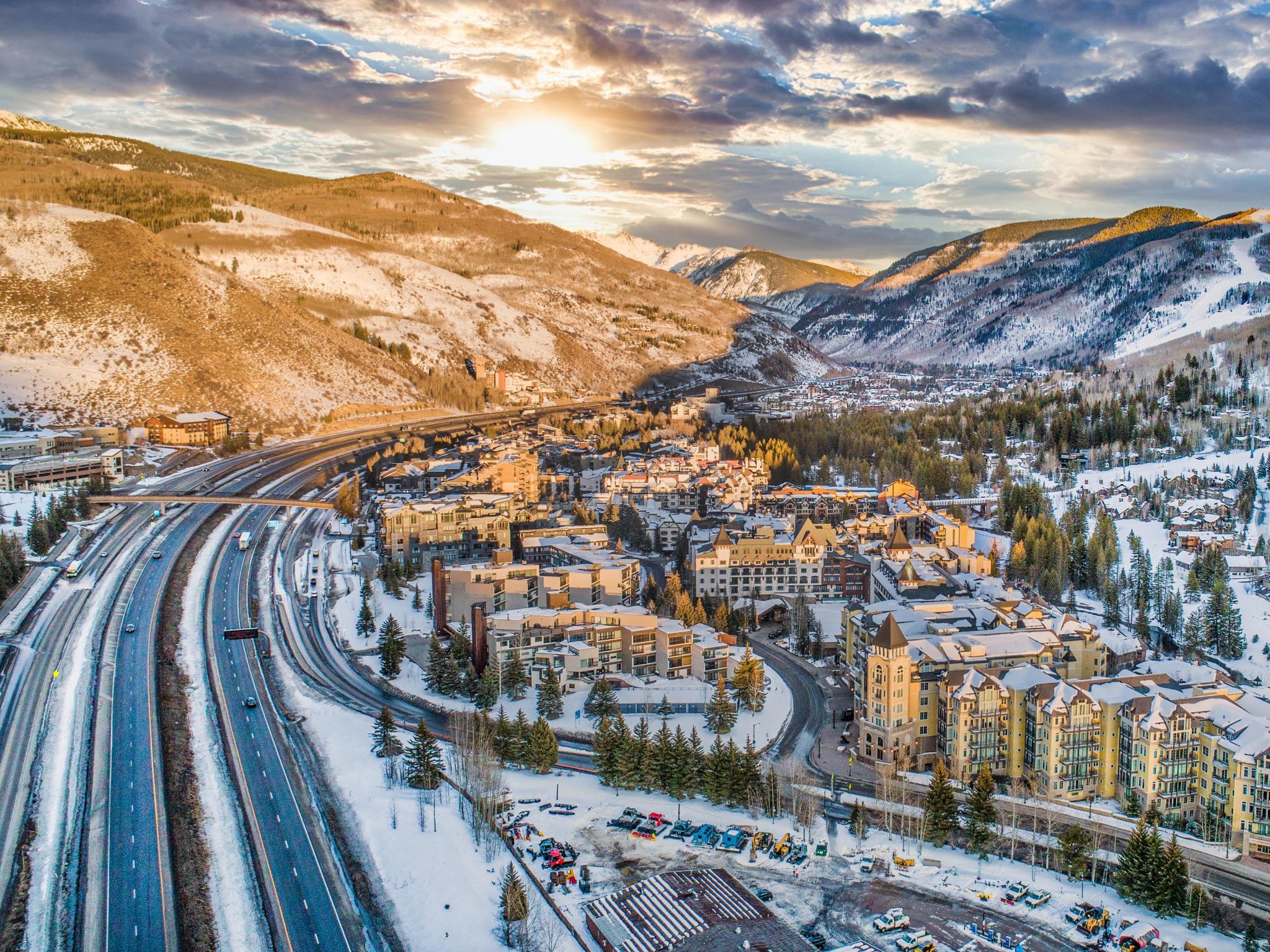
Upon arrival, Vail greets you with its European-inspired charm and unparalleled mountain access. Vail Mountain offers vast terrain for skiing and snowboarding in winter, while summer transforms it into a haven for hiking, mountain biking, and scenic gondola rides. The pedestrian-friendly villages, Vail Village and Lionshead, are filled with world-class dining, luxury shopping, and cozy lodging options. Whether you’re seeking high-octane adventure or serene relaxation, Vail delivers.
Making Your Travel Seamless: Tips and Tricks
A little foresight can go a long way in enhancing your travel experience between Denver and Vail.
Real-time Traffic and Weather Resources
Always check current conditions before you leave. The Colorado Department of Transportation (CDOT)’s website, cotrip.org, is an invaluable resource for real-time traffic cameras, road closures, and weather alerts. Local radio stations and weather apps can also provide up-to-the-minute information.
Booking in Advance: Shuttles and Accommodations
Especially during peak seasons (winter holidays, spring break, summer weekends), book your shuttle services and Vail accommodations well in advance. Popular options fill up quickly, and last-minute bookings can be significantly more expensive or unavailable.
Enjoying the Scenery: Pit Stops and Viewpoints
Don’t rush the journey! I-70 offers several opportunities to pull over and enjoy the stunning views. Consider stopping in towns like Frisco or Silverthorne for a quick meal or to stretch your legs. The scenic beauty of the Rocky Mountains is a major part of the Colorado experience, and the drive itself can be just as memorable as the destination.
In conclusion, the journey from Denver to Vail is more than just a matter of miles; it’s an immersive experience through Colorado’s majestic heartland. By understanding the distance, considering your transportation options, and preparing for the unique challenges and beauty of mountain travel, you can ensure your trip to Vail is as smooth and enjoyable as the powder on its famous slopes.
LifeOutOfTheBox is a participant in the Amazon Services LLC Associates Program, an affiliate advertising program designed to provide a means for sites to earn advertising fees by advertising and linking to Amazon.com. Amazon, the Amazon logo, AmazonSupply, and the AmazonSupply logo are trademarks of Amazon.com, Inc. or its affiliates. As an Amazon Associate we earn affiliate commissions from qualifying purchases.