
The drive between two of Michigan’s most prominent cities, Detroit and Grand Rapids, is a common journey for many across the Great Lakes State. Whether you’re a local resident planning a weekend getaway, a business traveler attending meetings, or a tourist eager to explore more of what Michigan has to offer, understanding the distance and travel time is crucial for efficient planning. This exploration delves into the various aspects of traveling between these two dynamic urban centers, covering driving distances, estimated travel times under different conditions, and alternative transportation methods.
The Road Between Two Michigan Hubs
The most direct and popular route between Detroit and Grand Rapids is primarily via Interstate 96 (I-96) West. This major artery of the Michigan highway system connects the southeastern corner of the state to its western side, making it the backbone of this particular route.
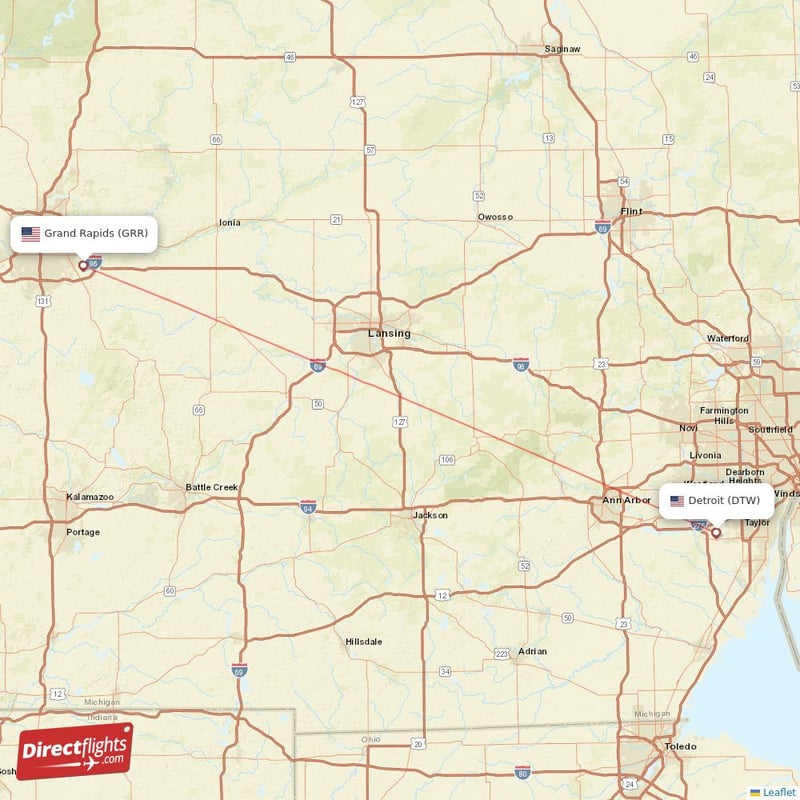
Driving Distance and Time
The total driving distance from Detroit to Grand Rapids is approximately 150 to 160 miles, depending on your exact starting point in Detroit and your final destination in Grand Rapids. This distance translates into a general driving time of around 2.5 to 3 hours.
However, this estimate is based on ideal driving conditions. Several factors can significantly influence the actual travel time:
- Traffic: Detroit is a major metropolitan area, and its surrounding freeways, including I-96, can experience heavy congestion, especially during peak commuting hours (morning and late afternoon). Weekend traffic can also be a factor, particularly on Friday afternoons and Sunday evenings as people travel to and from their destinations.
- Road Construction: As with any active state, Michigan frequently undertakes road maintenance and construction projects. These can lead to lane closures, detours, and significant delays, particularly during the warmer months. It is always advisable to check real-time traffic and construction updates before embarking on your journey.
- Weather Conditions: Michigan experiences all four seasons, and weather can dramatically impact travel times. Heavy snow, ice, or fog during winter months can slow traffic considerably and, in severe cases, make certain routes impassable. Even heavy rain or thunderstorms during other seasons can reduce visibility and speed.
- Stops: The 2.5 to 3-hour estimate is for non-stop driving. If you plan to stop for gas, food, or rest breaks, you will need to add that time to your journey.
Navigating the Route
The primary route utilizing Interstate 96 West is straightforward. You will typically enter I-96 from whichever freeway or surface street is most convenient to your starting point in the Detroit area. Once on I-96 West, you will follow it for the vast majority of your trip, bypassing numerous towns and cities. As you approach Grand Rapids, I-96 merges with Interstate 196 (I-196) South, which leads directly into the heart of the city. Exits along I-196 provide access to different parts of Grand Rapids.
Scenic Alternatives and Detours
While I-96 is the most efficient route, there are opportunities for more scenic drives if time permits and you wish to experience more of Michigan’s diverse landscapes.
- US-16: An older route, US-16, parallels I-96 for much of the journey. While it is a slower drive with more traffic lights and urban areas to pass through, it offers a glimpse into smaller towns and communities that you would otherwise bypass. This route can be a good option if you want to stop for lunch or explore local points of interest along the way.
- M-43 / M-37: For those seeking a more rural experience, exploring state highways like M-43 or M-37 might offer a more picturesque journey. These routes wind through farmland and smaller villages, providing a different perspective on the Michigan countryside. However, these routes are significantly slower and would add considerable time to your travel.
When considering these alternatives, it’s essential to factor in the increased travel time and potential for delays due to local road conditions and traffic.
Beyond the Wheel: Alternative Travel Options
While driving is the most common way to travel between Detroit and Grand Rapids, other transportation methods are available, each with its own set of advantages and considerations.
Bus Services

Intercity bus services offer a viable and often economical option for traveling between Detroit and Grand Rapids. Companies like Greyhound and Indian Trails often operate routes connecting these two cities.
- Pros: Bus travel can be more affordable than other options, and it allows passengers to relax, read, or work during the journey without the stress of driving. Many buses are equipped with Wi-Fi and power outlets.
- Cons: Bus journeys are typically longer than driving, as they often make multiple stops. The departure and arrival terminals might also be less convenient than your personal starting and ending points. Travel times can vary significantly depending on the number of stops and the specific route taken.
Train Travel
While Michigan does not have a direct high-speed rail link between Detroit and Grand Rapids, Amtrak does offer service between the two cities. This route typically involves a transfer, often in the city of Flint or another hub.
- Pros: Train travel can be a comfortable and scenic experience. It offers more legroom than buses and allows for movement throughout the carriage. It’s also an environmentally friendlier option than flying or driving alone.
- Cons: Train travel can be slower than driving, and the need for transfers can extend the overall journey time considerably. The cost of Amtrak tickets can also fluctuate and may be more expensive than bus fares, especially if booked last minute.
Air Travel
Direct commercial flights between Detroit Metropolitan Wayne County Airport (DTW) and Gerald R. Ford International Airport (GRR) in Grand Rapids are not common. Given the relatively short driving distance, air travel is generally not a practical or cost-effective option for this specific route. The time spent traveling to the airport, going through security, waiting for the flight, and then traveling from the destination airport often exceeds the time taken to drive.
Planning Your Trip: Practical Considerations
Regardless of your chosen mode of transportation, careful planning can ensure a smooth and enjoyable journey between Detroit and Grand Rapids.
Timing Your Departure
To minimize delays, consider the following:
- Avoid Peak Hours: If driving, try to depart from Detroit outside of the typical morning (7-9 AM) and evening (4-6 PM) rush hours. Traveling mid-morning or early afternoon can often lead to a faster drive.
- Weekend Travel: For weekend trips, departing on a Friday afternoon can mean encountering significant traffic. Consider leaving earlier on Friday, or even Thursday evening, if possible. Similarly, returning on a Sunday afternoon can also be congested.
- Check Events: Major events in either Detroit or Grand Rapids, such as sporting events, concerts, or festivals, can lead to increased local traffic and parking challenges.
Utilizing Navigation Tools
Modern navigation applications are invaluable for a smooth journey. Apps like Google Maps, Waze, or Apple Maps provide real-time traffic updates, suggest alternative routes based on current conditions, and estimate arrival times with a high degree of accuracy. It is recommended to use these tools throughout your trip.

Accommodation and Activities
The distance between Detroit and Grand Rapids makes it an accessible day trip or a comfortable weekend excursion.
- In Detroit: Explore the vibrant cultural scene, visit the Detroit Institute of Arts, catch a game at Comerica Park, or discover the rich history of Motown at the Motown Museum.
- In Grand Rapids: Known as “Beer City USA,” Grand Rapids boasts a thriving craft brewery scene. Visit the Frederik Meijer Gardens & Sculpture Park, explore the Gerald R. Ford Presidential Museum, or enjoy the artistic atmosphere of the UrbanExplore Grand Rapids district.
Whether you are heading to Grand Rapids for its burgeoning craft beer scene and art installations, or originating from Grand Rapids to experience the historical depth and cultural resurgence of Detroit, understanding the distance and travel nuances is the first step towards a well-planned and fulfilling visit. The approximate 150-mile stretch is a manageable journey, offering a chance to witness the changing landscapes and diverse character of Michigan.
LifeOutOfTheBox is a participant in the Amazon Services LLC Associates Program, an affiliate advertising program designed to provide a means for sites to earn advertising fees by advertising and linking to Amazon.com. Amazon, the Amazon logo, AmazonSupply, and the AmazonSupply logo are trademarks of Amazon.com, Inc. or its affiliates. As an Amazon Associate we earn affiliate commissions from qualifying purchases.