
The question of distance between two major Midwestern metropolises, Detroit and Indianapolis, is more than just a geographical query; it’s a gateway to understanding the connectivity, the potential for exploration, and the practicalities of travel between these vibrant urban centers. Situated in the heart of the American Midwest, these cities, though distinct in their character and history, share a tangible proximity that makes them accessible for weekend getaways, business trips, or as part of a larger regional itinerary. Understanding this distance is the first step in planning any journey that bridges these two significant hubs of industry, culture, and entertainment.
Navigating the Route: Distance and Travel Time
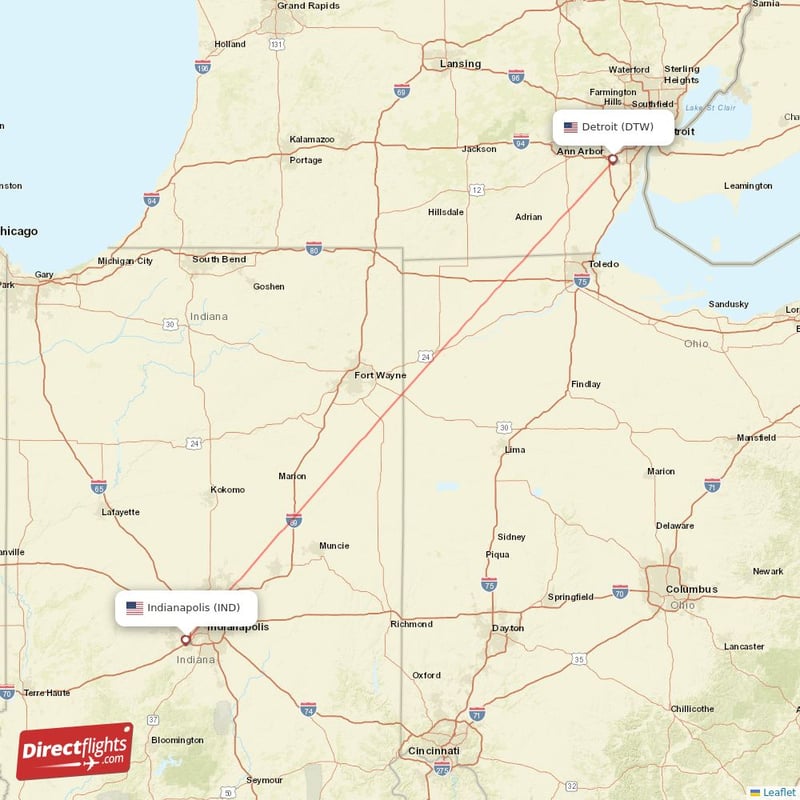
The direct distance between Detroit and Indianapolis is approximately 280 to 300 miles, depending on the specific starting and ending points within each city. This relatively short span makes the journey a manageable undertaking, whether by car, bus, or even a short flight.
By Car: The Open Road Experience
The most common and often the most flexible way to travel between Detroit and Indianapolis is by automobile. The primary route taken is via Interstate 70 (I-70) eastbound from Indianapolis to Interstate 75 (I-75) northbound from Dayton, Ohio, which then leads directly into Detroit. Alternatively, drivers might opt for U.S. Route 31, which offers a more scenic, albeit slower, path through smaller towns and agricultural landscapes of Indiana and Michigan.
The estimated driving time typically ranges from 4 to 5 hours. This duration is, of course, subject to various factors:
- Traffic Conditions: Traveling during peak hours, especially around major urban areas like Toledo, Ohio, or during holiday periods, can add significant time to the journey.
- Road Construction: Seasonal roadwork is a common occurrence on major highways, and unexpected delays can arise. It’s always advisable to check real-time traffic updates before departing.
- Stops: The 4-5 hour estimate usually assumes a direct drive with minimal stops. Factor in time for fuel, meals, and rest breaks, particularly for longer drives, to ensure a safe and comfortable trip.
- Weather: Adverse weather conditions, such as snow in the winter months or heavy rain, can considerably slow down travel speeds and increase the overall journey time.
The drive itself offers a glimpse into the diverse landscapes of the Midwest. You’ll transition from the rolling plains of Indiana to the flatter, industrially significant terrain of western Ohio, eventually reaching the automotive heartland of Michigan.
By Air: The Fastest Connection
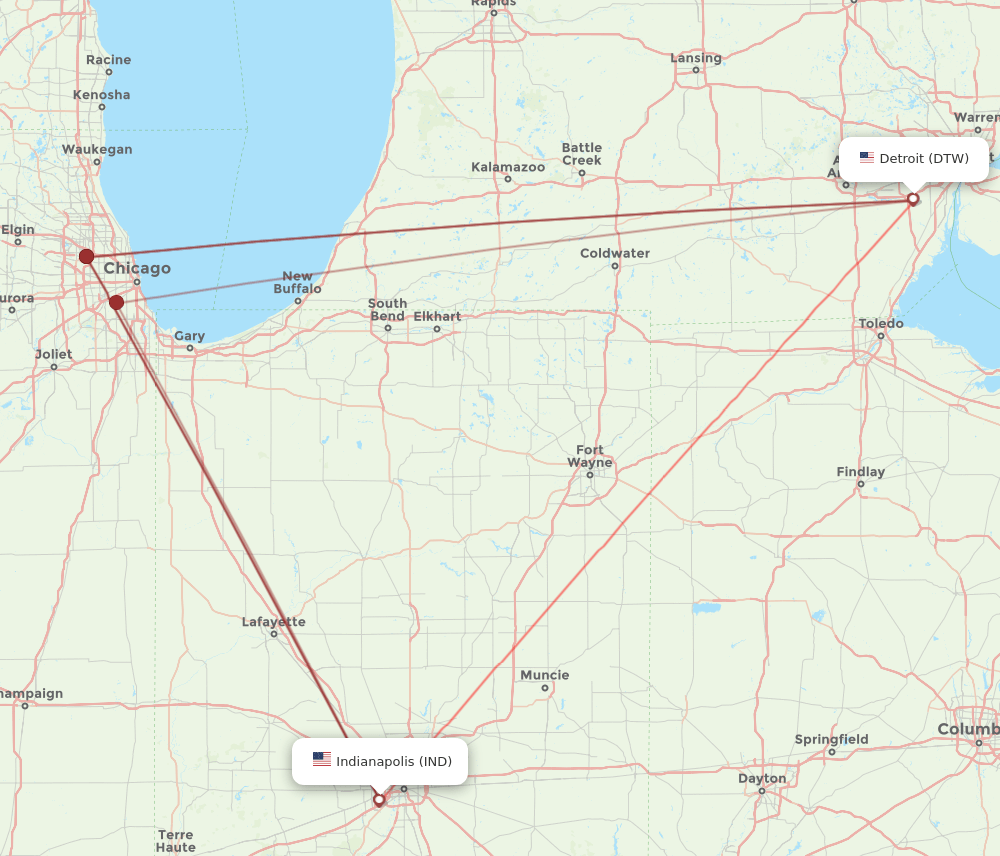
For those prioritizing speed and efficiency, air travel presents a compelling option. While there isn’t a direct non-stop flight between Detroit Metropolitan Wayne County Airport (DTW) and Indianapolis International Airport (IND), connecting flights are readily available through hubs like Chicago O’Hare International Airport.
The total travel time, including the flight itself and the layover, can range from 3 to 6 hours, depending on the length of the connection. While the airborne portion is brief, often less than an hour, the airport procedures—check-in, security, boarding, and deplaning—add to the overall duration. This option is often favored by business travelers or those on a tight schedule where maximizing time on the ground in either city is paramount.
By Bus: The Budget-Friendly Alternative
Several intercity bus companies, such as Greyhound and FlixBus, offer routes connecting Detroit and Indianapolis. This mode of transport is typically the most economical, making it an attractive choice for budget-conscious travelers.
The journey by bus is generally longer than driving, often ranging from 6 to 8 hours, and sometimes even longer, due to scheduled stops and potential route variations. While it may not offer the same level of flexibility or comfort as a private vehicle, it provides an opportunity to relax, read, or simply observe the passing scenery without the stress of navigating. Bus stations in both cities are usually located conveniently within or near the downtown areas, facilitating onward travel.
Planning Your Journey: Key Considerations

Understanding the distance is the starting point, but effective travel planning involves more. Whether you’re heading to Detroit for its rich automotive history and burgeoning arts scene, or to Indianapolis for its famous sporting events and family-friendly attractions, considering these elements will enhance your trip.
Timing Your Visit
The best time to travel between Detroit and Indianapolis largely depends on your preferences and the activities you plan to pursue.
- Spring (April-May): This season offers pleasant temperatures for exploring both cities. Indianapolis often buzzes with the lead-up to the Indianapolis 500 in late May, while Detroit shakes off winter with outdoor events and festivals beginning to emerge.
- Summer (June-August): These months are ideal for outdoor activities, festivals, and enjoying the waterfronts in both cities. However, they also represent peak travel season, meaning potentially higher prices for accommodation and transportation, as well as larger crowds.
- Fall (September-October): Autumn provides crisp air and beautiful foliage, particularly in the more suburban and rural areas along the route. The weather is generally agreeable for sightseeing and experiencing the cultural offerings of both Detroit and Indianapolis without the intense summer heat.
- Winter (November-March): While colder, winter travel can offer a more laid-back experience with fewer crowds. Both cities host holiday events, and the proximity makes it feasible for a short winter escape. However, drivers should be prepared for potential winter weather hazards.
Accommodation Options
Once you’ve decided on your travel dates and mode of transport, securing suitable accommodation in your destination city is crucial.
In Detroit, travelers can find a wide array of options, from luxury hotels in the revitalized downtown core to boutique hotels in vibrant neighborhoods like Midtown and Corktown. Historic hotels, such as the The Detroit Club, offer a glimpse into the city’s opulent past, while modern chains provide reliable comfort. For longer stays or a more local feel, vacation rentals and serviced apartments are also available.
Indianapolis boasts a comprehensive selection of hotels, particularly concentrated around the Indiana Convention Center and the downtown area. Major hotel brands like the JW Marriott Indianapolis and the Hyatt Regency Indianapolis offer extensive amenities. The city also features charming inns and boutique accommodations in areas like Fountain Square and along the White River for those seeking a different atmosphere.
Exploring Along the Way
The route between Detroit and Indianapolis isn’t just a passage; it’s an opportunity for discovery. Several points of interest lie within a reasonable detour, offering diversions that can enrich the travel experience.
- Ann Arbor, Michigan: A vibrant college town, Ann Arbor is home to the University of Michigan and boasts a lively downtown with unique shops, diverse restaurants, and cultural attractions like the Detroit Observatory. It’s an easy stop on the northern leg of the journey.
- Toledo, Ohio: Situated along the Maumee River, Toledo offers attractions such as the Toledo Museum of Art, which houses an impressive collection, and the National Museum of the Great Lakes, a testament to the region’s maritime heritage.
- Dayton, Ohio: Known as the birthplace of aviation, Dayton is home to the National Museum of the U.S. Air Force, one of the world’s largest and oldest military aviation museums. The Dayton Aviation Heritage National Historical Park further details the contributions of the Wright brothers.
By strategically incorporating these stops, the journey from Detroit to Indianapolis, or vice versa, transforms from a mere transit into an extended exploration of the American Midwest.
The Significance of Proximity
The 280-300 mile distance between Detroit and Indianapolis is more than just a number; it represents a vital connection within the economic and cultural landscape of the region. This proximity fosters:
- Economic Ties: The ease of travel facilitates business relationships, trade, and workforce mobility between the two metropolitan areas. Companies with operations in both cities can more readily manage logistics and personnel.
- Cultural Exchange: Residents of each city can more easily experience the diverse offerings of the other, from sporting events and concerts to museums and culinary scenes. This cross-pollination enriches the cultural fabric of both Michigan and Indiana.
- Tourism Growth: The accessibility encourages longer stays and multi-city trips, boosting tourism for both destinations. A traveler might choose to visit both Detroit and Indianapolis on a single itinerary, thereby spending more time and resources in the region.
- Connectivity: Major transportation arteries, including highways and the potential for improved air and rail services, underscore the strategic importance of this corridor.
In essence, the question of “How far is Detroit from Indianapolis?” opens up a world of travel possibilities, revealing a Midwest that is intimately connected and ripe for exploration. Whether by the swiftness of air travel, the practicality of the open road, or the economical comfort of a bus, the journey between these two significant cities is an accessible adventure waiting to be undertaken.
LifeOutOfTheBox is a participant in the Amazon Services LLC Associates Program, an affiliate advertising program designed to provide a means for sites to earn advertising fees by advertising and linking to Amazon.com. Amazon, the Amazon logo, AmazonSupply, and the AmazonSupply logo are trademarks of Amazon.com, Inc. or its affiliates. As an Amazon Associate we earn affiliate commissions from qualifying purchases.