
The question of distance between two major North American cities often sparks curiosity for travelers, business professionals, and those simply planning a scenic drive. Detroit and Toronto, two vibrant metropolises separated by an international border and the vast expanse of Lake Erie, present a unique travel proposition. Understanding the precise distance, travel times, and the most efficient routes is crucial for anyone considering this cross-border journey. This exploration delves into the various facets of traveling between these two influential cities, providing essential information for seamless planning.
Navigating the Distance: Road Travel Between Detroit and Toronto
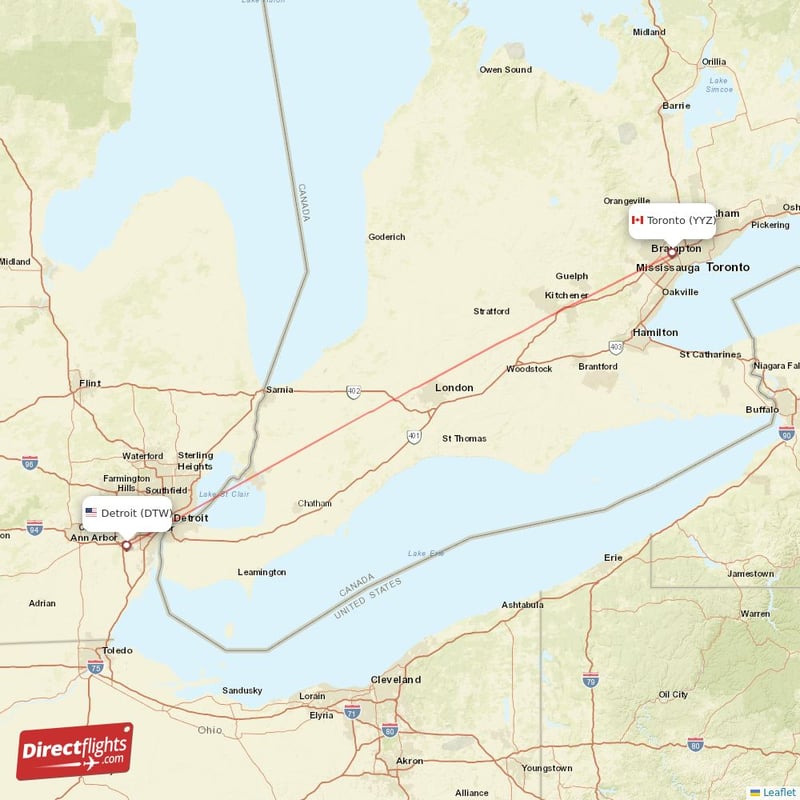
The most common method of travel between Detroit and Toronto is by road, offering flexibility and the opportunity to experience the diverse landscapes along the way. The primary route involves crossing the Ambassador Bridge or the Detroit–Windsor Tunnel, both of which connect Detroit, Michigan with Windsor, Ontario.
Route Options and Travel Times
The direct driving distance between Detroit and Toronto is approximately 380-400 kilometers (around 235-250 miles). This figure can vary slightly depending on the specific starting and ending points within each city and the chosen route.
-
Via Ambassador Bridge: This is often the most direct and commonly used route. After crossing the bridge into Windsor, travelers will merge onto Highway 401 East, which is the main artery leading towards Toronto. The drive along Highway 401 is predominantly a multi-lane highway, allowing for relatively consistent speeds.
-
Via Detroit–Windsor Tunnel: This option offers a unique underground experience, emerging into Windsor before joining the Highway 401 East. While the tunnel itself is a quick passage, the approach and exit may involve local city traffic.
The estimated driving time without significant traffic or border delays is typically between 4 to 5 hours. However, it is crucial to account for several variables that can considerably extend this duration:
-
Border Crossing: The wait times at the Ambassador Bridge or Detroit–Windsor Tunnel can fluctuate dramatically. Peak travel times, holidays, and unexpected events can lead to delays of an hour or more. Travelers are advised to check border wait times online or via relevant apps before departing. Ensuring all necessary documentation, such as passports or NEXUS cards, is readily available can expedite the process.
-
Traffic Conditions: Both Detroit and Toronto are large urban centers, and traffic congestion, especially during morning and evening commutes, is a significant factor. Major construction projects on Highway 401 or within the cities can also cause substantial slowdowns.
-
Weather: In winter months, snow, ice, and reduced visibility can significantly impact driving conditions and increase travel times. It is essential to monitor weather forecasts and ensure your vehicle is prepared for adverse conditions.
Scenic Detours and Stops
While the most direct route is efficient, the journey between Detroit and Toronto offers opportunities for scenic detours and engaging stops, particularly for those with more time to explore.
-
Niagara Region: A significant detour worth considering involves heading south from Highway 401 towards the Niagara Falls region. This iconic natural wonder is a must-see for many, offering breathtaking views and numerous tourist attractions. From Niagara Falls, one can then proceed to Toronto via the Queen Elizabeth Way (QEW), another well-maintained highway. This option adds considerable time but provides a memorable experience.
-
Lake Erie Shoreline: For a more leisurely drive, sections of the Lake Erie shoreline in Ontario offer charming towns and picturesque views of the lake. While not always directly on the most efficient path, exploring smaller communities like Port Dover or Long Point can add a unique dimension to the trip.
-
Historical Towns: Along Highway 401, numerous historical towns and cities such as London and Kingston offer opportunities for brief stops to explore local history, architecture, and dining.
Alternative Travel Options: Flights and Public Transport
While driving is a popular choice, other transportation methods offer different advantages for traveling between Detroit and Toronto.
Air Travel
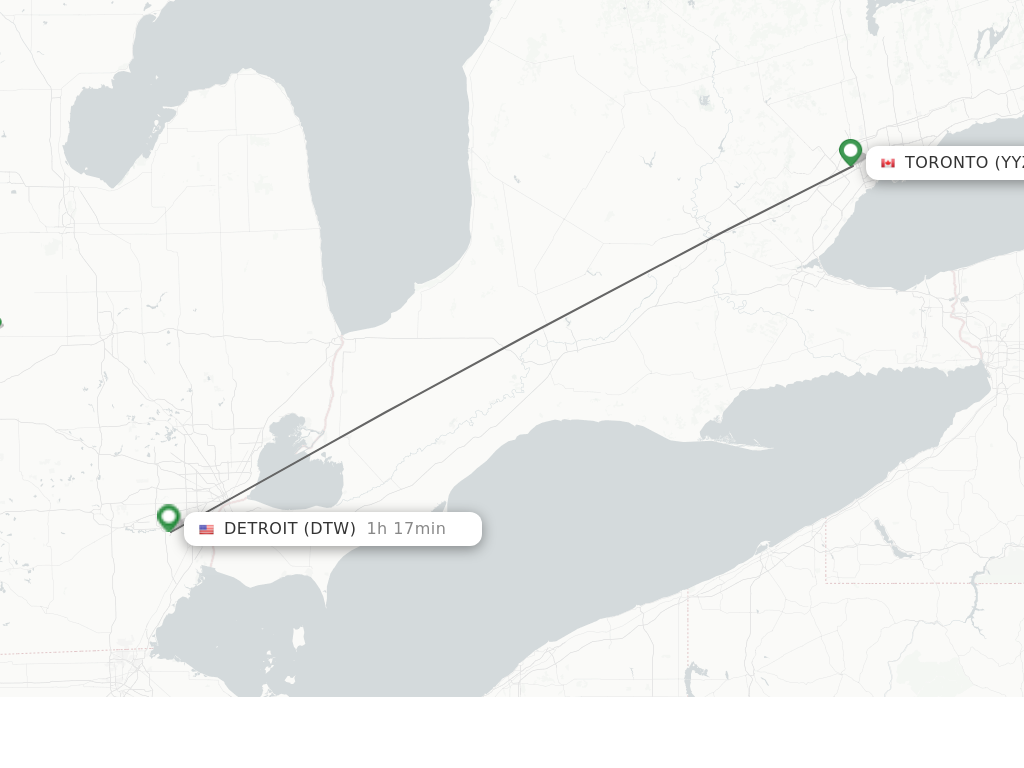
For those prioritizing speed and efficiency, air travel is a viable option. Both Detroit Metropolitan Wayne County Airport (DTW) and Toronto Pearson International Airport (YYZ) are major international hubs, served by several airlines offering direct and connecting flights.
- Flight Duration: The actual flight time between Detroit and Toronto is remarkably short, typically around 1 to 1.5 hours.

-
Total Travel Time: However, it is crucial to factor in the entire travel process. This includes travel to and from the airports, check-in procedures, security screenings, boarding, deplaning, and baggage claim. When these elements are considered, the total door-to-door travel time for flying can often be comparable to, or even longer than, driving, especially for travelers not located near the airports.
-
Cost: Flight prices can vary significantly based on booking in advance, time of year, and demand. It is advisable to compare prices across different airlines and booking platforms to find the most economical option.
Public Transportation
For travelers seeking an eco-friendlier or more relaxed journey, public transportation offers alternatives.
-
Bus Services: Companies like FlixBus and Greyhound (though routes can change) operate intercity bus services between Detroit and Toronto. These services typically depart from central bus terminals in both cities.
-
Travel Time: Bus journeys are generally longer than driving, often ranging from 6 to 8 hours, or even more, depending on the route and number of stops. This extended duration is due to the indirect routes sometimes taken and the inclusion of scheduled stops.
-
Cost: Bus travel is often one of the most budget-friendly options, making it an attractive choice for students or those on a tight budget.
-
Experience: The bus journey provides an opportunity to relax, read, or enjoy the scenery without the stress of driving. Amenities on modern buses can include Wi-Fi, power outlets, and comfortable seating, enhancing the travel experience.
-
-
Train Services: Currently, there are no direct train services connecting Detroit and Toronto. Travelers wishing to use the train would typically need to travel from Detroit to a major transit hub in Chicago and then take an Amtrak train to Toronto, a significantly longer and more complex journey.
Preparing for Your Journey: Essential Considerations
Regardless of the chosen mode of transportation, meticulous planning is key to a smooth and enjoyable trip between Detroit and Toronto.
Documentation and Border Crossings
As this journey involves crossing an international border, proper documentation is paramount.
-
Passports: All travelers, including citizens of the United States and Canada, will require a valid passport for entry into the other country. Other acceptable forms of identification may include an Enhanced Driver’s License (EDL) or a NEXUS card, which can expedite border crossings for pre-approved members.
-
Customs and Immigration: Be prepared to answer questions from border services officers regarding the purpose of your visit, duration of stay, and items you are bringing into the country. Familiarize yourself with the customs regulations of both countries to avoid any issues.
-
Vehicle Registration and Insurance: If driving, ensure your vehicle is properly registered and insured. It is advisable to carry proof of insurance for both your vehicle and yourself. If you are driving a rental car, confirm with the rental agency that you are permitted to take the vehicle across the international border.
Packing and Amenities
Consider the duration of your trip and the type of travel you will be undertaking when packing.
-
For Road Trips: Pack essentials such as snacks, water, entertainment, a first-aid kit, and a car charger for electronic devices. A physical map or downloaded offline maps can be useful in areas with limited cell service.
-
For Flights and Bus Travel: Pack light and ensure you have items that will make your journey comfortable, such as a neck pillow, entertainment, and any necessary medications.
-
Currency: While major credit cards are widely accepted in both Detroit and Toronto, it is wise to have some local currency (USD in Detroit and CAD in Toronto) for smaller purchases or in situations where cards may not be accepted.
Accommodation and Activities
Once you have determined the distance and travel time, planning for your stay in either Detroit or Toronto becomes the next logical step. Both cities offer a wealth of attractions, from world-class museums and vibrant arts scenes to diverse culinary experiences and professional sports teams. Whether you are visiting for business or leisure, understanding the journey’s logistics is the first step towards a memorable travel experience between these two dynamic urban centers.
LifeOutOfTheBox is a participant in the Amazon Services LLC Associates Program, an affiliate advertising program designed to provide a means for sites to earn advertising fees by advertising and linking to Amazon.com. Amazon, the Amazon logo, AmazonSupply, and the AmazonSupply logo are trademarks of Amazon.com, Inc. or its affiliates. As an Amazon Associate we earn affiliate commissions from qualifying purchases.