
For travelers envisioning a quintessential Southern California adventure, the magnetic pull of both the vibrant metropolis of Los Angeles and the enchanting realm of Disneyland Resort is undeniable. A common query that arises in the early stages of planning is precisely how these two iconic destinations are situated relative to each other. While many assume Disneyland to be an integral part of Los Angeles itself, the reality is a bit more nuanced. Understanding the geographical relationship, typical travel times, and various transportation options is paramount to crafting a seamless and enjoyable itinerary, ensuring that precious vacation time is spent on experiences rather than unexpected commutes. This guide will meticulously unpack the distance, travel considerations, and strategic advice for navigating the journey between the sprawling urban landscape of Los Angeles and the magical gates of Disneyland in Anaheim.

Understanding the Proximity: Disneyland and Los Angeles
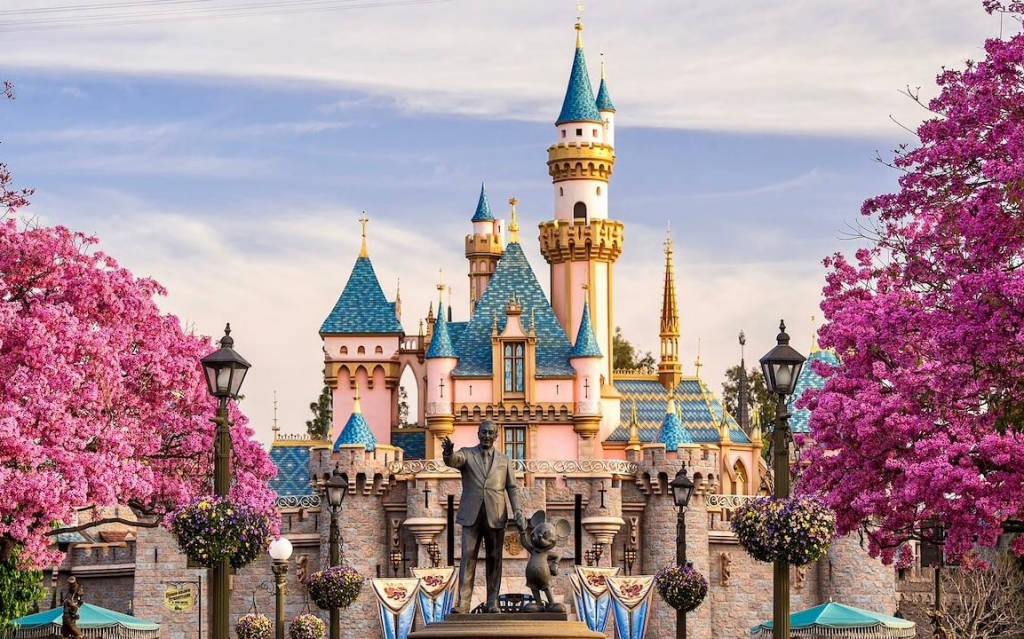
The perception that Disneyland is within the city limits of Los Angeles is a widespread misconception. While undeniably a major draw for visitors to the greater Los Angeles area, the theme park actually resides in a separate, albeit adjacent, city.
The Geographical Relationship: Anaheim and Los Angeles
Disneyland Resort is located in the city of Anaheim, which is part of Orange County, immediately south of Los Angeles County. This distinction is crucial because it means that traveling from most points within Los Angeles will involve crossing county lines and navigating varying distances. While Anaheim is not far, it is not within walking distance of Los Angeles’s primary attractions, nor is it a quick hop on the Metro.
Average Travel Distances and Times
The distance from Los Angeles to Disneyland can vary significantly depending on your starting point within the vast LA basin. On average, the journey spans approximately 25 to 30 miles (40 to 48 kilometers). However, simply knowing the mileage is insufficient in Southern California, where traffic is a constant and often unpredictable factor.
- From Downtown LA (e.g., Staples Center/Crypto.com Arena area): Expect a drive of about 26-28 miles. Without traffic, this could be 30-45 minutes. With moderate traffic, easily 1 hour to 1.5 hours. During peak rush hour, it could stretch to 2 hours or more.
- From LAX (Los Angeles International Airport): This is typically one of the longer commutes, around 33-35 miles. Ideal conditions might see you at Disneyland in 45-60 minutes, but more realistically, it’s 1.5 to 2.5 hours, especially during busy travel times.
- From Hollywood (e.g., Hollywood Walk of Fame): The distance is similar to Downtown LA, approximately 30 miles. Travel times will mirror those from Downtown LA, ranging from 45 minutes to over 2 hours depending on traffic.
- From Santa Monica (Beach/Pier area): Being on the western edge of Los Angeles, this is one of the furthest points, around 38-40 miles. Without traffic, it’s about an hour, but expect 1.5 to 3 hours with typical LA congestion.
It’s clear that actual travel time is a more critical consideration than mere distance when planning your trip to Disneyland from Los Angeles.
Navigating the Journey: Travel Options and Times
Selecting the right mode of transportation is pivotal to managing the distance between Los Angeles and Disneyland. Each option presents its own balance of convenience, cost, and time efficiency.
Driving: The Most Common Method
Driving remains the most popular choice for many visitors, offering unparalleled flexibility. The primary freeway connecting Los Angeles to Anaheim is the I-5 (Santa Ana Freeway), which runs directly past Disneyland. Other routes, such as the CA-91 (Riverside Freeway) or combinations of various freeways, might be used depending on your starting point and real-time traffic conditions.
- Pros: Flexibility to leave and arrive on your own schedule, ability to make stops, useful if you plan to visit multiple places.
- Cons: Highly susceptible to traffic delays, parking fees at Disneyland ($35 per day for standard parking, subject to change), potential for getting lost.
- Estimated Time: As outlined above, highly variable but expect anywhere from 45 minutes to 2.5 hours from central LA locations.
Ride-Sharing and Taxis: Convenience at a Cost
Services like Uber and Lyft offer a convenient, door-to-door solution, eliminating the stress of navigation and parking. Taxis are also readily available, particularly from airports or major hotels.
- Pros: Door-to-door service, no parking worries, comfortable.
- Cons: Can be expensive, especially during peak hours or with surge pricing. A one-way trip from Downtown LA could range from $40-$80+, and from LAX upwards of $60-$100+.
- Estimated Time: Similar to driving yourself, as they navigate the same traffic conditions.
Public Transportation: Budget-Friendly Alternatives
For the budget-conscious traveler willing to invest more time, public transportation offers a viable option, though it typically involves multiple transfers.

- Trains: Metrolink and Amtrak provide rail service from Los Angeles’s Union Station to the Anaheim Regional Transportation Intermodal Center (ARTIC). ARTIC is a modern transportation hub located just a few miles from Disneyland. From ARTIC, you can take an OCTA (Orange County Transportation Authority) bus, a ride-share, or a taxi to the park entrance.
- Pros: Avoids freeway traffic stress, relatively affordable.
- Cons: Requires transfers, longer overall travel time (typically 1.5 to 2.5 hours including transfers and last-mile travel), limited schedules compared to driving.
- Buses: While possible, a direct bus route from central LA to Disneyland is generally not feasible or efficient. It would involve multiple transfers using LA Metro and OCTA services, making it the longest and most complex option.
Shuttle Services: Specialized Transportation
Several companies offer dedicated shuttle services between Los Angeles hotels, LAX, or John Wayne Airport (SNA) and Disneyland Resort. These range from shared-ride vans to private luxury coaches.
- Pros: Often direct to Disneyland area hotels, comfortable, pre-booked and less stressful than navigating public transport or driving.
- Cons: Less flexible than a personal car or ride-share, can be more expensive than public transport, shared-ride services might have multiple stops, increasing travel time.
- Estimated Time: Typically 1 hour to 2 hours, depending on traffic and the number of stops for shared services.
Optimizing Your Visit: Strategic Planning and Location
The decision of where to base yourself – in Los Angeles or Anaheim – and how to factor in travel time will profoundly impact your overall experience.
Choosing Your Base: Los Angeles vs. Anaheim
- Staying in Los Angeles: This is ideal if your primary goal is to explore the diverse attractions of LA (e.g., Hollywood, beaches, museums, dining) and you plan only one or two days at Disneyland. You’ll accept the daily commute to and from the park in exchange for easier access to everything LA has to offer.
- Staying in Anaheim: If Disneyland is the main focus of your trip, especially for multi-day visits, staying in Anaheim makes logistical sense. Numerous hotels surround the park, many within walking distance or a short shuttle ride. This minimizes travel stress and maximizes park time. You can then plan a dedicated day trip (or two) to Los Angeles attractions if desired.
The Impact of Traffic on Your Schedule
Traffic is the single biggest variable in Southern California travel. Planning around it is not just advisable; it’s essential.
- Best Times to Travel: Early mornings (before 6:30 AM on weekdays) and late evenings (after 7 PM) generally offer the smoothest commutes. Weekend mornings before 8 AM can also be lighter.
- Worst Times to Travel: Weekday rush hours (typically 7-9 AM and 4-7 PM) are notorious. Avoid traveling during these windows if possible, as a 30-minute drive can easily become a 2-hour ordeal.
- Check Real-time Traffic: Always use GPS apps (Google Maps, Waze) for real-time traffic updates and estimated travel times immediately before departure.
Integrating Disneyland into a Wider Southern California Itinerary
A trip to Disneyland can be seamlessly integrated into a broader Southern California itinerary with careful planning. Consider clustering your activities geographically. For example, dedicate a block of days to Los Angeles attractions like Universal Studios Hollywood, the Hollywood Walk of Fame, and the beaches, then relocate to Anaheim for your Disneyland days. Alternatively, if staying in LA, group your theme park visits (e.g., Disneyland and Universal Studios Hollywood on consecutive days) to minimize travel time between different regions.
Beyond the Distance: Exploring Anaheim and LA
While the distance between Los Angeles and Disneyland is a practical concern, it also opens up opportunities to experience the unique flavors of both regions.
Anaheim’s Offerings Beyond the Parks
Don’t overlook Anaheim itself. Beyond Disneyland, the city boasts its own attractions. The revitalized Downtown Anaheim area, particularly the Anaheim Packing District, offers a vibrant culinary scene. Sports enthusiasts can catch an Angels baseball game at Angel Stadium or a Ducks hockey game at the Honda Center. If you choose to stay in Anaheim for your Disneyland visit, these local gems provide excellent evening entertainment or daytime alternatives.
Diverse Experiences in Los Angeles
Los Angeles, on the other hand, is a world-class city renowned for its entertainment industry, cultural institutions, diverse neighborhoods, and stunning natural landscapes. From iconic landmarks to hidden local spots, the sheer variety of experiences is staggering. The proximity to Disneyland, despite the commute, means that visitors can easily combine the magic of a theme park vacation with the allure of a major global city, creating a comprehensive Southern California adventure that caters to all interests.
In conclusion, while Disneyland California is not directly in Los Angeles, it is within a manageable distance, making it a highly accessible side trip or a central part of a larger regional exploration. The key to a smooth experience lies in understanding the actual travel times influenced by Southern California traffic and strategically planning your transportation and accommodation. With careful consideration, the journey between these two iconic destinations can be as enjoyable and rewarding as the destinations themselves.
LifeOutOfTheBox is a participant in the Amazon Services LLC Associates Program, an affiliate advertising program designed to provide a means for sites to earn advertising fees by advertising and linking to Amazon.com. Amazon, the Amazon logo, AmazonSupply, and the AmazonSupply logo are trademarks of Amazon.com, Inc. or its affiliates. As an Amazon Associate we earn affiliate commissions from qualifying purchases.