
The question “How far is Duluth from Minneapolis?” is more than a simple query about mileage; it’s the gateway to planning an quintessential Minnesota adventure. Connecting the state’s bustling urban heart with its scenic northern port city on the majestic shores of Lake Superior, this route is a popular journey for both residents and visitors alike. Whether you’re seeking a weekend escape, a change of scenery, or a deeper dive into Minnesota’s diverse landscapes and cultures, understanding this distance and the journey itself is the first step towards an unforgettable experience. This guide will provide an insightful overview, covering everything from the precise distance and travel times to the varied transportation options and the unique attractions awaiting you at either end of this captivating route.
The Geographic Connection: Understanding the Distance
The journey between Minneapolis and Duluth is a well-traveled path that stitches together the vibrant metropolitan area with the rugged beauty of Lake Superior’s North Shore. While the concept of “distance” can seem straightforward, various factors influence the perceived and actual travel time, making a comprehensive understanding crucial for planning.
Straight-Line vs. Driving Distance
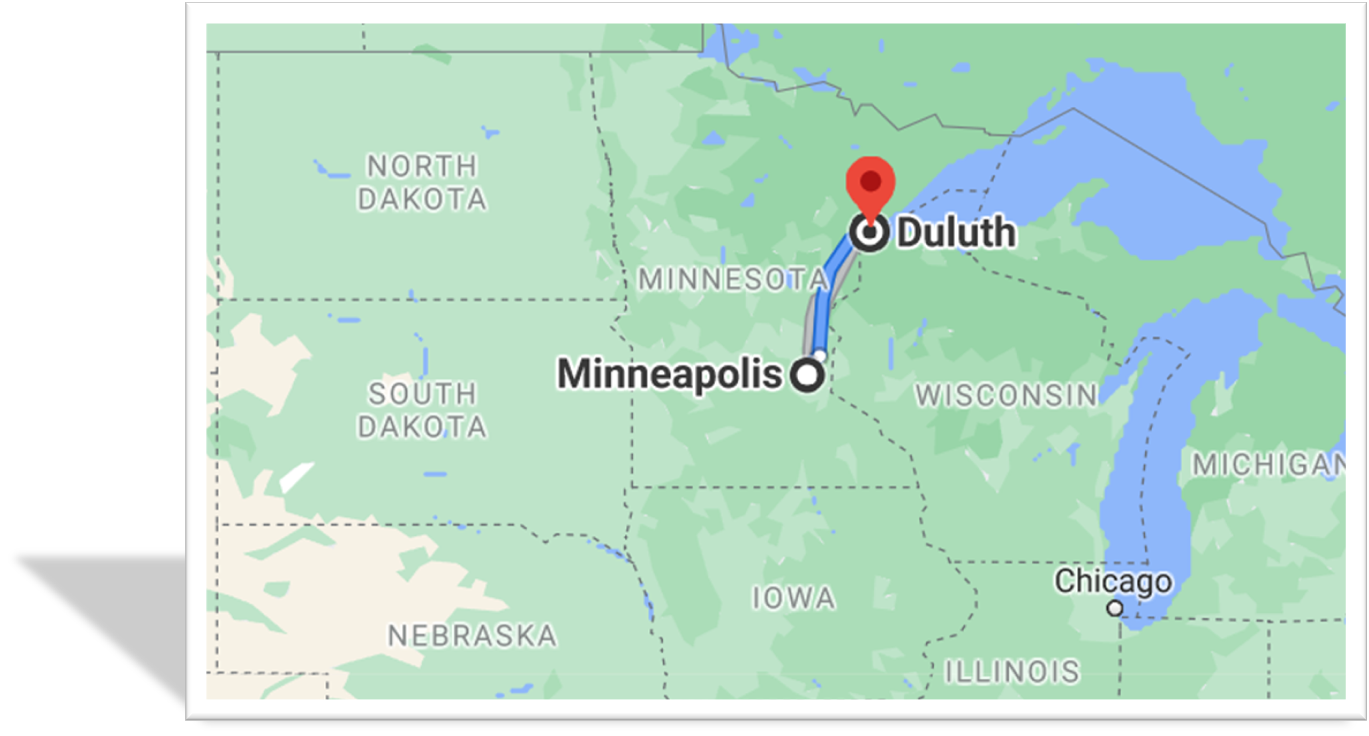
Geographically, the straight-line distance, or “as the crow flies,” between downtown Minneapolis and downtown Duluth is approximately 140 miles (about 225 kilometers). However, for practical travel purposes, this figure is largely irrelevant as roads do not follow a perfectly straight path. The actual driving distance is significantly longer and more pertinent to travelers.
The standard driving route typically covers around 155 to 165 miles (249 to 265 kilometers), depending on the specific starting point in Minneapolis (or its Twin Cities counterpart, St. Paul) and your final destination within Duluth. This mileage reflects the most direct and commonly used highway routes designed for efficient travel.
Key Route: I-35 North
The vast majority of travelers undertaking this journey will utilize Interstate 35 North (I-35), a critical artery that slices through the heart of Minnesota. Starting in Minneapolis, I-35 North quickly leaves the urban sprawl behind, transitioning into a predominantly rural and forested landscape as it heads towards the state’s northern reaches. This interstate is well-maintained and offers a generally smooth and straightforward drive. It’s a route that provides a gradual transition from urban density to the more open and natural vistas that characterize the path to Duluth. Along the way, travelers will pass through several smaller towns, though the highway largely bypasses their main centers, maintaining a good flow of traffic.
Expected Travel Times
The anticipated travel time by car between Minneapolis and Duluth is typically between 2 hours and 30 minutes to 3 hours. This estimate assumes ideal driving conditions: clear weather, no significant traffic delays, and adherence to posted speed limits.
Several factors can influence this travel time:
- Traffic: While much of the route is rural, traffic within the Twin Cities metro area during peak hours can add considerable time to the beginning of your journey. Similarly, entering Duluth on a busy weekend or during events can cause minor delays.
- Weather Conditions: Minnesota’s diverse climate means winter travel can be significantly impacted by snow and ice, potentially extending driving times by an hour or more. Summer storms can also affect visibility and road conditions.
- Construction: Road maintenance and construction projects are common, particularly during the warmer months, and can necessitate detours or reduce speed limits, adding unexpected delays.
- Stops: The 2.5 to 3-hour estimate does not account for stops for fuel, food, or rest. It’s always advisable to factor in additional time for comfort breaks, especially on longer journeys.
By understanding these elements, travelers can set realistic expectations and plan their departure times strategically to ensure a smooth and enjoyable trip to Duluth.
Navigating the Journey: Transportation Options
While the distance between Minneapolis and Duluth is manageable for a day trip, the choice of transportation significantly impacts the overall experience. Each mode offers distinct advantages, catering to different preferences for cost, convenience, and travel style.
Driving Your Own Vehicle
Driving is by far the most popular and flexible option for traveling from Minneapolis to Duluth.
Pros:
- Flexibility: You dictate your departure time, pace, and stops. This is invaluable for exploring points of interest along the way or making spontaneous detours.
- Convenience: Door-to-door service, especially important if you have luggage or are traveling with family.
- Cost-Effectiveness (for groups): For multiple travelers, sharing fuel costs makes driving a very economical choice compared to individual bus tickets or flights.
- Scenic Route: The drive along I-35 North offers glimpses of Minnesota’s natural beauty, transitioning from farmland to dense forests as you approach Lake Superior. Stops at places like Gooseberry Falls State Park or Split Rock Lighthouse State Park make for excellent road trip diversions if time allows (though these are typically further up the North Shore past Duluth, the proximity of the route still evokes the desire for such stops).
Cons:
- Driver Fatigue: The 2.5 to 3-hour drive requires a focused driver.
- Fuel Costs & Wear and Tear: While generally economical, fuel prices fluctuate, and the mileage adds wear to your vehicle.
- Parking: Finding and paying for parking in popular areas of Duluth, particularly around Canal Park, can be a minor inconvenience.
- Seasonal Challenges: Winter driving conditions can be hazardous, requiring greater caution and potentially specialized tires.
Tips for Drivers:
- Ensure your vehicle is in good condition, especially if traveling in winter.
- Keep an eye on weather forecasts, particularly during colder months.
- Consider making a stop at places like Moose Lake for a quick break and stretch if needed.
Public Transportation Alternatives
For those who prefer not to drive, public transportation offers a viable, albeit less flexible, alternative.
Bus Services:
- Providers: Companies like Jefferson Lines provide regular bus services between Minneapolis and Duluth. These routes typically depart from the downtown Minneapolis bus terminal.
- Travel Time: Bus journeys generally take longer than driving, often ranging from 3 to 4 hours, accounting for scheduled stops and varying routes.
- Cost: Bus tickets are usually an economical option, especially for solo travelers, and eliminate the need for fuel, parking, and vehicle maintenance costs.
- Convenience: You can relax, read, or work during the journey, without the stress of driving.
- Limitations: Fixed schedules and routes mean less flexibility, and you’ll need to arrange onward transport from the bus station in Duluth to your final destination.
Ride-Sharing/Shuttle Services:
- While less structured than bus lines, some private shuttle services or long-distance ride-sharing options (like those found on platforms such as Craigslist or dedicated carpooling apps) might exist. These are often more expensive than buses but can offer a more direct and personalized experience. However, their availability and reliability can vary.
Air Travel Considerations
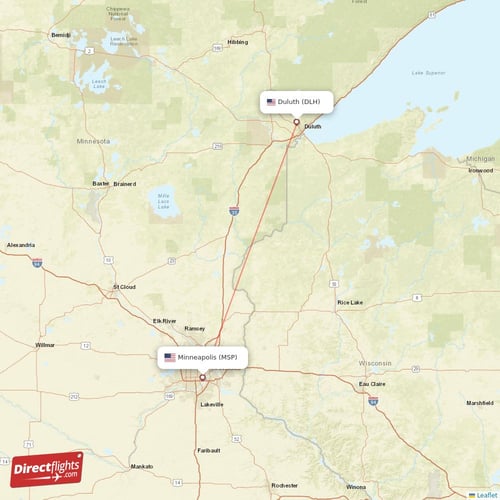
While both Minneapolis and Duluth have airports (Minneapolis-St. Paul International Airport and Duluth International Airport, respectively), direct commercial flights between the two cities are extremely rare, if they exist at all, due to the relatively short driving distance.
- Impracticality: The time spent commuting to and from airports, going through security, and the actual flight time would almost certainly exceed the driving time, making it an inefficient and significantly more expensive option.
- Cost: Even if flights were available, the cost would be disproportionately high compared to driving or taking a bus.
For the vast majority of travelers, driving or taking a bus remains the most sensible and practical approach to traverse the distance between these two prominent Minnesota destinations.
A Tale of Two Cities: What Awaits You
The journey from Minneapolis to Duluth is more than just covering miles; it’s a passage between two distinct Minnesota experiences. Understanding what each city offers will help you appreciate the destination and plan your activities.
Minneapolis: Urban Charm and Cultural Hub
As the larger of the Twin Cities, Minneapolis is a vibrant urban center known for its thriving arts scene, beautiful parks, and a dynamic culinary landscape. It serves as a major economic and cultural engine for the Midwest.
- Arts and Culture: Home to world-class institutions like the Walker Art Center and the Guthrie Theater, Minneapolis consistently ranks as a top city for the arts. Its lively music scene, particularly in the Cedar-Riverside neighborhood, is legendary.
- Parks and Lakes: Nicknamed the “City of Lakes,” Minneapolis boasts an impressive park system centered around its numerous lakes (e.g., Lake Harriet, Lake Calhoun/Bde Maka Ska) and the Mississippi River. Minnehaha Park, with its stunning waterfall, and the iconic Stone Arch Bridge offering panoramic views of the skyline, are must-visits.
- Shopping and Dining: From the massive retail experience of the Mall of America (located nearby in Bloomington) to independent boutiques and diverse eateries, Minneapolis caters to every taste. Its farm-to-table movement and craft breweries are particularly noteworthy.
- Sports: With professional teams across major leagues (NFL Vikings, NBA Timberwolves, MLB Twins, NHL Wild in St. Paul), Minneapolis is a paradise for sports enthusiasts.
Duluth: The Port City on Lake Superior
In stark contrast, Duluth offers a rugged, maritime charm, acting as a vital port city and a gateway to the natural wonders of the North Shore and Lake Superior. Its topography, carved by glaciers and overlooking the largest of the Great Lakes, gives it a unique character.
- Canal Park and the Aerial Lift Bridge: This is the heart of Duluth’s tourism. Watch massive “lakers” (freighters) pass under the iconic Aerial Lift Bridge as it rises, explore the shops and restaurants, and stroll along the Lakewalk offering stunning views of Lake Superior.
- Maritime History: The Lake Superior Maritime Visitor Center (free admission) and the historic SS William A. Irvin freighter offer deep dives into the region’s shipping legacy.
- Scenic Overlooks and Outdoors: Perched high above the city, Enger Tower provides breathtaking panoramic views of Duluth, the harbor, and Lake Superior. For outdoor enthusiasts, Spirit Mountain offers skiing and snowboarding in winter and mountain biking and zip-lining in summer. Countless hiking trails, including sections of the Superior Hiking Trail, abound.
- Craft Beer and Local Flavors: Duluth has a burgeoning craft brewery scene, offering unique local brews, and its restaurants often feature fresh fish and regional ingredients.
The contrast between the urban sophistication of Minneapolis and the rugged, lakeside charm of Duluth makes the journey between them a particularly enriching Minnesota experience, allowing travelers to immerse themselves in two very different facets of the state.
Planning Your Trip: Essential Considerations
Embarking on a journey from Minneapolis to Duluth requires more than just knowing the distance; thoughtful planning enhances the entire travel experience. From choosing the optimal time to visit to packing the right essentials, a few key considerations can transform a simple drive into a memorable adventure.
Best Time to Visit
The appeal of the Minneapolis-Duluth corridor varies significantly with the seasons, each offering a unique set of attractions and challenges.
- Summer (June – August): This is peak tourist season. The weather is generally warm and pleasant, ideal for exploring Lake Superior by boat, hiking the North Shore trails, and enjoying outdoor festivals in both cities. Expect larger crowds and potentially higher accommodation prices in Duluth. Booking ahead is advisable.
- Fall (September – October): Arguably the most picturesque time for the drive. The deciduous forests along I-35 and around Duluth explode in vibrant autumn colors. The weather is crisp, and crowds are thinner than in summer. It’s perfect for scenic drives and hiking.
- Winter (November – March): For those who embrace the cold, winter transforms the region into a snowy wonderland. Duluth becomes a hub for winter sports, with Spirit Mountain offering skiing and snowboarding. Minneapolis offers ice skating and cozy indoor attractions. However, be prepared for severe cold, snow, and potentially hazardous driving conditions. Check road conditions frequently.
- Spring (April – May): A transitional period. While still chilly, especially near Lake Superior, spring brings thawing landscapes and blooming wildflowers. It’s generally a quieter time to visit, though some attractions might have reduced hours early in the season. Muddy trails can be a factor for hikers.
Road Trip Essentials and Safety Tips
If you opt to drive, a little preparation goes a long way.
- Vehicle Check: Ensure your tires are properly inflated, fluid levels are good, and lights are functional. In winter, verify your battery and defroster are in top shape.
- Emergency Kit: Pack a basic emergency kit including jumper cables, a flashlight, a first-aid kit, non-perishable snacks, water, and blankets (especially vital in winter).
- Navigation: While I-35 is straightforward, a GPS or reliable map app is always recommended. Be aware that cell service can be spotty in some rural stretches.
- Weather Awareness: Always check the forecast for both your departure and destination cities, and for the route in between. Adjust your travel plans or departure time if severe weather is expected.
- Breaks: Take regular breaks to stretch and refresh, especially if you’re the sole driver. There are several rest stops and small towns along I-35 where you can pull over.
- Fuel: Fill up your tank before you leave Minneapolis and consider refueling along the way, as gas stations can be spaced out in more rural areas.

Combining the Experience: Weekend Trips and Longer Stays
The proximity and distinct characters of Minneapolis and Duluth make them ideal for combining into a single trip.
- Weekend Getaway: A popular option is to spend Friday night and Saturday exploring Minneapolis’ urban attractions, then drive to Duluth on Saturday afternoon for a relaxing evening and a full Sunday exploring Lake Superior’s charms before heading back.
- Extended Exploration: For a more in-depth experience, dedicate several days to each city. In Duluth, this allows time to venture further up the North Shore to explore state parks like Gooseberry Falls State Park or Split Rock Lighthouse State Park, or even take a scenic railroad tour.
- Thematic Trips: Tailor your trip to specific interests. A “Foodie Tour” could highlight culinary hotspots in both cities. An “Outdoor Adventure” trip could focus on urban parks in Minneapolis and intense hiking or biking around Duluth.
By considering these planning elements, travelers can ensure their journey from Minneapolis to Duluth is not just about the miles, but about maximizing the enjoyment of Minnesota’s diverse offerings. The 150-odd miles are a manageable distance, opening up a world of possibilities for exploration and discovery.
LifeOutOfTheBox is a participant in the Amazon Services LLC Associates Program, an affiliate advertising program designed to provide a means for sites to earn advertising fees by advertising and linking to Amazon.com. Amazon, the Amazon logo, AmazonSupply, and the AmazonSupply logo are trademarks of Amazon.com, Inc. or its affiliates. As an Amazon Associate we earn affiliate commissions from qualifying purchases.