
For many travelers and residents in the Upper Midwest, the journey between Minneapolis and Duluth is a quintessential escape. Whether you are trading the bustling urban energy of the “Twin Cities” for the rugged, dramatic coastline of the North Shore of Lake Superior, knowing the distance and the nature of the route is essential for planning a seamless getaway.
The distance between these two iconic Minnesota hubs is approximately 150 to 155 miles, depending on your starting point within the metro area and your specific destination within the port city. Generally, travelers can expect a drive time of about two and a half to three hours under normal traffic conditions. While the mileage may seem straightforward, the experience of traversing this stretch of the state offers a transition from rolling plains to the geological marvels of the Arrowhead Region.
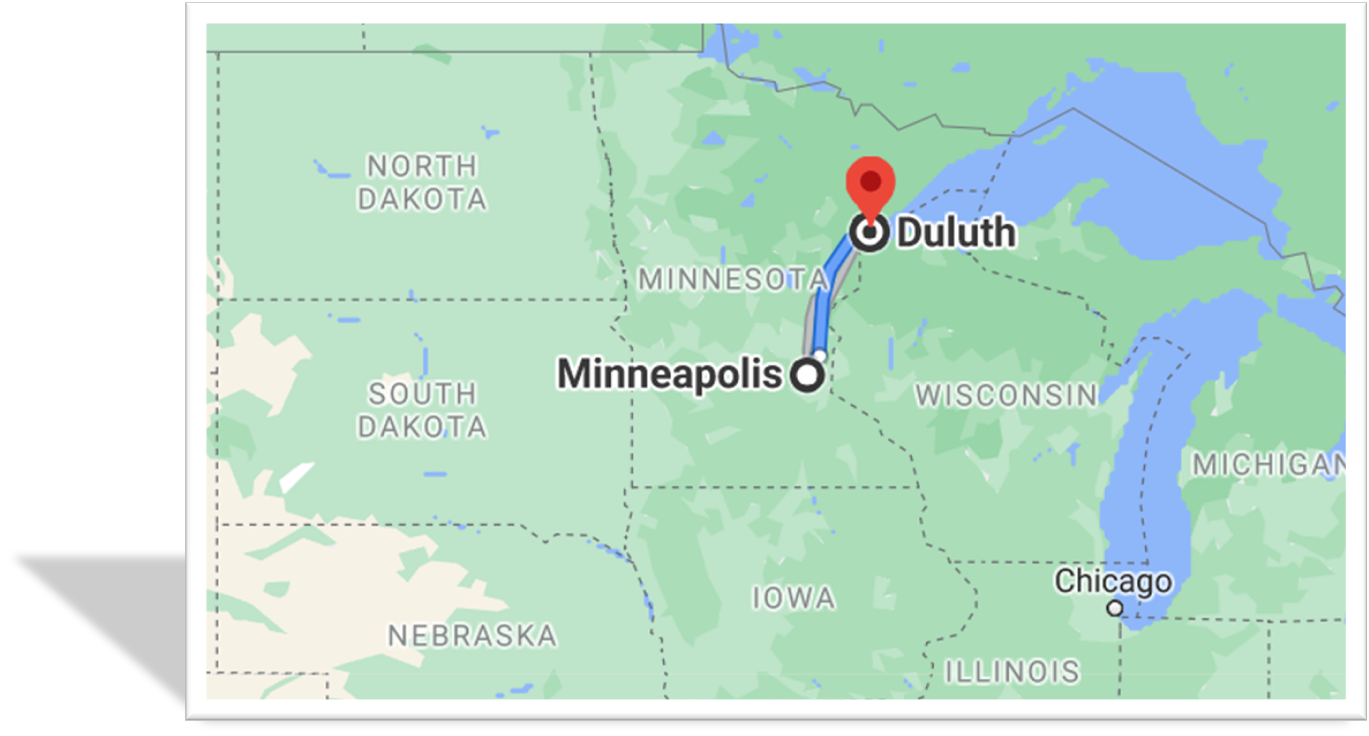
Mapping the Route: Interstate 35 North
The primary artery connecting these two cities is Interstate 35. This highway serves as the backbone of Minnesota travel, providing a direct, high-speed connection that is both efficient and easy to navigate.
The Drive Experience
Starting from the heart of Minneapolis, drivers typically head north through the northern suburbs before merging onto I-35 North. As you leave the dense metropolitan sprawl behind, the landscape begins to shift. The urban infrastructure gives way to dense forests, rolling hills, and the subtle beauty of the Minnesota countryside.
Key Stopovers Along the Way
While the journey is short enough to drive in one go, there are several noteworthy towns and points of interest that break up the trip:
- Forest Lake: A great spot for a quick break if you are looking to stretch your legs shortly after departing the city.
- Hinckley: Often cited as a midway point, this town offers various fueling and dining options. It is perhaps best known for being home to the Grand Casino Hinckley.
- Moose Lake: As you get closer to the Great Lakes basin, the geography becomes more interesting, and Moose Lake provides a scenic checkpoint before the final push toward the St. Louis River valley.
Seasonal Considerations for the Trip
In Minnesota, the time of year heavily influences how far—or rather, how long—the trip feels. Winter driving conditions can significantly impact travel times, while summer traffic can lead to bottlenecks, particularly on Friday afternoons and Sunday evenings.
Navigating Winter Weather
Between December and March, the route from Minneapolis to Duluth can be treacherous. Snow, ice, and blowing winds are common. Because the stretch north of Hinckley is relatively open, it is susceptible to drifting snow. It is highly recommended to check the Minnesota Department of Transportation website for road conditions before setting out during the winter months. Even if you are an experienced driver, winter travel often adds at least 30 to 45 minutes to the total travel time due to lower speeds and caution.
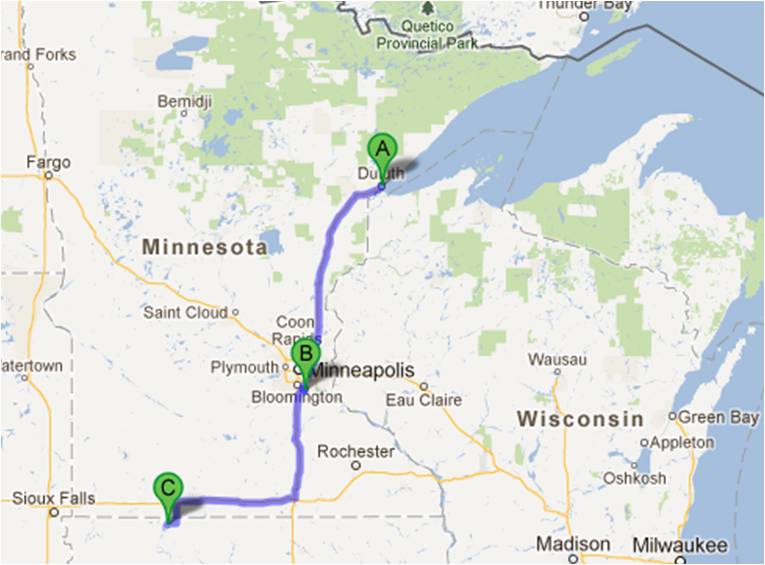
The Peak Summer Rush
Conversely, summer weekends see a high volume of traffic from Minneapolis residents heading toward Duluth to reach the Boundary Waters Canoe Area Wilderness or the many resorts scattered along the Lake Superior coast. Departing on a Thursday or early Friday morning can save you significant time, whereas departing on a Friday after 3:00 PM often means joining the heavy exodus of commuters and vacationers.
Arriving in Duluth: Beyond the Destination
Once you reach the Duluth city limits, the city’s geography dictates that you are never far from the water. Whether you enter via Highway 61 or Interstate 35, you are greeted by a dramatic descent down the hillside toward the massive harbor.
Iconic Landmarks to Look For
As you approach the city, keep an eye out for these landmarks that signal your arrival:
- Enger Tower: Visible from the highway, this structure offers a panoramic view of the harbor and is a must-visit upon arrival.
- Aerial Lift Bridge: This iconic landmark is the heart of Canal Park, the city’s primary tourist district. Watching the ships pass under the bridge is a rite of passage for every visitor.
- Glensheen Mansion: Located just up the shore from downtown, this historic estate showcases the Gilded Age architecture of the region.
The Transit Reality
While the driving distance is a consistent 150 miles, the psychological distance feels much shorter because of how distinct the two locations are. Minneapolis is a metropolis defined by its lakes, modern architecture, and urban density, while Duluth is a rugged, maritime-influenced city that feels more like a gateway to the wilderness. The drive allows you to reset your mindset as you climb the incline of the North Shore.
Alternative Transportation Methods
If driving is not your preferred mode of transportation, there are alternatives, though they remain limited.
Bus Travel
For those who prefer not to drive, commercial bus lines like Jefferson Lines provide consistent daily service between Minneapolis and Duluth. This is a reliable option, especially during the winter when drivers may be hesitant to navigate the highways themselves. The journey time is roughly equivalent to driving, with stops in major towns along the way.
Air Travel
While it is possible to fly from Minneapolis-Saint Paul International Airport to the Duluth International Airport, the time saved is minimal once you factor in airport security, boarding, and the short flight duration. Most locals and tourists opt for the drive, as the ability to have a vehicle upon arrival is essential for exploring the sprawling nature of the North Shore.

Planning Your Arrival
When planning your trip, consider your specific needs. If you are aiming for Canal Park, allow extra time for finding parking, especially during the peak summer and fall color seasons. The area is highly walkable, so once you park your car at a Duluth hotel, you can easily reach many of the best restaurants, museums, and attractions on foot.
Ultimately, the drive from Minneapolis to Duluth is more than just a commute; it is a transition from the urban hub of the Midwest to the serene, powerful beauty of Lake Superior. By understanding the route, keeping an eye on the weather, and timing your trip to avoid peak traffic, you can ensure that the journey is just as enjoyable as the time spent in the city itself. Whether you are traveling for a weekend of hiking in Jay Cooke State Park or a relaxing stay in a luxury Lake Superior resort, this 150-mile stretch remains one of the most beloved travel corridors in the state.
LifeOutOfTheBox is a participant in the Amazon Services LLC Associates Program, an affiliate advertising program designed to provide a means for sites to earn advertising fees by advertising and linking to Amazon.com. Amazon, the Amazon logo, AmazonSupply, and the AmazonSupply logo are trademarks of Amazon.com, Inc. or its affiliates. As an Amazon Associate we earn affiliate commissions from qualifying purchases.