
Embarking on a journey across Colorado is an adventure in itself, especially when traversing the state’s diverse landscapes from its bustling capital to its charming southwestern corners. For many planning a trip, a common query arises: “How far is Durango from Denver, Colorado?” Understanding this distance, the routes available, and the factors influencing travel time is crucial for a well-planned and enjoyable experience. This article delves into the intricacies of this journey, providing a comprehensive guide for travelers.
The Geographical Snapshot: Distance and Overview
The journey from Denver to Durango is more than just a drive; it’s an immersive experience through some of the most spectacular scenery the United States has to offer. The distance varies slightly depending on the specific route taken, but generally spans over 300 miles, making it a substantial road trip.
Straight-Line vs. Driving Distance
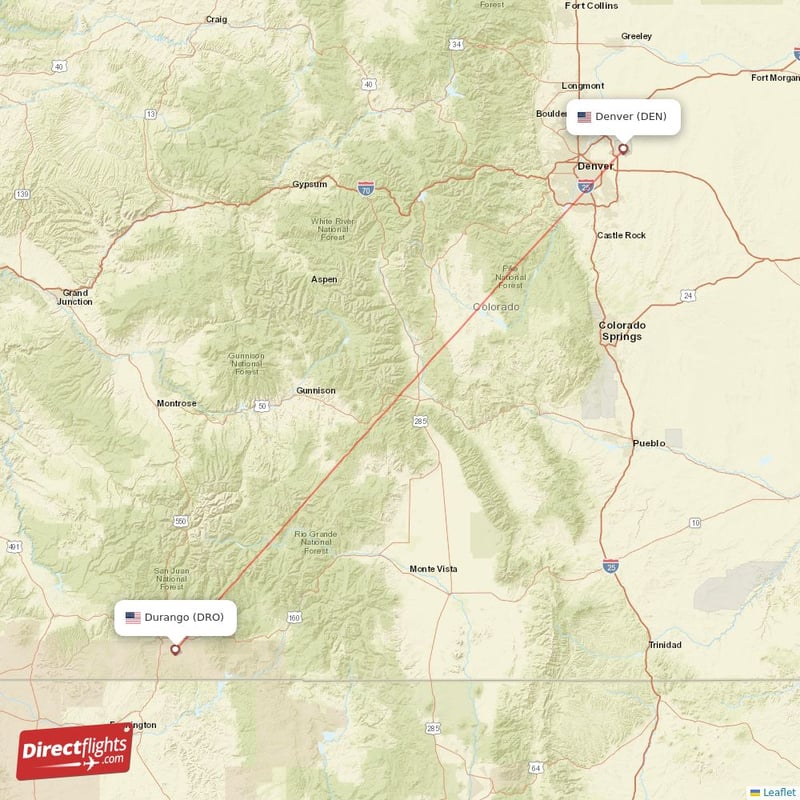
As with any journey over mountainous terrain, the direct “as-the-crow-flies” distance is significantly shorter than the actual driving distance. While the aerial distance might be closer to 250-280 miles, the practical driving routes wind through valleys, over passes, and around formidable peaks of the Rocky Mountains. Expect driving distances to range from approximately 330 to 360 miles, requiring a considerable commitment of time behind the wheel.
Key Routes and Topography
The topography between Denver and Durango is incredibly varied, transitioning from the high plains around Denver into the dramatic peaks and valleys of the Rocky Mountains before descending into the high desert plateau where Durango is nestled. This diverse terrain necessitates careful route planning, with two primary corridors serving as the main arteries for travel between these two points. Each offers unique scenic beauty and logistical considerations.
Navigating the Rockies: Primary Driving Routes
The choice of route significantly impacts both the total distance and the driving experience. Travelers generally opt for one of two main paths, each with its own advantages and recommended stops.
The I-70 to US-50/US-285 South Route (Central Colorado)
This is often considered the most direct and generally fastest route, especially during favorable weather conditions. It involves starting west out of Denver on Interstate 70 (I-70), a major east-west artery through Colorado.
- Segment 1: Denver to Grand Junction via I-70. This stretch covers approximately 240 miles and is known for its stunning mountain passes, including the famous Eisenhower Tunnel. While breathtaking, it can be prone to heavy traffic, especially on weekends and during ski season, and subject to winter weather closures or restrictions.
- Segment 2: Grand Junction to Durango via US-50 and US-550. From Grand Junction, travelers head south on US Highway 50 (US-50) towards Montrose, then continue south on US Highway 550. The section of US-550 between Silverton and Ouray is famously known as the Million Dollar Highway – a marvel of engineering and scenic beauty, but one that demands focused driving due to its steep grades, narrow sections, and lack of guardrails. This segment adds about 130-150 miles.
- Alternative from US-50: Instead of the full Million Dollar Highway, some drivers may opt for US Highway 285 south from Denver to Poncha Springs then west on US-50 through Gunnison and Montrose before linking with US-550 to Durango. This route bypasses the I-70 corridor congestion but still offers stunning mountain views through towns like Salida.
The I-25 South to US-160 West Route (Southern Colorado)
This alternative takes travelers south through the high plains before turning west into the mountains, making it a popular choice for those wanting to avoid the often-congested I-70 corridor or preferring a slightly different scenic experience.
- Segment 1: Denver to Walsenburg via I-25. This stretch covers approximately 170 miles of relatively flat, fast highway. It offers views of the eastern plains and the distant Front Range of the Rocky Mountains.
- Segment 2: Walsenburg to Durango via US-160 West. From Walsenburg, travelers turn west onto US Highway 160 (US-160). This highway leads directly to Durango, passing through historic towns and over Wolf Creek Pass, which is famous for its heavy snowfall in winter and spectacular vistas in summer. Key towns along this route include Alamosa, South Fork, and Pagosa Springs. This segment adds around 190 miles to the journey. While often less congested than I-70, Wolf Creek Pass can present significant challenges in winter, requiring four-wheel drive or chains.
Calculating Your Travel Time: Factors to Consider
The estimated driving time for the Denver to Durango journey typically ranges from 6.5 to 8 hours of pure driving, depending on the route and speed. However, several factors can significantly alter this estimate.
Road Conditions and Weather
The mountainous terrain means weather plays a critical role. Summer months generally offer the clearest roads, though afternoon thunderstorms can occur. Spring and fall can bring unpredictable conditions, including early snow or icy patches at higher elevations. Winter, from late October through April, is the most challenging, with heavy snowfalls capable of closing passes like Wolf Creek Pass or causing significant delays on I-70. Always check the Colorado Department of Transportation (CDOT) website for current road conditions before departing.
Traffic and Peak Seasons
Denver itself can experience considerable traffic congestion, particularly during rush hour and on weekends, which can add significant time to the initial leg of the journey. The I-70 corridor is especially prone to delays during peak ski season weekends and summer holidays. Planning your departure for off-peak hours can save considerable time.
Stops and Detours
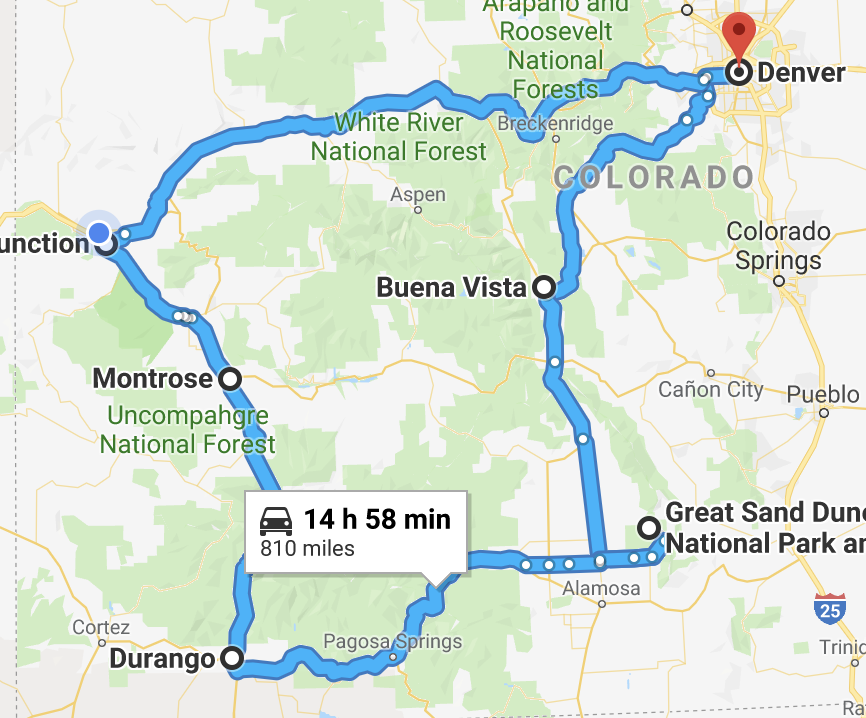
A drive of this length almost certainly warrants stops for fuel, food, and stretching. Moreover, Colorado offers countless opportunities for scenic detours. Popular stops include Glenwood Springs for its hot springs (via I-70 route), Royal Gorge Bridge and Park near Cañon City (if veering off US-50), or Great Sand Dunes National Park and Preserve (via US-285/US-160). Incorporating these will naturally extend your travel time, but often enhance the overall trip experience. A good rule of thumb is to add at least 2-3 hours for a comfortable pace with minimal stops, or plan for an overnight stay if you wish to explore extensively.
Beyond the Wheel: Alternative Transportation Options
While driving offers the most flexibility and access to scenic vistas, other modes of transport are available for those who prefer not to drive or are facing time constraints.
Air Travel: Connecting Flights
Direct flights from Denver International Airport (DIA) to Durango-La Plata County Airport (DRO) are available, typically operated by airlines such as United Airlines and Southwest Airlines. The flight itself is relatively short, often less than an hour, but factoring in airport transfers, check-in, security, and potential delays, the total travel time can still amount to 3-5 hours. This is the fastest option for covering the distance but comes at a higher monetary cost and less flexibility for spontaneous stops.
Bus Services
Several bus companies offer routes between Denver and Durango, though these typically involve transfers and can take upwards of 9-12 hours, sometimes longer. This is often the most budget-friendly option but sacrifices speed and directness. Bus routes usually follow the major highways, offering a different perspective of the landscape without the stress of driving.
The Train Experience
While Amtrak’s renowned California Zephyr train passes through Denver, there is no direct passenger rail service to Durango. Durango is famous for its historic Durango & Silverton Narrow Gauge Railroad, but this is a tourist attraction offering scenic day trips, not a transit link from Denver. Travelers opting for a train portion might consider taking Amtrak to a city like Grand Junction and then arranging alternative ground transportation for the remainder of the journey.
Planning Your Journey: Essential Tips for the Road Trip
A road trip from Denver to Durango is an unforgettable experience, but careful planning ensures smooth sailing.
Vehicle Preparation
Ensure your vehicle is in excellent condition, especially if traveling in winter. Check tires (including spare), brakes, fluids, and lights. For winter travel, snow tires or chains may be mandatory on certain passes, and a vehicle with four-wheel drive or all-wheel drive is highly recommended. Carry an emergency kit with blankets, extra food and water, a flashlight, and a first-aid kit.
Packing Essentials
Beyond standard luggage, consider packing layers of clothing, as mountain weather can change rapidly. Sunglasses, sunscreen, and plenty of water are essential for any time of year. Bring snacks to avoid frequent stops, and a good playlist or audiobook for entertainment during long stretches. For those planning to stop and explore, hiking boots or comfortable walking shoes are a must.
Mid-Point Stays and Attractions Along the Way
Breaking up the drive can make the journey more relaxing and allow for exploration.
- Via I-70/US-50: Consider an overnight stay in Glenwood Springs or Montrose. Attractions include Glenwood Caverns Adventure Park or the Black Canyon of the Gunnison National Park near Montrose.
- Via I-25/US-160: Pagosa Springs offers hot springs and is a great stop. The Great Sand Dunes National Park and Preserve is a notable detour if time allows.
Near Durango itself, consider extending your stay to visit Mesa Verde National Park near Cortez, a UNESCO World Heritage Site.
Safety Considerations
Inform someone of your travel plans and expected arrival time. Cell service can be spotty in remote mountain areas, so do not rely solely on your phone for navigation or emergencies. Drive defensively, especially on winding mountain roads, and be mindful of wildlife, particularly at dawn and dusk. Adhere to speed limits and posted warnings, especially when traversing steep descents or narrow passes.
The journey from Denver to Durango is a significant undertaking, but with careful planning, it transforms into an integral part of the Colorado experience, offering stunning vistas and memorable moments. Whether opting for the scenic drive or the swift flight, understanding the distance and implications of each choice ensures a rewarding trip to Southwestern Colorado.
LifeOutOfTheBox is a participant in the Amazon Services LLC Associates Program, an affiliate advertising program designed to provide a means for sites to earn advertising fees by advertising and linking to Amazon.com. Amazon, the Amazon logo, AmazonSupply, and the AmazonSupply logo are trademarks of Amazon.com, Inc. or its affiliates. As an Amazon Associate we earn affiliate commissions from qualifying purchases.