
The vast expanse of Texas presents a captivating tapestry of diverse landscapes and vibrant cities, each offering a unique slice of the Lone Star State’s rich heritage and modern allure. Among its most prominent urban centers are El Paso, nestled on the western edge bordering Mexico, and Dallas, a bustling metropolis in the north. For travelers planning a journey across this immense state, understanding the geographical relationship between these two significant hubs is paramount for efficient itinerary planning and an enjoyable experience. The question of “How far is El Paso, Texas from Dallas, Texas?” is more than a simple measurement of distance; it delves into the logistics of travel, the opportunities for exploration along the way, and the distinct character of each destination.
Navigating the Lone Star State: Distance and Driving Times
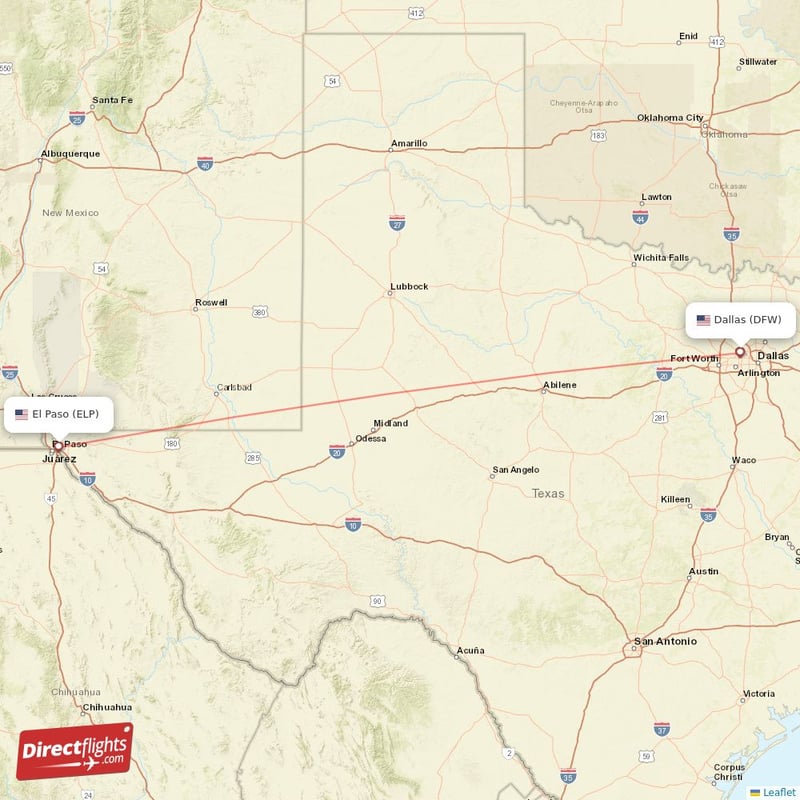
The journey between El Paso and Dallas spans a considerable distance, highlighting the sheer scale of Texas. The most common method of travel is by car, a quintessential Texas road trip experience. The approximate driving distance between these two cities is around 560 to 600 miles, depending on the specific route taken. This translates to a significant time commitment, typically ranging from 8 to 10 hours of pure driving time, without accounting for stops for fuel, meals, or rest.
Route Options and Considerations
Several primary routes connect El Paso and Dallas, each offering a slightly different perspective on the Texan landscape. The most direct and frequently traveled path involves heading north on Interstate 20 (I-20) for a substantial portion of the journey. This interstate is a major artery, well-maintained and offering reliable services along its length. Travelers can expect to pass through various towns and smaller cities, providing opportunities for brief breaks and a glimpse into rural Texas.
An alternative route might involve incorporating U.S. Highway 80 (US-80), which once served as a primary transcontinental route. While less direct in parts, US-80 offers a more scenic and historical perspective, traversing through some of Texas‘s more traditional communities. This option can be appealing to those who prefer a slower pace and a chance to discover roadside attractions and local eateries.
It is crucial for travelers to factor in potential delays. Texas weather can be unpredictable, with summer heat sometimes leading to reduced visibility and winter conditions, though less common in the southern parts of the state, can impact road conditions in northern areas. Construction zones are also a frequent occurrence on major interstates and can add unexpected minutes or even hours to the journey. Therefore, consulting real-time traffic applications and weather forecasts before and during the trip is highly recommended.
Exploring the Skies: Air Travel Between El Paso and Dallas
For those seeking to minimize travel time, air travel presents a convenient and efficient alternative to driving. Both El Paso International Airport (ELP) and Dallas/Fort Worth International Airport (DFW) are major hubs with regular flight schedules connecting the two cities. Direct flights are readily available, with a flight duration typically lasting around 1 hour and 30 minutes to 1 hour and 45 minutes.
The Airport Experience
When considering air travel, it’s important to account for the entire airport experience. This includes travel time to and from the airports, check-in procedures, security screening, and boarding. While the flight itself is short, these ancillary activities can add several hours to the overall travel time. However, for business travelers or those with limited vacation time, flying often proves to be the most practical choice for covering the distance between El Paso and Dallas.
Airlines operating routes between these cities, such as American Airlines and Southwest Airlines, often offer competitive pricing, especially when booked in advance. Travelers can also explore options flying into or out of smaller regional airports near Dallas, such as Dallas Love Field (DAL), which may sometimes offer more convenient flight times or different pricing structures. Comparing flight options across different carriers and airports can lead to significant cost savings and a more tailored travel experience.
The Journey’s Rich Tapestry: Potential Stops and Experiences
The substantial distance between El Paso and Dallas opens up a world of possibilities for travelers who wish to break up their journey and explore the diverse landscapes and cultural offerings of Texas. This route, particularly along I-20, passes through areas that offer glimpses into the state’s rich history, its agricultural heartland, and its burgeoning artistic scenes.
West Texas Charm and Beyond
As you depart El Paso, you enter the vast expanse of West Texas. While much of this region appears arid and sparsely populated, it holds a rugged beauty and a unique character. Towns like Fort Stockton offer a glimpse into the state’s frontier past. Further east, the landscape begins to shift, gradually becoming less arid as you approach the Texas Hill Country, though the direct route may skirt its most scenic parts.
A notable stop along the I-20 corridor is the city of Abilene. Known for its Western heritage, Abilene boasts the Frontier Texas! museum, an interactive experience that brings the wild west to life. It also serves as a good point for an overnight stay, offering a variety of accommodations and dining options.
Central Texas and its Cultural Hubs
Continuing eastward, the terrain becomes more rolling, and the population density increases as you approach Central Texas. Cities like Sweetwater and Weatherford offer their own unique attractions and local flavors. Weatherford, for instance, is known for its historic downtown and its connection to the iconic actress Mary Martin.
Approaching the Dallas-Fort Worth metroplex, the options for exploration expand dramatically. You could detour south to explore the historic city of Fort Worth, with its renowned Stockyards National Historic District, offering a true taste of the cowboy culture that Texas is famous for. Alternatively, you might consider stopping in Arlington, home to major entertainment venues like Six Flags Over Texas and the AT&T Stadium, home of the Dallas Cowboys.
For those interested in a more academic or artistic pause, a visit to a university town like Denton, just north of Dallas, could be rewarding. Denton is known for its vibrant music scene and its historic town square, offering a unique blend of culture and small-town charm.
El Paso: The Sun City’s Allure
Before embarking on a journey to Dallas, it’s worth appreciating the unique appeal of El Paso itself. Situated in the far west of Texas, El Paso is a city of rich cultural fusion, where American and Mexican influences are deeply intertwined. The dramatic backdrop of the Franklin Mountains National Park provides a stunning natural setting, offering opportunities for hiking and breathtaking panoramic views.
Cultural Immersion in El Paso
The city’s heritage is evident in its architecture, cuisine, and vibrant arts scene. A visit to the historic mission trail, with its centuries-old adobe churches, offers a tangible connection to the region’s colonial past. The El Paso Museum of Art showcases a diverse collection, reflecting the artistic contributions of the border region.
The culinary landscape of El Paso is a highlight, with a strong emphasis on authentic Tex-Mex cuisine. From casual taquerias to more upscale dining establishments, visitors can indulge in a variety of flavorful dishes, often featuring fresh, local ingredients. The city’s proximity to Juárez, Mexico, allows for a unique cross-border experience, though careful planning and awareness of current border crossing regulations are essential for any such excursions.
Dallas: A Metropolis of Modernity and Tradition
Dallas, on the other hand, represents the modern, cosmopolitan face of Texas. It is a city that seamlessly blends a dynamic business environment with a thriving arts and culture scene, world-class dining, and a rich historical narrative.
Iconic Landmarks and Attractions in Dallas
Upon arrival in Dallas, travelers will find a city brimming with attractions. The Sixth Floor Museum at Dealey Plaza offers a poignant and informative look into the assassination of President John F. Kennedy. For those interested in the arts, the Dallas Arts District is a must-visit, home to the Dallas Museum of Art, the Nasher Sculpture Center, and the Dallas Symphony Orchestra.
The city also boasts impressive architectural landmarks, including the modern skyscrapers that define its downtown skyline. For sports enthusiasts, a visit to the American Airlines Center, home to the Dallas Mavericks and the Dallas Stars, or the aforementioned AT&T Stadium in nearby Arlington, provides an exciting glimpse into Texas‘s passion for professional sports.
The culinary scene in Dallas is as diverse as its population, ranging from innovative New American cuisine to authentic international flavors. The city is also a significant shopping destination, with upscale boutiques and sprawling malls catering to every taste and budget. Whether one is arriving from the rugged beauty of El Paso or simply exploring the expansive Texan landscape, Dallas offers a vibrant and engaging urban experience, a stark yet complementary contrast to its western counterpart.
LifeOutOfTheBox is a participant in the Amazon Services LLC Associates Program, an affiliate advertising program designed to provide a means for sites to earn advertising fees by advertising and linking to Amazon.com. Amazon, the Amazon logo, AmazonSupply, and the AmazonSupply logo are trademarks of Amazon.com, Inc. or its affiliates. As an Amazon Associate we earn affiliate commissions from qualifying purchases.