
For countless travelers venturing into the majestic Colorado Rockies, the scenic town of Estes Park serves as an essential gateway to adventure. Often beginning their journey in the vibrant city of Denver, visitors frequently inquire about the distance and best routes to this iconic mountain destination. Understanding the various travel options, their respective distances, and the inherent beauty of each path is crucial for an enjoyable and well-planned excursion.
The Journey from Denver to Estes Park: A Scenic Overview
The distance between Denver and Estes Park typically ranges from 65 to 75 miles, depending on the specific route chosen from the capital city. While the mileage might seem modest, the travel time can vary significantly, usually taking between 1.5 to 2.5 hours without significant traffic or stops. This variability is largely due to the winding mountain roads, elevation gain, and the potential for seasonal congestion, especially during peak tourist periods. The journey itself is an integral part of the Estes Park experience, transitioning from the urban landscape of Denver to rolling foothills and ultimately, the dramatic peaks of the Rocky Mountains. Travelers can expect breathtaking vistas, charming small towns, and the palpable sense of anticipation as they approach the entrance to Rocky Mountain National Park. Each route offers distinct scenery and driving conditions, catering to different preferences for speed, sightseeing, and adventure.

Choosing Your Route: Options and Considerations
Navigating from Denver to Estes Park presents travelers with a few primary routes, each offering a unique perspective of Colorado’s diverse landscapes. Selecting the best path depends on factors like desired travel time, scenic preferences, and current road conditions.
US-36 West through Boulder: The Most Direct Path
The most common and generally fastest route from Denver to Estes Park involves taking US-36 West. This path typically covers approximately 65-70 miles and, under ideal conditions, can be completed in about 1.5 to 1.75 hours. The journey begins by heading northwest out of Denver, passing through the vibrant city of Boulder. After Boulder, US-36 continues its westward ascent, offering increasingly panoramic views as it climbs towards the mountains. This route is well-maintained and typically has fewer sharp curves than other mountain passes until the final stretch into Estes Park. However, traffic can be heavy, especially when passing through Boulder during rush hour or on summer weekends. The convenience of this route makes it a favorite for those prioritizing a swift arrival, but it still delivers ample scenic beauty, particularly once you leave the urbanized areas behind and enter the canyon leading towards Estes Park.
US-34 West through Loveland (Big Thompson Canyon): A Riverine Journey
An alternative route that often appeals to those seeking a different kind of scenic experience is US-34 West, typically accessed via I-25 North from Denver. This route takes you north to Loveland, a city known as the “Sweetheart City,” before turning west into the stunning Big Thompson Canyon. The total distance is slightly longer, usually around 70-75 miles, and the drive can take anywhere from 1.75 to 2.25 hours. The Big Thompson Canyon portion of US-34 is particularly captivating, with the road winding alongside the Big Thompson River, carved through dramatic rock formations. While breathtaking, the canyon road can be narrower and more winding than US-36, demanding careful driving. It’s also susceptible to closures or delays during severe weather, such as heavy rain or snow, due to its proximity to the river and steep canyon walls. However, for those who appreciate river-carved landscapes and a slightly less traveled path (outside of peak Loveland traffic), this route offers a memorable journey.
CO-7 (Peak to Peak Scenic Byway): The Grand Scenic Detour
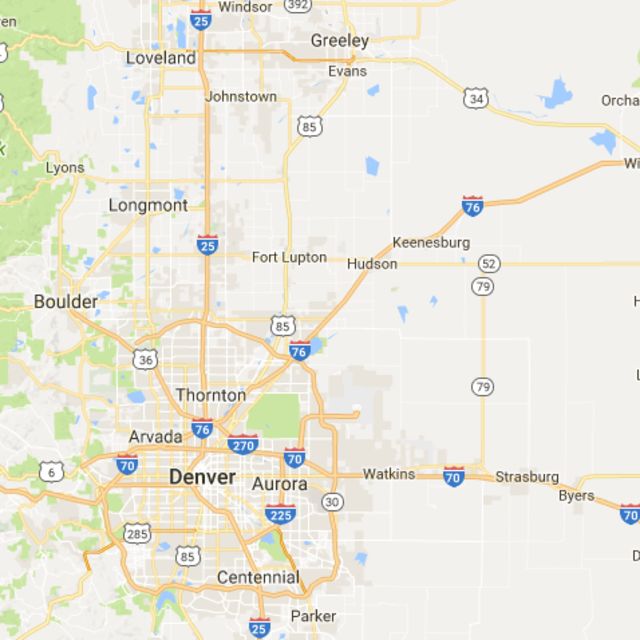
For travelers with ample time and a desire for an unparalleled scenic adventure, the Peak to Peak Scenic Byway (CO-7) offers the most spectacular, albeit longest, drive. This route significantly increases the distance to approximately 85-90 miles and extends the driving time to 2.5 to 3 hours or more, depending on stops. To access CO-7, travelers typically take US-36 West from Denver, then turn south on CO-119 towards Nederland, eventually connecting with CO-7 North. The Peak to Peak Scenic Byway is Colorado’s oldest scenic byway, renowned for its continuous views of the Continental Divide and the majestic peaks of Rocky Mountain National Park. It passes through charming mountain towns like Nederland and Allenspark, offering opportunities for exploration and photography. This route is less about efficiency and more about the journey itself, making it ideal for leisure travelers, photographers, and anyone who wants to fully immerse themselves in the high-alpine environment before reaching Estes Park. However, parts of CO-7 can be quite winding and challenging, especially in winter conditions when ice and snow are prevalent.
Beyond the Drive: Exploring Estes Park
Once you’ve successfully navigated the scenic roads from Denver, Estes Park welcomes you as a vibrant base for exploring the surrounding natural wonders. Most famously, Estes Park serves as the eastern gateway to Rocky Mountain National Park, one of America’s most cherished natural treasures. The park’s entrance is just a few miles from the downtown area, providing immediate access to countless hiking trails, breathtaking viewpoints, and abundant wildlife viewing opportunities.
Within Estes Park itself, there’s a wealth of activities and attractions. The picturesque Lake Estes offers opportunities for fishing, boating, and scenic walks along its perimeter. The historic Stanley Hotel, famous for inspiring Stephen King’s “The Shining,” stands majestically overlooking the town and provides guided tours, dining, and a glimpse into its storied past. Downtown Estes Park boasts a charming pedestrian-friendly Riverwalk, lined with unique shops, art galleries, and diverse restaurants serving everything from casual pub fare to fine dining. Visitors can browse for souvenirs, enjoy local ice cream, or simply soak in the mountain town atmosphere. Beyond the town limits, activities like whitewater rafting on the Cache la Poudre River, rock climbing, horseback riding, and guided tours into the national park are readily available, ensuring there’s an adventure for every interest and skill level.
Travel Planning Tips for Your Estes Park Excursion
To ensure a smooth and enjoyable trip from Denver to Estes Park and beyond, consider these essential travel planning tips:
Best Time to Visit and Traffic Considerations
The summer months (June through August) and early fall (September and October) are the most popular times to visit Estes Park and Rocky Mountain National Park. While the weather is generally pleasant and all park facilities and roads, including the iconic Trail Ridge Road, are typically open, this popularity also means heavy traffic and larger crowds. Weekends and holidays during these seasons are particularly busy. For a quieter experience with beautiful foliage, late May or late October can be excellent choices, though some higher elevation roads might be closed. Winter offers a serene, snow-covered landscape, ideal for snowshoeing and cross-country skiing, but expect road closures and colder temperatures. Always check current road conditions (especially for mountain passes) before departing, particularly during spring and fall when weather can be unpredictable.
Vehicle Preparation and Mountain Driving
Ensure your vehicle is in good condition, especially if you’ll be driving mountain passes. Check tire pressure, fluid levels, and brakes. Be mindful of gas stations once you leave Denver or Boulder, as options become sparse on the mountain routes. When driving in the mountains, use lower gears on descents to save your brakes and ascend gradually. Watch for wildlife, especially at dawn and dusk. In winter, four-wheel drive or all-wheel drive vehicles with appropriate tires are highly recommended, and chain laws may be in effect.
Accommodation and Booking Advice
Estes Park offers a wide range of accommodation options, from cozy cabins and bed-and-breakfasts to modern hotels and vacation rentals. Due to its popularity, especially during peak season, it’s highly advisable to book your lodging well in advance, often several months ahead. Last-minute bookings during summer or fall weekends can be difficult and expensive. Consider staying slightly outside the main downtown area for potentially quieter surroundings or different price points.
What to Pack
Mountain weather can change rapidly, even in summer. Pack layers of clothing, including a waterproof and windproof outer shell, regardless of the season. Essential items include sturdy hiking boots, sunscreen, a hat, sunglasses, plenty of water, and snacks. If you plan to hike in Rocky Mountain National Park, bring a map, compass or GPS device, and bear spray if venturing into backcountry areas. Don’t forget your camera to capture the stunning scenery!
Rocky Mountain National Park Timed Entry Permits
During peak seasons, Rocky Mountain National Park implements a Timed Entry Permit System to manage visitation and reduce congestion. It is crucial to check the official National Park Service website for the most up-to-date requirements and to reserve your permit well in advance, often weeks or even months ahead of your visit. Without a valid timed entry permit, you may not be allowed to enter the park during specified hours. Always verify current operating procedures before your trip.
By considering these aspects, your journey from Denver to Estes Park will be not just a drive, but a memorable part of your overall Colorado adventure, leading you to the heart of the Rockies.
LifeOutOfTheBox is a participant in the Amazon Services LLC Associates Program, an affiliate advertising program designed to provide a means for sites to earn advertising fees by advertising and linking to Amazon.com. Amazon, the Amazon logo, AmazonSupply, and the AmazonSupply logo are trademarks of Amazon.com, Inc. or its affiliates. As an Amazon Associate we earn affiliate commissions from qualifying purchases.