
The journey between two of Arizona’s most celebrated natural and cultural hubs, Flagstaff and Sedona, is a frequent topic of interest for travelers exploring the American Southwest. These two distinct yet complementary destinations offer vastly different, yet equally compelling, experiences. Flagstaff, nestled at a higher elevation amidst the ponderosa pines of the San Francisco Peaks, exudes a charming mountain town ambiance with a rich historical core and proximity to significant natural wonders like the Grand Canyon. Sedona, on the other hand, is globally renowned for its vibrant red rock formations, spiritual vortexes, and an upscale arts and wellness scene. Understanding the distance and the various travel options between them is crucial for planning an efficient and enjoyable itinerary.
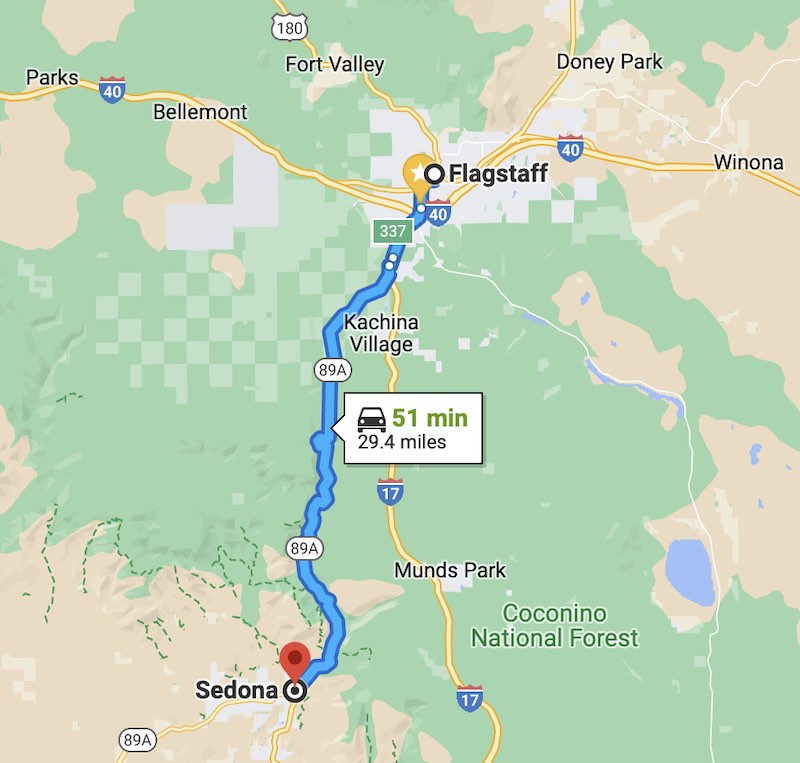
The Direct Distance and Driving Routes
The most direct route between Flagstaff and Sedona is a scenic drive of approximately 30 miles. This distance, while short, can take longer to traverse than one might expect due to the winding nature of the roads and the dramatic elevation changes. The primary driving route is via Arizona State Route 89A, a highway renowned for its breathtaking beauty and its status as an iconic American byway.
Driving Time Considerations
The driving time between Flagstaff and Sedona typically ranges from 45 minutes to over an hour, depending on several factors. Traffic can be a significant influence, especially during peak tourist seasons, weekends, and holidays. The Arizona State Route 89A can become congested, particularly as it descends into Sedona itself, where parking and navigating can also pose challenges.
Weather conditions also play a role. While Sedona generally enjoys milder weather than Flagstaff due to its lower elevation, winter months can bring snow and ice to the higher passes along Arizona State Route 89A. This can slow down travel considerably and, in rare instances, lead to temporary road closures. It is always advisable to check local road conditions and weather forecasts before embarking on the drive, particularly during the winter season.
The speed limits vary along the route. While sections may allow for faster travel, much of the Arizona State Route 89A is a winding mountain road with reduced speed limits to ensure safety given the curves and potential for wildlife encounters. Travelers are encouraged to drive cautiously, enjoy the scenery, and allow ample time for the journey rather than rushing.
The Enchanting Arizona State Route 89A
The drive along Arizona State Route 89A is not merely a transit between two points; it is an experience in itself. As you depart from Flagstaff, the landscape begins to transform. You’ll ascend slightly through the pine forests before beginning the dramatic descent towards Sedona. The road clings to the mountainside, offering spectacular panoramic views that unfold with every turn.
One of the most iconic stretches of this route is Oak Creek Canyon. This scenic gorge is carved by Oak Creek and is dotted with pull-offs that invite visitors to stop and admire the towering red rock walls, lush vegetation, and the crystal-clear waters of the creek below. Several popular hiking trails and swimming spots are accessible directly from the highway within Oak Creek Canyon, making it a worthwhile stop for nature lovers. Popular trailheads include the West Fork Trail and the Slide Rock State Park, which is a natural water park formed by smooth sandstone.
Further along Arizona State Route 89A, the terrain becomes more arid, and the signature red rocks of Sedona begin to dominate the horizon. The transition from the cool, forested mountains of Flagstaff to the sun-drenched, vibrant hues of Sedona is a remarkable visual shift that highlights the diverse geological beauty of this region of Arizona.
Alternative Transportation and Travel Tips
While driving is the most common and often recommended method for traversing the distance between Flagstaff and Sedona, other transportation options are available, and certain tips can enhance the travel experience.
Shuttle Services and Ride-Sharing
For travelers who prefer not to drive, shuttle services operate between Flagstaff and Sedona. These services offer a convenient way to reach your destination without the responsibility of navigating unfamiliar roads or finding parking. Companies like Groome Transportation are well-established providers that offer shared rides, typically picking up passengers from designated locations in Flagstaff, including the airport and various hotels, and dropping them off at hotels and other points within Sedona. Booking these services in advance is highly recommended, especially during busy periods.
Ride-sharing services, such as Uber and Lyft, are also available in both Flagstaff and Sedona. However, their availability can be more sporadic, particularly for longer distances or during off-peak hours. The cost of a ride-share between the two cities can also be substantial, often exceeding the price of a shuttle service. It is wise to check the estimated fares and availability within the apps before relying solely on ride-sharing for this specific journey.
Public Transportation and Its Limitations
Public transportation options directly connecting Flagstaff and Sedona are extremely limited. There is no direct bus route that consistently runs between the two cities. While Flagstaff has a local bus system, it does not extend to Sedona. Therefore, for most visitors, relying on public transit for this specific intercity travel is not a practical option.
Planning Your Trip
When planning your travel between Flagstaff and Sedona, consider the purpose of your visit to each location. If your primary interest in Flagstaff is exploring its historic downtown, the Lowell Observatory, or venturing to the Grand Canyon, you might choose to rent a car in Flagstaff for the duration of your stay, allowing you the flexibility to drive yourself to Sedona and explore at your own pace.
If your focus is primarily on Sedona’s renowned hiking trails, art galleries, and spiritual centers, and you only intend a day trip or short visit to Flagstaff (perhaps to visit the Meteor Crater), utilizing a shuttle service for the transit might be a more cost-effective and less stressful choice.
It’s also beneficial to factor in the time of year. Summer months will see more crowds and potentially higher prices for accommodations and services in both cities. Spring and fall offer pleasant weather and fewer crowds, making them ideal times for exploring. Winter, while potentially beautiful with snow dusting the landscapes, requires more caution on the roads, especially in the higher elevations around Flagstaff.
Embracing the Unique Charms of Each Destination
The proximity between Flagstaff and Sedona allows travelers to experience two distinct facets of Northern Arizona’s allure. Understanding how far they are is just the first step in appreciating the unique offerings of each.
Flagstaff: The Mountain Gateway
Flagstaff serves as a gateway to numerous natural and historical attractions. Its high desert climate and mountain setting make it an ideal base for exploring the San Francisco Peaks, the world-renowned Grand Canyon National Park (approximately 1.5 hours away), and the ancient cliff dwellings of Walnut Canyon National Monument and Wupatki National Monument. The city itself boasts a vibrant historic downtown with a lively restaurant and brewery scene, as well as significant scientific institutions like the Lowell Observatory, where Pluto was discovered.
Sedona: The Red Rock Sanctuary
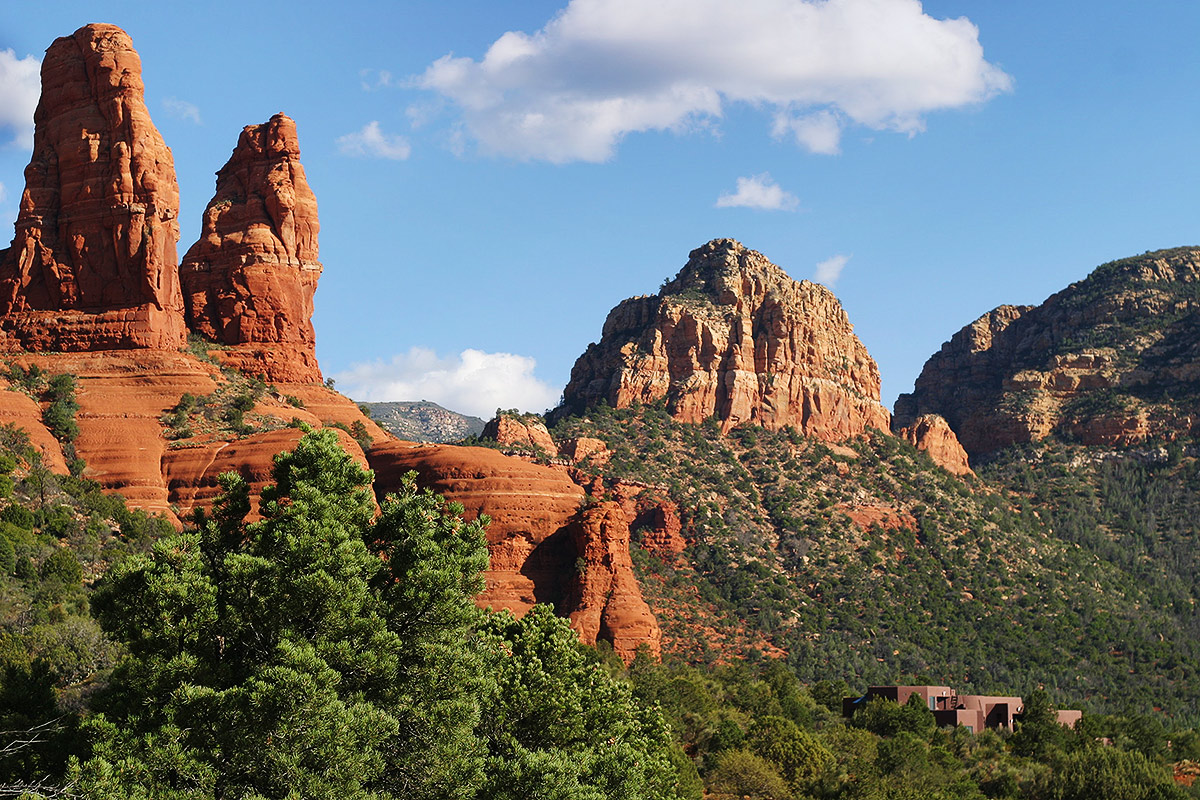
Sedona, a stark contrast to the pine-covered mountains of Flagstaff, is famous for its dramatic sandstone formations that glow with an otherworldly radiance. Visitors flock to Sedona for its spiritual vortexes, renowned hiking and biking trails that wind through the canyons, its thriving arts community with numerous galleries and studios, and its emphasis on wellness and rejuvenation. The town offers a more relaxed, bohemian vibe, centered around the stunning natural beauty that surrounds it.
The Synergy of a Split Itinerary
For many travelers, the ideal approach to visiting this region involves splitting their time between Flagstaff and Sedona. This allows for a comprehensive exploration of the diverse landscapes, activities, and atmospheres that Northern Arizona has to offer. A typical itinerary might involve spending a few days in Flagstaff to visit the Grand Canyon and explore its mountain charm, then driving the scenic Arizona State Route 89A down to Sedona to immerse oneself in the red rock country, indulge in spa treatments, and hike among the iconic formations. This short distance, combined with the dramatic differences in scenery and culture, makes Flagstaff and Sedona a perfect pairing for a memorable Southwestern adventure.
LifeOutOfTheBox is a participant in the Amazon Services LLC Associates Program, an affiliate advertising program designed to provide a means for sites to earn advertising fees by advertising and linking to Amazon.com. Amazon, the Amazon logo, AmazonSupply, and the AmazonSupply logo are trademarks of Amazon.com, Inc. or its affiliates. As an Amazon Associate we earn affiliate commissions from qualifying purchases.