
The vastness of the United States is a constant source of wonder for travelers, and understanding the distances between its diverse states is crucial for planning any transcontinental adventure. For those dreaming of swapping the sun-drenched beaches of Florida for the rugged desert landscapes of Arizona, or vice versa, the question of “how far” is the first step. This journey, while significant, is well within the realm of possibility for a dedicated road trip or a convenient flight, offering two distinctly American experiences at opposite ends of the country.
Navigating the Transcontinental Divide: Driving Distances and Timelines
Embarking on a road trip from Florida to Arizona is an epic undertaking, a true cross-country exploration that traverses multiple states and landscapes. The most direct driving routes typically span between 2,000 and 2,300 miles, depending on your starting point in Florida and your final destination in Arizona. For instance, driving from Miami to Phoenix is a considerable distance.

Key Driving Routes and Estimated Travel Times
Several primary routes can be taken, each offering a unique glimpse into the American heartland.
Southern Route: A Gulf Coast and Desert Blend
One of the most common and often scenic routes involves heading west through the southern states. This path might take you through:
- Florida (e.g., Orlando or Tampa)
- Alabama
- Mississippi
- Louisiana
- Texas (a vast state that itself requires significant driving time)
- New Mexico
- Arizona (e.g., Tucson or Phoenix)
This route often utilizes major interstates like I-10, which stretches from Jacksonville, Florida, all the way to Santa Monica, California, passing through the southern reaches of Arizona. The estimated driving time for this journey, purely behind the wheel without accounting for stops, is typically between 30 and 36 hours. However, this is a challenging drive to undertake consecutively. Most travelers will break this journey into a minimum of three to four days, allowing for overnight stays and brief explorations along the way. Popular stopping points could include New Orleans, Louisiana, for its unique culture, or San Antonio, Texas, for its rich history.
Central Route: Through the Heart of America
Another option, particularly if starting from northern Florida, might involve a more central path through the country. This could look like:
- Florida (e.g., Tallahassee)
- Georgia
- Tennessee
- Arkansas
- Oklahoma
- Texas (northern parts)
- New Mexico
- Arizona
This route might leverage interstates like I-40, which is another significant cross-country artery. The mileage would be comparable, and the driving time would also fall within the 30-36 hour range. This path offers the chance to experience the Appalachian foothills, the vast plains of Oklahoma, and the mountainous terrain of New Mexico. Potential stopovers might include Nashville, Tennessee, a hub for country music, or Oklahoma City, Oklahoma, with its significant Western heritage.
Considerations for the Road Trip
- Fuel and Services: While major interstates are well-serviced, it’s wise to keep an eye on fuel levels, especially when traversing vast stretches of Texas or New Mexico, where towns can be sparse.
- Vehicle Maintenance: Ensure your vehicle is in excellent condition. A pre-trip inspection covering tires, brakes, fluids, and belts is highly recommended.
- Weather: Be prepared for a wide range of weather conditions. You might encounter summer heat in Texas, thunderstorms in the South, and even potential snow in higher elevations of New Mexico or Arizona during cooler months.
- Time Zones: This journey will involve crossing at least two time zones. Florida is in the Eastern Time Zone, while Arizona observes Mountain Standard Time year-round (it does not utilize Daylight Saving Time, except for the Navajo Nation). This means you gain two hours as you travel west.
The Swift Passage: Flying Between Florida and Arizona
For those prioritizing speed and convenience, air travel is the most practical solution for bridging the considerable distance between Florida and Arizona. The flight duration itself is significantly shorter than driving, offering a stark contrast in travel experience.
Major Airports and Flight Options
Both states boast multiple major airports that serve as gateways for transcontinental travel.
Florida Departure Hubs:
- Miami International Airport (MIA): A major international hub with extensive connections.
- Orlando International Airport (MCO): Another busy airport, especially for travelers visiting the theme parks.
- Fort Lauderdale-Hollywood International Airport (FLL): Offers numerous domestic and international flights.
- Tampa International Airport (TPA): A key airport on Florida‘s west coast.
- Jacksonville International Airport (JAX): Serves the northern part of the state.
Arizona Arrival Hubs:
- Phoenix Sky Harbor International Airport (PHX): The primary gateway to Arizona, serving the metropolitan area of Phoenix and beyond.
- Tucson International Airport (TUS): Serves the southern region of Arizona.
- Phoenix-Mesa Gateway Airport (AZA): Often serves as a lower-cost alternative to PHX.
Flight Durations and Airlines
Direct flights between major Florida and Arizona airports typically range from 3.5 to 4.5 hours. For example, a direct flight from Orlando (MCO) to Phoenix (PHX) will be around the 4-hour mark. Flights with layovers will, of course, be longer.
Numerous major airlines operate routes connecting these states, including:
- American Airlines
- Delta Air Lines
- United Airlines
- Southwest Airlines
- JetBlue Airways
When booking, consider that fare prices can vary significantly based on the season, day of the week, and how far in advance you book. Traveling during peak tourist seasons for either state (winter for Arizona‘s desert resorts, spring break for Florida‘s beaches) will generally be more expensive.
Understanding the Geographical Context
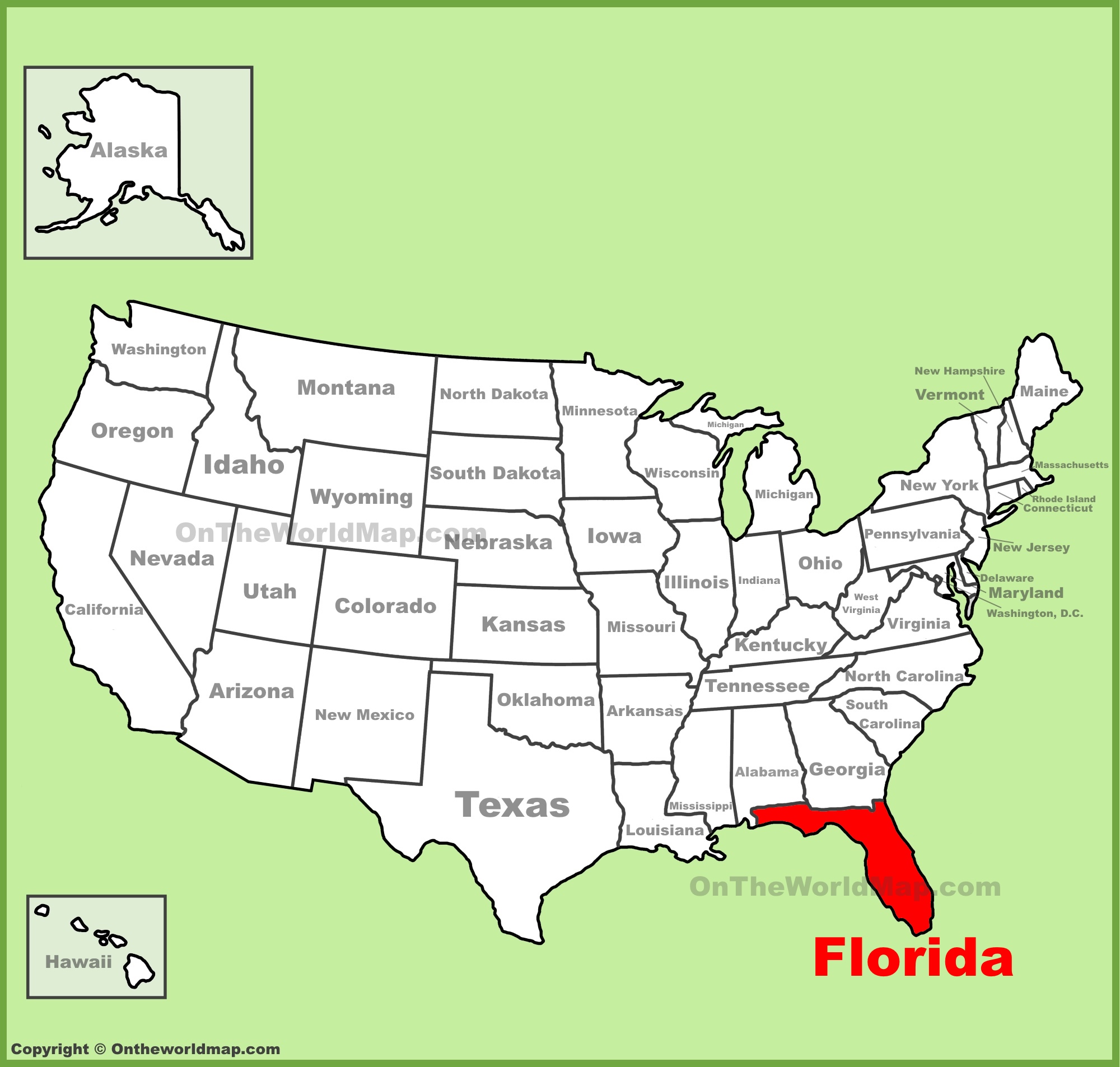
To truly appreciate the distance, it’s helpful to visualize the continental divide. Florida, a peninsula jutting into the Atlantic Ocean and the Gulf of Mexico, is the southeasternmost contiguous state in the United States. Arizona, on the other hand, is a landlocked state in the Southwestern region, known for its arid climate and iconic desert landscapes, including the magnificent Grand Canyon.
State Size and Population Distribution
Both states are substantial in size, but their geographical characteristics and population distributions differ. Florida has a long coastline and a largely flat terrain, with its population concentrated along the coasts and in major urban centers like Miami, Tampa, and Orlando. Arizona is characterized by its mountainous and desert terrain, with a significant portion of its population residing in the metropolitan area of Phoenix, often referred to as the “Valley of the Sun.” The sparse population in vast desert regions contributes to the sense of distance when driving.
Time Zone Differences
As mentioned, the time zone difference is a practical consideration. Florida observes Eastern Time (ET), while Arizona (excluding the Navajo Nation) observes Mountain Standard Time (MST) year-round. This two-hour difference can impact flight schedules and arrival times, making a 4-hour flight feel shorter upon arrival in Arizona.
Planning Your Inter-State Transition
Whether you choose the immersive experience of a road trip or the efficiency of air travel, understanding the distance between Florida and Arizona is the first step to a successful journey. Each mode of transport offers a unique perspective on the American landscape, from the changing geography and cultural nuances of the drive to the swift passage over thousands of miles.
Road Trip vs. Flying: Choosing Your Adventure
- Road Trip: Ideal for those who want to see the country, explore roadside attractions, and have the flexibility to stop and discover hidden gems. It requires a significant time commitment and a well-prepared vehicle.
- Flying: Perfect for travelers with limited time or those who prefer to reach their destination quickly and efficiently. It allows for more time to be spent at the destination rather than traveling to it.
Estimating Total Travel Time
When planning, it’s crucial to factor in more than just driving or flight hours.
- Driving: Add at least 2-3 additional days for overnight stops and exploration. Factor in time for meals, rest breaks, and potential traffic delays.
- Flying: Account for travel to and from airports, check-in procedures, security lines, boarding, and baggage claim. This can easily add 3-5 hours to your total travel day.
Ultimately, the distance between Florida and Arizona is a measure of miles and hours, but it also represents the opportunity to experience the incredible diversity that the United States has to offer, from the tropical allure of the Southeast to the stark beauty of the Southwest.
LifeOutOfTheBox is a participant in the Amazon Services LLC Associates Program, an affiliate advertising program designed to provide a means for sites to earn advertising fees by advertising and linking to Amazon.com. Amazon, the Amazon logo, AmazonSupply, and the AmazonSupply logo are trademarks of Amazon.com, Inc. or its affiliates. As an Amazon Associate we earn affiliate commissions from qualifying purchases.