
The idea of traversing the entire width of the United States, from the sun-drenched beaches of Florida on the Atlantic coast to the dramatic Pacific shores of California, is a dream for many travelers. It represents an epic journey, a cross-country odyssey that unveils the incredible diversity of the American landscape, culture, and lifestyle. For those contemplating such an adventure, the first and most fundamental question often is: “How far is Florida from California?” The answer, while seemingly simple in terms of mileage, unfolds into a rich tapestry of travel possibilities, logistical considerations, and unforgettable experiences that cater to every type of traveler, from budget backpackers to luxury seekers. This journey is not just about the distance; it’s about the destinations, the attractions, the food, the people, and the stories collected along the way, making it a quintessential element of American travel and tourism.
The Geographic Reality: Unveiling the Distance
Understanding the true distance between Florida and California is the first step in planning any cross-country expedition. It’s a vast expanse, covering multiple time zones and diverse geographical features.
Straight-Line vs. Driving Distance
When we talk about distance, it’s crucial to differentiate between the straight-line (as the crow flies) distance and the actual driving distance, which accounts for roads, highways, and practical routes. The straight-line distance, while a good indicator of overall separation, is not feasible for ground travel.
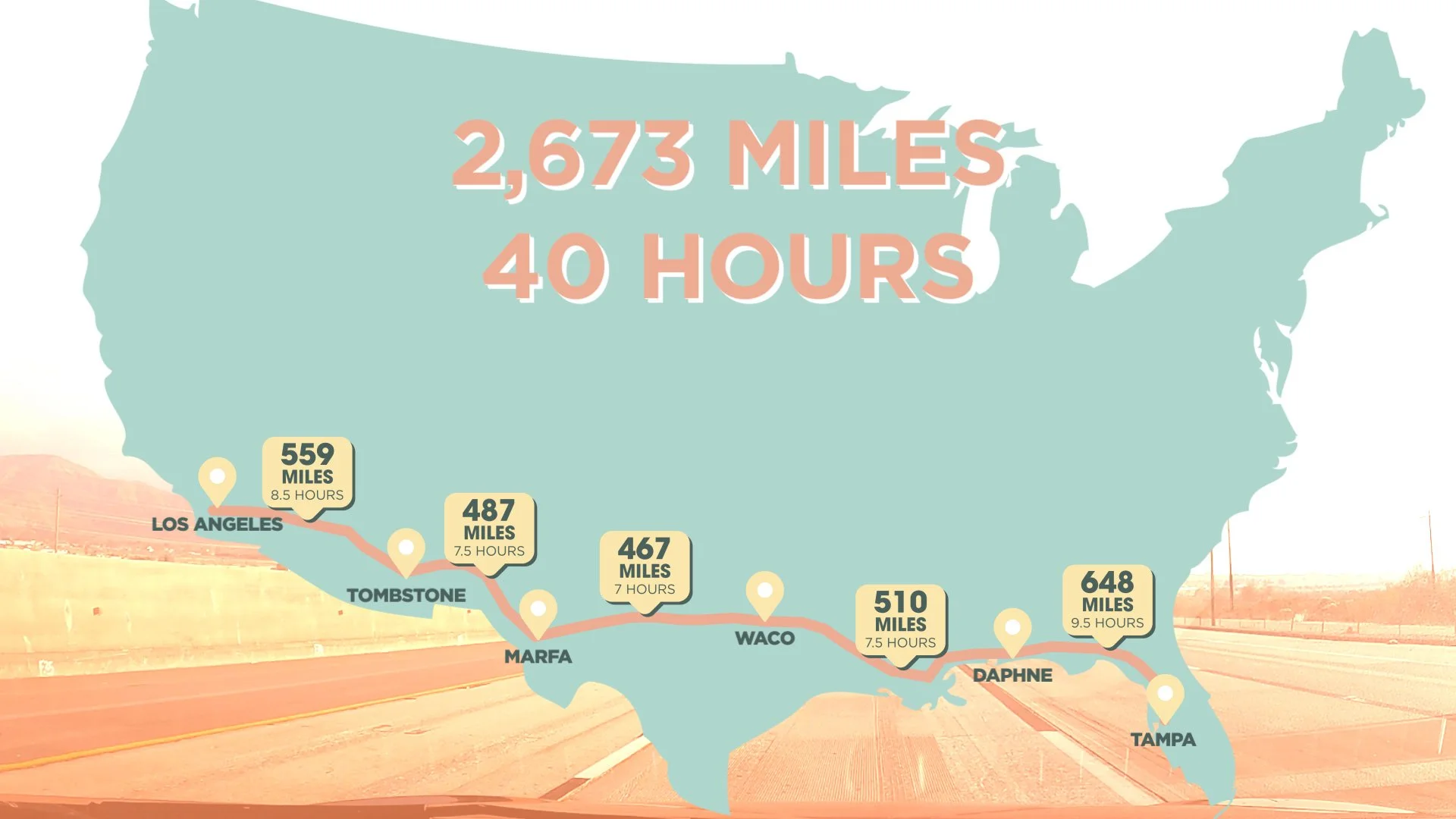
The actual driving distance between the easternmost points of Florida and the westernmost points of California can vary significantly depending on the specific starting and ending cities. On average, the journey spans approximately 2,500 to 3,000 miles (about 4,000 to 4,800 kilometers). This monumental distance typically translates into a driving time of 40 to 50 hours of continuous driving. However, no sensible traveler attempts this without breaks. A realistic road trip often takes 4 to 7 days, allowing for ample rest, sightseeing, and overnight stays. This duration is also influenced by factors such as speed limits, traffic conditions, weather, and the number of stops made for fuel, food, and attractions.
Key Cities as Reference Points
To provide a more concrete understanding, let’s consider some popular city-to-city routes:
- Miami, Florida to Los Angeles, California: This popular route measures roughly 2,735 miles (4,400 km) and can take approximately 40 hours of driving. It often involves traversing states like Louisiana, Texas, New Mexico, and Arizona, showcasing a wide array of landscapes from the Gulf Coast to the deserts of the Southwest.
- Orlando, Florida to San Francisco, California: A journey between these two iconic cities stretches even further, around 3,000 miles (4,828 km), requiring approximately 45 hours of driving. This route might take travelers through the heartland of America before reaching the majestic mountains and coastal regions of the West.
These distances highlight the sheer scale of the journey and underscore the need for meticulous planning, especially concerning travel logistics and accommodation.
Embarking on the Journey: Travel Options and Considerations
With the distance established, the next critical phase involves choosing the mode of transportation that best suits your travel style, budget, and time constraints. Each option offers a unique perspective on the cross-country voyage.
By Air: The Fastest Route
For those prioritizing speed and efficiency, flying is undoubtedly the most practical choice. Direct flights from major Florida airports like Miami International Airport (MIA) or Orlando International Airport (MCO) to California hubs such as Los Angeles International Airport (LAX) or San Francisco International Airport (SFO) typically range from 5 to 6 hours. When accounting for check-in, security, boarding, and potential layovers, the total travel time from door-to-door can extend to 8-10 hours, but it remains significantly faster than any ground-based alternative.
Airlines like American Airlines, Delta Air Lines, United Airlines, and Southwest Airlines offer numerous daily flights. While generally more expensive than driving, air travel saves valuable time, making it ideal for business stays, short trips, or those who prefer to maximize their time at the destination rather than on the journey itself. Booking in advance and being flexible with travel dates can help secure more affordable fares, aligning with budget travel principles.

The Ultimate American Road Trip: Driving Across the Continent
For adventurers, families, or those seeking a deeper connection with the diverse landscapes of the United States, a road trip is an unparalleled experience. It transforms the journey into a destination in itself, allowing for spontaneous stops, exploration of local culture, and the creation of lasting memories.
Routes and Scenery
Several primary interstate highways facilitate cross-country travel:
- Southern Route (Interstate 10): This is often the most direct path, especially when departing from Southern Florida. Interstate 10 stretches from Jacksonville, Florida all the way to Santa Monica, California. It takes you through the swamps of Louisiana, the vast expanses of Texas, the deserts of New Mexico and Arizona, offering glimpses of authentic American life and iconic landmarks. Along the way, you might detour to cities like New Orleans, Houston, San Antonio, or Phoenix.
- Central Route (Interstate 40): Starting further north in Florida or taking Interstate 75 north to connect, Interstate 40 roughly follows the historic Route 66. This route can take you through states like Arkansas, Oklahoma, Texas, New Mexico, and Arizona, often offering access to incredible natural landmarks such as the Grand Canyon National Park (with a slight detour).

Each route presents unique attractions, local food experiences, and scenic vistas, making the decision an integral part of the travel planning process.
Planning Your Road Trip: Accommodation and Stops
A successful cross-country road trip hinges on meticulous planning, especially regarding accommodation. Unless you’re an avid camper, you’ll need to book hotels, motels, or other forms of accommodation along your chosen route.
- Strategic Stops: Plan your daily driving segments to be manageable, typically 8-10 hours, allowing for breaks and sightseeing. Identify cities or towns roughly halfway through your chosen route for overnight stays.
- Accommodation Variety: From roadside motels offering budget-friendly options to boutique hotels in larger cities or even unique resort stays near national parks, the variety of accommodation allows travelers to tailor their trip to their lifestyle and financial considerations. Websites and apps dedicated to hotel booking and reviews are invaluable for finding suitable places to rest and recharge. Consider amenities like pools, free breakfast, and pet-friendliness if traveling with family or pets. For longer stays in a particular area, apartments or villas might offer more comfort and space.
- Flexibility: While planning is essential, maintaining some flexibility can enhance the experience. You might discover an unexpected attraction or a charming local eatery that warrants an impromptu stop.
Train and Bus Travel: A Different Perspective
For those who prefer to sit back, relax, and let someone else do the driving, train and bus travel offer alternative, often more economical, cross-country options.
- Train Travel (Amtrak): Amtrak provides cross-country routes, though none are direct from Florida to California. Travelers would typically need to connect through major hubs like Chicago or New Orleans. The journey is considerably longer than driving, often taking 3-4 days with transfers, but it offers a unique, leisurely way to see the country, with sleeper cars and dining services available for a more luxurious experience. This option provides a nostalgic nod to classic American travel.
- Bus Travel (Greyhound, etc.): Bus services like Greyhound are the most budget-friendly option for long-distance travel. The trip from Florida to California would involve multiple transfers and take anywhere from 2 to 4 days, depending on the route and connections. While less comfortable than other modes, it’s a viable choice for extreme budget travel and offers a chance to meet diverse fellow travelers.
Planning Your Cross-Country Adventure: Logistics and Lifestyle
Regardless of how you choose to cover the vast distance between Florida and California, thoughtful planning is paramount to a successful and enjoyable trip.
Budgeting Your Trip: From Economy to Luxury
The cost of a cross-country journey can vary dramatically, heavily influenced by your chosen mode of transport, accommodation preferences, and spending habits on food and activities.
- Budget Travel: For the frugal traveler, a bus trip with stays in economy motels or campgrounds, combined with self-prepared meals, can keep costs low. Road trips can also be budget-friendly if you share fuel costs, pack snacks, and opt for affordable accommodation options like hostels or budget hotels.
- Mid-Range Travel: This category might involve flying with a layover, renting a standard car for a road trip with stays in comfortable mid-range hotels like a Holiday Inn Express or a Hampton Inn, and enjoying local eateries.
- Luxury Travel: For those seeking a premium experience, direct first-class flights, renting a luxury vehicle for the drive, staying in high-end resorts or boutique hotels like a Ritz-Carlton or a [Four Seasons](https://lifeoutofthebox.com/four- Seasons), and dining at gourmet restaurants are all possibilities. Long-term stays in serviced apartments or villas can also offer a luxurious home-away-from-home experience.
It’s wise to create a detailed budget that accounts for transportation, accommodation, food, activities, fuel (if driving), and an emergency fund. Utilize booking comparison websites and loyalty programs to maximize savings or upgrade experiences.
Accommodation Across the Nation: Where to Stay
From charming bed and breakfasts in quaint towns to sprawling resorts in bustling cities, the United States offers an unparalleled array of accommodation options.
- Hotels & Motels: Standard choices for road trippers, providing convenience and essential amenities. Many chains offer consistent quality across the country.
- Resorts & Suites: For those seeking more amenities, perhaps near major attractions or offering a more indulgent stay, resorts or suites provide a higher level of comfort and service. Think of resort towns like Palm Springs in California or coastal areas in Florida.
- Apartments & Villas: Ideal for families, groups, or long-term stays, these options offer more space, privacy, and often kitchen facilities, allowing for a more authentic and cost-effective experience, especially in urban centers or popular tourist destinations. Websites like Airbnb or Booking.com facilitate finding such rentals.
- Campgrounds: For the truly adventurous or budget-conscious, camping at state or national parks along the route can be an incredibly immersive and affordable option, connecting you with nature.
Reviews and comparison sites are crucial tools for finding the perfect stay that aligns with your preferences and budget.
Essential Packing and Preparations
Beyond booking, successful travel requires practical preparations:
- Vehicle Maintenance: If driving, ensure your vehicle is in top condition, with tires, oil, and fluids checked.
- Navigation: A reliable GPS or mapping app is indispensable. Consider offline maps for areas with spotty cell service.
- Emergency Kit: Pack essentials like a first-aid kit, jumper cables, flashlight, and extra water.
- Entertainment: Long stretches of road or waiting times can be dull. Load up on podcasts, music, audiobooks, or movies.
- Documentation: Keep your driver’s license, vehicle registration, insurance, and identification easily accessible.
- Comfort: Dress in layers, pack comfortable shoes, and bring travel pillows or blankets for long journeys.
Beyond the Journey: Exploring Florida and California
The journey itself is memorable, but the true reward lies in the destinations. Both Florida and California are tourism powerhouses, offering an incredible array of attractions, cultural experiences, and unique lifestyles.
Florida’s Charms: Sun, Sand, and Magic
Starting or ending your trip in Florida means immersing yourself in a world of sunshine and diverse attractions.
- World-Famous Theme Parks: Orlando is home to the magical Walt Disney World Resort and the thrilling Universal Studios Orlando, offering endless entertainment for families.
- Stunning Beaches: From the vibrant shores of South Beach in Miami to the serene Gulf Coast beaches, Florida’s coastline is a major draw.
- Natural Wonders: Explore the unique ecosystem of Everglades National Park or discover the stunning underwater world of the Florida Keys.
- Cultural Hubs: Miami offers a rich Cuban influence in Little Havana, while St. Augustine provides a glimpse into America’s oldest continuously inhabited European-established settlement.
California’s Diverse Landscapes and Experiences
Arriving in California reveals a state of dramatic contrasts and iconic landmarks.
- Iconic Cities: Explore the glamour of Hollywood in Los Angeles, experience the bohemian charm of San Francisco with its Golden Gate Bridge and cable cars, or soak in the surf culture of San Diego.
- National Parks: California boasts some of the most spectacular national parks, including Yosemite National Park with its towering sequoias and granite cliffs, and Death Valley National Park’s stark desert beauty.
- Wine Country: Indulge in world-class wines in Napa Valley and Sonoma Valley, a premier destination for luxury travel.
- Coastal Drives: The scenic Pacific Coast Highway (Highway 1) offers breathtaking views, particularly through Big Sur.
- Theme Parks: For family fun, Disneyland Park in Anaheim offers classic theme park magic.
Blending Travel and Tourism: Maximizing Your Visit
Whether you’re visiting Florida or California as part of a cross-country trip or as your sole destination, understanding the local culture, food scene, and available activities is key to an enriching tourism experience. From sampling authentic Cuban coffee in Miami to savoring farm-to-table cuisine in California’s wine regions, culinary adventures are an integral part of travel. Engaging with local guides, exploring historical landmarks, and participating in outdoor activities like surfing, hiking, or fishing further enhance the experience, moving beyond mere sightseeing to genuine cultural immersion. Tips for travelers include researching local events, considering off-peak travel for fewer crowds and better deals, and always respecting local customs and environmental guidelines.
A Journey Worth Taking
The distance between Florida and California is indeed vast, representing a significant portion of the United States. However, it is precisely this distance that makes the journey so compelling. Whether you opt for the efficiency of air travel, the freedom of a cross-country road trip, or the unique perspective of train or bus, the expedition from one coast to the other is more than just covering miles; it’s about embracing the spirit of adventure. It’s an opportunity to witness the geographic and cultural tapestry of America unfold before your eyes, to collect unforgettable experiences, and to appreciate the rich array of destinations, accommodations, and lifestyles that await. From the initial planning stages to the final arrival, a trip between Florida and California is an epic undertaking, promising memories that will last a lifetime.
LifeOutOfTheBox is a participant in the Amazon Services LLC Associates Program, an affiliate advertising program designed to provide a means for sites to earn advertising fees by advertising and linking to Amazon.com. Amazon, the Amazon logo, AmazonSupply, and the AmazonSupply logo are trademarks of Amazon.com, Inc. or its affiliates. As an Amazon Associate we earn affiliate commissions from qualifying purchases.