
Embarking on a journey from the bustling metropolis of Chicago, Illinois, to the sun-kissed shores of Florida is a popular endeavor for countless travelers each year. Whether seeking an escape from the Midwestern winter, planning a family vacation to theme parks, or simply relocating, understanding the distance and various travel implications is the first crucial step. Florida, often referred to as the Sunshine State, offers a stark contrast to the Windy City, promising warmth, beaches, and a vibrant array of attractions. The distance between these two prominent U.S. destinations is substantial, necessitating careful planning for a smooth and enjoyable trip. This article delves into the geographical realities, explores various modes of transport, and offers practical advice to make your journey from Chicago to Florida as efficient and pleasant as possible.
The Geographical Reality: Distance and Driving Time
The journey from Chicago to Florida spans a significant portion of the southeastern United States, crossing multiple state lines and diverse landscapes. Understanding the actual mileage and the time it takes to cover it is fundamental to planning.
Straight-Line vs. Road Distance
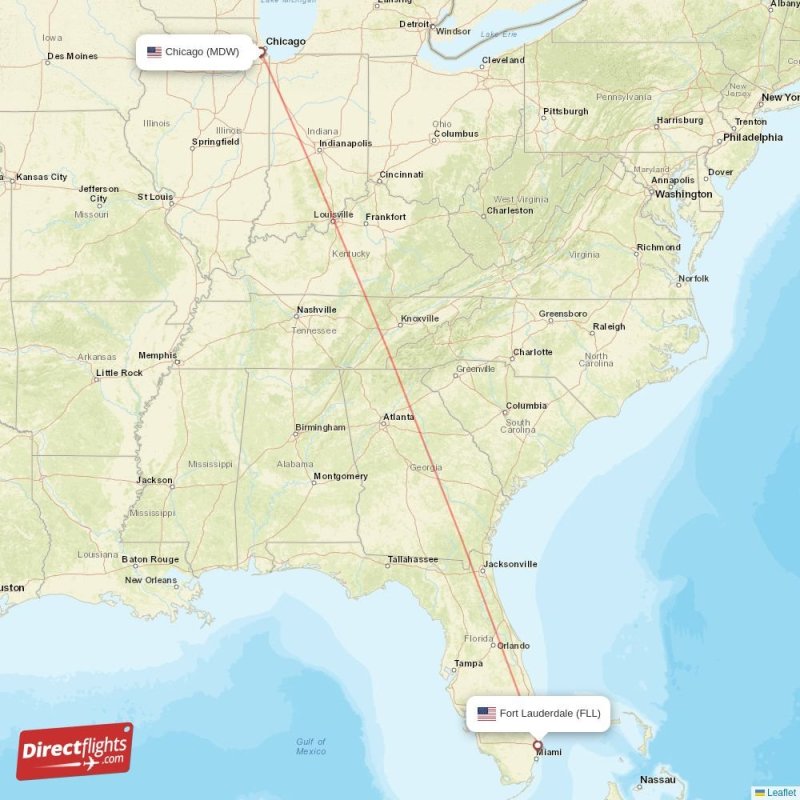
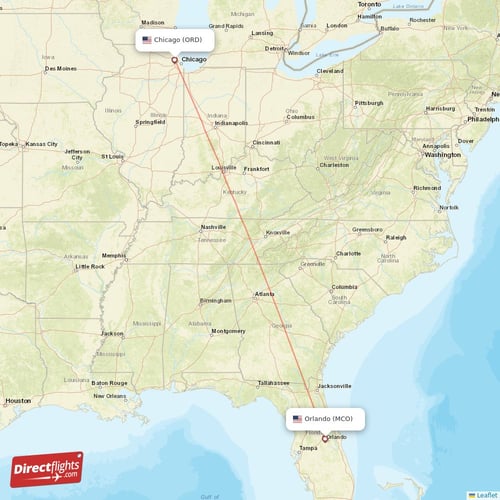
When consulting a map, one might initially look at the straight-line or “as the crow flies” distance. This aerial measurement typically places Chicago roughly 900 to 1,200 miles from various points in Florida, depending on the specific destination. For instance, Orlando, a central tourist hub, is approximately 1,000 miles away as the crow flies, while Miami is closer to 1,200 miles.
However, practical travel, especially by road, never follows a straight line. Road networks are designed to navigate terrain, connect cities, and follow established routes. Therefore, the actual driving distance is considerably longer. To reach popular Florida destinations like Orlando or Tampa from Chicago, you can expect to cover approximately 1,100 to 1,250 miles. For destinations further south, such as Miami or the Florida Keys, the distance can extend to 1,350 to 1,500 miles.
Estimated Driving Routes and Time
A road trip from Chicago to Florida typically involves driving south through a corridor of states. The most common route generally utilizes I-65 South through Indiana and Kentucky, connecting to I-24 East, then I-75 South through Tennessee, Georgia, and finally into Florida. This route offers a fairly direct path and is well-maintained, passing through or near major cities like Indianapolis, Louisville, Nashville, and Atlanta.
The driving time for this journey is significant. Assuming an average driving speed of around 60-65 miles per hour (accounting for variations in speed limits, traffic, and brief stops), the pure driving time to central Florida (e.g., Orlando) would be approximately 18 to 21 hours. However, it’s unrealistic to drive for this length of time continuously. Most travelers opt to break up the journey, transforming it into a two-day or even three-day road trip. This allows for adequate rest, sightseeing, and avoids driver fatigue, significantly enhancing safety and enjoyment.
Factors that can influence the actual driving time include:
- Traffic: Congestion around major metropolitan areas (Chicago, Indianapolis, Nashville, Atlanta) can add hours to the trip, especially during peak travel times or holidays.
- Construction: Roadwork can cause delays and detours.
- Weather Conditions: Heavy rain, snow (in northern states during winter), or even strong winds can necessitate slower speeds.
- Rest Stops and Meals: Frequent breaks for stretching, refueling, and eating are essential but add to the overall travel duration.
Key Stopover Cities
To make the lengthy drive manageable and enjoyable, planning a stopover is highly recommended. Several cities along the main interstate corridors offer excellent options for an overnight stay or a longer break.
- Nashville, Tennessee: Roughly 8-9 hours into the drive from Chicago, Nashville is a vibrant city known for its country music scene, delicious food, and friendly atmosphere. It serves as an ideal midpoint for many travelers heading to central or southern Florida.
- Atlanta, Georgia: Approximately 11-12 hours from Chicago, Atlanta is another excellent option. It’s a major hub with plenty of accommodations, dining, and attractions like the World of Coca-Cola and the Georgia Aquarium. For those heading to northern Florida destinations like Jacksonville, Atlanta might be a closer first stop.
- Chattanooga, Tennessee: Situated on the Tennessee River, Chattanooga is about 9-10 hours from Chicago. It offers scenic beauty, outdoor activities, and family-friendly attractions like the Tennessee Aquarium and Rock City.
Strategically placed stopovers can transform a grueling drive into an enjoyable road trip experience, allowing travelers to explore new places along the way.
Flying: The Fastest Route
For those prioritizing speed and minimizing travel time, flying is undoubtedly the most efficient way to bridge the distance between Chicago and Florida. The journey by air drastically reduces the time spent in transit, making it a popular choice for vacations and business travel alike.
Major Airports in Chicago and Florida
Chicago is exceptionally well-served by two major international airports:
- O’Hare International Airport (ORD): One of the busiest airports in the world, offering a vast array of domestic and international flights, including numerous direct routes to Florida.
- Midway International Airport (MDW): A smaller, but still very active airport, particularly favored by budget airlines and offering convenient access to downtown Chicago.
Florida boasts several large international airports catering to its massive tourism industry and resident population:
- Orlando International Airport (MCO): The primary gateway to Walt Disney World and Universal Orlando Resort, making it a popular choice for family vacations.
- Miami International Airport (MIA): A major hub for international travel, particularly to Latin America and the Caribbean, and a gateway to South Florida.
- Fort Lauderdale-Hollywood International Airport (FLL): A popular alternative to MIA, especially for those flying budget airlines or heading to the greater Fort Lauderdale area.
- Tampa International Airport (TPA): Serves the Tampa Bay area, known for its beautiful beaches, Busch Gardens, and cruise departures.
- Southwest Florida International Airport (RSW) in Fort Myers: A growing airport serving the popular Southwest Florida region.
Flight Duration and Considerations
Direct flights from Chicago to central or southern Florida typically range from 2 hours and 30 minutes to 3 hours and 30 minutes in the air. This rapid transit time is the biggest advantage of flying.
However, the total travel time from door-to-door is longer and involves several factors:
- Pre-flight activities: This includes travel to the airport, check-in, security screening, and boarding. Depending on the airport and time of day, this can easily add 2-3 hours.
- Post-flight activities: Deplaning, baggage claim, and ground transportation from the arrival airport to your final destination in Florida can add another 1-2 hours.
- Layovers: While many direct flights are available, especially to major Florida airports, connecting flights will significantly increase overall travel time, potentially to 6-8 hours or more.
Considering all these elements, the total travel time for a flight from Chicago to Florida can realistically range from 5 hours (for a very smooth direct flight) to an entire day if layovers or delays are involved.

Cost Factors and Booking Tips
Flight costs vary widely based on several factors:
- Time of Year: Peak seasons (e.g., winter holidays, spring break, summer) see significantly higher prices. Off-peak travel (e.g., late August, September, January) typically offers better deals.
- Booking in Advance: Generally, booking flights several weeks or months in advance yields lower fares than last-minute purchases.
- Airline Choice: Budget carriers often offer lower base fares but may charge extra for baggage, seat selection, and other services. Full-service airlines might have higher initial prices but include more amenities.
- Flexibility: Being flexible with travel dates and times, or even the specific Florida airport, can unlock better deals.
Booking Tips:
- Use flight comparison websites to scout for the best deals.
- Consider flying into alternative Florida airports (e.g., Fort Lauderdale instead of Miami for south Florida, or Sanford instead of Orlando International Airport for central Florida).
- Sign up for airline newsletters and fare alerts to be notified of sales.
- Travel during weekdays or early mornings/late evenings often results in cheaper fares and less crowded airports.
Alternative Modes of Transport
While driving and flying are the most common ways to travel from Chicago to Florida, other options exist for those seeking different experiences, budgets, or logistical solutions.
Bus Travel
Bus travel offers a cost-effective alternative for budget-conscious travelers. Companies like Greyhound operate extensive networks across the U.S., connecting Chicago to various cities in Florida.
- Affordability: Bus tickets are often significantly cheaper than flights or the cost of gas for a solo driver.
- Duration: The trade-off for affordability is time. A bus journey from Chicago to central Florida can take anywhere from 24 to 30+ hours, depending on the number of stops, transfers, and route taken. This is generally longer than the pure driving time.
- Comfort: Modern buses have improved amenities like Wi-Fi, power outlets, and more comfortable seating, but long-haul journeys can still be tiring. It’s an excellent option for those who don’t mind the extended travel time and enjoy the convenience of not driving.
Train Travel
Train travel via Amtrak provides a more relaxed and scenic journey compared to flying or driving, albeit at a slower pace.
- Routes: While there isn’t a direct single train route from Chicago straight to Florida without transfers, travelers can connect through various hubs. One common option involves taking the City of New Orleans line south from Chicago to New Orleans, and then connecting to the Crescent route or other services that eventually lead to Florida.
- Duration: Train journeys are considerably longer than driving or flying, often taking 28-40+ hours, including transfers.
- Experience: Amtrak offers a different travel experience, allowing passengers to relax, enjoy the scenery, walk around, and dine in a dining car. Sleeper cars are available for overnight segments, providing a more comfortable rest.
- Auto Train: A unique Amtrak service, the Auto Train, runs from Lorton, Virginia (near Washington D.C.), to Sanford, Florida (near Orlando). Travelers from Chicago would first need to drive their car to Lorton, then load it onto the train for an overnight journey. This is ideal for those who want their car in Florida but prefer not to drive the entire distance.
Car Shipping Services
For individuals relocating or planning an extended stay in Florida who wish to have their vehicle without enduring the long drive, car shipping services are an option. Companies specialize in transporting vehicles across states, delivering them to a specified location in Florida. This allows travelers to fly to their destination and have their car awaiting them, offering convenience but at an additional cost.
Planning Your Florida Journey from Chicago
Regardless of the chosen mode of transport, meticulous planning is key to a stress-free and enjoyable journey from Chicago to Florida.
Best Time to Travel
The ideal time to travel often depends on individual preferences and the purpose of the trip:
- Winter (December to February): Popular for those escaping the cold Chicago winters. Expect pleasant temperatures in Florida but higher prices and larger crowds, especially around holidays and major events.
- Spring (March to May): Excellent weather in Florida, with comfortable temperatures and less humidity. Spring break periods can be crowded and expensive, but late April and May often offer a sweet spot before summer heat.
- Summer (June to August): Hot and humid in Florida, with frequent afternoon thunderstorms and the start of hurricane season. Prices might be lower outside of major holidays, but crowds at theme parks remain high due to school vacations.
- Fall (September to November): Generally good weather, especially from October onwards, with fewer crowds and more moderate prices compared to winter. Hurricane season is still active in early fall, so travel insurance is advisable.
Packing Essentials
Packing should be tailored to your mode of travel and final destination in Florida:
- For Driving: Pack an emergency kit (first-aid, jumper cables, flashlight), road trip snacks, water, entertainment for passengers, and comfortable clothing. Don’t forget car chargers for devices and physical maps as a backup.
- For Flying: Adhere strictly to airline baggage rules. Pack light if possible to avoid checked baggage fees. Keep essentials like medications, chargers, and a change of clothes in your carry-on in case of delays.
- For Florida: Regardless of how you get there, remember sunscreen, swimwear, light clothing, comfortable walking shoes, sunglasses, and a hat. Even in winter, days can be warm, but evenings can be cool, so a light jacket or sweater is useful.
Budgeting for the Trip
A comprehensive budget is crucial:
- Transportation: Flights (ticket cost, baggage fees, airport transfers) or Driving (gas, tolls, accommodation for stopovers, car maintenance, potential car rental).
- Accommodation: Hotel stays, resort fees, vacation rentals.
- Food: Dining out, groceries for self-catering, snacks.
- Activities & Attractions: Theme park tickets, museum admissions, beach activities, tours.
- Miscellaneous: Souvenirs, emergency fund, travel insurance.
Factor in variable costs like fluctuating gas prices for road trips or dynamic pricing for flights.
Safety and Preparedness
Prioritize safety throughout your journey:
- Road Safety: Ensure your vehicle is in good condition. Get enough rest before driving. Share driving responsibilities if traveling with others. Be aware of speed limits and traffic laws in each state. Have roadside assistance (e.g., AAA).
- Flight Safety: Arrive early at the airport. Stay informed about flight status. Pack valuables and essential documents in your carry-on.
- Personal Safety: Be aware of your surroundings in unfamiliar areas. Inform someone of your travel plans. Keep copies of important documents.
- Travel Insurance: Consider purchasing travel insurance, especially if traveling during hurricane season or with non-refundable bookings, to protect against unforeseen cancellations, delays, or medical emergencies.
The distance from Chicago to Florida is considerable, but it is a highly traveled route with well-established infrastructure and numerous options to suit every traveler’s needs and preferences. Whether you choose the efficiency of air travel, the adventure of a road trip, or the unique experience of a train journey, thorough planning will ensure your transition from the Midwest to the Sunshine State is a smooth and memorable part of your travel story.
LifeOutOfTheBox is a participant in the Amazon Services LLC Associates Program, an affiliate advertising program designed to provide a means for sites to earn advertising fees by advertising and linking to Amazon.com. Amazon, the Amazon logo, AmazonSupply, and the AmazonSupply logo are trademarks of Amazon.com, Inc. or its affiliates. As an Amazon Associate we earn affiliate commissions from qualifying purchases.