
The question “How far is Florida from North Carolina?” is more complex than a simple mileage count; it encompasses a journey through diverse landscapes, vibrant cities, and a wealth of travel experiences. For anyone considering a trip between these two iconic U.S. states, understanding the distance is merely the starting point. The true measure involves considering the time commitment, the various modes of transportation available, and the myriad attractions that lie along the way or at the destination. From the majestic mountains and pristine coastline of North Carolina to Florida’s sun-drenched beaches and world-renowned theme parks, the journey between them promises adventure, relaxation, or business opportunities, depending on your purpose.
Whether you’re planning a family vacation, a romantic getaway, a business trip, or even contemplating a long-term move, assessing the distance and the logistical aspects of travel is paramount. This comprehensive guide will delve into the precise distances, travel times by different means, ideal routes, and essential considerations for making your journey as smooth and enjoyable as possible. We’ll explore everything from the classic American road trip to the convenience of air travel, and touch upon the unique destinations that make both states perennial favorites for travelers worldwide.
The Geographic Overview: Distance and Driving Time
At its core, the distance between Florida and North Carolina varies significantly depending on your specific starting point and destination within each state. Both are large states with considerable north-south and east-west spans, meaning a trip from the northern tip of North Carolina to the southern tip of Florida will be vastly different from a journey between their closest borders.
Understanding the Route
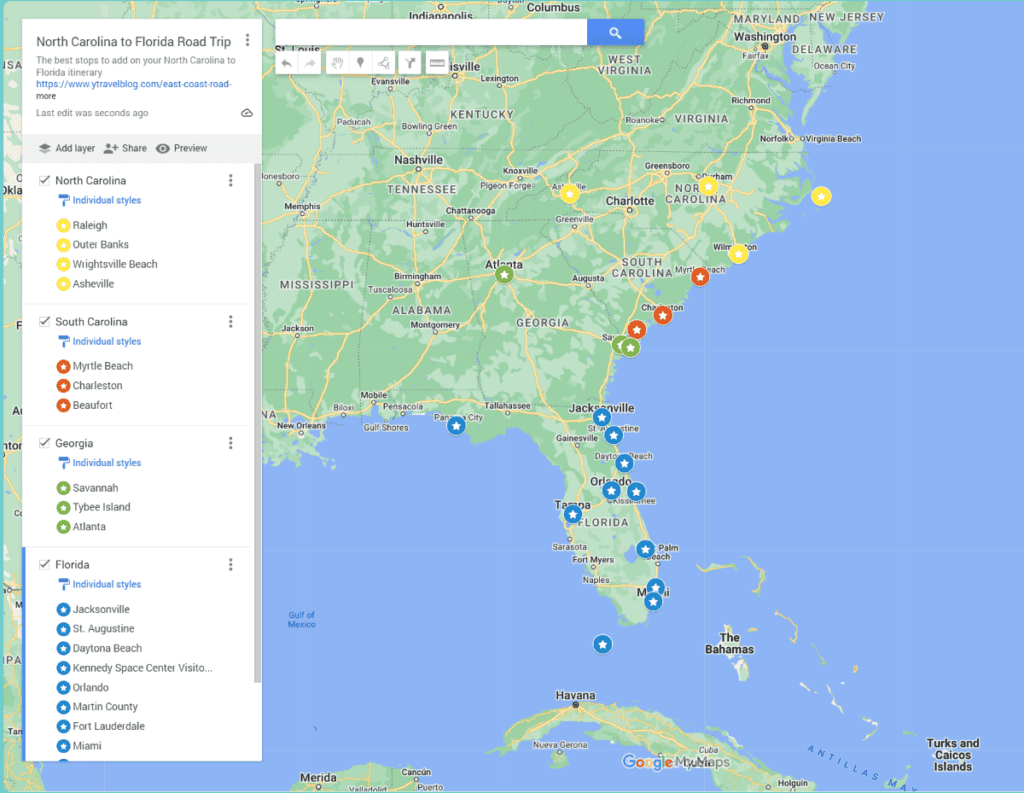
The most common and direct route for travelers driving between Florida and North Carolina is Interstate 95 (I-95). This major north-south artery serves as the backbone of road travel along the East Coast, offering a relatively straightforward and well-maintained path. I-95 cuts through the coastal plains of both states, passing through South Carolina and Georgia in between. While it’s the quickest route, travelers seeking a more scenic drive might consider detours along coastal highways or through charming historic towns, though these will add to the overall travel time.
Key Distances Between Major Cities
To provide a clearer picture, let’s examine some popular city-to-city routes:
-
Charlotte, North Carolina to Orlando, Florida: This is one of the most frequently traveled routes, often connecting North Carolina’s largest city to Florida’s theme park capital. The distance is approximately 550-600 miles (885-965 km). Driving time typically ranges from 8 to 10 hours without significant stops, depending on traffic and road conditions.
-
Raleigh, North Carolina to Miami, Florida: Connecting the capital of North Carolina to the vibrant metropolis of South Florida represents a longer haul. The distance is about 750-800 miles (1207-1287 km). This journey usually takes 11 to 13 hours of driving time, often necessitating an overnight stop for safety and comfort.
-
Asheville, North Carolina to Jacksonville, Florida: For those starting in the mountainous western part of North Carolina and heading to Northeast Florida, the route would primarily involve heading east to connect with I-95. The distance is roughly 470-500 miles (756-805 km), with an estimated driving time of 7 to 9 hours.
-
Wilmington, North Carolina to Tampa, Florida: This route connects two significant coastal cities. The distance is approximately 600-650 miles (965-1046 km), requiring about 9 to 11 hours of driving.
These figures represent pure driving time. When planning a trip, it’s crucial to factor in stops for fuel, meals, stretching, and potential traffic delays, especially around major metropolitan areas or during peak travel seasons. For longer journeys, splitting the drive into two days with an overnight stay can significantly enhance the experience and reduce driver fatigue.
Navigating the Journey: Transportation Options
Choosing the right mode of transportation between Florida and North Carolina depends on your priorities, including budget, time constraints, comfort, and the nature of your trip. Each option offers a distinct travel experience.
Driving: The Classic Road Trip
Driving is arguably the most popular way to travel between these two states, offering unparalleled flexibility and the opportunity for a quintessential American road trip.
- Advantages: You control your schedule, can stop wherever and whenever you like, and have the freedom to explore off-the-beaten-path attractions. It’s often the most cost-effective option for families or groups, as you’re not paying per person. You can also bring more luggage and personal items without additional fees. Car rental services are widely available in both states, providing options for those who don’t want to put miles on their own vehicle.
- Disadvantages: Long drives can be tiring, and fuel costs, tolls, and potential car maintenance issues can add up. Traffic congestion, especially around cities like Fayetteville, Columbia, Savannah, or Jacksonville, can significantly impact travel time. Consider sharing driving responsibilities to mitigate fatigue.
Flying: Quickest and Most Convenient
For those short on time or averse to long drives, flying is the fastest way to bridge the distance. The flight duration between major airports is typically 1.5 to 2 hours, not including airport arrival/departure processes.
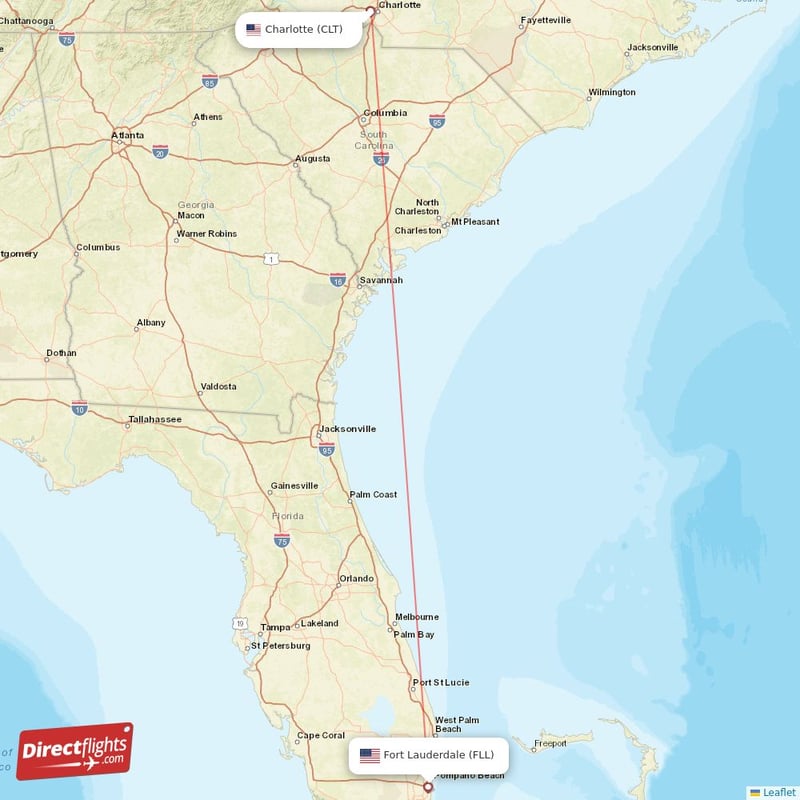
- Major Airports in North Carolina: Charlotte Douglas International Airport (CLT) in Charlotte and Raleigh-Durham International Airport (RDU) in Raleigh are the primary hubs, offering numerous direct flights to Florida.
- Major Airports in Florida: Orlando International Airport (MCO), Miami International Airport (MIA), Fort Lauderdale-Hollywood International Airport (FLL), and Jacksonville International Airport (JAX) are among the busiest, providing extensive connectivity.
- Booking Tips: Booking flights in advance, being flexible with travel dates, and utilizing fare comparison websites can help secure the best deals. Consider flying into smaller regional airports if they are closer to your final destination, as they sometimes offer competitive pricing.
Bus and Train Travel: Budget-Friendly Alternatives
For travelers on a budget or those who prefer to avoid driving or flying, bus and train services offer viable alternatives.
- Bus Services: Companies like Greyhound operate extensive networks connecting cities across the U.S., including frequent routes between North Carolina and Florida. While generally the most economical option, bus travel is also the slowest, often taking significantly longer than driving due to multiple stops and transfers.
- Train Travel: Amtrak offers scenic and comfortable train journeys along the East Coast. Routes like the “Silver Star” and “Silver Meteor” connect cities like Raleigh, Fayetteville, and Rocky Mount in North Carolina to various destinations in Florida, including Orlando, Tampa, and Miami. Train travel can be a relaxing way to see the landscape without the stress of driving, with amenities like dining cars and sleeper services available. However, it’s typically more expensive than bus travel and may not be as fast or direct as flying.
Planning Your Trip: What to Consider
Successful travel between Florida and North Carolina goes beyond just picking a mode of transport. Thoughtful planning concerning timing, accommodation, and potential stopovers can significantly enhance the overall experience.
Ideal Travel Times and Seasons
The best time to travel largely depends on your destination and preferences.
- Peak Seasons: Florida experiences peak tourist seasons during winter (November to April), especially around major holidays, as visitors flock to escape colder climates. Theme parks and coastal areas are particularly crowded and expensive during this period. North Carolina’s peak seasons are typically summer (June to August) for its beaches and mountains, and fall (September to October) for leaf-peeping in the Blue Ridge Mountains.
- Weather Considerations: Florida summers are hot, humid, and prone to afternoon thunderstorms and the hurricane season (June 1 to November 30). Traveling during this period might offer lower prices but comes with weather risks. North Carolina enjoys mild springs and autumns, which are often considered ideal for outdoor activities. Winters are generally mild, but mountain regions can experience snow and ice.
- Off-Peak Travel: Traveling during shoulder seasons (late spring/early fall) often means fewer crowds, milder weather, and potentially better deals on flights and accommodations.
Accommodation and Stopovers
For longer drives, planning an overnight stop is highly recommended. Not only does it break up the journey, but it also allows you to explore charming towns along the way.
- Popular Stopover Cities: Savannah, Georgia, and Charleston, South Carolina are two of the most popular and picturesque stopover points along I-95. Both cities offer rich history, exquisite dining, and a variety of hotels, from luxury resorts to budget-friendly inns. Other options include cities like Florence, South Carolina, or Brunswick, Georgia, which offer convenient lodging close to the interstate.
- Accommodation Types:
- Hotels & Resorts: Ranging from budget-friendly motels to luxury resorts, there are options for every traveler. Many are conveniently located off major highways. Websites like lifeoutofthebox.com provide extensive reviews and booking comparisons for a wide array of properties, including suites, family resorts, and business hotels.
- Vacation Rentals: For longer stays or group travel, renting an apartment or villa through platforms like Airbnb or VRBO can offer more space, privacy, and amenities like kitchens, which can be cost-effective.
- Campgrounds: If you’re an outdoor enthusiast, both states offer numerous campgrounds, especially near national and state parks.
- Booking Strategy: Always book accommodation in advance, especially during peak seasons or when traveling to popular destinations. Comparison websites and loyalty programs can help secure the best rates and amenities. Consider long-term stay options if your trip extends beyond a few days, as many hotels offer discounted weekly or monthly rates.
Exploring Beyond the Distance: Destinations and Experiences
The journey between Florida and North Carolina isn’t just about covering miles; it’s about connecting with distinct cultures, histories, and natural wonders. Both states offer an incredible array of attractions that cater to every type of traveler, from those seeking adventure to those desiring relaxation.
North Carolina’s Charms
North Carolina boasts a diverse landscape that spans from the majestic peaks of the Appalachian Mountains to the barrier islands of the Atlantic Ocean.
- Mountain Escapes: The Blue Ridge Mountains offer breathtaking scenic drives along the Blue Ridge Parkway, world-class hiking, charming mountain towns like Asheville (known for its vibrant arts scene and craft breweries), and outdoor adventures such as whitewater rafting and ziplining.
- Coastal Delights: The Outer Banks are famous for their wild beaches, historic lighthouses (like Cape Hatteras Lighthouse), and opportunities for surfing, fishing, and wild horse spotting. Further south, cities like Wilmington offer historic districts, riverfront walks, and access to popular beaches like Carolina Beach and Wrightsville Beach.
- Piedmont’s Hubs: In the central Piedmont region, Charlotte serves as a major financial and cultural center with attractions like the NASCAR Hall of Fame and a thriving culinary scene. Raleigh, the state capital, along with neighboring Durham and Chapel Hill (the “Research Triangle”), offers museums, universities, and diverse dining options.
- Lifestyle: Whether you’re into luxury travel staying in elegant resorts in the mountains or budget travel exploring state parks and camping, North Carolina caters to various lifestyles. Family trips often involve beach vacations or mountain cabin rentals, while business stays are common in Charlotte and Raleigh.
Florida’s Allure
Florida, the “Sunshine State,” is a global tourism powerhouse, renowned for its diverse attractions and warm climate.
- Theme Park Capital: Orlando is home to world-famous theme parks like Walt Disney World Resort, Universal Orlando Resort, and SeaWorld Orlando, offering endless entertainment for families and thrill-seekers.
- Stunning Beaches: From the sugar-white sands of the Florida Panhandle (e.g., Destin, Panama City Beach) to the vibrant shores of South Beach, Miami, and the tranquil beauty of the Gulf Coast (e.g., Siesta Key, St. Pete Beach), Florida’s coastline is a major draw.
- Unique Nature & Wildlife: Explore the unique ecosystem of Everglades National Park with airboat rides, spot alligators and various bird species. Discover crystal-clear springs for swimming and snorkeling, or venture to the tropical paradise of Key West and the Florida Keys, known for their vibrant coral reefs and relaxed atmosphere.
- Historic & Cultural Sites: St. Augustine, the oldest continuously inhabited European settlement in the U.S., offers rich history, cobblestone streets, and historic landmarks like the Castillo de San Marcos. Miami boasts a vibrant Latin American culture, art deco architecture, and a lively nightlife.
- Tourism and Accommodation: Florida’s tourism infrastructure is vast, offering everything from luxury hotels in South Beach and grand resorts near theme parks to cozy villas and budget-friendly apartments. Local culture is celebrated through food, festivals, and diverse communities.
The distance between Florida and North Carolina is substantial, spanning several hundred miles and requiring a significant time commitment regardless of your chosen mode of transport. However, this journey is more than just a calculation of miles and hours; it’s an opportunity for discovery, relaxation, and memorable experiences. Whether you choose the open road, the speed of air travel, or the comfort of a train, both states stand ready to offer unique adventures that make the journey worthwhile. By understanding the distances, exploring transportation options, and planning wisely for accommodation and potential stopovers, your trip between these two beloved U.S. states will undoubtedly be a rewarding one.
LifeOutOfTheBox is a participant in the Amazon Services LLC Associates Program, an affiliate advertising program designed to provide a means for sites to earn advertising fees by advertising and linking to Amazon.com. Amazon, the Amazon logo, AmazonSupply, and the AmazonSupply logo are trademarks of Amazon.com, Inc. or its affiliates. As an Amazon Associate we earn affiliate commissions from qualifying purchases.