
The journey from the bustling metropolis of Seattle, WA to the enigmatic, rain-kissed town of Forks, WA is a quintessential Pacific Northwest road trip, offering a dramatic shift in scenery and atmosphere. Whether you’re drawn by the allure of its famous literary connections, the promise of ancient rainforests, or simply the desire for a coastal escape, understanding the distance and travel time is crucial for planning your adventure. This guide delves into the practicalities of navigating this route, exploring the various options available, and highlighting the scenic wonders that await along the way.
Understanding the Distance and Travel Time
The direct driving distance between Seattle, WA and Forks, WA is approximately 145 to 150 miles, depending on the specific route taken. However, it is essential to recognize that this is not a journey that can be completed in a straightforward, traffic-free manner. The mountainous terrain and the presence of ferry crossings significantly influence the travel time.
Driving Distances and Estimated Times
The most common and generally recommended driving route from Seattle, WA to Forks, WA involves crossing Puget Sound. This typically means driving west from Seattle towards the Olympic Peninsula.
-
Via Bainbridge Island Ferry: This route usually involves taking WA-3 N to WA-104 W across the Tacoma Narrows Bridge (a toll bridge), then heading towards Bainbridge Island for the ferry crossing to Seattle (or vice versa if starting in Forks). After disembarking, you would then take WA-3 N to WA-104 W, continuing on US-101 W towards Forks. The total driving time, excluding ferry wait times and the ferry journey itself, is typically between 3 hours and 3 hours 30 minutes. The ferry ride is about 35 minutes.
-
Via Edmonds-Kingston Ferry: An alternative ferry route involves heading north from Seattle to Edmonds to catch the ferry to Kingston. From Kingston, you would then drive west on WA-104 W, eventually connecting with US-101 W towards Forks. This route can also take around 3 hours to 3 hours 30 minutes of driving time, plus ferry wait and travel.
Factors Affecting Travel Time:
- Ferry Schedules and Wait Times: The Washington State Ferries system is integral to this journey. Schedules can vary by season and day of the week. During peak travel times, weekends, and holidays, ferry wait times can extend significantly, sometimes by an hour or more. It is highly recommended to check the ferry schedules and consider making reservations if available, or arriving early.
- Traffic: Seattle and its surrounding areas are prone to traffic congestion, especially during morning and evening commutes. Planning your departure to avoid these peak hours can save considerable time.
- Road Conditions: Weather can play a role, particularly during the wetter months. Snow and ice are less common on the primary routes to Forks due to its coastal location, but mountain passes further afield can be affected. Autumn and winter can bring heavy rain, which may slow driving speeds.
- Construction: Road construction projects can cause delays. Checking local traffic advisories before you depart is always a good practice.
Alternative Transportation Options
While driving is the most popular and flexible way to reach Forks, WA, other options exist, though they often involve multiple legs or less direct routes.
- Public Transportation (Complex): A direct public transportation route from Seattle, WA to Forks, WA is not readily available. It would likely involve a combination of Sound Transit buses or light rail within the Seattle area, followed by longer-haul bus services that might connect to towns on the Olympic Peninsula, and then potentially a local bus or taxi to Forks. This would be a time-consuming and complex journey, making it impractical for most travelers.
- Private Shuttles and Taxis: For those seeking a more comfortable and direct, albeit more expensive, option, private shuttle services or pre-booked taxis can be arranged. These services are not widely advertised and would require advance booking, often from Seattle or one of the larger towns on the Olympic Peninsula.
Navigating the Route: Key Waypoints and Scenery
The drive to Forks, WA is as much about the journey as the destination, offering a captivating transition from urban landscapes to the wild beauty of the Pacific Northwest.
Crossing Puget Sound
The ferry crossing is a defining element of this trip. Whether you choose the Bainbridge Island or Edmonds route, the experience provides stunning panoramic views of Puget Sound, the Olympic Mountains, and the Seattle skyline.
- Onboard Experience: The ferries are well-equipped with amenities, including cafes and comfortable seating. This is an excellent opportunity to stretch your legs, grab a snack, and soak in the coastal scenery. Keep an eye out for marine life, such as seals and various seabirds.
- Disembarking: Upon arrival on the Olympic Peninsula, the landscape begins to shift. You’ll leave the immediate coastal influence and start heading inland towards denser forests.
The Olympic Peninsula and US-101
Once you’ve crossed Puget Sound and are on the Olympic Peninsula, US-101 West becomes your primary artery towards Forks. This highway winds through a variety of landscapes, showcasing the diverse ecosystems of the region.
- From Ferry Terminals to Port Angeles: Depending on your ferry route, you’ll navigate through charming towns and eventually join US-101. The drive towards Port Angeles offers glimpses of the rugged coastline and the imposing presence of the Olympic Mountains.
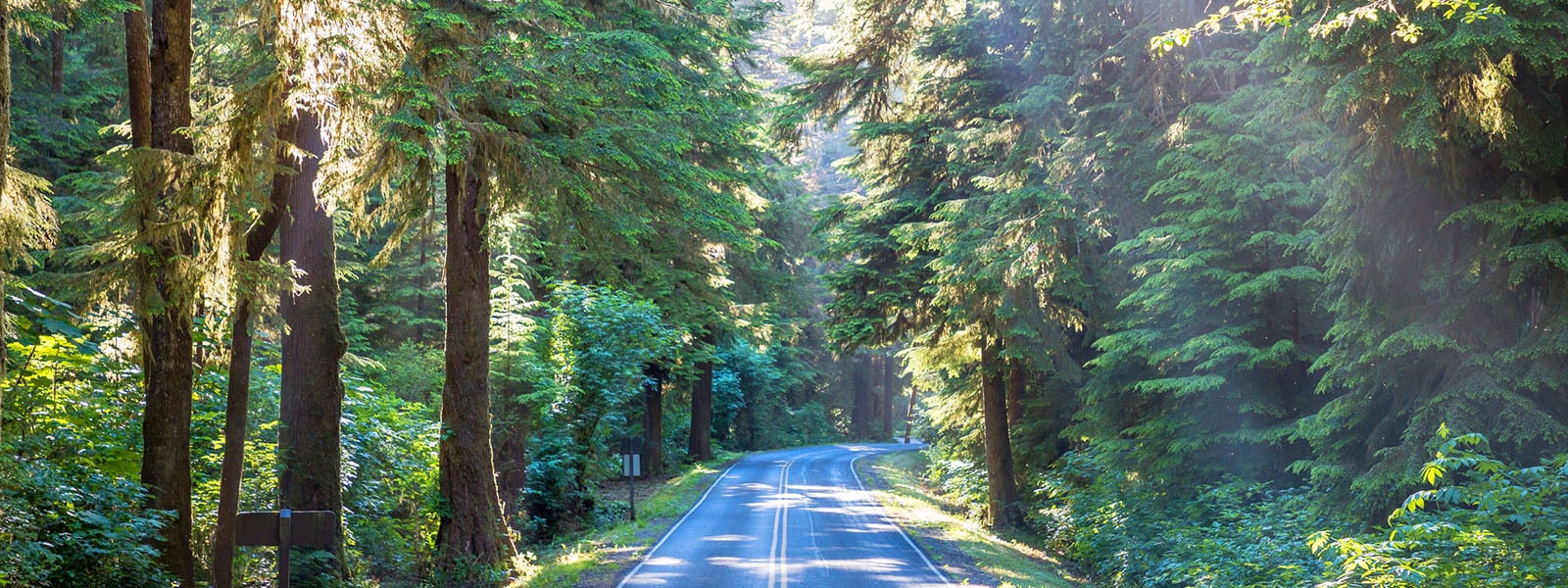
- The Drive to Forks: As you continue west on US-101 past Lake Crescent (a spectacular glacial lake worth a stop if time permits), the highway enters the heart of the Olympic National Forest. The trees grow taller, the air becomes cooler and damper, and you’ll feel the profound sense of entering a different, more ancient world. The road meanders, offering tantalizing views of moss-draped trees and fern-laden undergrowth.
Notable Stops and Detours
While the direct drive is straightforward, there are several points of interest along the way that can enhance your journey and offer a richer experience of the Olympic Peninsula.
- Port Angeles: The largest city on the northern Olympic Peninsula, Port Angeles serves as a gateway to Olympic National Park. It offers amenities like restaurants, lodging, and shops. It’s also the starting point for accessing Hurricane Ridge, which provides breathtaking alpine views.
- Lake Crescent: Located just west of Port Angeles on US-101, this stunningly clear, deep blue lake is a major natural attraction. There are opportunities for hiking, kayaking, and simply enjoying the majestic scenery. The historic Lake Crescent Lodge is a beautiful place to stop for a meal or a break.
- Sol Duc Falls Trail: A short detour off US-101 near Lake Crescent leads to the Sol Duc Hot Springs and the popular Sol Duc Falls Trail, a relatively easy hike through lush rainforest to a picturesque waterfall.
- Hoh Rainforest Visitor Center: While technically a detour slightly past Forks and requiring a drive on a smaller road, no trip to Forks is complete without experiencing the iconic Hoh Rainforest. This is one of the best examples of temperate rainforest in the United States, with colossal trees draped in moss and ferns creating an ethereal, otherworldly atmosphere.
Planning Your Trip to Forks
With the distance and travel times understood, the next step is to plan your visit to Forks, WA effectively.
Accommodation Options in Forks
Forks, WA itself is a small town, and its accommodation options reflect this. It primarily caters to visitors drawn by the natural attractions and its unique cultural significance.
- Motels and Inns: The most common type of lodging found in Forks are motels and small inns. These provide basic, clean, and comfortable rooms. Examples include the Pacific Inn Motel and the Forks Motel. They are typically conveniently located for exploring the town and its surroundings.
- Vacation Rentals: For those seeking more space or a self-catering option, vacation rentals can be found in and around Forks. These might range from small cabins to larger houses, offering a more home-like experience.
- Camping: For the adventurous, camping is an excellent option. Numerous campgrounds are located within the nearby Olympic National Forest and Olympic National Park. These offer a chance to fully immerse yourself in the natural environment. Popular options include sites near Hoh Rainforest or along the Pacific Coast.
What to Pack for Your Journey
Given the climate and activities around Forks, WA, thoughtful packing is essential.
- Rain Gear: This is non-negotiable. Waterproof and windproof jackets and pants are crucial, even in summer.
- Sturdy Footwear: Comfortable, waterproof hiking boots or shoes are essential for exploring the rainforests and trails.
- Layered Clothing: The weather can change rapidly. Pack layers including t-shirts, long-sleeved shirts, fleeces, and a warm jacket.
- Insect Repellent: Especially during warmer months, biting insects can be prevalent in forested areas.
- Sun Protection: While it’s known for rain, the sun can be strong, especially on clear days and at higher elevations.
- Camera: You’ll want to capture the stunning scenery.
- Navigation Tools: While GPS is useful, consider downloading offline maps or carrying a physical map, as cell service can be spotty in remote areas.
Experiencing Forks and the Olympic Peninsula
The destination of Forks, WA is intrinsically linked to the natural wonders and unique atmosphere of the Olympic Peninsula.
Literary and Cultural Significance
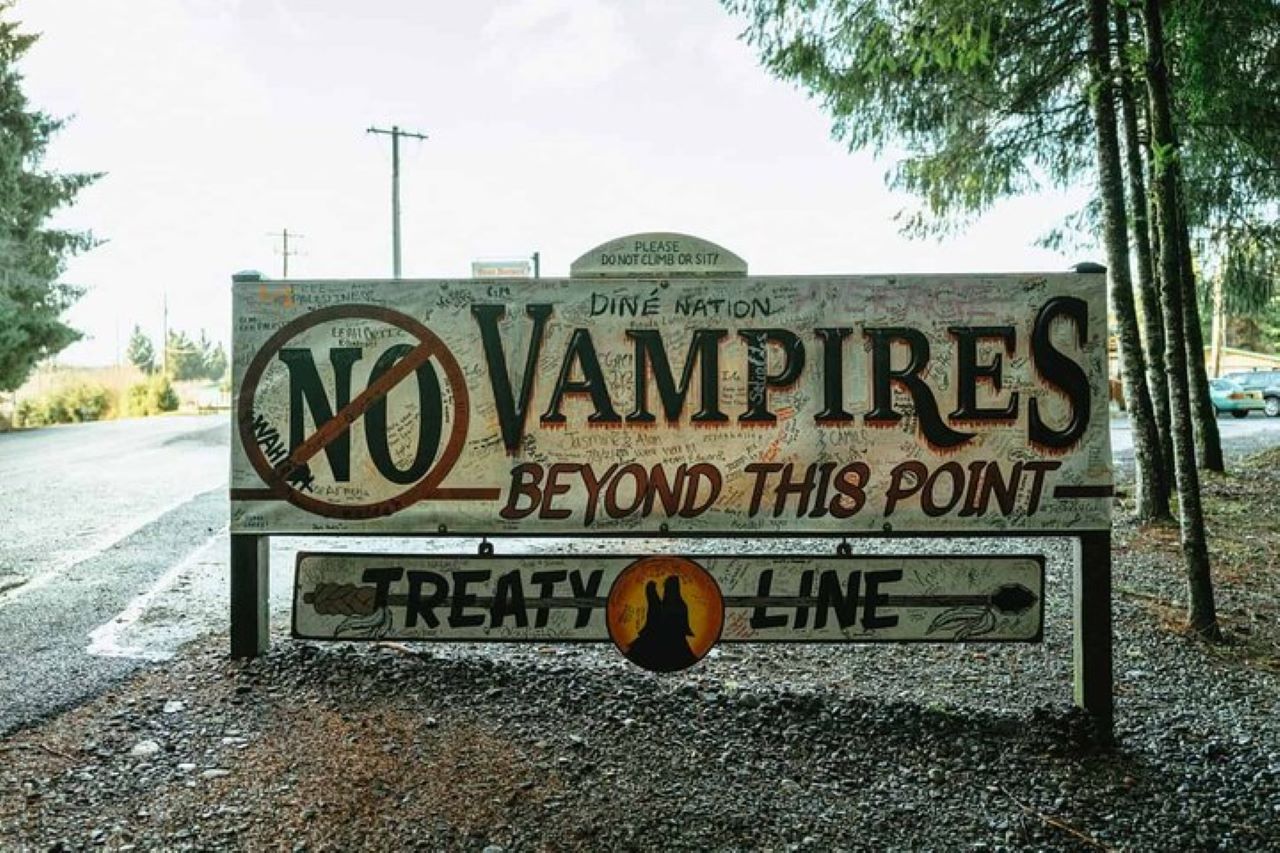
Forks, WA gained international fame as the setting for Stephenie Meyer’s “Twilight” series. This has brought a unique demographic of visitors to the town, seeking out filming locations and experiencing the “Twilight” phenomenon firsthand. While this aspect draws a specific crowd, it’s important to remember that the town’s primary allure lies in its unparalleled access to nature.

Natural Attractions Galore
The true draw of Forks, WA is its proximity to some of the most breathtaking natural landscapes in the United States.
-
Olympic National Park: This UNESCO World Heritage Site encompasses three distinct ecosystems: temperate rainforests, rugged mountains, and over 70 miles of wild Pacific coastline.
- Rainforests: As mentioned, the Hoh Rainforest is a must-visit. Other rainforest areas like the Quinault Rainforest also offer incredible hiking and visual splendor.
- Coastline: Nearby beaches such as Rialto Beach, Ruby Beach, and La Push (home to the Quileute Nation) offer dramatic sea stacks, tide pools, and opportunities for beachcombing and storm watching.
- Mountains: While a significant drive from Forks, the mountainous interior of the park, including areas accessible from Port Angeles like Hurricane Ridge, provides a starkly different, yet equally stunning, alpine environment.
-
Olympic National Forest: This vast forest surrounds the national park and offers numerous opportunities for hiking, camping, fishing, and wildlife viewing. The Sol Duc River runs through this area, offering scenic beauty and recreational activities.
In conclusion, the journey from Seattle, WA to Forks, WA is an enriching travel experience. Understanding the distances, potential delays, and the most efficient routes, coupled with an appreciation for the spectacular scenery that unfolds, will ensure a smooth and memorable adventure into the heart of the Olympic Peninsula.
LifeOutOfTheBox is a participant in the Amazon Services LLC Associates Program, an affiliate advertising program designed to provide a means for sites to earn advertising fees by advertising and linking to Amazon.com. Amazon, the Amazon logo, AmazonSupply, and the AmazonSupply logo are trademarks of Amazon.com, Inc. or its affiliates. As an Amazon Associate we earn affiliate commissions from qualifying purchases.