
The allure of the Pacific Northwest often draws travelers to its diverse landscapes, from the bustling urban energy of Seattle to the misty, rain-forested charm of Forks. For those planning an adventure that bridges these two iconic Washington destinations, understanding the distance and travel time is a crucial first step. This guide delves into the practicalities of journeying from the Emerald City to the gateway of the Olympic Peninsula, offering insights into routes, driving times, and the unique experiences that await along the way.
Navigating the Route: Seattle to Forks
The most common and straightforward method of travel between Seattle and Forks is by car. The journey typically involves a combination of interstate highways and scenic state routes, offering glimpses of the varied Washington scenery.
The Primary Driving Route
The most frequently used route begins in Seattle, heading west across Puget Sound. While there are ferry options, most drivers opt for the direct land route.
- I-5 South to WA-16 West: The initial leg involves taking Interstate 5 South from Seattle towards Tacoma. You will then merge onto Washington State Route 16 West. This section of the drive is generally straightforward, with well-maintained highways.
- WA-16 West to WA-3 North: Continue on WA-16 West, which will eventually lead you to Washington State Route 3 North. This transition is typically well-marked.
- WA-3 North to WA-104 West: WA-3 North will then guide you towards the Olympic Peninsula. You’ll transition onto Washington State Route 104 West, crossing the Hood Canal Bridge. This bridge is a significant landmark and offers impressive views of the surrounding waters and forests.
- WA-104 West to US-101 South: After crossing the Hood Canal Bridge, WA-104 West will merge with U.S. Route 101 South. This highway will be your primary companion for the remainder of the journey into the heart of the Olympic Peninsula.
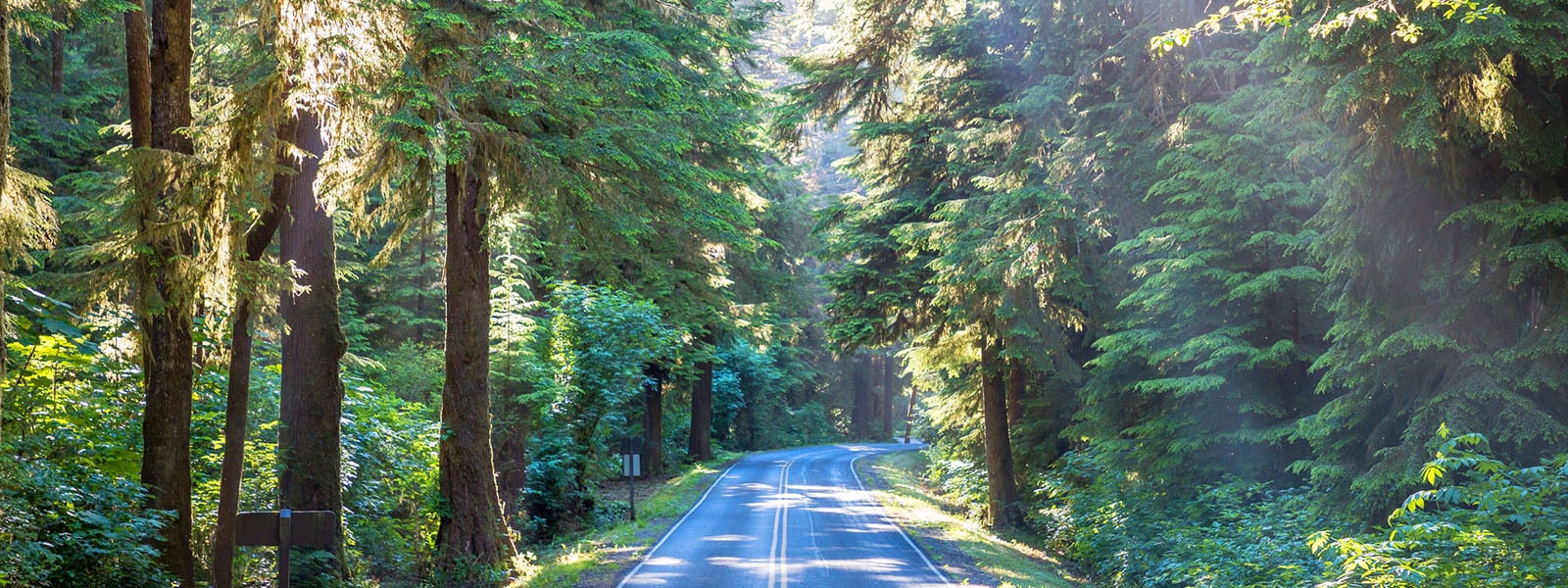
- US-101 South to Forks: Continue on US-101 South, following signs for Forks. The landscape will gradually shift from rolling hills and farmland to the dense, ancient rainforests that define this region.
Approximate Driving Time and Distance
The total driving distance from Seattle to Forks is approximately 140 to 150 miles, depending on the exact starting point in Seattle and the specific roads taken.
The estimated driving time without stops is typically between 2.5 to 3.5 hours. However, this figure can fluctuate significantly based on several factors:
- Traffic: Seattle and its surrounding areas can experience heavy traffic, especially during peak commuting hours, weekends, and holidays. The I-5 corridor, in particular, is prone to congestion.
- Ferry Schedules (if applicable): While the primary route avoids ferries, some alternative routes might incorporate them, adding an element of waiting time.
- Road Conditions and Weather: The Pacific Northwest is known for its variable weather. Heavy rain, fog, or even snow (in higher elevations during winter) can slow down travel. Road construction or maintenance can also cause delays.
- Sightseeing and Stops: This journey offers numerous opportunities for scenic detours and exploration. If you plan to stop at viewpoints, charming towns, or natural attractions, your total travel time will extend accordingly.
Factors Influencing Your Travel Experience
Beyond the raw distance and time, several other elements contribute to the overall travel experience between Seattle and Forks. Understanding these can help you better plan your trip and maximize your enjoyment.
Seasonal Considerations
The time of year you choose to travel will significantly impact the journey.
- Spring (March-May): Wildflowers begin to bloom, and the rainforests come alive with vibrant greenery. While rainfall is still common, it’s often less intense than in winter. Daylight hours increase, making exploration more feasible.
- Summer (June-August): This is the peak tourist season. The weather is generally the driest and warmest, offering the best conditions for outdoor activities in the Olympic National Park. However, expect more crowds and potentially higher accommodation prices.
- Autumn (September-November): The fall colors in the forests are spectacular, and the misty atmosphere adds to the mystique. Rainfall increases as the season progresses, but it’s a beautiful time for photography and experiencing the quiet side of the peninsula.
- Winter (December-February): This is the wettest period, with frequent, heavy rainfall, especially on the coast and in the rainforests. While challenging for some outdoor pursuits, winter can be magical for those seeking cozy lodges and a dramatic, moody landscape. Snow is possible at higher elevations within the Olympic National Park.
Vehicle Choice and Preparation
Given the varied terrain and potential for changing weather, selecting the right vehicle and ensuring it’s in good condition is paramount.
- All-Wheel Drive (AWD) or Four-Wheel Drive (4WD): While not strictly necessary for the main highway route, an AWD or 4WD vehicle can provide added confidence and safety, especially during wetter months or if you plan to explore unpaved forest roads.
- Tire Condition: Ensure your tires have adequate tread for wet conditions.
- Fuel: Gas stations can be sparse once you leave the more populated areas. It’s advisable to fill your tank whenever you have the opportunity, particularly before heading into more remote stretches of US-101.
- Navigation: While GPS is reliable in most areas, cell service can be spotty once you are deep within the peninsula. Downloading offline maps is a wise precaution.
Planning for Stops and Attractions
The journey from Seattle to Forks is not merely a transit; it’s an integral part of the Pacific Northwest travel experience. Several points of interest lie along or near the route, offering opportunities to break up the drive and immerse yourself in the local environment.
Scenic Overlooks and Coastal Access
As you travel west, keep an eye out for designated scenic viewpoints that offer breathtaking vistas of Puget Sound, the Olympic Mountains, and the Strait of Juan de Fuca.
- Hood Canal Bridge: The area surrounding the Hood Canal Bridge itself provides excellent photo opportunities and a sense of transition from the mainland to the peninsula.
- Coastal Towns: While Forks is inland, its proximity to the Pacific coast means you can easily detour to stunning coastal areas. Consider stops in towns like La Push (home to the Quileute Nation) for its dramatic sea stacks and beaches, or Ruby Beach, famous for its driftwood and sea stacks. These require short detours off US-101 but are well worth the time.
Inland Natural Wonders
The drive also takes you through the fringes of the vast temperate rainforest.
- Dosewallips State Park: Located along Hood Canal, this park offers opportunities for short hikes and enjoying the marine environment.
- Hoh Rainforest: While the main visitor center for the Hoh Rainforest is a significant detour west of US-101 and further from Forks, the essence of this ecosystem begins to manifest in the denser forests you pass through on US-101. For those with ample time, a dedicated trip to the Hoh Rainforest is a must-do.
Food and Amenities
Opportunities for dining and resupplying become increasingly limited as you move further west.
- Bainbridge Island/Poulsbo Area: Before or after crossing the Hood Canal Bridge, towns like Bainbridge Island or Poulsbo offer a range of cafes and restaurants.
- Sequim/Port Angeles: These larger towns along US-101 provide more extensive dining options and amenities. Sequim is known for its lavender farms, and Port Angeles serves as a major gateway to Olympic National Park, offering a wider selection of restaurants, shops, and lodging.
- Forks: Once you arrive in Forks, dining options are more limited, typically consisting of diners, casual eateries, and a few local pubs. It’s advisable to have snacks and water on hand for the drive, especially if you plan on extensive exploration upon arrival.
Alternative Travel Considerations
While driving is the most practical method, it’s worth briefly mentioning other potential, albeit less common, ways to traverse the distance.
Public Transportation Limitations
Public transportation between Seattle and Forks is extremely limited. There are no direct train services, and bus routes are infrequent and often require multiple transfers, making this an impractical option for most travelers aiming for efficiency and flexibility. For specific needs or eco-conscious travel, thorough research into regional bus services like Clallam Transit or Jefferson Transit would be necessary, but these are generally not designed for seamless tourist transit between these two specific points.

The Appeal of a Road Trip
Ultimately, the journey from Seattle to Forks is best embraced as a road trip. The distance, while manageable, is substantial enough to warrant careful planning, allowing for spontaneous stops and the discovery of the unexpected treasures that the Pacific Northwest has to offer. By understanding the route, factoring in travel times, and considering seasonal influences, travelers can ensure a smooth and enriching transition from the vibrant cityscape of Seattle to the wild, enchanting landscapes surrounding Forks. Whether you’re drawn by the literary fame of Forks or the natural wonders of Olympic National Park, the drive itself is a prologue to the adventure.
LifeOutOfTheBox is a participant in the Amazon Services LLC Associates Program, an affiliate advertising program designed to provide a means for sites to earn advertising fees by advertising and linking to Amazon.com. Amazon, the Amazon logo, AmazonSupply, and the AmazonSupply logo are trademarks of Amazon.com, Inc. or its affiliates. As an Amazon Associate we earn affiliate commissions from qualifying purchases.