
The question of distance between two prominent Colorado cities, Fort Collins and Denver, is a common one for travelers, commuters, and those simply curious about the geography of the Centennial State. While seemingly close on a map, understanding the nuances of this distance—whether measured in miles, time, or by the different modes of transportation available—provides valuable insight for planning any journey between these vibrant hubs. This exploration delves into the precise measurements, typical travel times, and the various routes that connect these two significant Colorado destinations.
Understanding the Direct Distance
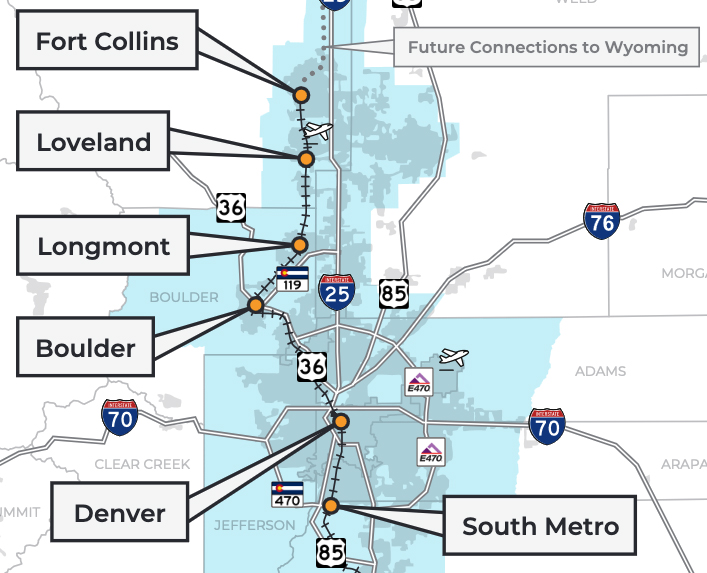
At its most fundamental level, the distance between Fort Collins and Denver is a straightforward measurement. The cities are located in northern and central Colorado, respectively, with Fort Collins situated roughly 60 miles north of Denver. This figure is based on the most direct routes, typically following major highways.

Geographic Positioning
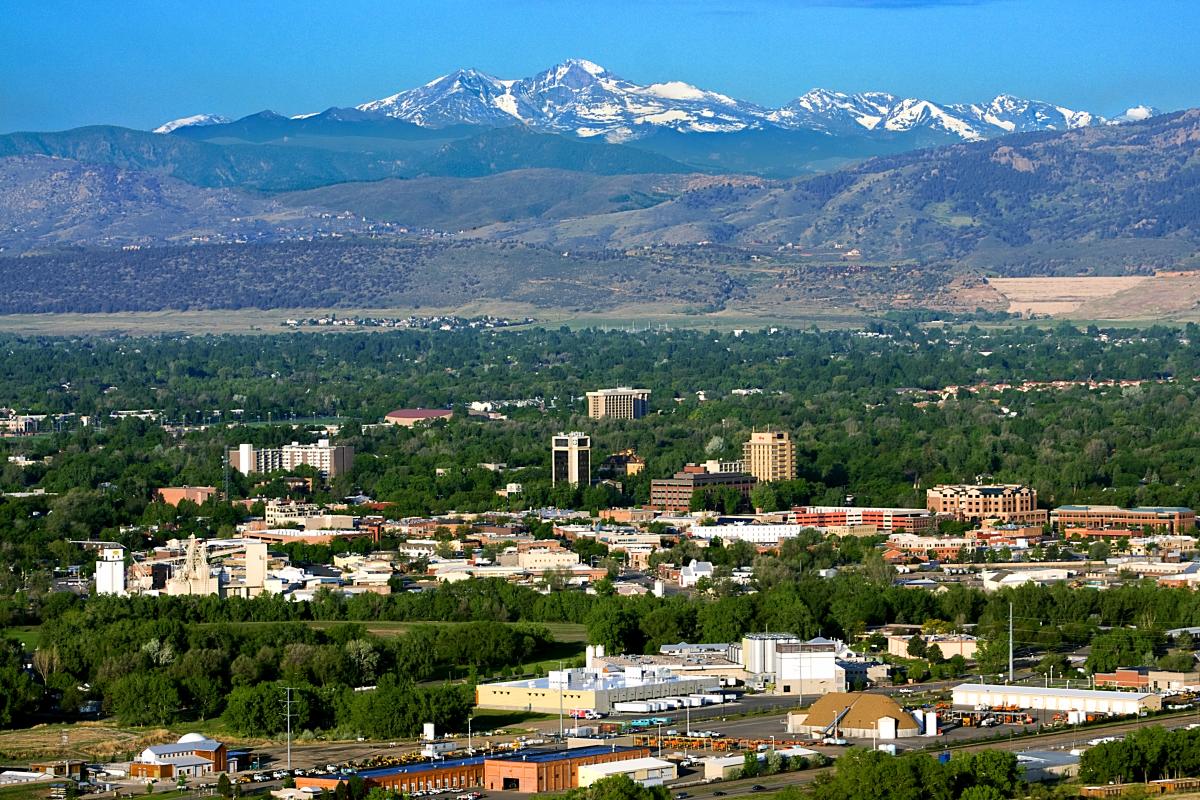
Fort Collins, nestled at the foothills of the Rocky Mountains, is a prominent city in Northern Colorado, known for its vibrant craft beer scene and access to outdoor recreation. Denver, the state capital, is a bustling metropolitan area situated at the confluence of the South Platte River and Cherry Creek, serving as the economic and cultural heart of the region. Their relative positions make them key points of interest for anyone exploring the Front Range.
Mileage Variations
The exact mileage can vary slightly depending on the starting and ending points within each city and the specific route taken. However, the standard measurement of approximately 60 miles is a reliable benchmark for general planning. This distance is often cited by navigation apps and travel resources.
Travel Time Considerations
While the mileage provides a static measurement, the actual time it takes to travel between Fort Collins and Denver is a dynamic factor influenced by traffic, time of day, and mode of transportation.
Driving Durations
By car, the journey typically takes between one hour and one hour and thirty minutes under ideal conditions. This is largely due to the efficient roadways that connect the two cities. The primary route is Interstate 25 (I-25), a major north-south highway that traverses the entire length of the state.
Factors Affecting Travel Time
- Traffic Congestion: Denver and its surrounding suburbs experience significant traffic, particularly during peak commuting hours (typically 6:30 AM to 9:00 AM and 4:00 PM to 6:30 PM on weekdays). Traveling during these times can add anywhere from 15 minutes to over an hour to the journey. Weekend traffic, especially around popular events or holidays, can also cause delays.
- Road Construction: Colorado is known for its ongoing infrastructure projects, and I-25 is no exception. Detours and lane closures due to construction can impact travel times, especially during warmer months.
- Weather Conditions: Colorado weather can be unpredictable. Snowstorms in winter can significantly slow down or even halt traffic on I-25, requiring much longer travel times or even causing road closures. Even heavy rain can lead to reduced visibility and slower driving speeds.
- Time of Day: Traveling in the late evening or early morning generally yields faster travel times, as traffic is considerably lighter.
Public Transportation Timelines
For those opting for public transportation, the travel time can be longer but offers a stress-free alternative to driving in traffic.
- Bus Services: Several bus services operate between Fort Collins and Denver. The primary provider is Bustang, a state-run intercity bus service. Bustang’s “North Line” offers direct service between the two cities, with journey times typically ranging from 1 hour and 30 minutes to 2 hours, depending on the specific stops and schedule. The Fort Collins Downtown Transit Center serves as a major departure and arrival point, connecting to Denver’s Union Station.
- Considerations for Bus Travel: While offering a fixed schedule and avoiding the stresses of driving, bus travel requires adherence to departure and arrival times. Passengers should factor in time to get to and from the transit centers in both Fort Collins and Denver.
Navigating the Routes
The primary artery connecting Fort Collins and Denver is Interstate 25 (I-25). Understanding this route is key to planning a trip.
Interstate 25 (I-25)
I-25 is the most direct and commonly used highway for travel between these two cities.
- The Journey Northbound: For those traveling from Denver to Fort Collins, the route involves heading north on I-25. The highway passes through several suburban areas, including Thornton and Loveland, before reaching Fort Collins.
- The Journey Southbound: Conversely, travelers heading from Fort Collins to Denver will drive south on I-25. This route offers scenic views of the Front Range as you approach the Denver metropolitan area. Key exits along the way include those for Longmont and Castle Rock, though these are further south than the direct connection between Fort Collins and Denver.
Alternative Routes and Considerations
While I-25 is the most practical route, there are less direct alternatives that might be considered for scenic drives or to avoid specific traffic issues.
- U.S. Highway 287: This highway runs parallel to I-25 for much of its length and can serve as an alternative. However, it is a surface street with more traffic lights and lower speed limits, making it significantly slower for intercity travel. It does, however, pass through smaller towns like Wellington and allows for a more localized experience of the Colorado landscape.
- Scenic Detours: For those seeking a more picturesque journey, one might consider detours off I-25. For instance, routes that take you closer to the Rocky Mountains or through charming small towns can add significant time but offer a richer travel experience. These are typically not direct routes and require careful planning.
Planning Your Trip
When planning a journey between Fort Collins and Denver, considering the following will ensure a smoother experience.
Utilizing Navigation Tools
Modern navigation applications are invaluable for real-time traffic updates and route planning. Apps like Google Maps, Waze, and Apple Maps can provide estimated travel times based on current conditions and suggest the quickest routes, factoring in any delays. It is advisable to check these tools shortly before departing.
Commuting and Regular Travel
For individuals who commute regularly between Fort Collins and Denver for work or study, understanding traffic patterns is paramount. Many opt to adjust their schedules to avoid peak hours, or utilize public transportation like Bustang to make the commute more manageable and productive.
Weekend Getaways and Tourism
For visitors or those taking weekend trips, the distance is easily navigable. Fort Collins offers a gateway to Rocky Mountain National Park and a distinct college-town vibe, while Denver provides access to world-class museums, a thriving culinary scene, and professional sports. The relatively short distance makes it feasible to visit both cities within a single trip, or to base oneself in one and take day trips to the other. Popular attractions in Denver include the Denver Art Museum, the Denver Botanic Gardens, and the historic LoDo district. In Fort Collins, visitors often explore Old Town, visit breweries like New Belgium Brewing Company or Odell Brewing Co., and enjoy the Poudre River Trail.
In conclusion, the distance between Fort Collins and Denver is a manageable 60 miles. However, effective travel planning requires an understanding of variable travel times due to traffic, weather, and chosen modes of transport. Whether by car or public transit, the journey is a well-trodden path connecting two of Colorado’s most dynamic cities.
LifeOutOfTheBox is a participant in the Amazon Services LLC Associates Program, an affiliate advertising program designed to provide a means for sites to earn advertising fees by advertising and linking to Amazon.com. Amazon, the Amazon logo, AmazonSupply, and the AmazonSupply logo are trademarks of Amazon.com, Inc. or its affiliates. As an Amazon Associate we earn affiliate commissions from qualifying purchases.