
Navigating the vibrant South Florida landscape often involves understanding the proximity and connectivity between its most celebrated urban centers. For many travelers, the question of “How far is Fort Lauderdale from Miami, FL?” is a crucial one when planning an itinerary that balances the energetic pulse of Miami with the sophisticated charm of Fort Lauderdale. These two dynamic cities, separated by a relatively short distance, offer distinct yet complementary experiences, making their relationship a cornerstone of regional travel planning. Understanding the travel times, various transportation options, and the unique appeal of each destination is key to unlocking the full potential of a South Florida adventure.
The Direct Distance and Driving Realities
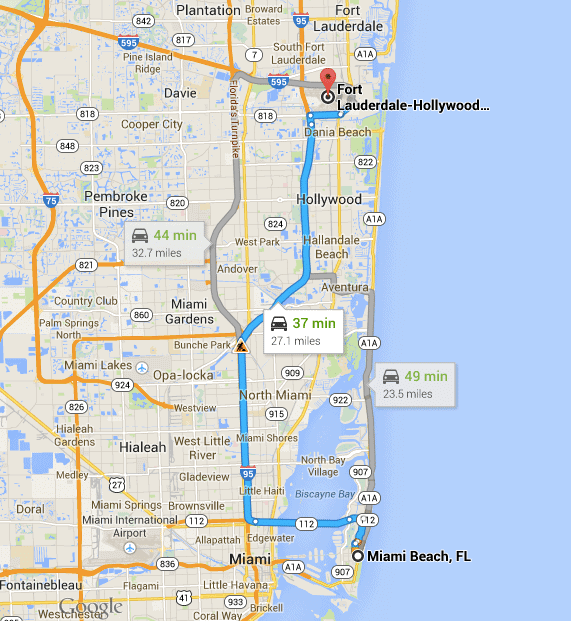
The geographical proximity between Fort Lauderdale and Miami is deceptively simple when viewed on a map. The direct distance, as the crow flies, is approximately 25 miles. However, in the realm of travel, the “as the crow flies” metric is rarely the practical reality. The actual distance when traveling by road is slightly greater, typically around 30 miles, depending on the specific starting and ending points within each city. This relatively short span belies the impact of South Florida’s renowned traffic patterns, which can significantly influence travel times.
Factors Affecting Driving Time
The duration of a drive between Fort Lauderdale and Miami is highly variable, primarily dictated by the time of day and day of the week. During peak commute hours, which generally extend from early morning to late morning and again in the afternoon to early evening, the journey can stretch considerably. While an off-peak drive might take as little as 35-45 minutes, a journey made during heavy traffic can easily double that time, sometimes even exceeding 90 minutes. The primary arteries connecting the two cities are Interstate 95 (I-95) and the Florida’s Turnpike.
- I-95: This is the most direct and commonly used route. It offers a straightforward path but is also the most susceptible to congestion due to its extensive use by both local commuters and long-haul truckers. Exits for major attractions and neighborhoods in both cities are readily accessible from I-95.
- Florida’s Turnpike: While slightly longer and involving tolls, the Turnpike can sometimes offer a smoother, albeit less scenic, alternative, particularly if I-95 is experiencing significant delays. It’s often favored by those looking to avoid the urban core traffic as much as possible.
Drivers should always factor in potential delays caused by construction, accidents, or special events occurring in either Miami or Fort Lauderdale. Utilizing real-time navigation apps is highly recommended to monitor traffic conditions and make informed decisions about the best route.
Seamless Transitions: Transportation Options Beyond the Car
While driving is a popular method, a range of other transportation options cater to varying preferences and budgets, offering convenient ways to travel between Fort Lauderdale and Miami. These alternatives not only help bypass the frustrations of traffic but also provide a different perspective on the South Florida landscape.
Public Transportation: A Budget-Friendly Approach
For the budget-conscious traveler or those who prefer to relax and avoid driving altogether, public transportation presents an attractive solution.
- Brightline: This privately-operated intercity rail service is revolutionizing travel in South Florida. The Brightline stations in both Fort Lauderdale and Miami are conveniently located, offering a comfortable and efficient connection. The journey typically takes around 30-40 minutes, with modern amenities such as Wi-Fi, comfortable seating, and onboard refreshments. This option bypasses all road traffic, making it a highly reliable choice for predictable travel times. It connects passengers directly to the heart of each city’s downtown areas, facilitating easy access to further exploration.
- Tri-Rail: This commuter rail service is another option, primarily serving South Florida residents. While it connects various points between Palm Beach, Broward, and Miami-Dade counties, its routes and schedules might be less direct or convenient for tourists compared to Brightline. The travel time can be longer, and transfers may be necessary depending on the specific origin and destination. However, it offers an economical way to travel for those with more flexible schedules.
Ride-Sharing and Taxis: Door-to-Door Convenience
Ride-sharing services like Uber and Lyft, along with traditional taxi services, offer on-demand transportation. These can be particularly useful for reaching specific destinations within each city that might not be directly served by public transit. The cost will fluctuate based on demand and traffic, but for shorter distances or when traveling with companions, they can be a cost-effective and convenient option. Booking in advance is advisable during peak times or for longer distances to potentially secure better rates and ensure availability.
Bus Services: The Most Economical Public Option
Several public bus routes operate between Fort Lauderdale and Miami, though these are typically the slowest option. While they offer the lowest fares, travel times can be significantly longer, often exceeding two hours due to numerous stops and route deviations. For travelers prioritizing cost savings above all else and with ample time, this can be a viable choice.
Experiencing the Unique Charms: Why Choose One Over the Other (or Both!)
Understanding the distance is only the first step; appreciating what each city offers is what truly shapes a travel experience. Fort Lauderdale and Miami are distinct in their atmospheres, attractions, and overall vibe, catering to different interests.
Fort Lauderdale: The Venice of America
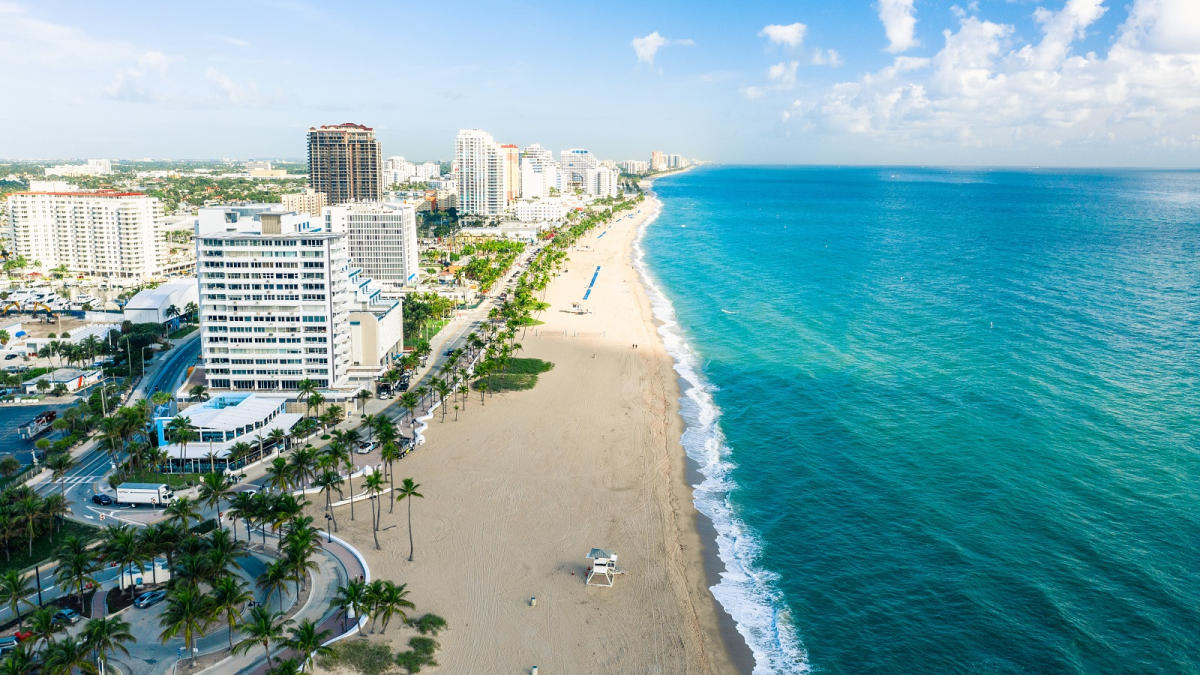
Often described as the “Venice of America,” Fort Lauderdale is renowned for its extensive network of navigable waterways, lush tropical landscaping, and a more laid-back, family-friendly ambiance compared to its southern neighbor.
- Beaches and Waterways: While Miami boasts the iconic South Beach, Fort Lauderdale Beach offers a wide, sandy expanse with a charming promenade lined with shops, restaurants, and hotels. The city’s nickname stems from its 300 miles of canals and waterways, offering opportunities for scenic boat tours, water taxis, and kayaking. Exploring the luxurious yachts docked along the intracoastal can be an attraction in itself.
- Las Olas Boulevard: This is the city’s premier street for shopping, dining, and art galleries. Las Olas Boulevard exudes an upscale yet relaxed Mediterranean feel, perfect for an afternoon stroll or an evening out.
- Cultural Hubs: Beyond the beaches, Fort Lauderdale offers cultural attractions like the NSU Art Museum Fort Lauderdale and the historic Bonnet House Museum & Gardens, providing a glimpse into art and local history.
- Family-Friendly Appeal: Many find Fort Lauderdale to be more family-oriented, with attractions like the Fort Lauderdale Museum of Discovery and Science and its proximity to the Everglades National Park for airboat tours.
Miami: The International Metropolis
Miami is a global city, a melting pot of cultures with an undeniable energy that pulses through its diverse neighborhoods. It’s known for its vibrant nightlife, world-class art scene, and distinct architectural styles.
- Iconic Beaches and Neighborhoods: South Beach is globally recognized for its Art Deco architecture, trendy atmosphere, and bustling nightlife. Beyond South Beach, neighborhoods like Wynwood boast impressive street art and galleries, while the affluent Miami Beach offers luxury shopping and dining.
- Cultural Diversity and Culinary Delights: Miami’s rich Latin American and Caribbean influences are evident in its food, music, and culture. From Cuban sandwiches in Little Havana to sophisticated dining in Brickell, the culinary scene is exceptionally diverse and exciting.
- Art and Entertainment: The city is a hub for art lovers, with the Art Basel Miami Beach fair being a highlight of the international art calendar. Museums like the Pérez Art Museum Miami and numerous galleries showcase contemporary and modern art. The nightlife in Miami is legendary, with clubs and bars catering to every taste.
- Business and Cosmopolitan Flair: Miami also serves as a major international business center, lending it a cosmopolitan and sophisticated edge.
Planning Your South Florida Itinerary: Maximizing Proximity and Experience
The close proximity between Fort Lauderdale and Miami is a significant advantage for travelers looking to experience the best of both worlds without the hassle of extensive travel. This allows for a dynamic itinerary that can incorporate the unique offerings of each city seamlessly.
Day Trips and Extended Stays
Many visitors choose to base themselves in one city and take day trips to the other. For instance, a visitor staying in a Fort Lauderdale hotel might spend a day exploring the vibrant streets and beaches of Miami, perhaps returning in the evening for a quieter dinner. Conversely, someone staying in a Miami resort could easily dedicate a day to enjoying the canals, shopping, and more relaxed atmosphere of Fort Lauderdale.
Alternatively, a longer stay can be structured to divide time between both cities, allowing for a deeper immersion into each. This approach is ideal for those who want to fully experience the distinct cultures, attractions, and dining scenes without feeling rushed. Consider spending a few nights in a boutique hotel in Fort Lauderdale before heading south to experience the energy of a luxury hotel in Miami.

Strategic Location for Broader Exploration
The connection between Fort Lauderdale and Miami also serves as a gateway to other South Florida attractions. From either city, visitors can easily access:
- The vastness of the Everglades National Park for airboat tours and wildlife viewing.
- The charming town of Delray Beach, known for its vibrant arts scene and dining.
- Day trips to the Florida Keys, though these require more significant travel time.
- The upscale shopping and dining experiences in cities like Boca Raton.
Ultimately, the question of “How far is Fort Lauderdale from Miami, FL?” is less about the mileage and more about the accessibility and the diverse opportunities that this proximity unlocks. Whether you seek the bustling energy of a global metropolis or the serene beauty of a coastal paradise, these two South Florida gems are within easy reach, offering a rich tapestry of experiences for every traveler.
LifeOutOfTheBox is a participant in the Amazon Services LLC Associates Program, an affiliate advertising program designed to provide a means for sites to earn advertising fees by advertising and linking to Amazon.com. Amazon, the Amazon logo, AmazonSupply, and the AmazonSupply logo are trademarks of Amazon.com, Inc. or its affiliates. As an Amazon Associate we earn affiliate commissions from qualifying purchases.