
For anyone planning a journey across the sun-drenched expanse of Florida, understanding the logistics of travel between its vibrant cities is paramount. Two prominent urban centers, Fort Lauderdale on the Atlantic Coast and Tampa on the Gulf Coast, frequently feature in travel itineraries, whether for business or leisure. The fundamental question that often arises is: “How far apart are they, and what’s the best way to traverse the distance?” This guide will meticulously break down the mileage, travel times, and various transportation options, ensuring you’re well-equipped to plan a seamless journey between these two dynamic Florida destinations.
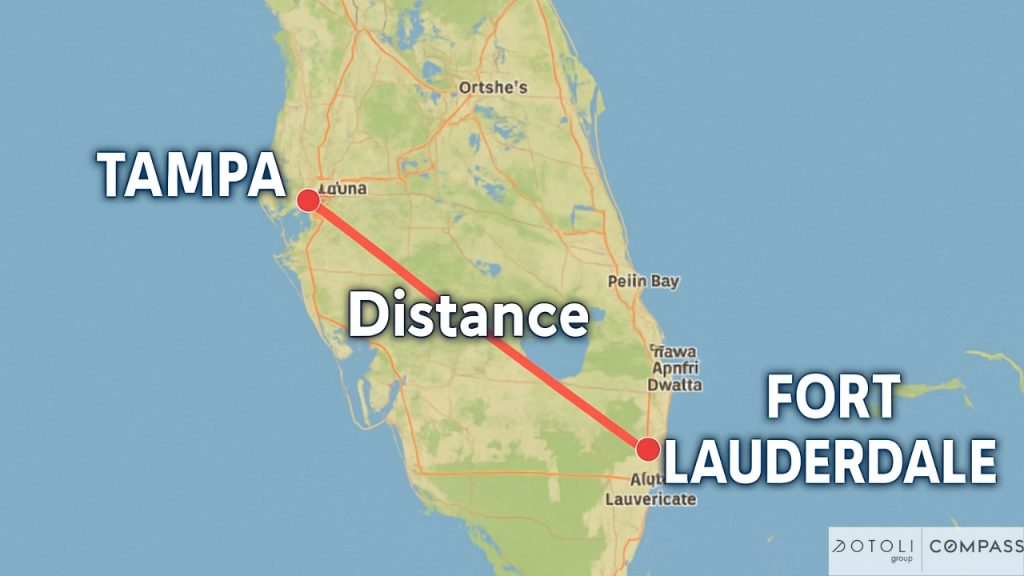
The Direct Route: Unpacking the Distance and Drive Time
The most common and often most convenient way to travel between Fort Lauderdale and Tampa is by car. This allows for flexibility, the ability to carry luggage, and the option to explore scenic detours along the way. However, understanding the exact distance and typical drive times is crucial for effective planning.
Calculating the Miles and Kilometers
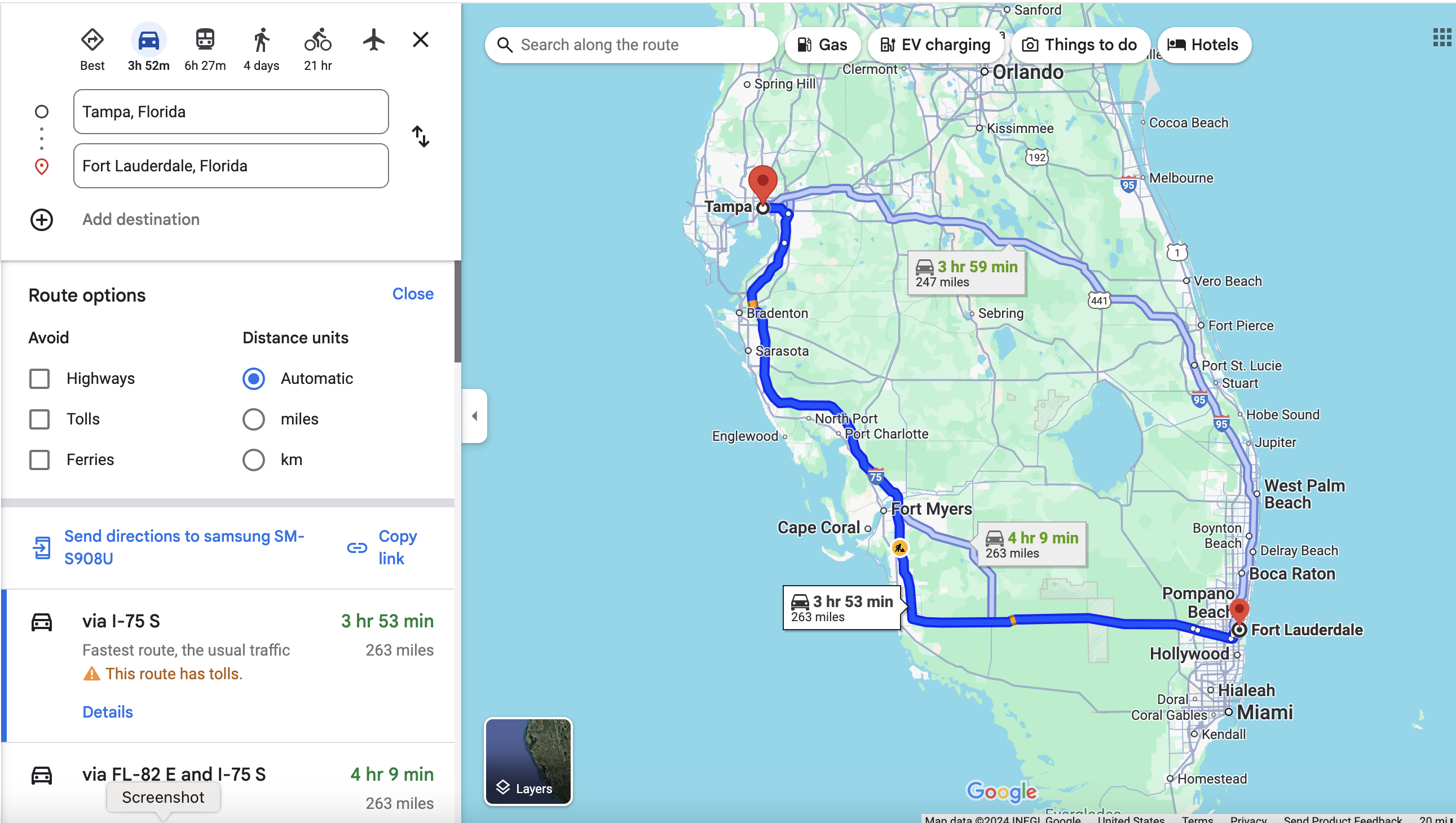
The approximate driving distance between Fort Lauderdale and Tampa is generally around 200 to 215 miles (approximately 320 to 346 kilometers), depending on the specific starting and ending points within each metropolitan area and the chosen route. This distance places them far enough apart to necessitate dedicated travel time, but close enough for a single-day journey without undue strain. For instance, traveling from downtown Fort Lauderdale to downtown Tampa will typically fall within this range. It’s not an insignificant distance, making careful planning of rest stops and potential fuel top-offs a wise decision.
Navigating Florida’s Highways: The I-75 Corridor
The primary artery connecting South Florida to the Gulf Coast is Interstate 75 (I-75). From Fort Lauderdale, travelers typically head west on I-595 to connect with I-75 North. This highway then cuts directly across the state, skirting the edge of the Everglades before turning north towards Tampa.
The journey along I-75 is generally straightforward, consisting mostly of multi-lane highways with moderate tolls. Alternatively, some drivers might opt for a route involving Florida’s Turnpike northbound before merging onto other interstates. While Florida’s Turnpike offers a well-maintained, generally faster path to Central Florida, the most direct connection to Tampa from Fort Lauderdale still largely leverages I-75. These routes are well-signposted, making navigation relatively easy for those unfamiliar with the area.
Factors Influencing Drive Time
Under ideal conditions, with clear roads and minimal traffic, the drive between Fort Lauderdale and Tampa can take approximately 3 hours to 3 hours and 30 minutes. However, it’s crucial to account for several variables that can significantly impact this estimate:
- Traffic Congestion: Florida’s major highways, especially around urban centers like Fort Lauderdale, Miami, and Tampa, can experience heavy traffic during peak hours (morning and evening commutes) and on weekends or holidays. This can easily add 30 minutes to an hour to your travel time.
- Road Construction: Florida is continuously developing its infrastructure, meaning construction zones are common. While beneficial in the long run, these can cause temporary slowdowns or lane closures.
- Weather Conditions: While Florida is known for its sunshine, sudden torrential downpours, especially during the summer rainy season, can reduce visibility and necessitate slower driving speeds. Tropical storms or hurricanes, though less frequent, can cause significant delays or make travel unsafe.
- Rest Stops: For longer journeys, incorporating a 15-30 minute rest stop for fuel, refreshments, or stretching is advisable. This adds to the overall travel time but contributes to a safer and more comfortable trip.
- Tolls: Be prepared for tolls on certain segments of the route, particularly on Florida’s Turnpike or certain express lanes. While some major highways like I-75 are largely toll-free in this specific stretch, sections or connecting routes might have them. Electronic toll collection systems (like SunPass) are prevalent, making travel smoother if you have one.
Beyond the Wheel: Alternative Transportation Options
While driving offers unparalleled flexibility, not everyone prefers or has access to a personal vehicle. Fortunately, several other modes of transport connect Fort Lauderdale and Tampa, each with its own advantages and considerations.
Taking the Bus: A Budget-Friendly Journey
Bus services offer a cost-effective alternative for travel between Fort Lauderdale and Tampa. Companies like Greyhound and Megabus operate routes connecting the two cities.
- Travel Time: Bus journeys are typically longer than driving, ranging from 4 to 6 hours or more, depending on the number of stops, route taken, and traffic conditions. This is due to scheduled stops in intermediate cities like Fort Myers or Naples, as well as longer travel times through urban areas.
- Cost: Bus tickets are generally the most economical option, especially if booked in advance. Prices can vary widely based on demand, time of booking, and the specific carrier.
- Convenience: Buses depart from and arrive at central terminals, which may require additional local transport to reach your final destination. However, the convenience of not having to drive, navigate, or pay for parking can outweigh the longer travel time for many. Passengers can relax, read, work, or enjoy the passing scenery.
Rail Travel: A Scenic (Though Indirect) Path
Direct rail service between Fort Lauderdale and Tampa is not currently available. Amtrak operates long-distance routes through Florida, but a journey between these two cities would typically involve multiple transfers and a significantly longer travel time than driving or taking a bus, often requiring a connection through Orlando.
- Travel Time: Due to the indirect nature and necessary transfers, an Amtrak journey could easily extend to 8 hours or more, making it less practical for a direct trip.
- Cost: Rail tickets can be comparable to, or even more expensive than, bus travel, depending on the class of service and booking time.
- Experience: For those who enjoy the romance of train travel and are not pressed for time, Amtrak offers a comfortable experience with wider seats, dining options, and the opportunity to view different parts of the state. However, as a direct travel solution, it’s generally not the most efficient.
Flying Between Florida’s Coasts: A Quick Hop
For those prioritizing speed above all else, flying is an option, though it’s often more complex and less efficient than it might initially seem for this specific route.
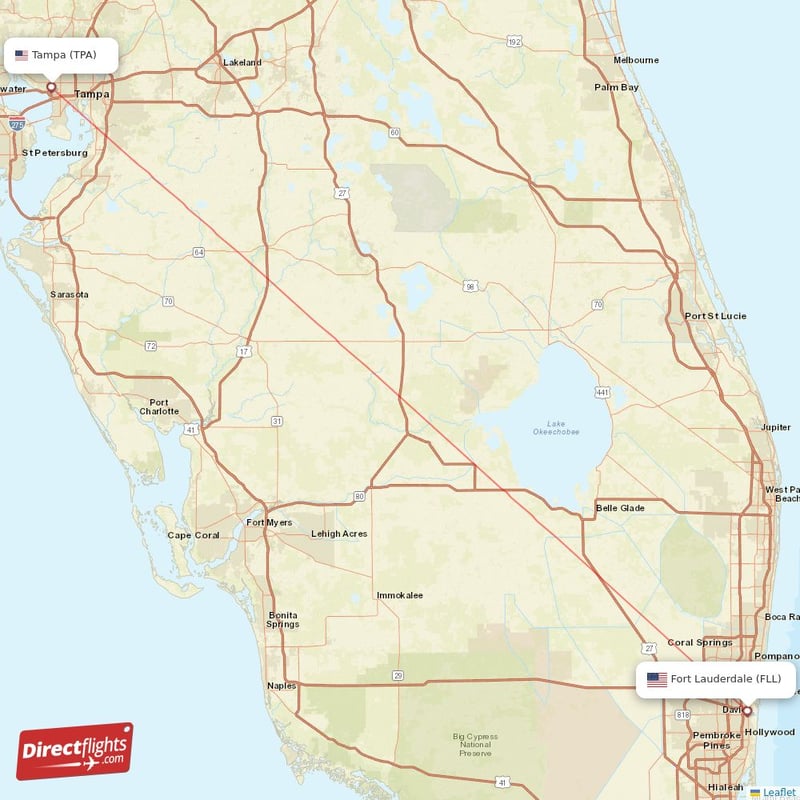
- Airports: Travelers would typically depart from Fort Lauderdale-Hollywood International Airport (FLL) and arrive at Tampa International Airport (TPA).
- Flight Time: The actual flight time between FLL and TPA is remarkably short, usually around 45 minutes to 1 hour.
- Total Travel Time: However, flying involves significantly more ancillary time:
- Travel to and from airports (often 30-60 minutes each way).
- Airport security, check-in, and waiting times (at least 1.5-2 hours before departure).
- Deplaning and baggage claim (30-45 minutes).
Considering all these factors, the door-to-door travel time by plane often totals 4 to 6 hours, making it comparable to, or even longer than, driving or taking a bus when you factor in all the associated logistics.
- Cost: Flights tend to be the most expensive option, especially once baggage fees and airport transfers are included. However, competitive fares can sometimes be found during off-peak seasons.
Planning Your Journey: Essential Considerations
Regardless of your chosen mode of transport, a few universal considerations can help ensure a smooth and enjoyable trip between Fort Lauderdale and Tampa.
Best Time to Travel
- Seasonality: Florida’s peak tourist season typically runs from late fall through spring (November to April), with cooler, drier weather. During these months, expect more traffic on roads and potentially higher prices for flights and buses. Summer (May to October) brings hotter temperatures, higher humidity, and the daily afternoon thunderstorms. While less crowded, hurricane season falls within these months, necessitating vigilance regarding weather forecasts.
- Time of Day: For driving, avoiding peak rush hours (roughly 7-9 AM and 4-6 PM) in both the Fort Lauderdale and Tampa areas can save considerable time and frustration. Early morning departures are often the most efficient.
Packing Smart for Florida Weather
Florida’s climate dictates smart packing. Lightweight, breathable clothing is essential year-round. Even in winter, days can be warm. Always pack sunscreen, sunglasses, and a hat. If traveling during the summer rainy season, a light rain jacket or umbrella is a must. Remember that air-conditioned interiors can be quite cool, so a light sweater or shawl might be useful. Comfortable shoes are a given, no matter your mode of transport.
Stopovers and Scenic Detours
For those driving and with extra time, the journey between Fort Lauderdale and Tampa offers opportunities for intriguing stopovers. While the direct route across the state is mostly agricultural or natural landscapes, a slight detour can lead to interesting places. For instance, traveling south on I-75 towards the Everglades National Park can offer airboat tours or wildlife viewing. For a more substantial detour, heading further south towards Naples or Fort Myers on Florida’s Gulf Coast can be a rewarding experience for beach lovers before heading north to Tampa. However, remember that such detours will significantly increase total travel time.
Fort Lauderdale vs. Tampa: A Tale of Two Coasts
While the primary focus is on the journey, it’s worth briefly noting the distinct character of each destination, which often informs the desire to travel between them.
Fort Lauderdale: The Venice of America
Often called the “Venice of America” due to its extensive canal system, Fort Lauderdale on the Atlantic Coast is known for its beautiful beaches, yachting scene, upscale dining, and vibrant nightlife. It’s a hub for cruises and offers a more resort-like, bustling atmosphere, drawing visitors with its sunny beaches and sophisticated entertainment options. Its proximity to Miami also makes it a gateway to South Florida’s diverse cultural experiences.
Tampa: The Gulf Coast Gem
Tampa, situated on Florida’s Gulf Coast, offers a different charm. It boasts a rich history, particularly in the Ybor City district, a thriving culinary scene, and a growing arts and culture presence. With beautiful waterfronts, attractions like Busch Gardens, and proximity to stunning beaches in St. Petersburg and Clearwater, Tampa provides a blend of urban excitement and laid-back coastal living. It’s also a significant business and port city.
In conclusion, the distance between Fort Lauderdale and Tampa, Florida, averages around 200-215 miles. A direct drive typically takes 3 to 3.5 hours, making it the most practical and flexible option for most travelers. However, bus services offer a budget-friendly alternative with longer travel times, while flying, despite a short airtime, often ends up taking a similar door-to-door duration due to airport logistics. Rail is the least direct option. By carefully considering your priorities—be it speed, cost, flexibility, or leisure—you can select the ideal mode of transportation and plan an efficient and enjoyable journey across the heart of the Sunshine State.
LifeOutOfTheBox is a participant in the Amazon Services LLC Associates Program, an affiliate advertising program designed to provide a means for sites to earn advertising fees by advertising and linking to Amazon.com. Amazon, the Amazon logo, AmazonSupply, and the AmazonSupply logo are trademarks of Amazon.com, Inc. or its affiliates. As an Amazon Associate we earn affiliate commissions from qualifying purchases.