
Planning a road trip or a travel itinerary between two of Florida’s vibrant cities, Fort Lauderdale and Jacksonville, requires understanding the distance and travel time involved. This stretch of Florida offers a diverse range of experiences, from the sun-drenched beaches of South Florida to the historic charm and urban energy of Northeast Florida. Whether you’re considering a scenic drive, seeking efficient transportation, or mapping out a vacation route, knowing the mileage and optimal travel methods is key to a seamless journey.
This comprehensive guide will delve into the specifics of traveling between these two popular destinations, covering driving distances, estimated travel times, alternative transportation options, and factors that can influence your journey. Understanding these elements will empower you to make informed decisions and maximize your travel experience as you traverse the length of the Sunshine State.

Driving Distances and Estimated Travel Times
The most common way to travel between Fort Lauderdale and Jacksonville is by car. The distance and time can vary slightly depending on the specific route taken, but the general figures provide a solid baseline for planning.
The Primary Route: I-95 North
The most direct and frequently used route is via Interstate 95 (I-95) North. This major artery runs along the eastern coast of Florida, connecting many of the state’s prominent cities.
- Distance: The approximate driving distance from Fort Lauderdale to Jacksonville via I-95 North is roughly 350 to 360 miles. This can fluctuate slightly based on your starting and ending points within each metropolitan area.
- Estimated Travel Time: Without significant traffic delays or extended stops, the driving time is typically between 5.5 to 6.5 hours. This is a conservative estimate that factors in normal road conditions.
Factors Affecting Travel Time:
Several elements can significantly impact your actual travel time:
- Traffic Congestion: Both Fort Lauderdale and Jacksonville are major metropolitan areas, and I-95 experiences considerable traffic, especially during peak hours, holidays, and weekends. The stretch through Miami-Dade County and the outskirts of Orlando can be particularly challenging.
- Road Construction: Florida is constantly undergoing infrastructure improvements, and construction zones on I-95 can lead to lane closures and slowdowns, adding unexpected delays.
- Weather Conditions: Florida’s weather can be unpredictable. Heavy rain, thunderstorms, or even hurricanes can impact driving visibility and road conditions, necessitating slower speeds and potentially longer travel times.
- Stops: This estimated travel time does not include stops for gas, food, or rest breaks. A typical road trip of this length would usually involve at least one significant stop, adding to the overall duration.
Alternative Routes
While I-95 North is the most common path, there are occasional reasons to consider alternative routes, though they are generally longer and may not offer significant time savings. For instance, deviating inland via U.S. Route 1 or other state roads might be considered for a more scenic, albeit slower, experience, or to avoid specific traffic bottlenecks. However, for efficiency, I-95 remains the preferred choice.
Transportation Options Beyond Driving
While driving is the most flexible option, other transportation methods can be viable for traveling between Fort Lauderdale and Jacksonville, each with its own advantages.
Amtrak Train Service
Amtrak offers a convenient and often relaxing way to travel between these two cities. The train journey provides an opportunity to enjoy the Florida landscape without the stress of driving.
- Service: Amtrak operates routes that connect South Florida to Northeast Florida. You would typically depart from the Fort Lauderdale Station and arrive at the Jacksonville Station.
- Travel Time: The train journey generally takes longer than driving, often ranging from 8 to 10 hours, depending on the specific train and any scheduled stops along the way.
- Advantages: Train travel allows passengers to relax, read, work, or simply enjoy the scenery. It can be a more comfortable experience than navigating traffic, and you avoid the need for parking at your destination. Amenities like Wi-Fi, dining cars, and comfortable seating are usually available.
Bus Services
Several intercity bus companies operate routes connecting Fort Lauderdale and Jacksonville. These services can be a budget-friendly option.
- Providers: Companies like Greyhound often provide direct or connecting services.
- Travel Time: Bus travel is typically the longest option, with journeys often exceeding 7 to 9 hours, depending on the number of stops and the specific route.
- Considerations: While economical, bus travel may involve more frequent stops and can be less comfortable for extended periods compared to trains or personal vehicles.
Air Travel (Indirect)
Direct commercial flights between Fort Lauderdale-Hollywood International Airport and Jacksonville International Airport are not common or are very limited. Most air travel between these cities would involve a connecting flight, making it a less efficient and often more expensive option than driving or taking the train.
- Process: If you were to fly, you would likely fly out of Fort Lauderdale-Hollywood International Airport to a hub like Atlanta or Charlotte, and then connect to Jacksonville International Airport.
- Total Travel Time: When factoring in travel to and from airports, security checks, boarding times, and potential layovers, the total travel time for flying could easily match or exceed that of driving or taking the train, while being considerably more expensive.
Planning Your Journey: Tips and Considerations
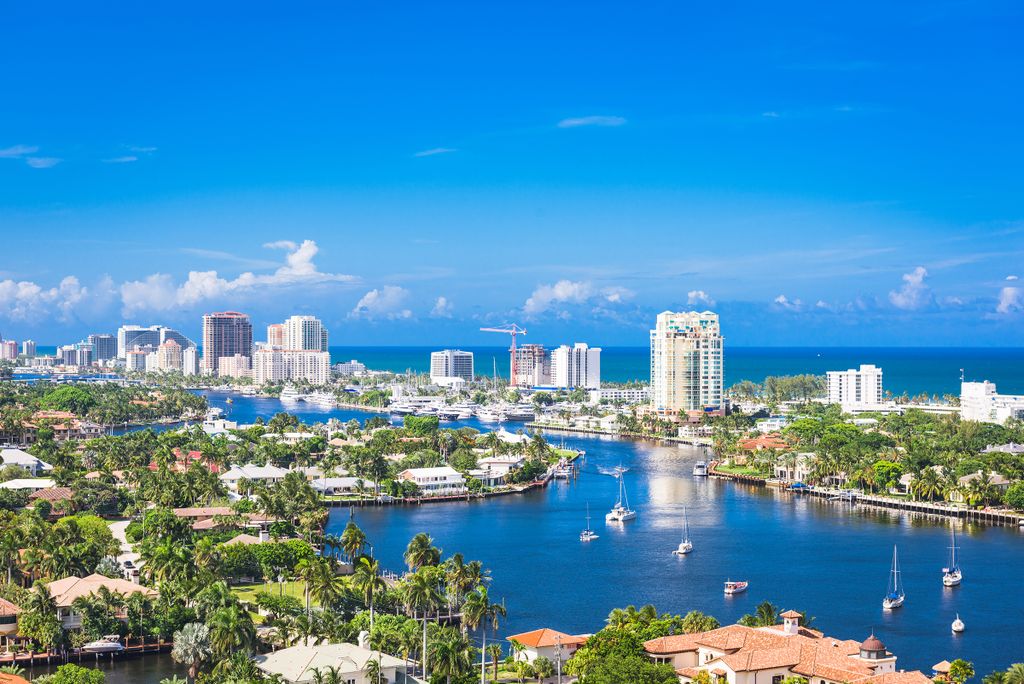
To ensure a smooth and enjoyable trip from Fort Lauderdale to Jacksonville, thoughtful planning is essential. Whether you’re embarking on a leisurely road trip or a direct transit, consider these practical tips.
Road Trip Essentials
If you opt for driving, preparing for the journey in advance can make all the difference.
- Vehicle Check: Ensure your vehicle is in good working order. Check tire pressure, oil levels, and brakes.
- Navigation: Utilize GPS apps like Google Maps or Waze, which can provide real-time traffic updates and suggest alternative routes if needed. Download offline maps in case of spotty service.
- Rest Stops: Plan your stops in advance. I-95 has numerous rest areas and service plazas, but it’s wise to identify potential towns or cities for more substantial breaks or meals. Consider stopping in areas like Vero Beach or St. Augustine for a brief exploration.
- Snacks and Drinks: Pack a cooler with water, snacks, and easy-to-eat items to save time and money on the road.
- Entertainment: Prepare playlists, podcasts, or audiobooks for the duration of your drive.
- Emergency Kit: Carry a basic emergency kit with jumper cables, a first-aid kit, and a flashlight.
Booking Train or Bus Tickets
For those choosing public transportation, booking in advance is recommended, especially during peak travel seasons.
- Amtrak: Visit the Amtrak website to check schedules, compare fares, and book tickets. Consider booking tickets several weeks or months in advance for potentially better pricing and availability.
- Bus Services: Check the websites of various bus companies operating the route to compare prices and schedules.
Timing Your Departure
The time of day and day of the week you choose to travel can significantly impact your experience.
- Avoid Peak Hours: If driving, departing early in the morning (before 7 AM) or later in the evening (after 7 PM) can help you avoid the worst of the morning and afternoon commute traffic in South Florida and around Jacksonville.
- Weekdays vs. Weekends: Weekday travel can sometimes be smoother on I-95, though still subject to commuter traffic. Weekend travel, particularly on Friday afternoons and Sunday evenings, can be exceptionally heavy due to leisure travelers.
- Holidays: Traveling around major holidays like Thanksgiving, Christmas, or Memorial Day will almost certainly involve significant traffic delays.
Exploring Along the Way: Potential Stops and Attractions
The journey between Fort Lauderdale and Jacksonville traverses a significant portion of Florida’s eastern coast, offering opportunities for interesting detours and exploration. While the primary goal might be to reach your destination, breaking up the drive with a stop can enhance your travel experience.
Historic St. Augustine
Located approximately midway on your journey, St. Augustine is the oldest continuously inhabited European-established settlement in the United States, making it a must-visit for history enthusiasts.
- Attractions: Explore the Castillo de San Marcos National Monument, wander through the historic colonial streets, visit the St. Augustine Lighthouse, and experience the colonial quarter.
- Time Allocation: A brief stop could last a couple of hours to see a key landmark, while a more in-depth visit might require half a day or more.
Coastal Towns and Beaches
Florida’s eastern coast is dotted with charming beach towns that offer a respite from the highway.
- Vero Beach: Known for its upscale boutiques, art galleries, and beautiful beaches.
- Daytona Beach: Famous for its hard-packed sand where you can drive, and the Daytona International Speedway for racing enthusiasts.
- New Smyrna Beach: A popular spot for surfers and beach lovers, offering a more laid-back vibe.
Nature and Wildlife
For those interested in Florida’s natural beauty, there are opportunities to experience it along the route.
- Brevard County: Home to the Canaveral National Seashore, offering pristine beaches, diverse birdlife, and opportunities for kayaking. It’s also in close proximity to the Kennedy Space Center Visitor Complex.
- State Parks: Numerous state parks are accessible from I-95, offering hiking trails, natural springs, and wildlife viewing opportunities.

Urban Exploration
If you prefer a more urban stop, consider a brief exploration of one of Florida’s mid-sized cities.
- Melbourne: A growing city with a historic downtown and access to beaches.
- Palm Bay: Offers a mix of natural areas and developing urban centers.
When planning stops, it’s crucial to factor in the additional time they will add to your overall travel duration. A quick stop for lunch might add an hour, while exploring a historic district could add three to four hours or more, transforming a simple transit into a mini-vacation. Carefully weigh the desire to explore against the need to reach Jacksonville at a specific time.
LifeOutOfTheBox is a participant in the Amazon Services LLC Associates Program, an affiliate advertising program designed to provide a means for sites to earn advertising fees by advertising and linking to Amazon.com. Amazon, the Amazon logo, AmazonSupply, and the AmazonSupply logo are trademarks of Amazon.com, Inc. or its affiliates. As an Amazon Associate we earn affiliate commissions from qualifying purchases.