
Embarking on a journey from the vibrant city of Fort Lauderdale to the charming, laid-back island of Key West, Florida, is more than just a drive; it’s an iconic American road trip that traverses the breathtaking Florida Keys. This adventure promises stunning ocean views, unique island culture, and unforgettable experiences at every turn. While the primary question might be about distance, the true essence of this trip lies in the journey itself, a meandering path over turquoise waters, connecting a string of tropical paradises. This guide will delve into the practicalities of the drive, offer insights into planning your ultimate Keys adventure, and highlight the must-see attractions along the way, ensuring your trip is as smooth as it is spectacular.

The Journey Unveiled: Distance and Driving Time
Understanding the logistics of the drive from Fort Lauderdale to Key West is the first step in planning your Florida Keys escape. While the mileage itself is manageable, the unique nature of the Overseas Highway and the allure of the islands necessitate a thoughtful approach to timing and expectations.
Calculating the Distance
The approximate driving distance from Fort Lauderdale to Key West is around 165 to 170 miles (approximately 265-275 kilometers), depending on your exact starting point in Fort Lauderdale and your final destination in Key West. The primary route, and indeed the only practical one, is to head south on US-1, which eventually transforms into the legendary Overseas Highway as you enter the Florida Keys. This distance might seem relatively short for an interstate journey, but the experience of driving through the Keys is anything but typical. The road itself is mostly two lanes, winding through towns and over dozens of bridges, demanding a different pace of travel.
Estimating Driving Time
While a direct, non-stop drive might theoretically take around 3.5 to 4 hours, this is a highly optimistic estimate and not one recommended for enjoying the full experience. A more realistic driving time, accounting for typical traffic, reduced speed limits, and a few essential stops for gas, stretching, or quick photos, is closer to 4.5 to 6 hours. This estimate also doesn’t include significant detours for attractions or meals. To truly savor the journey and explore the many gems scattered throughout the Keys, it’s highly advisable to allocate an entire day, or even two, for the drive, transforming it from a mere transit into an integral part of your vacation. Factors like seasonal tourist traffic, especially during winter months or holidays, can also significantly impact travel times, potentially adding hours to your trip.
The Scenic Route: Overseas Highway (US-1)
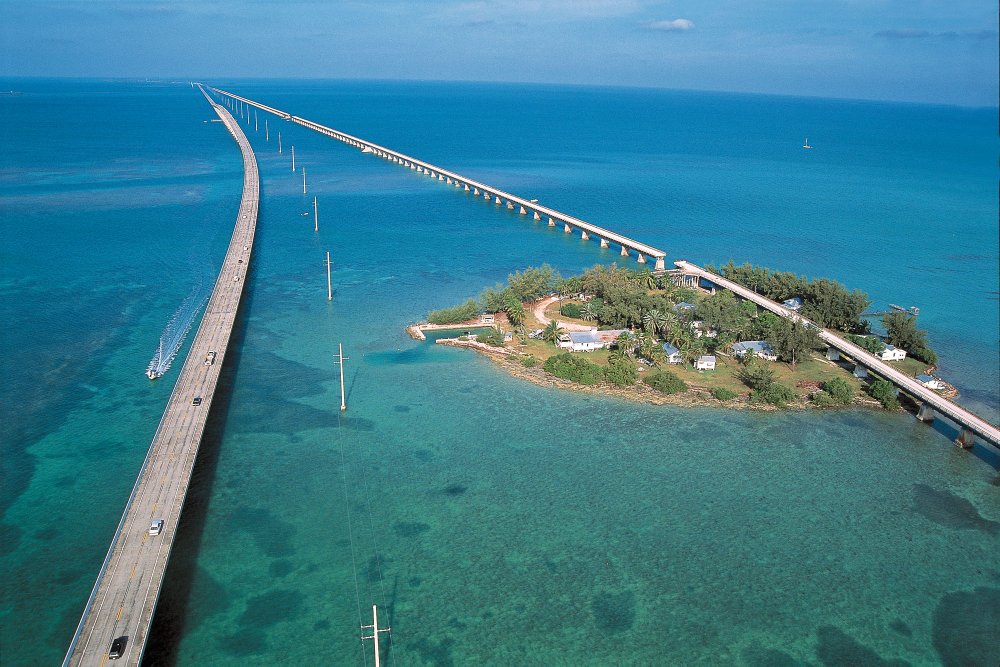
The Overseas Highway, a marvel of engineering, spans approximately 113 miles (181 kilometers) from Key Largo to Key West. It consists of 42 bridges, including the iconic Seven Mile Bridge, which literally allows you to drive over the open ocean. This stretch of US-1 is consistently ranked among the most scenic drives in the world, offering unparalleled views of the Atlantic Ocean on one side and the Gulf of Mexico on the other. The highway connects a chain of islands, or “keys,” each with its distinct character, creating a continuous ribbon of land and bridges that feels like a journey to the edge of the world. It’s a road designed for leisurely travel, encouraging drivers to slow down, soak in the panoramic vistas, and pull over at numerous scenic overlooks.
Planning Your Ultimate Florida Keys Road Trip
A successful road trip from Fort Lauderdale to Key West requires more than just knowing the distance; it demands thoughtful planning to maximize enjoyment and minimize stress. From choosing the right time to travel to packing essentials, preparation is key to unlocking the full potential of this iconic journey.
Best Time to Travel
The Florida Keys enjoy a tropical climate, making them an attractive destination year-round. However, certain periods offer more favorable conditions and fewer crowds:
- Dry Season (November to April): This is generally considered the best time to visit. Temperatures are mild (70s-80s°F / 20s-28s°C), humidity is lower, and there’s less rain. This period also coincides with peak tourist season, meaning higher prices and larger crowds, especially during holidays like Christmas, New Year’s, and Spring Break.
- Shoulder Seasons (May, early June, and October): These months offer a good balance of pleasant weather and fewer crowds compared to peak season. Temperatures start to rise, and humidity increases, but it’s often more tolerable than mid-summer. Prices for accommodations and activities might also be more attractive.
- Wet Season (Late June to September): This is the hottest and most humid time of year, with frequent afternoon thunderstorms. It’s also hurricane season, which runs from June 1st to November 30th, with peak activity typically from August to October. While hurricanes are rare, they can significantly disrupt travel plans. On the plus side, crowds are smaller, and prices are generally lower.
For the most comfortable and enjoyable driving experience, aim for the dry season, but consider the shoulder seasons for a good compromise between weather and crowd levels.
Essential Road Trip Preparations
Before you hit the road, a few crucial preparations will ensure a smooth and safe journey:
- Vehicle Check: Ensure your car is in excellent condition. Check tires (including the spare), oil, brakes, fluids, and air conditioning. The Keys can be remote, and cell service isn’t always reliable, so a breakdown can be a major inconvenience.
- Navigation: While US-1 is straightforward, having a reliable GPS or smartphone navigation system is essential. Download offline maps, as internet connectivity can be spotty in some areas.
- Packing Smart: Pack light, breathable clothing suitable for warm, humid weather. Don’t forget swimwear, sunscreen (reef-safe if possible), hats, sunglasses, insect repellent (especially for evenings), and comfortable walking shoes.
- Snacks and Drinks: Keep a cooler with water, drinks, and snacks. While there are plenty of stops, having provisions on hand is convenient, especially on longer stretches or when you find a perfect, secluded spot for a picnic.
- Entertainment: Prepare playlists, podcasts, or audiobooks for the drive. While the scenery is captivating, some stretches can be long, and good entertainment keeps spirits high.
- Cash and Cards: Most places accept credit cards, but having some cash for smaller vendors or emergencies is always a good idea.
Breaking Up the Drive
To truly appreciate the unique beauty of the Florida Keys, avoid trying to complete the drive in one go. Instead, plan to make strategic stops and potentially even an overnight stay along the way.
- Upper Keys (Key Largo, Islamorada): These areas are excellent for a first stop, about 1.5 to 2 hours from Fort Lauderdale. They offer numerous attractions, restaurants, and accommodation options.
- Middle Keys (Marathon): Marathon is roughly halfway to Key West from Fort Lauderdale in terms of driving time (though not mileage), making it an ideal spot for lunch or even an overnight stay if you want to split the trip into two relaxed days. This allows you to explore attractions without feeling rushed.
- Lower Keys (Big Pine Key): A bit closer to Key West, the Lower Keys offer a quieter, more natural experience. A stop here can provide a nice contrast to the more bustling areas.
By spreading out the journey, you transform a potentially tiring drive into an enriching exploration of this incredible archipelago.
Must-See Stops Along the Overseas Highway
The drive down the Overseas Highway is an attraction in itself, but the islands it connects are teeming with unique sights, activities, and culinary delights. Here’s a curated list of must-see stops that will enhance your Fort Lauderdale to Key West adventure.
Starting in the Upper Keys
As you officially enter the Florida Keys at Key Largo, prepare to be immersed in an aquatic wonderland.
- Key Largo: Known as the “Diving Capital of the World,” Key Largo offers unparalleled underwater exploration.
- John Pennekamp Coral Reef State Park: America’s first underwater park, it’s a paradise for snorkeling, diving, and glass-bottom boat tours, showcasing vibrant coral reefs and marine life.
- Dolphins Plus Marine Mammal Responder: Offers educational programs and opportunities for supervised interaction with dolphins, supporting marine mammal rescue and research.
- Islamorada: Often called the “Sportfishing Capital of the World,” Islamorada blends fishing village charm with upscale dining and art galleries.
- Robbie’s of Islamorada: A quirky, legendary stop where you can hand-feed massive tarpon right off the dock—a truly unforgettable experience. They also offer boat rentals and charters.
- Theater of the Sea: One of the oldest marine mammal parks in the world, offering dolphin, sea lion, and parrot shows, along with opportunities to swim with dolphins.
Mid-Keys Adventures
Continuing south, the Middle Keys present a mix of conservation efforts and stunning natural beauty.
- Marathon: This family-friendly island community is home to some fantastic attractions focused on marine life.
- The Turtle Hospital: A non-profit organization dedicated to the rescue, rehabilitation, and release of sea turtles. Tours offer an insightful look into their crucial work.
- Dolphin Research Center: Another fantastic facility offering educational programs and interaction opportunities with dolphins and sea lions, focusing on research and education.
- Sombrero Beach: One of the few natural sandy beaches in the Keys, perfect for swimming, sunbathing, and picnics.
- Seven Mile Bridge: This iconic bridge is not just a crossing but a destination in itself. Driving over the new Seven Mile Bridge (the old one runs parallel) offers breathtaking panoramic views of the ocean, truly making you feel as if you are driving on water. It’s a prime photo opportunity.
Lower Keys Delights
The Lower Keys offer a more tranquil, wilder side of the archipelago, famous for its unique wildlife and pristine natural landscapes.
- Big Pine Key: This key is known for its ecological significance.
- National Key Deer Refuge: Home to the adorable, endangered Key Deer, a miniature subspecies of white-tailed deer. Drive carefully and keep an eye out for these unique creatures, especially around dusk and dawn.
- Bahia Honda State Park: Consistently ranked among the best beaches in Florida, Bahia Honda State Park boasts stunning white sand beaches, crystal-clear water, and excellent snorkeling, swimming, and kayaking opportunities. It’s a perfect spot to stretch your legs and cool off.
Arriving in Key West: The Southernmost City
After navigating the magnificent Overseas Highway, you’ll finally reach Key West, a vibrant, quirky, and historically rich island at the very tip of the Florida Keys. This “Southernmost City” has a unique charm, blending Bahamian and Cuban influences with a distinctly American free spirit.
What to Expect
Key West is renowned for its laid-back atmosphere, vibrant nightlife, historic architecture, and a palpable sense of artistic freedom. The island’s historic district is a treasure trove of colorful Victorian houses, lush tropical gardens, and narrow, palm-lined streets. It’s a place where roosters roam freely, live music spills from open-air bars, and every sunset is a celebration. The pace of life slows considerably here, encouraging visitors to relax, explore, and embrace the island’s unique rhythm.
Key Attractions
Once you’ve arrived, parking your car and exploring Key West on foot or by bike is the best way to soak in its atmosphere.
- Duval Street: The bustling heart of Key West, famous for its lively bars, restaurants, shops, and art galleries. It’s a must-stroll, day or night.
- Ernest Hemingway Home and Museum: Explore the former residence of the legendary author, famous for its beautiful grounds, unique architecture, and the numerous six-toed cats that are descendants of Hemingway’s own feline companion.
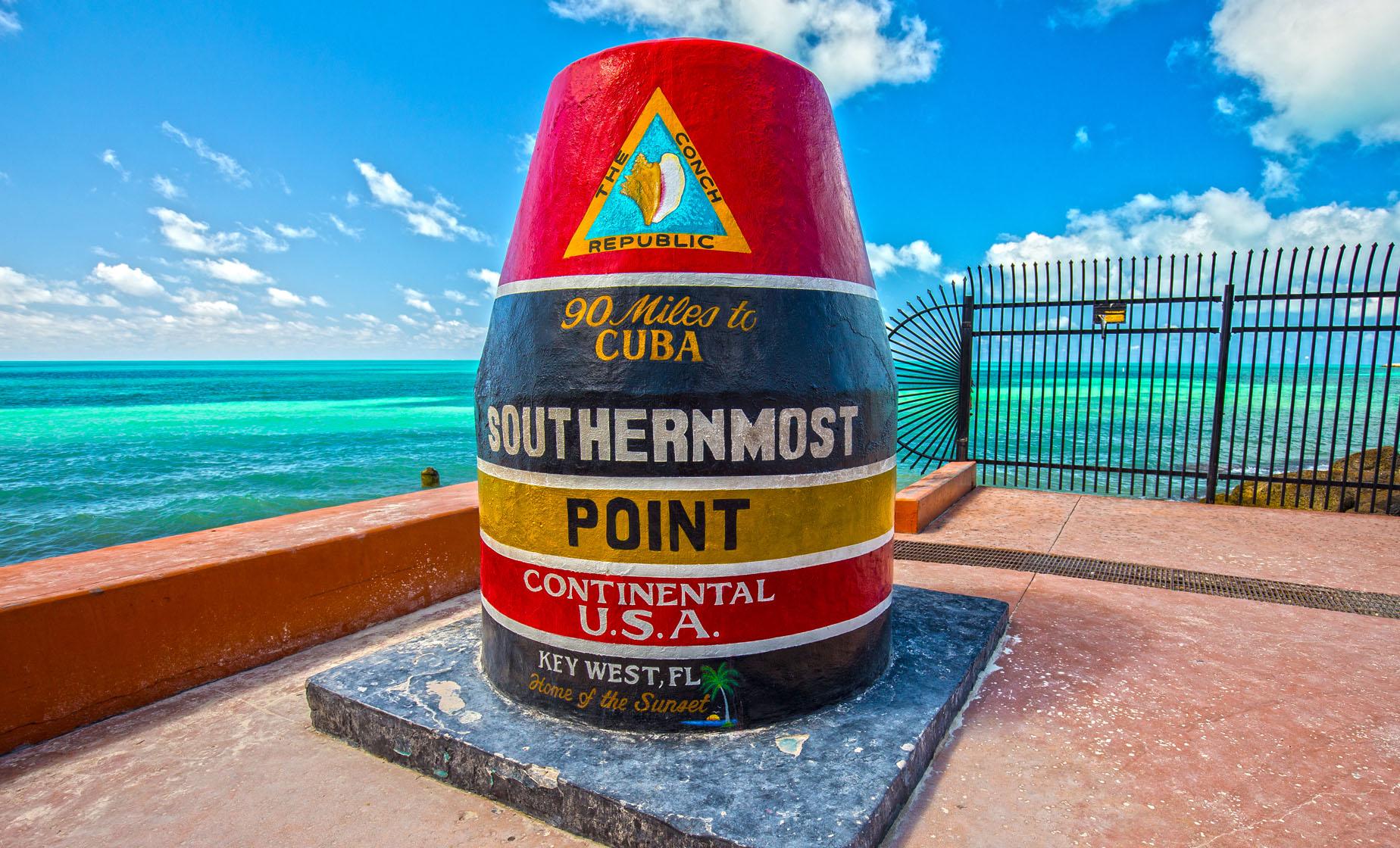
- Southernmost Point Buoy: A vibrant, iconic landmark marking the southernmost point in the continental United States, just 90 miles from Cuba. Be prepared for a queue for photos, especially at sunrise or sunset.
- Mallory Square: Every evening, hundreds gather here for the world-famous Sunset Celebration, featuring street performers, artisans, psychics, and food vendors, all set against the backdrop of a spectacular Key West sunset.
- Mel Fisher Maritime Museum: Discover treasures from 17th-century Spanish shipwrecks, including gold, silver, and artifacts.
- Truman Little White House: Harry S. Truman’s winter White House, offering a fascinating glimpse into presidential history.
- Key West Butterfly and Nature Conservatory: Step into a magical glass-enclosed habitat filled with hundreds of colorful butterflies and exotic birds.
Getting Around Key West
While you’ll likely arrive by car, Key West itself is best explored without one. The island is small and easily navigable.
- Walking: Many of the main attractions in the historic Old Town are within walking distance of each other.
- Biking/Mopeds: Renting a bicycle or moped is a popular and efficient way to get around, allowing you to cover more ground and discover hidden gems.
- Duval Loop Bus: This free bus service offers a convenient way to travel around the Old Town and to Duval Street attractions.
- Taxis/Ride-shares: Available for longer distances or late-night returns.
The journey from Fort Lauderdale to Key West is more than a simple drive; it’s an immersive travel experience. From the impressive engineering of the Overseas Highway to the vibrant ecosystems of the Upper Keys and the bohemian charm of Key West, every mile offers something new to discover. By planning your stops, embracing the journey’s leisurely pace, and preparing for the unique environment, you’re guaranteed to create lasting memories on one of America’s most iconic road trips. So pack your bags, tune up your playlist, and set your sights on the southernmost tip of Florida for an adventure you won’t soon forget.
LifeOutOfTheBox is a participant in the Amazon Services LLC Associates Program, an affiliate advertising program designed to provide a means for sites to earn advertising fees by advertising and linking to Amazon.com. Amazon, the Amazon logo, AmazonSupply, and the AmazonSupply logo are trademarks of Amazon.com, Inc. or its affiliates. As an Amazon Associate we earn affiliate commissions from qualifying purchases.