
Embarking on a Florida adventure often involves navigating the state’s diverse landscapes, from the thrilling theme parks of its central region to the serene beaches of its Gulf Coast. A common question for travelers planning an itinerary that encompasses both facets of the Sunshine State is regarding the distance between two prominent cities: Orlando, the world-renowned entertainment capital, and Fort Myers, a beloved gateway to the southwestern Florida islands and pristine shores. Understanding this distance, along with the various travel options and what each destination offers, is crucial for crafting a seamless and enjoyable journey.
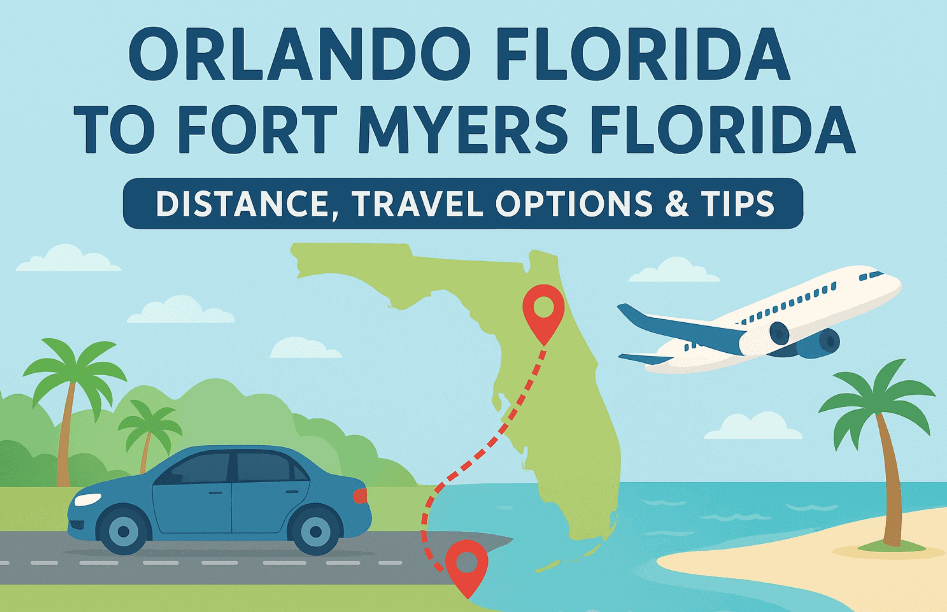
The journey between Orlando and Fort Myers is more than just a matter of miles; it’s an opportunity to experience different sides of Florida. While Orlando buzzes with the magic of its theme parks and a vibrant urban core, Fort Myers invites relaxation with its stunning beaches, historical estates, and abundant natural beauty. This article will delve into the specifics of this route, outlining the distance, travel times, and recommended modes of transport, while also providing a comprehensive guide to the unique attractions, diverse accommodation options, and distinct lifestyle experiences awaiting you in both cities. Whether you’re planning a family vacation, a romantic getaway, or a solo exploration, understanding the connection between these two dynamic destinations is your first step towards an unforgettable Florida trip.
The Journey Between Orlando and Fort Myers: Distance and Travel Options
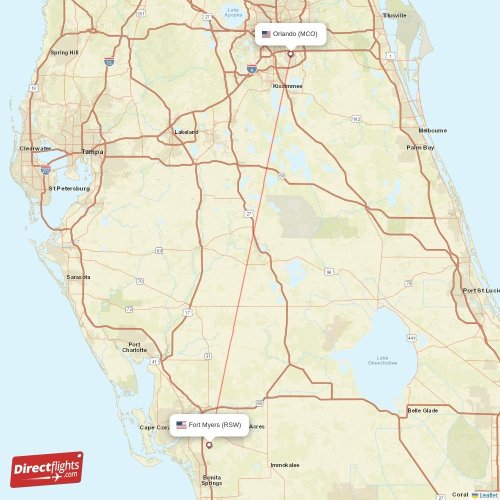
The distance between Orlando and Fort Myers is approximately 150 to 160 miles (240 to 257 kilometers), depending on the specific starting and ending points within each metropolitan area and the exact route taken. This distance places the two cities within a manageable driving range, making road trips a popular choice for many travelers. The travel time by car typically ranges from 2.5 to 3 hours under normal traffic conditions, though this can extend during peak travel seasons, holidays, or due to unexpected roadwork.
Understanding the various modes of transportation available is key to selecting the option that best suits your travel style, budget, and schedule. Each method offers a distinct experience, from the flexibility of driving to the speed of flying.
Driving: The Most Popular Route
For most travelers, driving is the preferred method of transport between Orlando and Fort Myers due to its convenience and the opportunity to explore at one’s own pace. The primary route involves a combination of interstate highways.
The most common and efficient route is to take I-4 West from Orlando to I-75 South. You’ll merge onto I-75 South near Tampa and continue directly to Fort Myers. This route is generally well-maintained and offers several exits for rest stops, dining, and fuel. An alternative, sometimes slightly longer but often less congested, involves using Florida’s Turnpike for a portion of the journey before connecting to I-75. Florida’s Turnpike is a toll road, so travelers should be prepared with cash or a SunPass transponder.
Driving offers unparalleled flexibility, allowing you to stop at charming small towns, roadside attractions, or scenic viewpoints along the way. It’s particularly ideal for families or those carrying significant luggage. Car rental services are widely available at Orlando International Airport (MCO) and throughout the city, providing a range of vehicle options to suit different needs and budgets.
Alternative Transportation Options
While driving is dominant, other options cater to different preferences:
- Flying: For those prioritizing speed, direct flights between Orlando International Airport (MCO) and Southwest Florida International Airport (RSW) in Fort Myers are available. Airlines like Southwest Airlines and Allegiant Air often operate these routes. While the flight time itself is short (around 45-60 minutes), factoring in airport transfers, check-in, and security can make the total travel time comparable to or even longer than driving, especially for domestic flights. However, for business travelers or those with time constraints, flying can be a convenient choice. It’s important to book in advance, especially during peak season, to secure reasonable fares.
- Bus Services: Intercity bus services, such as Greyhound, connect Orlando and Fort Myers. These are generally the most budget-friendly options, though they come with longer travel times (often 4-5 hours or more, including stops) and less flexibility. Bus stations are typically centrally located in both cities, making them accessible via local public transport or ride-sharing services.
- Train Services: While Amtrak does operate in Florida, there isn’t a direct or particularly efficient train route connecting Orlando and Fort Myers. Train travel would likely involve multiple transfers and significantly longer travel times, making it a less practical option for this specific journey.
- Ride-Sharing and Private Transfers: Services like Uber or Lyft, or dedicated private car services, can facilitate travel between the two cities. While offering door-to-door convenience, these options are typically more expensive than driving your own rental car or taking a bus, especially for such a distance. They can be a good choice for small groups who prefer not to drive but want direct transport.
Regardless of your chosen method, planning ahead, especially during Florida’s busy tourist seasons, is always recommended to ensure smooth travels between these two captivating destinations.
Discovering Orlando: Beyond the Theme Parks
Orlando is undeniably famous for its world-class theme parks, but the city offers a rich tapestry of experiences that extend far beyond the gates of Walt Disney World Resort and Universal Orlando Resort. As a hub for travel and tourism, Orlando caters to a diverse range of interests, from vibrant cultural attractions and natural wonders to upscale dining and shopping.
Top Attractions and Experiences
While many visitors flock to Magic Kingdom, Epcot, Hollywood Studios, Animal Kingdom, Universal Studios Florida, Islands of Adventure, and SeaWorld Orlando, the city’s appeal broadens significantly when you look past the major parks.
- Downtown Orlando and Lake Eola Park: The city’s downtown area offers a vibrant urban experience with a thriving arts scene, diverse restaurants, and lively nightlife. Lake Eola Park, with its iconic fountain and swan paddle boats, is a picturesque spot for a leisurely stroll or a relaxing picnic. The weekly farmers market is a local favorite, showcasing regional produce and crafts.
- International Drive (I-Drive): Beyond the theme parks, I-Drive is a destination in itself, boasting attractions like ICON Park, home to the Orlando Eye, Madame Tussauds, and SEA LIFE Orlando Aquarium. It’s also packed with entertainment venues, dinner shows, and an incredible array of dining options, from casual eateries to upscale restaurants.
- Shopping: Orlando is a shopping paradise, featuring luxury outlets like The Mall at Millenia and Orlando Premium Outlets, offering everything from high-end fashion to designer bargains.
- Natural Escapes: For a taste of Florida’s natural beauty, consider visiting the Harry P. Leu Gardens, a stunning 50-acre botanical oasis. For an adventure slightly outside the city, the Kennedy Space Center Visitor Complex on the Atlantic Coast offers an awe-inspiring look into space exploration and is a popular day trip from Orlando.
- Cuisine and Local Culture: Orlando’s culinary scene is as diverse as its population. Beyond the chain restaurants, you’ll find innovative farm-to-table establishments, authentic international cuisine, and a growing craft brewery scene. Exploring neighborhoods like Winter Park offers a glimpse into a charming, upscale community with boutique shops, art galleries, and acclaimed restaurants.
Where to Stay: Accommodation Options

As a global tourism hub, Orlando provides an exhaustive range of accommodation options to suit every budget, group size, and lifestyle preference.
- Resorts and Luxury Hotels: For those seeking a full-service experience, Orlando boasts an impressive selection of resorts. Many of these, particularly those within or adjacent to Walt Disney World Resort and Universal Orlando Resort, offer extensive amenities like multiple pools, spas, fine dining, children’s clubs, and complimentary park transportation. Examples include the Grand Floridian Resort & Spa, Four Seasons Resort Orlando at Walt Disney World Resort, and Loews Portofino Bay Hotel at Universal Orlando Resort.
- Mid-Range Hotels and Suites: Along International Drive and throughout the wider Orlando area, numerous mid-range hotels and all-suite accommodations provide comfortable stays with amenities like complimentary breakfast, pools, and shuttle services to theme parks. Brands like Hilton Garden Inn, Residence Inn by Marriott, and Drury Inn & Suites are popular choices, offering excellent value for families and extended stays.
- Vacation Rentals and Villas: A defining feature of Orlando’s accommodation landscape is the abundance of vacation rentals, ranging from cozy apartments to sprawling villas with private pools. These are particularly appealing for larger families or groups, offering more space, privacy, and often self-catering facilities. Areas like Kissimmee and Davenport are well-known for their extensive selection of vacation homes, some within gated communities with resort-style amenities.
- Budget-Friendly Options: Travelers on a tighter budget will find a variety of motels and economy hotels, especially along major roadways. These provide essential comforts and a convenient base for exploring the city without breaking the bank. Hostels are also available, catering to solo travelers and backpackers seeking communal and cost-effective lodging.
Choosing the right accommodation in Orlando depends on your priorities, whether it’s proximity to specific attractions, luxury amenities, or cost-effectiveness. The city’s robust hospitality infrastructure ensures that there’s truly something for everyone, making it easy to tailor your stay to your unique travel style.
Exploring Fort Myers and its Gulf Coast Charms
In stark contrast to Orlando’s bustling theme park atmosphere, Fort Myers offers a more relaxed, sun-soaked experience, serving as a tranquil gateway to the barrier islands and natural beauty of Southwest Florida. This charming city on the Caloosahatchee River is renowned for its historical landmarks, pristine beaches, and vibrant arts scene, making it an ideal destination for those seeking a blend of culture, relaxation, and outdoor adventure.
Must-Visit Landmarks and Activities
Fort Myers and its surrounding areas are rich in attractions that cater to history buffs, nature enthusiasts, and beach lovers alike.
- Edison and Ford Winter Estates: One of the most significant landmarks in Fort Myers, these adjacent estates were the winter homes of inventors Thomas Edison and Henry Ford. Visitors can explore their historic homes, laboratories, and beautiful botanical gardens, offering a fascinating glimpse into the lives of these American innovators.
- Sanibel Island and Captiva Island: Just a short drive from downtown Fort Myers, these picturesque barrier islands are world-famous for their shelling beaches. Sanibel Island is a shell collector’s paradise, while Captiva Island offers stunning sunsets and a laid-back vibe. Both islands provide opportunities for kayaking, paddleboarding, and wildlife viewing at spots like the J.N. “Ding” Darling National Wildlife Refuge.
- Fort Myers Beach: Located on Estero Island, Fort Myers Beach boasts seven miles of soft, white sand. It’s a lively area perfect for swimming, sunbathing, parasailing, and jet-skiing. The pier is a popular spot for fishing and enjoying panoramic views of the Gulf of Mexico. The Times Square area offers a bustling array of shops, restaurants, and entertainment.
- Lovers Key State Park: South of Fort Myers Beach, this romantic park comprises several barrier islands and is a haven for wildlife. It’s ideal for kayaking through mangroves, birdwatching, and enjoying secluded beach stretches. Manatees and dolphins are often spotted here.
- Manatee Park: During the cooler months (typically November to March), this park provides an excellent opportunity to view Florida manatees in their natural habitat as they seek warm water refuges.
- Downtown Fort Myers River District: The historic downtown area, known as the River District, is a charming hub with brick-lined streets, historic architecture, art galleries, boutiques, and an increasing number of independent restaurants and bars. The monthly Art Walk and Music Walk events showcase local talent and foster a vibrant community atmosphere.
- Six Mile Cypress Slough Preserve: This 3,500-acre wetland ecosystem offers boardwalk trails, allowing visitors to immerse themselves in a unique Florida ecosystem and observe native wildlife, including alligators, turtles, and a variety of birds.
Accommodations for Every Traveler
Fort Myers offers a diverse array of accommodation options, from luxurious beachfront resorts to charming boutique hotels and family-friendly vacation rentals, ensuring that every visitor finds their ideal home away from home.
- Beachfront Resorts and Hotels: For those craving direct access to the Gulf of Mexico, Fort Myers Beach and the surrounding islands offer numerous resorts. Properties like the Pink Shell Beach Resort & Marina and the DiamondHead Beach Resort provide upscale amenities, oceanfront views, and direct beach access. On Sanibel and Captiva, resorts such as Sundial Beach Resort & Spa and South Seas Island Resort offer a more secluded and luxurious island experience, complete with golf, tennis, and exquisite dining.
- Boutique Hotels and Inns: The Downtown River District features historic boutique hotels and quaint inns, perfect for travelers seeking a more intimate and culturally immersive stay. These often offer unique charm and personalized service, placing guests within walking distance of galleries, restaurants, and historical sites.
- Mid-Range and Extended Stay Options: Throughout the mainland of Fort Myers, you’ll find a wide selection of well-known hotel chains offering comfortable accommodations suitable for various budgets. Many provide amenities like pools, fitness centers, and complimentary breakfast, making them excellent choices for families or business travelers. Extended-stay hotels with kitchenettes are also prevalent, catering to those planning longer visits.
- Vacation Rentals and Villas: Similar to Orlando, the Fort Myers area, particularly on Estero Island and the surrounding barrier islands, boasts a robust market for vacation rentals. These range from beachfront condos to private homes, offering flexibility and privacy for families and groups. Many come with access to community pools, tennis courts, and private docks.
- Budget-Friendly Stays: For budget-conscious travelers, there are numerous motels and economy hotels along major thoroughfares, providing clean and basic accommodations. These allow visitors to enjoy the beauty of Fort Myers without a high price tag, often serving as a convenient base for exploring the area’s natural attractions and public beaches.
The diverse accommodation landscape in Fort Myers ensures that every traveler can find a suitable place to unwind after a day of exploring, whether their preference leans towards lavish luxury, historic charm, or simple comfort.
Planning Your Trip: Essential Tips and Lifestyle Considerations
Successfully navigating a trip from Orlando to Fort Myers – or vice versa – involves more than just knowing the distance; it’s about optimizing your experience based on your travel style, budget, and desired lifestyle. Florida offers a spectrum of experiences, from opulent luxury to adventurous budget travel, making careful planning essential.
Budgeting and Trip Styles
Your approach to budgeting will largely dictate the type of trip you have, influencing everything from accommodation choices to daily activities.
- Luxury Travel: If you’re envisioning a high-end experience, Florida delivers. In Orlando, this could mean staying at a 5-star resort with concierge services, enjoying VIP tours at theme parks, fine dining at celebrity chef restaurants, and perhaps chartering a private car for transfers. In Fort Myers, luxury often translates to beachfront suites at exclusive resorts on Sanibel or Captiva, private boat tours, spa treatments, and gourmet seafood dinners with sunset views. Budget accordingly for premium experiences, exclusive services, and upscale dining.
- Mid-Range Exploration: This is often the sweet spot for many travelers, offering a balance of comfort and cost-effectiveness. In Orlando, this might involve staying at a reputable chain hotel, purchasing multi-day park passes, and enjoying a mix of casual and sit-down dining. For the journey to Fort Myers, a rental car provides flexibility. In Fort Myers, mid-range hotels, well-appointed vacation rentals, exploring public beaches, and dining at local seafood shacks offer a fulfilling experience without overspending.
- Budget Travel: Traveling on a budget in Florida is entirely possible with smart planning. In Orlando, consider staying at economy hotels or hostels, utilizing public transportation or ride-sharing, bringing snacks into theme parks (where permitted), and exploring free attractions like Lake Eola Park or the Disney Springs entertainment complex. For the commute to Fort Myers, bus services are the most economical. In Fort Myers, opt for budget motels or campsites, pack picnics for beach days, and focus on free activities like shelling on Fort Myers Beach or exploring the River District. Cooking some meals in a vacation rental can also significantly cut costs.
- Family Trips: Both Orlando and Fort Myers are incredibly family-friendly. In Orlando, the theme parks are the obvious draw, but consider vacation rentals with multiple bedrooms and kitchens for comfort and savings. In Fort Myers, the calm waters, shelling opportunities, and wildlife viewing at places like Manatee Park are perfect for kids. Look for hotels with family suites and kid-friendly amenities.
Maximizing Your Florida Adventure
To make the most of your dual-city Florida experience, keep these tips in mind:
- Best Time to Visit: Florida’s peak tourist season is generally from November to April, offering cooler, drier weather. However, this also means higher prices and larger crowds. The shoulder seasons (late April to May, and September to October) can offer a good balance of pleasant weather and fewer crowds. Summer months are hot and humid, with a higher chance of rain and hurricanes, but may offer lower prices.
- Book in Advance: Especially for popular attractions, accommodations, and car rentals, booking well in advance can secure better rates and ensure availability, particularly during peak seasons.
- Stay Hydrated and Sun Protected: The Florida sun is intense. Always carry water, wear sunscreen, hats, and sunglasses, even on cloudy days.
- Flexibility with Itinerary: While planning is crucial, building in some flexibility allows for spontaneous discoveries and adapting to weather changes.
- Consider a Multi-City Pass: If visiting multiple attractions, especially in Orlando, look into city passes or bundled tickets, which can offer significant savings.
- Explore Local Cuisine: Don’t just stick to tourist traps. Seek out local eateries in both cities to experience authentic Florida flavors, from fresh seafood in Fort Myers to diverse international cuisine in Orlando.
- Pack Smart: Light clothing, comfortable walking shoes, and swimwear are essentials. Don’t forget bug spray, especially if planning outdoor activities in natural areas.
The journey from Orlando’s thrilling heart to Fort Myers’s tranquil shores is a quintessential Florida experience. By understanding the practicalities of the trip and embracing the unique offerings of each destination, you can craft a travel itinerary that is both efficient and incredibly rewarding, creating memories that last a lifetime.
LifeOutOfTheBox is a participant in the Amazon Services LLC Associates Program, an affiliate advertising program designed to provide a means for sites to earn advertising fees by advertising and linking to Amazon.com. Amazon, the Amazon logo, AmazonSupply, and the AmazonSupply logo are trademarks of Amazon.com, Inc. or its affiliates. As an Amazon Associate we earn affiliate commissions from qualifying purchases.