
Embarking on a journey across the Sunshine State often involves navigating its diverse landscapes, from the thrilling theme parks to the tranquil Gulf Coast beaches. A common question for travelers planning a multi-faceted Florida itinerary is: “How far is Fort Myers from Orlando?” While the two cities offer vastly different experiences, they are conveniently connected, making a dual-destination trip both feasible and rewarding. This guide delves into the distance, travel times, various transportation options, and what you can expect when journeying between these two vibrant Florida hubs.
The Straightforward Answer: Distance and Drive Time
Understanding the physical distance and estimated travel time is the first step in planning your trip from the inland entertainment capital to the relaxed coastal haven.
By Road: Miles, Hours, and Variables
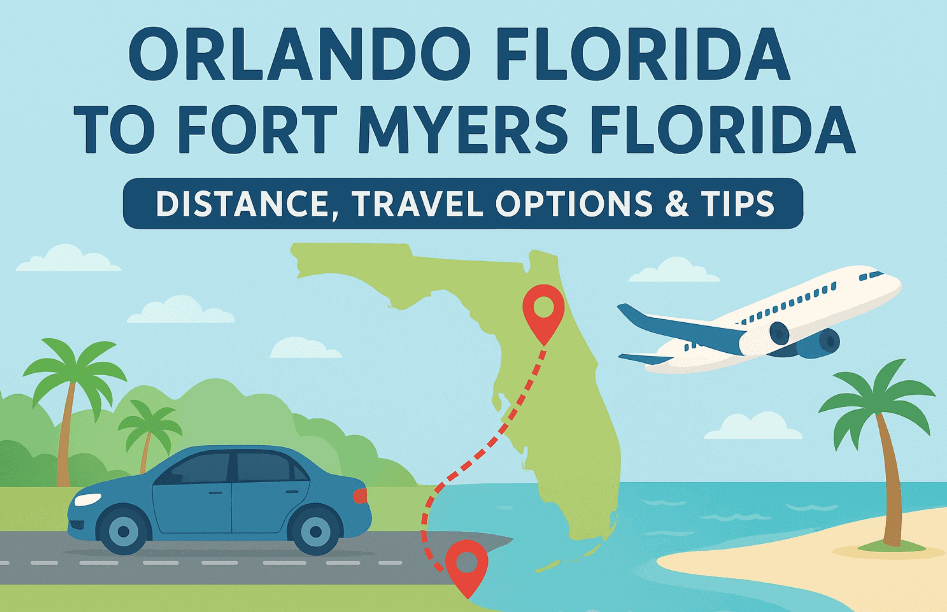
The most common and practical way to travel between Orlando and Fort Myers is by car. The approximate driving distance is around 145 to 160 miles (233 to 257 kilometers), depending on the specific starting and ending points within each city and the exact route taken.
Under ideal driving conditions, with minimal traffic and a steady pace, the journey typically takes 2.5 to 3 hours. However, it’s crucial to factor in several variables that can influence this estimate:
- Traffic Congestion: Orlando, being a major tourist destination and metropolitan area, experiences significant traffic, especially during peak hours (morning and evening commutes), weekends, and holidays. Similarly, areas around Tampa (if your route skirts it) and nearing Fort Myers can also see slowdowns.
- Construction: Roadwork is a constant in growing regions, and unexpected construction zones can add delays.
- Rest Stops and Detours: Planning for comfort breaks, meals, or brief detours to points of interest will naturally extend the travel time.
- Speed Limits: While highways like I-4 and I-75 have higher speed limits, adherence to posted signs and safe driving practices is essential.
For the most accurate, real-time estimate, always consult a GPS or mapping application shortly before or during your departure, as these tools account for current traffic conditions.
Beyond the Car: Other Transportation Methods
While driving is overwhelmingly the preferred method, other options exist, though they generally involve longer travel times or higher costs for this specific route. Direct train services are not a practical option between these two cities. Bus services and flying are the main alternatives.
Navigating the Journey: Road Trip Essentials and Routes
For most travelers, the drive is an integral part of the Florida experience. Knowing the best routes and what to expect can make the journey seamless.
Primary Driving Routes
The most direct and commonly used route between Orlando and Fort Myers primarily involves two major interstate highways:
- I-4 West to I-75 South: From Orlando, you’ll typically start by heading west on I-4. After approximately 50-60 miles, you’ll connect with I-75 South. You’ll remain on I-75 South for the majority of the remaining journey, heading directly towards Fort Myers. This route bypasses the immediate core of Tampa, which helps avoid some of the city’s denser traffic.
- Toll Roads as Alternatives (partial): While the primary route is largely toll-free (apart from specific express lanes on I-4 or extensions like Florida’s Turnpike for other destinations), there aren’t significant toll road alternatives that drastically reduce travel time for this specific path. However, for those coming from other parts of Orlando, certain toll roads might offer a quicker way to connect to I-4 or I-75.
It’s always a good idea to have a SunPass or E-Pass if you plan on using any of Florida’s toll roads, as they offer discounted rates and allow for electronic payment, avoiding cash lanes. Many rental cars come with transponders, but check with your rental agency.
Planning Your Stops
A 2.5 to 3-hour drive is manageable for most, but planning a stop can break up the journey and offer a moment of relaxation.
- Gas Stations and Rest Areas: Both I-4 and I-75 are well-equipped with exits leading to gas stations, convenience stores, and fast-food restaurants. Dedicated rest areas are also available along the interstates.
- Mid-Point Towns: While there aren’t major tourist attractions directly on the route that warrant a significant stop, towns like Lakeland offer various dining options and a chance to stretch your legs. If you’re open to a slight detour, Sarasota on the Gulf Coast provides beautiful beaches and cultural attractions, though this would add considerable time to your journey.
- Roadside Attractions: Keep an eye out for interesting small businesses or local markets if you prefer an impromptu stop over a planned one.
Traffic Considerations
Understanding traffic patterns is key to minimizing travel stress and maximizing efficiency.
- Peak Hours: Avoid departing Orlando between 7 AM and 9 AM or 4 PM and 6 PM on weekdays, as this is when local commuters create the heaviest congestion.
- Weekends and Holidays: Fridays and Sundays, especially during holiday weekends, typically see increased traffic as people travel to and from tourist destinations and their homes.
- Theme Park Rush: In Orlando, traffic around the major theme parks (Walt Disney World Resort, Universal Orlando Resort) can be consistently heavy. Plan your departure to avoid routes that cut directly through these areas if possible.
Leaving early in the morning (before 7 AM) or later in the evening (after 7 PM) can significantly reduce travel time and make for a much more pleasant drive.
Why Make the Trip? Contrasting Destinations
The journey between Orlando and Fort Myers isn’t just about covering distance; it’s about transitioning between two distinct facets of the Florida experience.
Orlando: The Theme Park Capital
Orlando is globally renowned as the “Theme Park Capital of the World.” It’s a destination synonymous with magic, adventure, and immersive entertainment.
- World-Class Theme Parks: Home to iconic attractions like Walt Disney World Resort (including Magic Kingdom, Epcot, Hollywood Studios, and Animal Kingdom) and Universal Orlando Resort (featuring Universal Studios Florida and Islands of Adventure), Orlando offers endless excitement for families and thrill-seekers.
- Shopping and Dining: Beyond the parks, Orlando boasts an impressive array of shopping outlets, upscale malls, and diverse dining experiences, from celebrity chef restaurants to casual eateries.
- Convention Hub: It’s also a major destination for business travelers, hosting countless conventions and conferences throughout the year.

A trip to Orlando is about high energy, meticulously crafted fantasy, and a constant buzz of activity.
Fort Myers: The Gulf Coast Gem
In stark contrast to Orlando’s bustling energy, Fort Myers offers a serene escape to Florida’s stunning Gulf Coast. It’s a destination known for its natural beauty, historical charm, and relaxed atmosphere.
- Beautiful Beaches and Islands: The area is celebrated for its pristine white-sand beaches, including the lively Fort Myers Beach and the world-famous shelling beaches of Sanibel Island and Captiva Island. These islands offer incredible opportunities for nature walks, birdwatching, and watersports.
- Historical Significance: Fort Myers is home to the Edison and Ford Winter Estates, where inventor Thomas Edison and automobile magnate Henry Ford once spent their winters. This historical attraction provides a fascinating glimpse into their lives and innovations.
- Nature and Wildlife: The Caloosahatchee River provides excellent fishing and boating opportunities, and the region is rich in natural preserves, ideal for kayaking, paddleboarding, and observing Florida’s diverse ecosystem.
Fort Myers is about unwinding, connecting with nature, and savoring the slower pace of coastal living.
Combining the Experiences
Many travelers choose to combine a visit to both Orlando and Fort Myers to experience the best of both worlds. Imagine starting your vacation with thrilling rides and magical parades in Orlando, then transitioning to shelling on Sanibel Island and sunsets over the Gulf. This combination offers a comprehensive Florida vacation, catering to varied interests within a single trip. The relatively short driving distance makes this dual-destination approach highly accessible.
Alternative Travel Options
While driving reigns supreme for this route, it’s worth noting other methods available for those who prefer not to drive.
Bus Services
Several bus companies, such as Greyhound, offer routes between Orlando and Fort Myers.
- Journey Time: Bus travel is considerably longer than driving, typically taking anywhere from 4 to 6 hours or more, depending on the specific route, number of stops, and transfers.
- Cost: Bus tickets are generally the most economical option, making them suitable for budget-conscious travelers.
- Comfort and Convenience: While buses offer a chance to relax and avoid driving, comfort levels can vary, and direct connections might not always be available, potentially involving layovers.
Flights
For direct travel between Orlando and Fort Myers, flying is generally not practical.
- Main Airports: Orlando is served by Orlando International Airport (MCO), and Fort Myers by Southwest Florida International Airport (RSW).
- Lack of Direct Flights: Due to the relatively short driving distance, there are rarely direct commercial flights between these two airports. Any flight would likely involve a layover in a larger hub like Atlanta or Charlotte, making the total travel time (including airport check-in, security, flight, and transfers) significantly longer and more expensive than driving.
- Use Case: Flying only makes sense if you are connecting from an international or long-haul domestic flight arriving in Orlando and then need to reach Fort Myers as a final destination, or vice versa, and prefer not to rent a car for the entire trip.
Ride-Sharing and Private Transfers
Ride-sharing services (like Uber or Lyft) and private transfer companies are available in both cities.
- Cost: These options are significantly more expensive than renting a car for the journey, often costing several hundred dollars one-way.
- Convenience: They offer door-to-door service and allow you to relax without driving, but the high cost often makes them prohibitive for this distance.
Maximizing Your Journey Between Orlando and Fort Myers
To ensure a smooth and enjoyable trip, consider these additional tips.
Best Time to Travel
- Seasonality: The peak season for Fort Myers and the Gulf Coast is typically winter (November to April) when temperatures are mild and pleasant. Orlando’s theme parks are busiest during summer, spring break, and major holidays. If you’re visiting both, consider the shoulder seasons (late April/May or September/October) for good weather and potentially fewer crowds.
- Weather Considerations: Florida summers (June to September) are hot, humid, and prone to afternoon thunderstorms. Hurricane season runs from June 1st to November 30th, with the peak usually in August and September. While direct hurricane impacts are rare, tropical storms can cause heavy rain and travel disruptions.
Rental Car Tips
If you’re flying into Orlando International Airport (MCO) and planning to drive to Fort Myers, renting a car is almost certainly your best option.
- Book in Advance: Especially during peak seasons, book your rental car well ahead of time to secure better rates and ensure availability.
- Consider Car Type: A comfortable sedan is usually sufficient, but if you’re traveling with a family or a lot of luggage, consider an SUV.
- Insurance: Review your personal car insurance and credit card benefits for rental car coverage, and decide if additional insurance from the rental company is necessary.
- GPS/Navigation: Most rental cars offer GPS, but using a smartphone app (like Google Maps or Waze) is often more current with traffic.
Packing Essentials
Your packing list will vary slightly depending on your primary activities in each city.
- Orlando: Comfortable walking shoes are a must for theme parks, along with light clothing, sunscreen, and a portable phone charger.
- Fort Myers: Swimsuits, beach towels, sandals, a wide-brimmed hat, and insect repellent (especially for evenings near water) are essential. Don’t forget a bag for collecting shells on Sanibel Island!
- For the Drive: Snacks, drinks, a playlist or podcasts, and a physical map (as a backup to GPS) can enhance the journey.
Conclusion
The drive from Orlando to Fort Myers is a relatively short and straightforward journey, connecting two of Florida’s most appealing, yet distinct, destinations. At approximately 145-160 miles, the 2.5 to 3-hour drive by car makes it entirely feasible to experience the thrilling magic of Orlando’s theme parks and the serene beauty of Fort Myers’ Gulf Coast beaches within the same trip. By planning your route, considering traffic patterns, and embracing the adventure of a Florida road trip, you can seamlessly transition between these two incredible worlds and create a truly memorable vacation.
LifeOutOfTheBox is a participant in the Amazon Services LLC Associates Program, an affiliate advertising program designed to provide a means for sites to earn advertising fees by advertising and linking to Amazon.com. Amazon, the Amazon logo, AmazonSupply, and the AmazonSupply logo are trademarks of Amazon.com, Inc. or its affiliates. As an Amazon Associate we earn affiliate commissions from qualifying purchases.