
For anyone planning a journey across the Sunshine State, understanding the logistics of traveling between two of its most popular hubs is crucial. Orlando, a global capital for theme parks and family entertainment, and Fort Myers, a vibrant coastal city on the Gulf of Mexico, represent distinct yet complementary facets of a Florida experience. While Orlando offers high-octane thrills and resort luxury, Fort Myers beckons with serene beaches, island adventures, and a relaxed, sun-drenched pace. The distance between these two dynamic destinations is manageable, making a combined trip an attractive option for many travelers.

The Journey Between Central and Southwest Florida
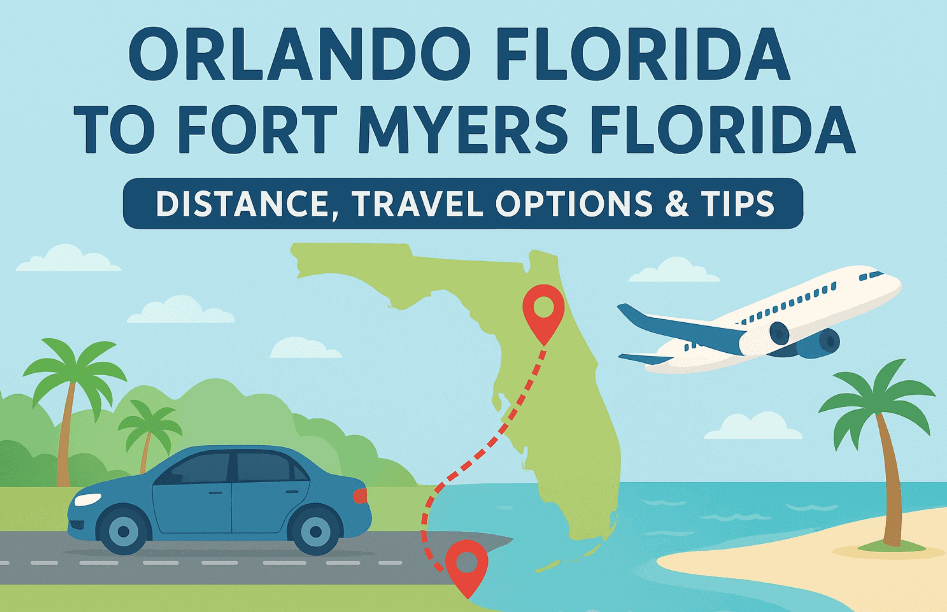
The direct geographical distance between Orlando and Fort Myers is approximately 140-150 miles (225-240 kilometers) as the crow flies. However, road travel naturally involves a slightly longer route. The typical driving distance spans around 160-170 miles (257-273 kilometers), with an average driving time ranging from 2.5 to 3 hours, depending heavily on traffic conditions, specific routes taken, and any stops along the way. This relatively short distance makes the journey between Central Florida and Southwest Florida a popular choice for road trips, offering travelers a diverse range of experiences within a single visit to the state.
Primary Routes and Their Nuances
Several routes connect Orlando to Fort Myers, each offering slightly different characteristics in terms of scenery, speed, and potential for detours.
-
Interstate 4 (I-4) to Interstate 75 (I-75): The Most Direct Route
The most common and generally fastest route involves taking Interstate 4 (I-4) west from Orlando towards Tampa, then merging onto Interstate 75 (I-75) South.- I-4 West: This segment of the journey can be prone to heavy traffic, especially during peak commuter hours around Orlando and nearing the Tampa area. It’s a multi-lane highway, well-maintained, but requires vigilance for congestion and construction.
- I-75 South: Once on I-75 South, the drive becomes considerably more straightforward. I-75 is a major north-south artery through Florida, known for its generally flat terrain and consistent speeds. It bypasses the immediate urban sprawl of Tampa and flows directly south through largely rural areas before reaching the Fort Myers metro region. Exits are well-marked, and gas stations and rest areas are readily available.
-
U.S. Route 27 (US-27) to State Road 60 (SR-60) to I-75: A Scenic Alternative
For those looking to avoid some of the heaviest Interstate traffic or prefer a slightly more scenic, though often slower, route, an alternative involves heading south on U.S. Route 27 (US-27) from Orlando, then taking State Road 60 (SR-60) west towards Tampa, eventually connecting with I-75 South.- US-27 South: This route takes travelers through charming small towns and past citrus groves, offering a glimpse into old Florida. It’s typically a two-lane highway with occasional passing zones.
- SR-60 West: State Road 60 is a significant east-west route that connects with I-75 near Brandon, east of Tampa. This segment can also encounter some local traffic, especially closer to the Tampa metropolitan area.
Considerations for Travel Time
While 2.5 to 3 hours is a good estimate, actual travel time can fluctuate significantly due to several factors:
- Traffic: This is the primary determinant. Commuter traffic around Orlando and Tampa can add 30 minutes to an hour or more to the journey, particularly on weekdays during rush hour (7-9 AM and 4-6 PM). Weekends, especially holiday weekends, can also see increased traffic volume.
- Time of Day/Week: Traveling during off-peak hours (mid-morning, early afternoon, or late evening) typically results in the smoothest drive.
- Seasonality: Florida’s tourist season (roughly November to April) brings more visitors to the state, increasing overall road traffic. Snowbird season can also particularly impact I-75 south of Tampa.
- Construction: Road construction is an ongoing reality on major highways. While typically managed to minimize disruption, unexpected lane closures or detours can occur.
- Stops: Incorporating rest stops, meal breaks, or quick detours will naturally extend the total travel time.
Orlando: A Gateway to Adventure
Orlando, often dubbed the “Theme Park Capital of the World,” serves as a fantastic starting or ending point for any Florida adventure. Its world-renowned attractions draw millions annually, creating a vibrant, energetic atmosphere.
Signature Attractions and Experiences
- Theme Parks: Home to the Walt Disney World Resort (including Magic Kingdom, Epcot, Hollywood Studios, and Animal Kingdom) and Universal Orlando Resort (featuring Universal Studios Florida and Islands of Adventure), Orlando offers unparalleled entertainment for all ages. Beyond the major players, SeaWorld Orlando and LEGOLAND Florida Resort (a short drive southwest) add to the diverse offerings.
- Beyond the Parks: The city also boasts a wealth of other attractions, from the vibrant entertainment and dining complex of ICON Park (home to The Wheel) to the natural beauty of Harry P. Leu Gardens and the interactive exhibits at the Orlando Science Center.
- Logistics: Orlando International Airport (MCO) is one of the busiest airports in the United States, providing extensive domestic and international flight options. A vast array of car rental agencies operate at the airport and throughout the city, making it easy to pick up a vehicle for your journey to Fort Myers.
Fort Myers: The Coastal Gem of Southwest Florida
Upon arriving in Fort Myers, travelers are greeted by a decidedly different ambiance than Orlando. Here, the pace slows, and the focus shifts to the natural beauty of the Gulf Coast and its abundant outdoor activities.
Beaches, Islands, and Historical Charms
- Pristine Beaches: Fort Myers Beach, located on Estero Island, offers miles of soft, white sand and calm, warm waters perfect for swimming, sunbathing, and watersports. Nearby, the islands of Sanibel and Captiva are world-renowned for their exceptional shelling, charming boutiques, and untouched natural beauty.
- Historical Significance: The city holds a unique place in American history as the winter home of two of America’s greatest inventors: Thomas Edison and Henry Ford. Their adjacent estates, now the Edison and Ford Winter Estates, offer a fascinating glimpse into their lives and innovations.
- Nature and Wildlife: Beyond the beaches, the greater Fort Myers area is a haven for nature lovers. The J.N. “Ding” Darling National Wildlife Refuge on Sanibel Island is a prime spot for birdwatching and observing diverse ecosystems. Boating, kayaking, and paddleboarding through the mangrove estuaries are popular ways to explore the local wildlife, including manatees, dolphins, and various bird species.
- Logistics: Southwest Florida International Airport (RSW) serves the Fort Myers area, providing convenient air access. Rental cars are readily available, essential for exploring the sprawling coastal region and nearby islands.
Making the Most of Your Florida Road Trip
Transforming the drive from Orlando to Fort Myers from a simple transit into an integral part of your vacation enhances the overall Florida travel experience. A well-planned road trip allows for flexibility, discovery, and the opportunity to witness the state’s diverse landscapes and attractions.
Potential Detours and Points of Interest
While the direct drive is relatively short, several interesting stops can be made along the main routes or with minor detours:
-
Near I-4/I-75 Split (Tampa Area):
- Busch Gardens Tampa Bay: For those who haven’t had enough thrills in Orlando or prefer a wildlife park with roller coasters, Busch Gardens is an excellent detour, adding a significant amount of time but offering a unique experience.
- Dinosaur World (Plant City): A quirky roadside attraction featuring hundreds of life-sized dinosaur sculptures, perfect for families with young children or anyone looking for a fun, quick stop.
- Lakeland: Known for its beautiful lakes, historic downtown, and the largest collection of Frank Lloyd Wright architecture in the world at Florida Southern College. It’s a pleasant town for a leg stretch and a coffee break.
-
Along US-27/SR-60 (More Scenic Route):
- Lake Wales: Home to Bok Tower Gardens, a stunning National Historic Landmark featuring a 205-foot Singing Tower, lush gardens, and tranquil walking paths. This is a highly recommended stop for nature and architecture enthusiasts.
- Sebring: Known for the Sebring International Raceway, a historic motorsport venue. The town itself offers a charming downtown district and numerous lakes.
Best Time to Travel and Practical Tips
- Optimal Season: The cooler, drier months from November to April are generally considered the best time to visit Florida. This period offers pleasant temperatures for outdoor activities and driving. However, it is also peak tourist season, so expect higher traffic volumes and plan accordingly. The summer months (May to October) bring higher temperatures, humidity, and daily afternoon thunderstorms, which can impact visibility and driving conditions.
- Traffic Avoidance: As mentioned, aim to travel during off-peak hours (between 10 AM and 3 PM on weekdays) to minimize encountering heavy commuter traffic around Orlando and Tampa. Utilize real-time navigation apps (like Google Maps or Waze) for up-to-the-minute traffic updates and alternative route suggestions.
- Vehicle Preparation: Ensure your vehicle is in good working order before embarking on the drive. Check tire pressure, fluid levels, and have a full tank of gas. Florida weather can be unpredictable, so make sure your wipers are functional.
- Essentials for the Road: Pack snacks, water, and car chargers for electronic devices. A good playlist or audiobook can make the drive even more enjoyable. For families, consider travel games or activities for children.
- Sun Protection: Even while driving, Florida’s sun can be intense. Sunglasses are a must, and sunscreen is advisable, especially if you plan any stops where you’ll be outdoors.
The journey from Orlando to Fort Myers is more than just a transition between two points on a map; it’s an opportunity to experience the diverse character of Florida. Whether opting for the efficiency of the interstates or the charm of scenic routes, careful planning ensures a smooth and memorable travel experience, connecting the theme park excitement of Central Florida with the tranquil coastal beauty of the Gulf.
LifeOutOfTheBox is a participant in the Amazon Services LLC Associates Program, an affiliate advertising program designed to provide a means for sites to earn advertising fees by advertising and linking to Amazon.com. Amazon, the Amazon logo, AmazonSupply, and the AmazonSupply logo are trademarks of Amazon.com, Inc. or its affiliates. As an Amazon Associate we earn affiliate commissions from qualifying purchases.