
Understanding the Distance and Driving Experience
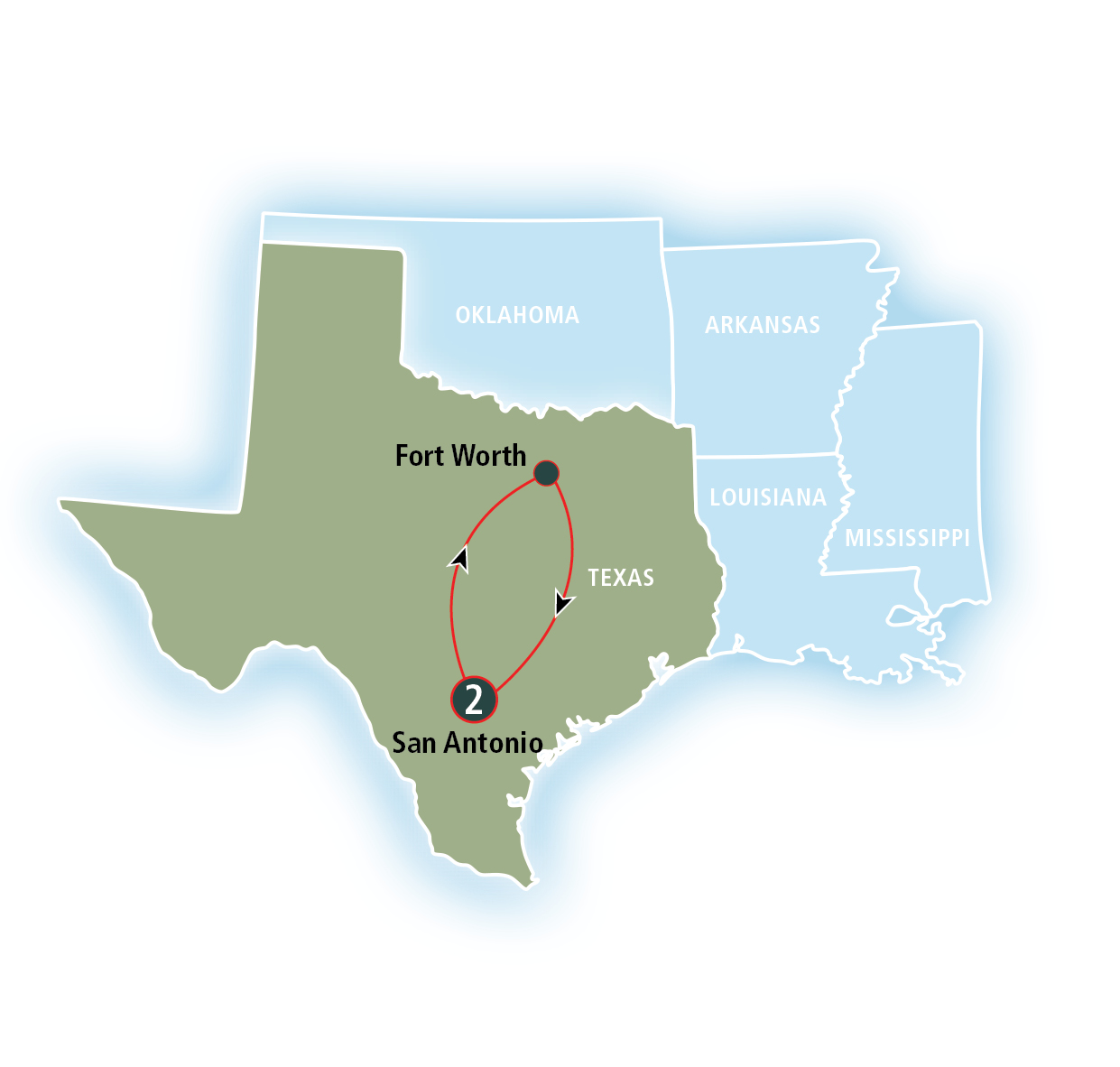
The question of how far it is from Fort Worth, Texas to San Antonio is a common one for travelers planning a road trip through the Lone Star State. The approximate driving distance between these two major Texas cities is around 260 to 280 miles, depending on the specific starting and ending points within each metropolitan area. This translates to a driving time of roughly 4 to 4.5 hours without accounting for any stops or traffic delays.
The primary route connecting these vibrant cities is Interstate 35 (I-35). This major highway offers a relatively straightforward and well-maintained path, making the journey accessible for most vehicles. As you embark on this drive, you’ll traverse a diverse range of Texan landscapes, transitioning from the rolling hills of Central Texas to the more open plains.
Navigating the Route: I-35 South
The most direct and commonly used route to get from Fort Worth to San Antonio involves heading south on I-35. After leaving the sprawling Dallas-Fort Worth Metroplex, the highway winds its way through a series of smaller towns and agricultural areas before reaching the Texas Hill Country.
Key cities and towns you’ll pass by or near include Waco, home to Baylor University and the fascinating Magnolia Market at the Silos. Further south, you’ll encounter Temple and Austin, the vibrant state capital. While Austin itself is a worthy destination and a common stopping point for many, it’s important to note that bypassing it directly is possible if your sole aim is to reach San Antonio efficiently.
Factors Affecting Travel Time
Several factors can influence the actual time it takes to complete this journey. Traffic, especially around major urban centers like the Dallas-Fort Worth Metroplex and Austin, can significantly add to your travel time. Weekends, holidays, and even rush hour on weekdays can create considerable delays.
Road construction is another common factor to consider. Major highways like I-35 are constantly undergoing upgrades and repairs to accommodate the growing population and traffic volume in Texas. It is always advisable to check real-time traffic reports and GPS navigation systems before and during your trip to stay informed about any disruptions.
Weather can also play a role. While Texas generally experiences mild winters, severe thunderstorms, heavy rain, or even occasional icy conditions can impact driving speeds and safety. Summer months can bring intense heat, which, while not directly affecting speed, can make rest stops more crucial.
Finally, your personal driving habits and the number of stops you plan to make will directly impact your overall travel duration. A swift, direct drive will naturally be quicker than one punctuated by multiple sightseeing breaks or extended meal stops.
Planning Your Journey: Stops and Destinations Along the Way
The drive between Fort Worth and San Antonio is more than just a transit between two points; it’s an opportunity to explore some of the unique attractions Texas has to offer. Several cities and points of interest lie along or are easily accessible from the I-35 corridor, making it an ideal route for a scenic and engaging road trip.
Essential Stops for a Memorable Road Trip
- Waco: As mentioned, Waco is a popular stop. Beyond Magnolia Market at the Silos, visitors can explore the Texas Ranger Hall of Fame and Museum, the historic Dr Pepper Museum, and Cameron Park Zoo. It’s an excellent place for a lunch break or an extended visit if time allows.
- Austin: The capital city of Texas is a vibrant hub of culture, music, and food. If you have a few extra hours, a detour into Austin could include a visit to the Texas State Capitol, a stroll along South Congress Avenue for unique shopping and dining, or experiencing the live music scene. Be prepared for potential traffic congestion within the city.
- Georgetown & Round Rock: These charming North Austin suburbs offer a glimpse into small-town Texas life. Georgetown boasts a picturesque town square, and Round Rock is known for its family-friendly attractions.
- New Braunfels: Located between Austin and San Antonio, New Braunfels offers a unique German heritage experience. It is famous for its two major water attractions, Schlitterbahn Waterpark and the natural beauty of the Comal River and Guadalupe River, perfect for tubing or a refreshing dip during warmer months. The historic downtown area also features German bakeries and restaurants.
- San Marcos: Known for its expansive outlet malls, San Marcos is a shopper’s paradise. Additionally, the crystal-clear waters of the San Marcos River provide opportunities for glass-bottom boat tours and kayaking.
When planning your stops, consider how much time you wish to allocate to each location. A single day trip might only allow for one or two brief stops, while an overnight journey could accommodate more extensive exploration.
Alternative Travel Options: Beyond the Road
While driving is the most popular and flexible way to travel between Fort Worth and San Antonio, other transportation methods are available, each with its own set of advantages and considerations.
Flights and Rail: A Different Pace of Travel
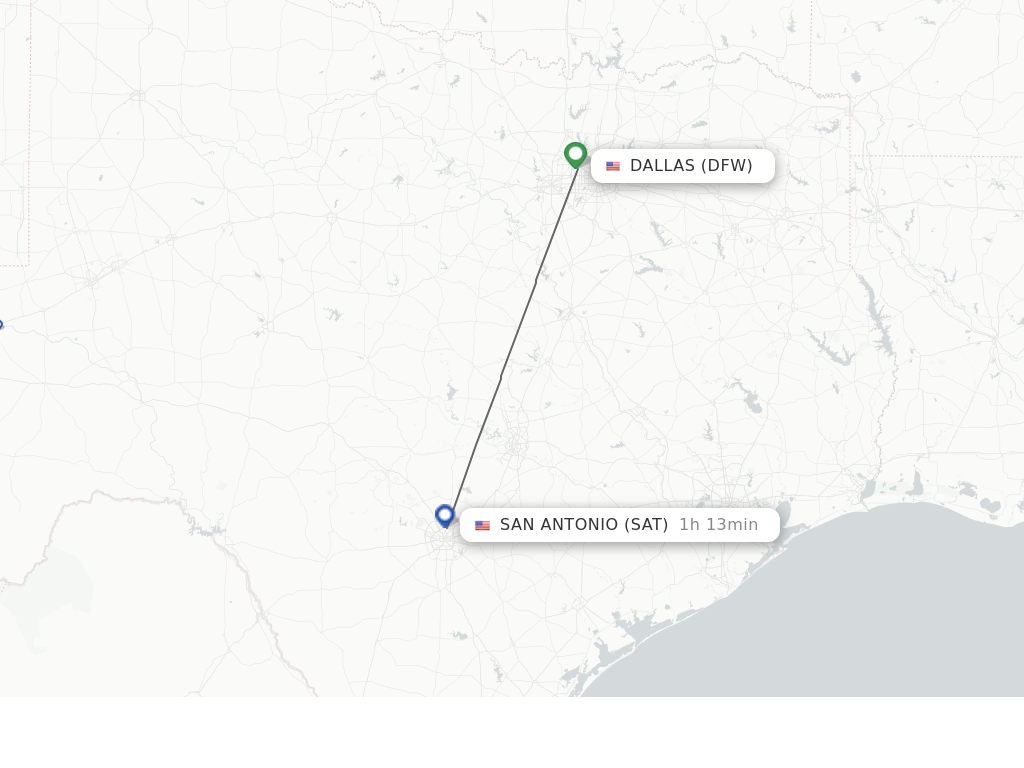
- Flying: Direct flights between Fort Worth Alliance Airport (or Dallas/Fort Worth International Airport) and San Antonio International Airport are available, typically operated by regional carriers. The flight time is very short, usually around one hour. However, when you factor in travel time to and from airports, security procedures, and potential flight delays, the overall door-to-door travel time can be comparable to driving, and often more expensive. This option is best suited for those who prefer to avoid driving or have tight schedules.
- Train Travel: Amtrak offers passenger train services that connect cities across Texas. While there isn’t a direct train route that perfectly mirrors the I-35 corridor in terms of convenience for this specific journey, it’s worth checking their schedules for potential routes that might involve transfers or longer travel times. Train travel can offer a more relaxed experience, allowing passengers to move around and enjoy the scenery without the stress of driving. However, it is generally a slower mode of transport compared to driving or flying for this particular distance.
Bus Services: A Budget-Friendly Choice
Several intercity bus companies operate routes between Fort Worth and San Antonio. Companies like Greyhound and FlixBus provide more economical travel options. These services can be a great choice for budget-conscious travelers or those who prefer not to drive. The journey duration by bus is typically longer than driving directly, often ranging from 5 to 6 hours, depending on the number of stops and the specific route. Passengers can enjoy amenities like Wi-Fi and onboard restrooms, making the trip more comfortable.
Preparing for Your Trip: Tips for a Smooth Journey
Regardless of your chosen mode of transport, careful planning and preparation can significantly enhance your travel experience from Fort Worth to San Antonio. Understanding the essentials can help ensure a smooth and enjoyable trip.

Practical Advice for Travelers
- Vehicle Check: If you are driving, ensure your vehicle is in good working condition. Check tire pressure, oil levels, and brakes. Pack an emergency kit with essentials like a first-aid kit, jumper cables, and a flashlight.
- Navigation Tools: Utilize reliable GPS devices or smartphone applications for real-time traffic updates and directions. Download offline maps in case of spotty cellular service.
- Hydration and Snacks: Texas can get hot, especially during the summer months. Keep plenty of water and non-perishable snacks in your vehicle. This is especially important if you plan to take less-traveled scenic routes or if unexpected delays occur.
- Rest and Breaks: Plan for regular breaks to stretch your legs, use restrooms, and avoid driver fatigue. Factor these stops into your estimated travel time. Consider visiting rest areas or small towns for a more substantial break.
- Accommodation: If you are not making a direct trip, book your accommodation in advance, especially if you are traveling during peak seasons or weekends. Options range from charming bed and breakfasts in smaller towns to larger hotels in cities like Austin or New Braunfels.
- Entertainment: Long drives can benefit from good entertainment. Prepare playlists, podcasts, or audiobooks to keep you engaged. If traveling with family or children, consider travel games or engaging activities.
- Roadside Assistance: If you have a roadside assistance plan, ensure your membership is up-to-date and keep the contact information readily accessible. This can provide peace of mind in case of unexpected vehicle issues.
By considering these factors and planning accordingly, your journey from Fort Worth to San Antonio can be a seamless and enjoyable part of your Texas adventure.
LifeOutOfTheBox is a participant in the Amazon Services LLC Associates Program, an affiliate advertising program designed to provide a means for sites to earn advertising fees by advertising and linking to Amazon.com. Amazon, the Amazon logo, AmazonSupply, and the AmazonSupply logo are trademarks of Amazon.com, Inc. or its affiliates. As an Amazon Associate we earn affiliate commissions from qualifying purchases.