
When planning a trip to Texas, especially to the vibrant North Texas region, understanding the proximity between key cities is essential for seamless travel and maximizing your experience. One of the most common questions for visitors and new residents alike is, “How far is Frisco, Texas from Dallas, Texas?” While seemingly straightforward, the answer involves more than just miles on a map; it encompasses travel time, transportation options, and the distinct attractions that make each city a unique destination. This guide will delve into the practicalities of traveling between these two dynamic cities, helping you plan an unforgettable journey whether it’s for business, leisure, or family adventures. We’ll explore everything from the quickest routes to the diverse activities, accommodation choices, and local culture that define the Dallas-Frisco corridor.
Unpacking the Distance: Frisco and Dallas Proximity
Understanding the geographical relationship between Frisco and Dallas is the first step in planning any excursion in North Texas. While Frisco has grown significantly into a major city in its own right, it remains an integral part of the broader Dallas-Fort Worth metropolitan area, often referred to as the DFW Metroplex.
The Straightforward Answer: Miles and Minutes
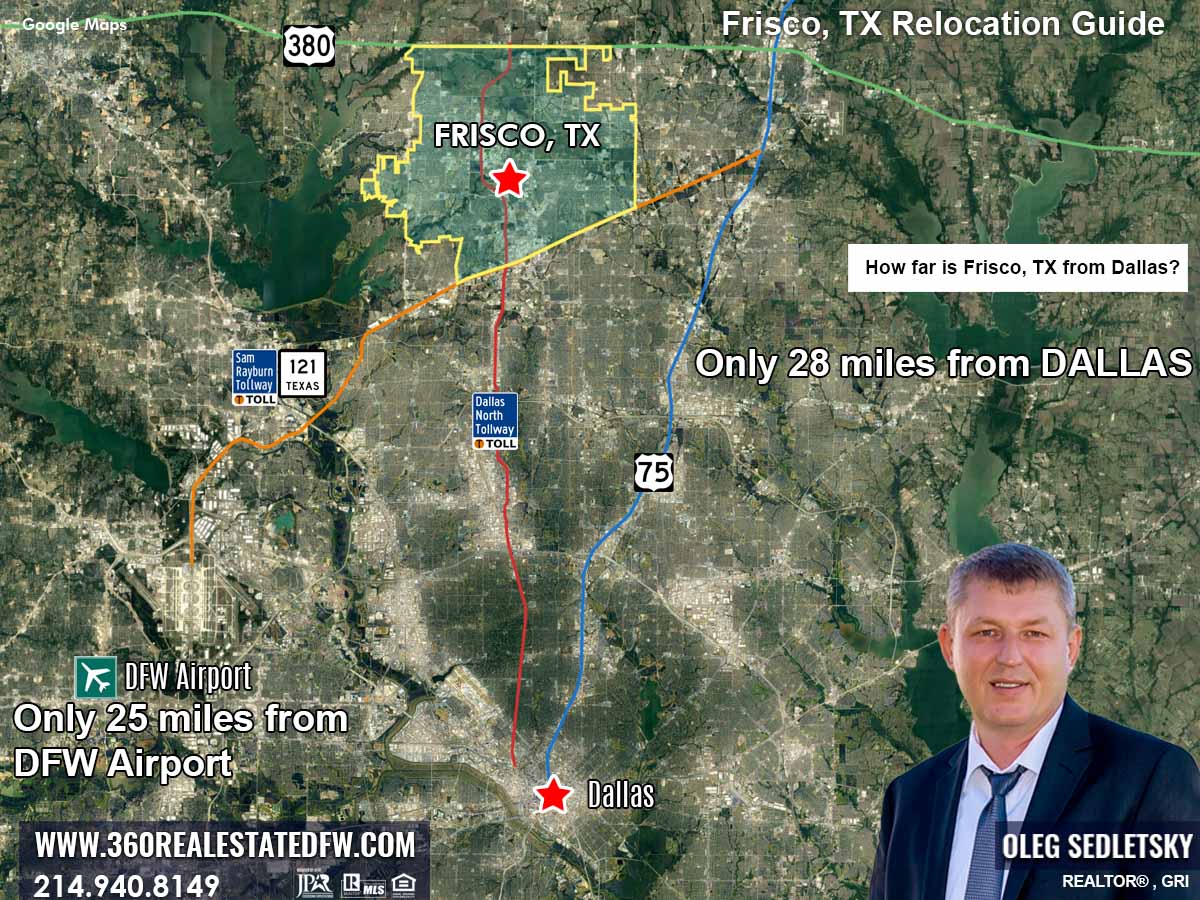
The direct distance between downtown Dallas and downtown Frisco is approximately 25 to 30 miles (40 to 48 kilometers). This measurement, however, is a straight-line distance, which isn’t always indicative of actual travel time by road. When traveling by car, which is the predominant mode of transport in this region, the journey typically takes anywhere from 30 to 45 minutes under ideal traffic conditions. This relatively short distance makes it easy for visitors and residents to commute between the two cities for work, entertainment, or cultural experiences.
Frisco is situated to the north of Dallas, primarily accessible via major highways such as the Dallas North Tollway (DNT) and U.S. Route 75 (Central Expressway). These well-maintained arteries connect the bustling urban core of Dallas with the rapidly expanding suburbs to the north, creating a vital link for commerce and tourism. The ease of access is a significant factor in Frisco’s growth as a popular destination for sports, entertainment, and family activities, allowing visitors to leverage the extensive amenities of both cities during their stay.
Factors Influencing Travel Time: Traffic and Routes
While the average travel time seems minimal, it’s crucial to acknowledge that traffic can significantly impact your journey. Like any major metropolitan area, North Texas experiences peak hour congestion, particularly during weekday mornings (7:00 AM – 9:00 AM) and evenings (4:00 PM – 6:30 PM). During these times, a 30-minute drive can easily extend to an hour or more, especially on the Dallas North Tollway.
For those planning to travel during peak hours, it’s advisable to consult real-time traffic applications or consider alternative routes. While the DNT offers the most direct path, U.S. Route 75 provides another major north-south corridor, though it too can experience heavy traffic. Lesser-known surface streets and state highways might offer relief, but generally add significant mileage and travel time. Therefore, flexibility in your travel schedule or allowing ample buffer time is a practical strategy to avoid stress and ensure a smooth transit between Frisco and Dallas.
Navigating North Texas: Transportation Options Between Frisco and Dallas
Traveling between Frisco and Dallas offers several transportation choices, each with its own advantages, depending on your budget, schedule, and preferences. The region’s infrastructure is primarily car-centric, but other options are available for those who prefer not to drive.
Driving: The Most Common Method
For most visitors and residents, driving remains the most convenient and flexible way to travel between Frisco and Dallas. The widespread availability of rental cars at Dallas-Fort Worth International Airport (DFW) and Dallas Love Field (DAL) makes it easy to secure personal transportation upon arrival. As mentioned, the Dallas North Tollway is the most direct route, typically requiring tolls, which can be paid electronically via a TxTag or through mail-in billing. U.S. Route 75 is another major artery that offers a toll-free alternative, albeit often with more congestion.
Having a car allows for spontaneous exploration of attractions in both cities and the wider North Texas region, providing the freedom to set your own itinerary. Parking is generally available, though it can be expensive and challenging in downtown Dallas during peak times or major events. In Frisco, parking is typically more abundant and often free, especially around major entertainment complexes and shopping centers.
Public Transportation and Ride-Sharing Alternatives
While public transportation in Dallas itself is robust, particularly with the Dallas Area Rapid Transit (DART) light rail and bus system, its reach does not yet extend directly into Frisco. DART operates a comprehensive network within Dallas and some surrounding suburbs like Plano and Richardson, which are closer to Frisco. You could, in theory, take DART to a northern suburb and then use a ride-sharing service, but this would be a multi-modal journey and likely time-consuming.
Ride-sharing services like Uber and Lyft are readily available in both Frisco and Dallas, offering a convenient door-to-door solution without the need for a rental car or navigating traffic. The cost for a ride-share between the two cities can vary significantly based on demand, time of day, and specific pick-up/drop-off points, but typically ranges from $40 to $70. This option is particularly appealing for those who prefer not to drive, are traveling for events, or plan to enjoy Dallas’s nightlife. Traditional taxi services are also an option, though often less economical than ride-sharing.
Planning Your Route: Tips for a Smooth Journey
To ensure a smooth journey between Frisco and Dallas, consider these tips:
- Check Traffic Before You Go: Utilize GPS apps like Google Maps, Waze, or Apple Maps for real-time traffic updates and estimated travel times.
- Travel Off-Peak: If possible, plan your travel during non-commute hours (late morning, early afternoon, or late evening) to minimize delays.
- Factor in Tolls: If using the Dallas North Tollway, ensure you have a TxTag or understand the mail-in billing process for tolls.
- Parking Strategy: Research parking options and costs at your destination in Dallas beforehand, especially if attending a major event.
- Consider Purpose: If you’re attending a specific event, check if the venue offers shuttle services or dedicated ride-share zones.
Why Visit? Exploring the Best of Frisco and Dallas
Both Frisco and Dallas offer a wealth of attractions and experiences, catering to a diverse range of interests. Understanding what each city brings to the table can help you decide where to focus your exploration or how to combine visits to both.
Frisco: Sports, Entertainment, and Family Fun
Frisco has rapidly transformed into a premier destination for sports, entertainment, and family-friendly activities, often earning it the moniker “Sports City USA”. Its development around major sports franchises and entertainment districts makes it particularly appealing for specific types of travelers.
One of Frisco’s crown jewels is The Star, the 91-acre campus and world headquarters of the Dallas Cowboys. Beyond being a training facility, The Star features the Ford Center, a multi-use indoor stadium, numerous shops, restaurants, and a luxury hotel, the Omni Frisco Hotel. Visitors can take guided tours, dine at upscale eateries, or simply soak in the electric atmosphere, especially during football season.

For soccer enthusiasts, Toyota Stadium is home to FC Dallas (Major League Soccer) and the National Soccer Hall of Fame, offering year-round matches and events. Other unique attractions include the National Videogame Museum, a nostalgic and interactive journey through gaming history, and the Museum of the American Railroad, showcasing historic trains and railway artifacts. Shopping is also a major draw, with Stonebriar Centre providing a vast array of retail options, dining, and entertainment, including an IMAX theater. Frisco’s blend of high-energy sports, engaging museums, and family-oriented amenities makes it an ideal choice for a dynamic and fun-filled trip.
Dallas: Culture, Cuisine, and Cosmopolitan Charm
Dallas, the larger and more established city, offers a cosmopolitan experience rich in culture, art, history, and diverse culinary scenes. It caters to a different, often more adult-oriented, set of interests, though it also boasts plenty of family attractions.
The Dallas Arts District is a sprawling urban arts campus, home to world-class institutions like the Dallas Museum of Art, the Nasher Sculpture Center, and the Winspear Opera House. Nearby, Klyde Warren Park, an urban deck park built over a freeway, connects the Arts District with downtown and uptown Dallas, offering green space, food trucks, and free programming.
For a deep dive into history, the Sixth Floor Museum at Dealey Plaza provides a poignant look into the assassination and legacy of President John F. Kennedy. Architectural marvels like Reunion Tower offer breathtaking panoramic views of the city skyline. Family attractions like the Dallas World Aquarium and the Dallas Zoo are popular choices, while neighborhoods like Deep Ellum and Lower Greenville buzz with live music, unique boutiques, and a vibrant nightlife. The culinary scene in Dallas is incredibly diverse, ranging from upscale fine dining to authentic Tex-Mex and innovative fusion restaurants, ensuring every palate is satisfied.
Beyond the Cities: Nearby Attractions and Day Trips
The strategic location of Frisco and Dallas in North Texas also makes them excellent bases for exploring other regional highlights. A short drive west will take you to Fort Worth, renowned for its Western heritage, including the historic Stockyards National Historic District and world-class museums in the Cultural District. To the east, cities like Plano and Richardson offer their own unique attractions and dining experiences, often with a more suburban feel. Sports fans might also consider a trip south to Arlington to catch a Texas Rangers baseball game at Globe Life Field or a Dallas Cowboys game at AT&T Stadium, an impressive architectural feat.
Accommodation and Lifestyle: Making the Most of Your North Texas Stay
When planning your visit to North Texas, selecting the right accommodation is key to enhancing your experience. Both Frisco and Dallas offer a wide range of hotels, resorts, and long-term stay options, catering to different preferences and budgets.
Choosing Your Base: Hotels and Resorts in Both Cities
In Dallas, you’ll find an extensive selection of luxury hotels and business-friendly accommodations in the downtown, Uptown, and Arts District areas. Options like the Omni Dallas Hotel provide direct access to the convention center and Arts District, while the Hilton Anatole offers a resort-like experience with impressive amenities. For those seeking boutique luxury, The Joule stands out with its art-filled interiors and prime downtown location. The Hyatt Regency Dallas, adjacent to Reunion Tower, is another popular choice offering stunning views. These hotels are ideal for travelers primarily interested in Dallas’s urban attractions, business engagements, or high-end dining and nightlife.
Frisco, on the other hand, boasts newer properties, many of which are integrated into its sports and entertainment complexes. The Omni Frisco Hotel at The Star is a prime example, offering a luxurious stay directly amidst the Dallas Cowboys’ headquarters. For those attending events at the Convention Center or seeking family-friendly suites, the Embassy Suites by Hilton Dallas Frisco Convention Center & Spa is a popular choice. Frisco’s hotels often provide excellent value, modern amenities, and easier access to suburban attractions and family entertainment venues. Many offer spacious suites suitable for families or extended stays, often with complimentary breakfasts and evening receptions.
Tailoring Your Trip: Luxury, Budget, Family, and Business Travel
The diverse offerings in both cities mean you can easily tailor your trip to your specific lifestyle and budget.
- Luxury Travel: Dallas’s high-end hotels and exclusive dining experiences in Uptown and the Arts District, combined with Frisco’s upscale shopping and sports experiences, cater perfectly to luxury travelers.
- Budget Travel: More affordable hotel chains and budget-friendly eateries are available in both cities, especially slightly outside the main entertainment hubs. Consider staying in cities like Plano or Richardson for potentially lower hotel rates if you don’t mind a slightly longer commute.
- Family Trips: Frisco excels in family entertainment, from sporting events to the National Videogame Museum. Dallas also offers attractions like the Dallas World Aquarium and the Perot Museum of Nature and Science. Many hotels in both areas offer pools and kid-friendly amenities.
- Business Stays: Both cities are significant business hubs. Dallas has a vast array of convention hotels and corporate facilities, while Frisco has emerged as a major player in corporate relocations and conferences, particularly around the Frisco Conference Center. Hotels often provide business centers, meeting rooms, and executive lounges.
Culinary Adventures: Dining in Frisco and Dallas
The North Texas food scene is a culinary paradise. Dallas boasts a sophisticated and diverse array of dining options, from celebrity chef restaurants in Uptown to authentic Tex-Mex and BBQ joints across the city. Neighborhoods like Bishop Arts District offer an eclectic mix of independent eateries, while Deep Ellum is known for its vibrant nightlife and casual dining. Frisco has also developed a thriving food scene, particularly around its entertainment complexes. The Star features numerous high-quality restaurants, and Stonebriar Centre provides a variety of family-friendly and fast-casual options. Both cities offer fantastic opportunities for local food exploration, from upscale dining to casual bites.
Planning Your North Texas Adventure: Essential Tips
A well-planned itinerary can elevate your North Texas trip, ensuring you make the most of your time between Frisco and Dallas.
Best Time to Visit
The spring (March to May) and fall (September to November) offer the most pleasant weather for visiting North Texas. Temperatures are mild, making it ideal for outdoor activities and exploring city attractions without the intense summer heat. Summers (June to August) can be very hot and humid, while winters (December to February) are generally mild but can have occasional cold snaps. Consider attending major events like the State Fair of Texas in the fall for a truly iconic experience.
Booking and Reviews: Ensuring a Seamless Experience
Before your trip, it’s advisable to book your accommodations and any high-demand attractions or tours in advance, especially during peak seasons or major events. Utilize reputable booking platforms and pay attention to guest reviews to choose hotels and experiences that align with your expectations. Comparing prices and amenities across different platforms can also help you find the best deals for hotels, rental cars, and flights. For long-term stays, consider checking out apartment or villa rentals in both cities.

Local Culture and Events
Immersing yourself in the local culture of North Texas can greatly enrich your visit. Check local event calendars for festivals, concerts, sports games, and art exhibitions happening during your stay. Dallas frequently hosts major concerts and theatrical performances, while Frisco is a hub for sporting events. Don’t forget to sample local delicacies like authentic Texas BBQ and Tex-Mex cuisine, and explore the unique neighborhoods that define the region’s character.
In conclusion, the distance between Frisco and Dallas is easily manageable, typically ranging from 25 to 30 miles, with travel times of 30 to 45 minutes under clear conditions. With a range of transportation options, abundant attractions, and diverse accommodation choices, North Texas offers a dynamic travel experience for everyone. By understanding the logistics and leveraging the unique offerings of each city, you’re set for an incredible journey through this vibrant part of the Lone Star State.
LifeOutOfTheBox is a participant in the Amazon Services LLC Associates Program, an affiliate advertising program designed to provide a means for sites to earn advertising fees by advertising and linking to Amazon.com. Amazon, the Amazon logo, AmazonSupply, and the AmazonSupply logo are trademarks of Amazon.com, Inc. or its affiliates. As an Amazon Associate we earn affiliate commissions from qualifying purchases.