
Embarking on a journey across Florida, from the sun-drenched beaches of Miami to the enchanting theme park capital of Orlando, is a common and exciting travel plan for many visitors and residents of the United States. Whether you’re planning a family vacation, a romantic getaway, or a business trip, understanding the distance and various travel options between these two iconic Florida cities is the first step towards a seamless experience. This comprehensive guide will not only detail the exact distance and travel times but also delve into the best ways to make the journey, what to expect along the way, and highlight the myriad attractions, accommodations, and lifestyle experiences that await you in both vibrant destinations. From the logistics of transportation to curated tips for an unforgettable trip, we cover everything you need to know to transform your travel plans into a memorable adventure.
The Distance Unpacked: Miami to Orlando
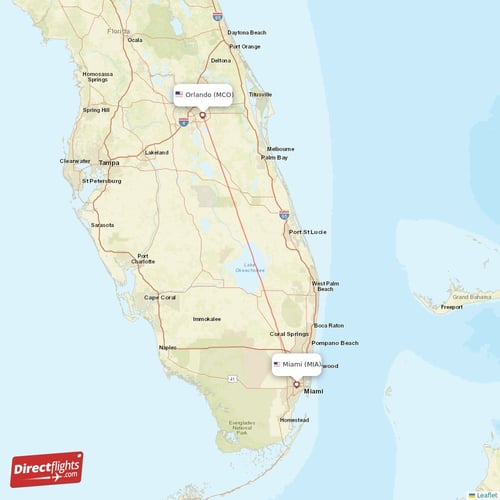
Understanding the geographical relationship between Miami and Orlando is crucial for planning your travel. While both cities are major hubs in Florida, they are situated in different parts of the state, with Miami firmly rooted in the southeast and Orlando residing in the central region. This separation offers a diverse experience from the coastal vibrancy of South Florida to the inland entertainment mecca.
Straight Line vs. Driving Routes
When discussing distance, it’s important to differentiate between the “as the crow flies” measurement and the actual driving distance. The straight-line distance, or air distance, between Miami and Orlando is approximately 200 miles (322 kilometers). This is the shortest possible measure and is primarily relevant for air travel. However, for those traveling by land, the route involves following roads and highways, which naturally adds to the total mileage.
The actual driving distance typically ranges between 230 to 250 miles (370 to 400 kilometers), depending on the specific route taken and the starting and ending points within each metropolitan area. This difference accounts for the necessary turns, highway configurations, and city navigation that are part of any road trip.

Key Routes and Mileage
There are two primary routes that connect Miami and Orlando by road, each offering slightly different travel times and characteristics:
-
Florida’s Turnpike (SR 91): This is generally considered the fastest and most direct route. It is a toll road, meaning you’ll need to account for electronic tolls (via SunPass or PlatePay) or cash at certain exits. The distance via Florida’s Turnpike is approximately 235-240 miles (378-386 kilometers). The journey typically takes about 3.5 to 4 hours without significant traffic, although this can extend considerably during peak travel times, holidays, or due to unforeseen road incidents. The Turnpike is known for its well-maintained roads and fewer stops, making it a preferred choice for those prioritizing speed.
-
I-95 North to SR 528 (Beachline Expressway): This route involves taking I-95 northbound from Miami up to just south of Orlando, then transitioning onto State Road 528 (also a toll road), which leads directly into the Orlando area, especially convenient if you are heading towards the theme parks. The distance via this route is slightly longer, usually around 245-250 miles (394-402 kilometers), and the travel time can be similar to the Turnpike, often around 4 to 4.5 hours, depending on traffic congestion, particularly around larger cities like Fort Lauderdale and West Palm Beach along I-95. Some travelers prefer I-95 for the option to stop at coastal cities or attractions along the way, such as the Kennedy Space Center Visitor Complex.
It’s important for travelers to consider real-time traffic conditions, which can be checked via navigation apps like Google Maps or Waze, as these can significantly impact travel times, particularly during morning and evening rush hours or on weekends.
Navigating Your Journey: Transportation Options
Traveling between Miami and Orlando offers a diverse array of transportation options, each with its own set of advantages and considerations. Your choice will likely depend on your budget, desired travel time, comfort preferences, and whether you need a vehicle upon arrival.
Driving: The Most Popular Choice
Driving remains the most popular method of travel between these two Florida cities, offering unparalleled flexibility and convenience.
- Pros: Freedom to set your own schedule, make stops along the way, and have a car for local exploration in both Miami and Orlando. Ideal for families or those carrying significant luggage.
- Cons: Potential for traffic delays, cost of gas and tolls (especially on Florida’s Turnpike and SR 528), and the need to arrange parking at your destination.
- Estimated Travel Time: Approximately 3.5 to 4.5 hours, barring heavy traffic.
- Tips for a Smooth Road Trip: Ensure your vehicle is in good condition, or if renting, choose a reputable car rental company. Plan your route in advance, keeping in mind the toll roads. Consider downloading offline maps. Pack snacks, drinks, and entertainment for passengers. If you’re looking for unique experiences, consider making a stop at places like Everglades National Park if you veer slightly off course, or a quick detour to Vero Beach for a taste of coastal charm.

Bus Travel: A Budget-Friendly Alternative
For travelers seeking a more economical option without the hassle of driving, bus services provide a viable solution.
- Companies: Major operators like Greyhound and RedCoach offer multiple daily departures between Miami and Orlando.
- Pros: Generally the cheapest mode of transport, no need to worry about driving or parking, and often includes amenities like Wi-Fi and power outlets.
- Cons: Longer travel times compared to driving or flying, less flexibility with schedules, and potential for multiple stops.
- Estimated Travel Time: Typically 4.5 to 6 hours, depending on the number of stops and traffic.
- Comfort and Cost: Fares vary based on booking in advance and class of service (e.g., RedCoach offers more spacious seating).
Train Travel: A Scenic and Relaxing Option
Train travel between Miami and Orlando has historically been available through Amtrak, offering a more leisurely journey.
- Amtrak: Amtrak provides service connecting Miami’s main station to Orlando Station.
- Brightline: A newer, high-speed rail service, Brightline, has recently expanded its route to connect MiamiCentral Station directly to Orlando International Airport, offering a much faster and luxurious experience. This is a game-changer for many travelers.
- Pros: Relaxing travel with comfortable seating, dining options, and the ability to work or enjoy the scenery. Brightline offers premium amenities and significantly reduced travel times.
- Cons: Fewer daily departures compared to buses or flights, potentially higher cost than bus, and may require additional local transport to/from stations.
- Estimated Travel Time: Amtrak can take around 5-6 hours. Brightline offers a much faster journey, typically around 3 hours to 3.5 hours, making it highly competitive with driving for speed.
Flying: The Quickest Route
For those prioritizing speed above all else, flying is the fastest way to get from Miami to Orlando.
- Airports: Flights operate between Miami International Airport (MIA) and Orlando International Airport (MCO).
- Pros: Short flight time, typically less than an hour in the air.
- Cons: This option often becomes the most expensive when factoring in airport transfers, baggage fees, and the time spent on check-in, security, and boarding. It also eliminates any potential for scenic stops.
- Flight Duration: Actual flight time is about 1 hour. However, the total travel time, including airport commute and wait times, can easily amount to 3-5 hours, making it comparable to, or sometimes longer than, the quickest driving or Brightline options.
- Cost Comparison: While the flight ticket itself might seem cheap, don’t forget the added costs for taxis, ride-shares, or parking at both ends, which can quickly add up.
Making the Most of Your Trip: What to See and Do
The journey between Miami and Orlando bridges two distinct worlds within Florida, each offering a unique tapestry of attractions, culture, and experiences. Understanding what awaits you at each destination can help shape your travel plans and maximize your enjoyment.
Miami’s Vibrant Charms
Miami, often dubbed the “Magic City,” is a global epicenter of finance, commerce, culture, arts, and international trade. Its allure lies in its stunning beaches, dynamic nightlife, rich Art Deco Historic District, and a vibrant fusion of cultures, particularly Latin American influences.
- Iconic Attractions:
- South Beach: Famous for its pristine sands, clear turquoise waters, and lively atmosphere, South Beach is perfect for sunbathing, swimming, and people-watching. The colorful lifeguard stands are a signature landmark.
- Art Deco Historic District: Wander through Ocean Drive and Collins Avenue to admire the pastel-hued buildings from the 1930s and ’40s. These architectural gems are a testament to Miami’s unique design heritage.
- Little Havana: Immerse yourself in Cuban culture along Calle Ocho. Enjoy authentic Cuban coffee, watch cigars being rolled, listen to live music, and join a game of dominoes at Maximo Gomez Park.
- Vizcaya Museum & Gardens: This opulent European-inspired estate and gardens offers a glimpse into Miami’s gilded age, boasting exquisite architecture, art collections, and breathtaking waterfront views.
- Wynwood Walls: A sprawling outdoor street art museum, Wynwood Walls features murals by world-renowned artists, transforming an industrial area into an vibrant artistic hub.
- Lifestyle & Culture: Miami boasts an unparalleled nightlife scene, from sophisticated lounges to high-energy dance clubs. Its culinary landscape is equally diverse, offering everything from upscale dining to casual Latin eateries. The city’s fashion scene, art festivals, and music events further solidify its status as a cultural hotspot.
- Accommodation in Miami: From luxury resorts to boutique hotels, Miami offers a wide range of accommodation. Consider iconic stays like the Fontainebleau Miami Beach for a lavish experience, or the Kimpton EPIC Hotel for urban chic. For a more budget-friendly yet stylish option, the Pestana Miami South Beach provides comfort close to the action.
Orlando’s World-Renowned Attractions
Orlando, often referred to as “The Theme Park Capital of the World,” is synonymous with magic, adventure, and family-friendly entertainment. It’s a destination that promises endless fun and unforgettable memories for visitors of all ages.
- Theme Park Magnets:
- Walt Disney World Resort: The crown jewel of Orlando, featuring four major theme parks – Magic Kingdom (home to Cinderella’s Castle), Epcot (celebrating innovation and global cultures), Hollywood Studios (for movie magic and Star Wars: Galaxy’s Edge), and Animal Kingdom (exploring wildlife and Pandora – The World of Avatar).
- Universal Orlando Resort: This resort complex includes Universal Studios Florida and Islands of Adventure, famous for the Wizarding World of Harry Potter, thrilling rides, and immersive entertainment.
- SeaWorld Orlando: Combines marine animal shows, aquariums, and exhilarating roller coasters for a unique blend of education and entertainment.
- Beyond Theme Parks:
- ICON Park: A vibrant entertainment complex on International Drive, featuring the 400-foot The Wheel at ICON Park Orlando, Madame Tussauds, and SEA LIFE Orlando Aquarium.
- Gatorland: A classic Florida attraction, Gatorland is a 110-acre theme park and wildlife preserve, home to thousands of alligators and crocodiles, offering thrilling shows and ziplining adventures.
- Old Town Kissimmee: For a dose of classic American charm, Old Town Kissimmee offers car shows, unique shops, and family rides.
- Lifestyle & Tourism: Orlando is a haven for family tourism, with countless dining options ranging from character meals to fine dining, extensive shopping at outlets and malls, and a burgeoning arts and culture scene. The areas of Lake Buena Vista and Kissimmee are particularly popular for resort stays.
- Accommodation in Orlando: As a world-class tourist destination, Orlando boasts an incredible selection of hotels and resorts. For luxury, consider the Waldorf Astoria Orlando or Loews Portofino Bay Hotel within Universal Orlando Resort. For spacious family accommodations, Floridays Resort Orlando offers excellent suites and amenities. Beyond resorts, there are numerous budget-friendly hotels and vacation rentals to suit every need.
Planning Your Stay: Accommodation and Tips
A successful trip from Miami to Orlando extends beyond just understanding the distance and transportation; it involves meticulous planning of your stay and being prepared for your destinations.
Finding the Perfect Hotel
Accommodation is a significant aspect of any travel budget and experience. Both Miami and Orlando offer an extensive range of options, from lavish five-star resorts to cozy budget-friendly motels and sprawling vacation villas.
- Consider Your Budget and Style: Are you looking for luxury travel with all the amenities, or a more budget-conscious stay? Miami has a reputation for upscale hotels and boutique experiences, while Orlando excels in family-friendly resorts and vacation home rentals.
- Location, Location, Location: In Miami, decide if you prefer the beach action of South Beach, the vibrant art scene of Wynwood, or the cultural immersion of Little Havana. In Orlando, proximity to Walt Disney World Resort, Universal Orlando Resort, or the International Drive area will heavily influence your convenience.
- Types of Accommodation:
- Resorts: Offer extensive amenities like pools, dining, and activities, often found in Orlando’s theme park vicinity and Miami’s beachfront.
- Hotels/Suites: Ranging from economy to luxury, providing standard services. Suites offer more space, ideal for families.
- Apartments/Villas: Particularly popular in Orlando for longer stays or larger groups, providing a home-away-from-home feel with kitchens and multiple bedrooms.
- Booking and Reviews: Utilize reputable booking platforms. Always read recent reviews to gauge guest experiences, cleanliness, and actual amenities. Comparing prices across different sites can also help you find the best deals. Early booking, especially during peak seasons, is highly recommended.
Essential Travel Tips
A little foresight can go a long way in ensuring your trip is smooth and enjoyable.
- Best Time to Visit: Florida generally enjoys pleasant weather, but distinct seasons exist.
- Winter (November to April): Mild temperatures and lower humidity make this the most popular time, especially for Miami’s beaches and Orlando’s outdoor activities. Expect higher prices and crowds.
- Summer (May to October): Hot, humid, and prone to afternoon thunderstorms and hurricane season. Prices might be lower, but parks will be crowded with families on summer break.
- Packing Essentials:
- Sun Protection: Sunscreen, hats, and sunglasses are non-negotiable year-round.
- Comfortable Footwear: Essential for extensive walking, especially in theme parks or exploring cityscapes.
- Light Clothing: Breathable fabrics like cotton are best for Florida’s climate.
- Rain Gear: A light poncho or umbrella is useful for unexpected showers, particularly in summer.
- Reusable Water Bottle: Stay hydrated, especially in the heat.
- Budgeting and Saving Tips:
- Flights/Hotels: Book well in advance for better rates. Consider package deals.
- Food: While dining out is part of the experience, balancing it with self-prepared meals (if your accommodation allows) or cheaper local eateries can save money.
- Attractions: Look for discount tickets online or multi-park passes.
- Transportation: Carpooling, using public transport, or ride-sharing apps can cut costs.
- Local Transportation within Cities: Both Miami and Orlando have public transportation options, though a rental car or ride-sharing services often provide more convenience for tourists, especially when visiting widespread attractions. In Miami, the Metromover is free and covers Downtown and Brickell. In Orlando, the I-RIDE Trolley is great for International Drive.
The journey from Miami to Orlando is more than just covering a distance; it’s an opportunity to experience the diverse landscape and vibrant culture of Florida. Whether you choose the efficiency of Brightline, the flexibility of a road trip, or the budget-friendliness of a bus, careful planning ensures a smooth transition between these two extraordinary destinations. From the dazzling beaches and nightlife of Miami to the magical theme parks and family fun of Orlando, your Florida adventure awaits. By leveraging the insights on distance, travel modes, local attractions, and practical tips, you can craft a personalized itinerary that promises an unforgettable experience. Safe travels!
LifeOutOfTheBox is a participant in the Amazon Services LLC Associates Program, an affiliate advertising program designed to provide a means for sites to earn advertising fees by advertising and linking to Amazon.com. Amazon, the Amazon logo, AmazonSupply, and the AmazonSupply logo are trademarks of Amazon.com, Inc. or its affiliates. As an Amazon Associate we earn affiliate commissions from qualifying purchases.