
The journey between the iconic northern Californian metropolis of San Francisco and the sprawling southern Californian hub of Los Angeles is more than just a trip; it’s an experience that defines the essence of California travel. While a direct answer to “how far” can be measured in miles, the true distance is often appreciated through the diverse landscapes, vibrant cultures, and countless attractions encountered along the way. Whether you’re seeking the fastest route for a business meeting, a leisurely scenic drive, or an adventure by air or rail, understanding the various options and what each entails is key to planning your perfect California escapade.
Typically, the most direct driving distance between San Francisco and Los Angeles spans approximately 380 to 400 miles (610 to 645 kilometers), depending on the specific starting and ending points within each vast city. However, this number is merely a starting point. The actual travel time and the memories you collect will vary dramatically based on your chosen mode of transport, the route you take, and how many captivating stops you decide to make along the scenic pathways that connect these two magnificent destinations.
The Core Journey: Distance and Travel Time
The road trip from San Francisco to Los Angeles is a quintessential California adventure, offering a spectrum of experiences from swift, efficient travel to breathtaking, leisurely explorations. Each major route provides a unique perspective on the state’s diverse geography and attractions.
Direct Routes: The Fastest Way
For travelers prioritizing speed and efficiency, the inland route via Interstate 5 (I-5) is unequivocally the fastest option. This route typically covers about 380 to 400 miles and, under ideal traffic conditions, can be completed in approximately 5.5 to 6.5 hours of continuous driving. However, “ideal conditions” are a luxury, especially around urban areas. Peak traffic hours in both San Francisco and Los Angeles, as well as along the Grapevine pass south of Bakersfield, can easily extend travel times.
The I-5 corridor is primarily agricultural, traversing the vast Central Valley of California. While it’s efficient, it’s not renowned for its scenic beauty or tourist attractions. Stops are generally limited to gas stations, fast-food restaurants, and roadside amenities. It’s the route favored by commuters, truckers, and those on a strict schedule. If you opt for this route, ensure your vehicle is well-maintained and consider leaving early in the morning to bypass the worst of the urban congestion.
The Scenic Route: Highway 1 (Pacific Coast Highway)
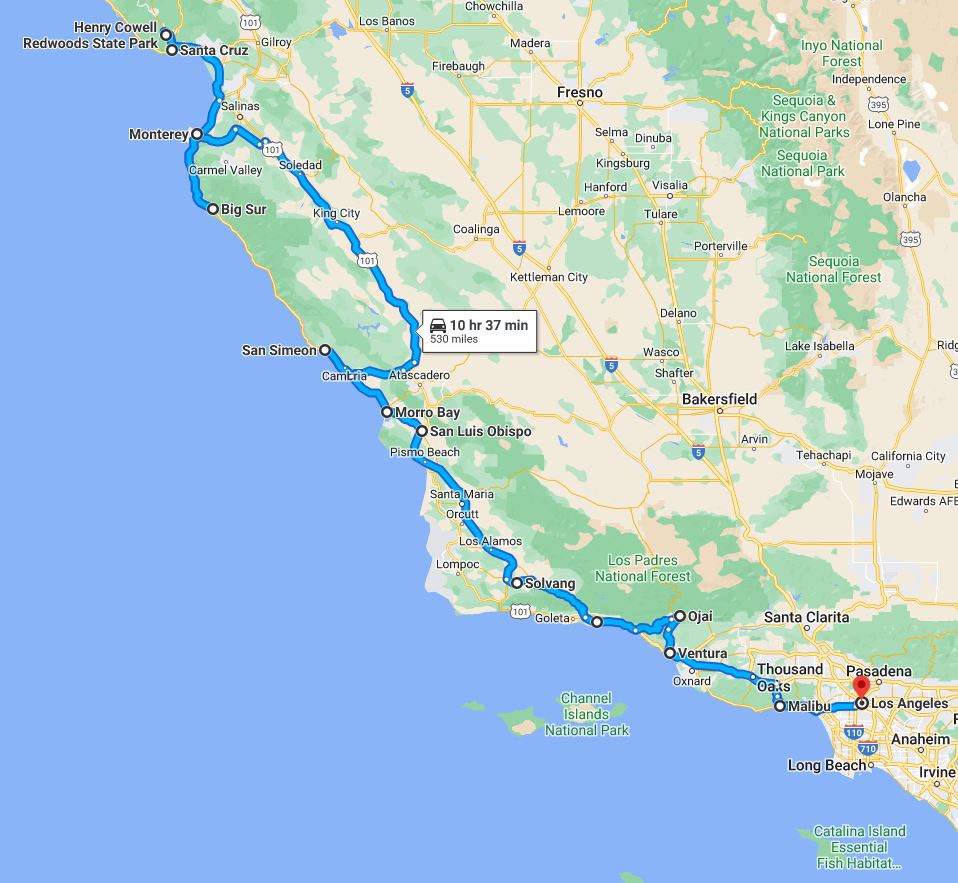
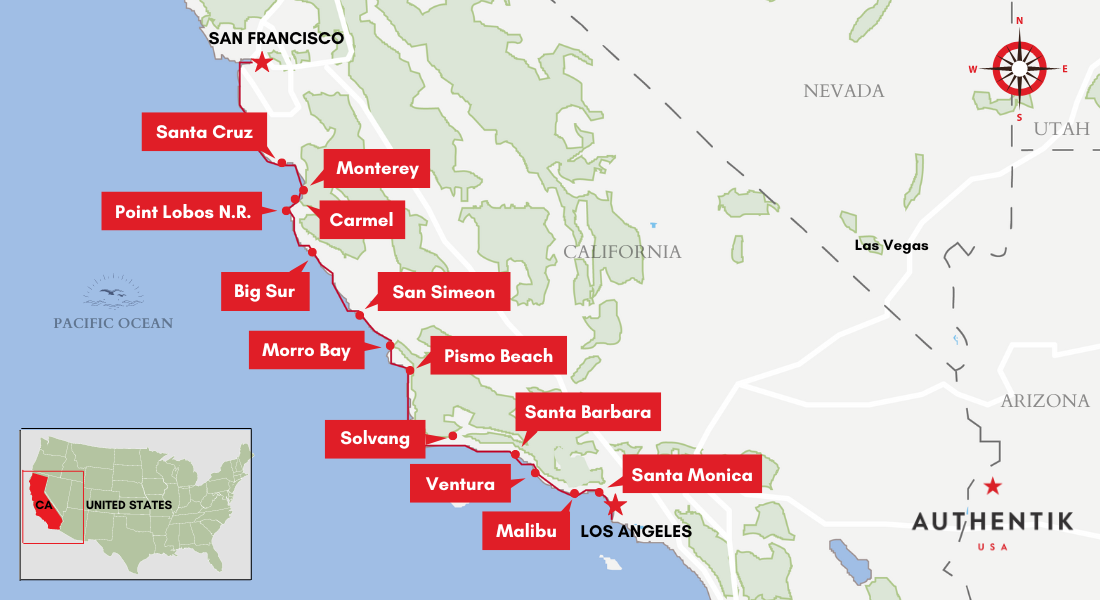
In stark contrast to I-5, the journey along Highway 1, famously known as the Pacific Coast Highway (PCH), transforms the commute into an unforgettable road trip. This iconic coastal route stretches roughly 450 to 500 miles, but the increased distance is only part of the story. Due to its winding roads, numerous overlooks, charming small towns, and the sheer desire to stop and soak in the views, this drive can take anywhere from 10 to 12 hours of actual driving time, often requiring at least two full days to experience properly, if not more.
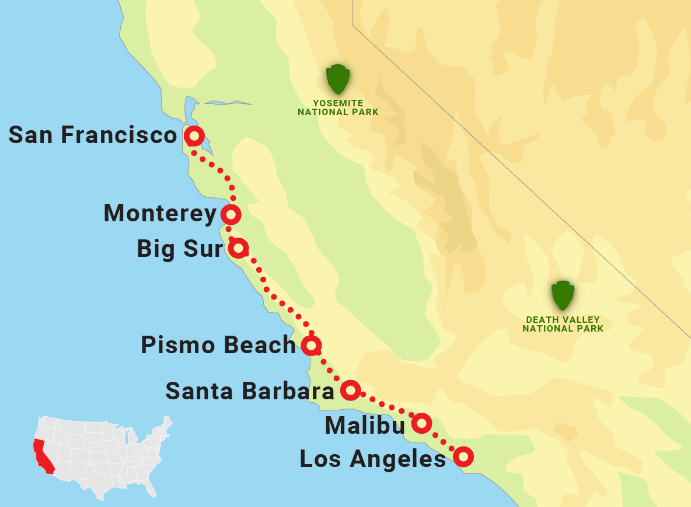
The PCH offers unparalleled vistas of the Pacific Ocean, rugged cliffs, and pristine beaches. Key highlights include the dramatic, undeveloped coastline of Big Sur, where the mountains plunge into the sea, offering breathtaking photo opportunities at every turn. Further south, delightful towns like Carmel-by-the-Sea and Monterey offer world-class dining, unique boutiques, and attractions like the Monterey Bay Aquarium. The route continues through charming coastal communities such as San Simeon (home to Hearst Castle), San Luis Obispo, and the picturesque Danish-inspired village of Solvang. As you approach Southern California, the route passes through elegant Santa Barbara, the surf-centric city of Ventura, and the exclusive beach communities of Malibu before finally reaching the bustling urban sprawl of Los Angeles. This route is ideal for those who consider the journey itself a significant part of their destination.
The Less-Traveled Path: US-101
A practical compromise between the speed of I-5 and the scenic splendor of Highway 1 is US-101. This route typically covers approximately 400 to 420 miles and can be driven in about 6.5 to 8 hours without significant stops, depending on traffic. US-101 offers a blend of freeway efficiency and coastal views, particularly in segments north of San Luis Obispo and as it passes through towns like Santa Barbara.
While not as dramatic as Highway 1’s Big Sur section, US-101 provides beautiful scenery, especially through the Central Coast wine regions like Paso Robles and the Santa Ynez Valley. It connects numerous vibrant towns, allowing for easier access to local culture, food, and attractions without the intense winding roads of the PCH. This route is a favorite for those who want a taste of California’s beauty without committing to a multi-day coastal excursion.
Beyond the Wheel: Alternative Transportation Options
While the road trip remains a classic California experience, driving isn’t the only way to travel between San Francisco and Los Angeles. Various other modes of transportation offer different levels of speed, comfort, and cost, catering to a wide range of travel preferences.
Flying: The Quickest Option
For those prioritizing speed above all else, flying is the undisputed champion. A direct flight between San Francisco and Los Angeles typically takes just 1 hour to 1 hour and 30 minutes in the air. When factoring in check-in, security, boarding, and travel to and from airports, the total door-to-door journey can still be significantly shorter than driving, often averaging 4 to 6 hours.
Both cities are served by major international airports: San Francisco International Airport (SFO) and Los Angeles International Airport (LAX). Additionally, travelers can utilize other regional airports such as Oakland International Airport (OAK) and San Jose Mineta International Airport (SJC) in the Bay Area, and Hollywood Burbank Airport (BUR), Long Beach Airport (LGB), and John Wayne Airport (SNA) in the LA area. These smaller airports can sometimes offer more convenient access, less congestion, and competitive fares. Air travel is typically more expensive than bus or train but can be comparable to the cost of driving (considering gas, wear and tear, and potential overnight stays) for solo travelers or small groups.
Rail Travel: Amtrak’s Coastal Starlight & San Joaquin
For a more relaxed and scenic journey without the stress of driving, train travel provides a charming alternative. Amtrak operates services between San Francisco (with connections from the Bay Area) and Los Angeles.
The most popular option, though it requires a bus connection, is typically the Coast Starlight. This route travels along California’s stunning coastline, offering panoramic views of the Pacific Ocean, mountains, and valleys. While the direct train portion from Oakland or San Jose to Los Angeles is a substantial journey, taking approximately 10 to 12 hours, the experience is often described as a journey in itself. Passengers can enjoy spacious seating, dining cars, and observation domes. Another option involves a combination of Amtrak Thruway bus service connecting to the San Joaquin train line, which travels through the Central Valley and typically takes a similar amount of time. While slower than driving or flying, Amtrak offers a unique, comfortable, and often picturesque way to travel between the two cities.
Bus Services: Greyhound & FlixBus
Budget-conscious travelers can opt for intercity bus services like Greyhound or FlixBus. These services offer direct routes between downtown San Francisco and Los Angeles, with multiple departures daily. The travel time for bus services typically ranges from 7 to 9 hours, depending on traffic, the number of stops, and the specific route taken.
Bus travel is generally the most economical option, making it popular among students, backpackers, and travelers looking to minimize expenses. While amenities might be more basic compared to trains or planes, many modern buses offer Wi-Fi and power outlets. It’s a straightforward way to get from one city center to another, allowing travelers to relax, read, or work without the responsibilities of driving.
Planning Your Journey: Tips for a Memorable Trip
Regardless of your chosen mode of transport, a well-planned trip from San Francisco to Los Angeles can elevate the experience from a mere transfer to a cherished adventure. Considering factors like accommodation, key attractions, and general travel tips will ensure a smooth and enjoyable journey.
Accommodations Along the Way
If you’re embarking on the scenic Highway 1 route, breaking up the drive is highly recommended, not just for rest but also to fully appreciate the stunning locales. Monterey, Carmel-by-the-Sea, and Big Sur offer a range of unique accommodations, from luxurious resorts with ocean views to charming boutique hotels and cozy inns. Paso Robles provides excellent options if you prefer staying inland near the wine country, while San Luis Obispo offers a vibrant college-town atmosphere. Further south, Santa Barbara boasts upscale hotels, beachfront properties, and charming Spanish colonial architecture.
Booking accommodations in advance, especially during peak travel seasons or weekends, is crucial, particularly for popular spots like Big Sur where options are limited and fill up quickly. Researching reviews and comparing prices on various booking platforms can help you find the perfect stay to match your budget and lifestyle. For those interested in a unique experience, consider glamping or staying in a historic California mission town.
Essential Road Trip Tips
For those opting for a self-drive adventure, particularly along the PCH, a few tips can enhance your experience:
- Best Time to Travel: Spring and fall generally offer the most pleasant weather, with fewer crowds than summer and less risk of winter road closures (especially in Big Sur due to landslides).
- Car Rental: If you’re flying into San Francisco or Los Angeles and planning a road trip, book your car rental in advance. Consider a car with good fuel efficiency for the long distances.
- Navigation: While GPS is invaluable, cellular service can be spotty in remote areas like Big Sur. Download offline maps or bring a physical map as a backup.
- Packing: Dress in layers, as coastal weather can change rapidly. Don’t forget sunscreen, sunglasses, and a camera with plenty of storage!
- Flexibility: Allow for extra time. The beauty of a road trip is the freedom to pull over at a moment’s notice to explore a hidden beach or charming roadside cafe.
Experiencing Both Destinations
Your journey culminates in two of California’s most captivating cities, each deserving of thorough exploration.
In San Francisco, immerse yourself in the city’s iconic landmarks. Walk or bike across the magnificent Golden Gate Bridge, take a ferry to Alcatraz Island for a historic prison tour, or explore the bustling atmosphere and seafood delights of Fisherman’s Wharf. Ride a cable car up a steep hill, wander through the colorful Victorian houses of Alamo Square, or discover the vibrant cultures of Chinatown and the Mission District. For a deeper dive into nature, a short drive can take you to the majestic redwood forests of Muir Woods National Monument or the renowned wineries of Napa Valley and Sonoma Valley.
Upon arrival in Los Angeles, prepare for a city of endless possibilities. Stroll down the Hollywood Walk of Fame and see the iconic Hollywood Sign. Experience the thrill of Universal Studios Hollywood or spend a day at the happiest place on Earth, Disneyland Park in nearby Anaheim. Relax on the sun-kissed sands of Santa Monica Pier or explore the eclectic boardwalk and vibrant street art of Venice Beach. For art and culture, the Getty Center offers stunning views and world-class collections, while the Griffith Observatory provides celestial wonders and panoramic cityscapes. Don’t miss the chance to indulge in Los Angeles’s diverse culinary scene, from food trucks to celebrity chef restaurants, and experience the luxury shopping on Rodeo Drive.
Ultimately, the distance from San Francisco to Los Angeles is not just a number on a map, but an invitation to explore the rich tapestry of California. Whether you seek speed, scenery, or a mix of both, a wealth of experiences awaits. Choose your path wisely, plan meticulously, and prepare for an unforgettable adventure along the Golden State’s magnificent routes.
LifeOutOfTheBox is a participant in the Amazon Services LLC Associates Program, an affiliate advertising program designed to provide a means for sites to earn advertising fees by advertising and linking to Amazon.com. Amazon, the Amazon logo, AmazonSupply, and the AmazonSupply logo are trademarks of Amazon.com, Inc. or its affiliates. As an Amazon Associate we earn affiliate commissions from qualifying purchases.