
For anyone contemplating a journey across the diverse landscape of the Florida peninsula, understanding the distance and travel implications between two key cities like Gainesville and Miami is paramount. Whether you’re a prospective student heading to the University of Florida, a sports fan catching a Gators game, a Miamian seeking a change of pace, or simply a traveler exploring the Sunshine State, this comprehensive guide will illuminate the route, travel options, and experiences awaiting you. The journey from the vibrant, cosmopolitan hub of Miami to the charming, academic city of Gainesville traverses a significant portion of Florida, offering a blend of urban sprawl, scenic stretches, and diverse cultural experiences.
The Geographical Span: Unpacking the Distance
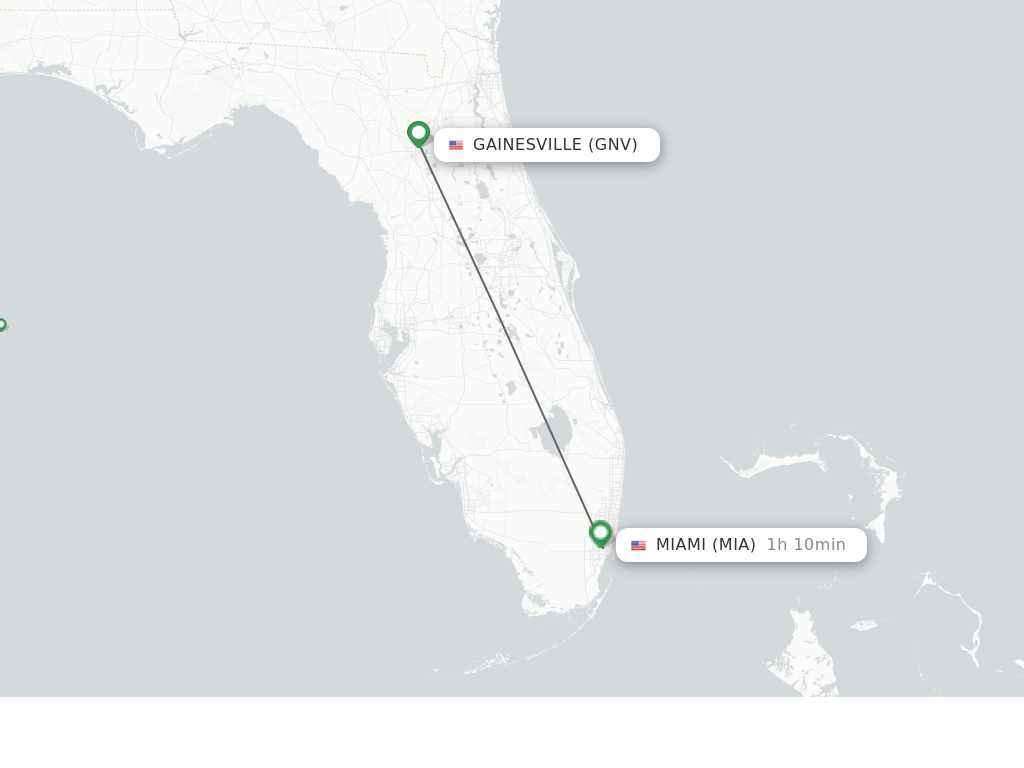
The distance separating Gainesville in North Central Florida from Miami in the state’s southeastern tip is substantial, typically ranging from 330 to 360 miles (approximately 530 to 580 kilometers) depending on the exact route taken. This considerable span translates into a significant travel time, making it crucial for travelers to plan thoroughly.
Driving Distance and Time
For most travelers, driving remains the most popular and flexible option. The primary route involves taking Interstate 75 North from Miami (or South from Gainesville) and connecting with either the Florida Turnpike or other state roads. Without significant traffic delays or stops, the drive typically takes between 5.5 to 6.5 hours. However, this estimate can fluctuate considerably based on several factors:
- Traffic Congestion: Major metropolitan areas like Miami, Fort Lauderdale, and Orlando (if the route passes near it) are prone to heavy traffic during peak hours, especially weekday mornings and afternoons, as well as holiday weekends.
- Road Construction: Ongoing roadwork, a common sight on major interstate highways, can lead to lane closures and slower speeds, adding to travel time.
- Weather Conditions: Florida’s weather can be unpredictable, with sudden heavy rain showers (especially in summer), thunderstorms, or even occasional fog. These conditions can significantly reduce visibility and necessitate slower driving speeds.
- Rest Stops and Breaks: For a journey of this length, planning for at least one or two rest stops is advisable for refueling, stretching, and refreshment. These stops will naturally add to the overall travel duration.
Considering these variables, it’s prudent to allocate at least 7 to 8 hours for the complete door-to-door journey by car, especially if you’re not in a hurry and wish to enjoy a more relaxed pace.
Navigating the Journey: Transportation Options
While driving offers unparalleled flexibility, several other transportation methods connect Gainesville and Miami, each with its own advantages and considerations.
By Car: The Most Flexible Choice
As previously mentioned, driving is often the go-to option. The main arteries, Interstate 75 and the Florida Turnpike, are generally well-maintained. The Turnpike is a toll road but often provides a faster, less congested route by bypassing some local traffic, particularly around Orlando or Tampa if that’s part of your chosen path. Investing in a SunPass transponder (or similar toll system) or ensuring you have cash/credit for tolls is essential if opting for the Turnpike. Car travel allows for spontaneity, the ability to carry more luggage, and the freedom to explore points of interest along the way.
By Bus: An Economical Alternative
For budget-conscious travelers or those who prefer not to drive, intercity bus services like Greyhound offer a viable option. Bus journeys between Gainesville and Miami typically take longer than driving, ranging from 7 to 9 hours, often with one or more transfers, usually in Orlando or Tampa. While slower, bus travel is usually the most economical option, allowing passengers to relax, read, or work without the stress of navigating traffic. It’s advisable to book tickets in advance, especially during peak travel seasons, to secure the best fares and preferred seating.
By Train: A Scenic but Indirect Path
Direct train service between Gainesville and Miami is not straightforward. Amtrak operates services in Florida, but Gainesville itself does not have an Amtrak station. The closest stations would be in Palatka or Ocala, requiring an additional drive or bus connection to reach the train. From these points, travelers would take a train south, typically involving connections, to reach Miami’s Amtrak station. This option is generally much longer and more complicated than driving or taking a bus, often taking 10+ hours when factoring in transfers and connection times. It might appeal to train enthusiasts or those seeking a more relaxed, multi-leg journey without the pressure of driving.
By Air: The Fastest, Most Expensive Option
For those prioritizing speed and willing to pay a premium, flying is the quickest way to bridge the distance. Gainesville Regional Airport (GNV) offers flights, but typically, direct routes to Miami International Airport (MIA) are limited. Most flights would involve a layover in a hub city like Atlanta or Charlotte, significantly increasing travel time despite the short flight duration between Florida cities.
A more practical air travel approach might involve flying from Gainesville Regional Airport to a larger Florida airport like Orlando International Airport (MCO) or Tampa International Airport (TPA), and then continuing to Miami via another short flight or ground transportation. Airlines like American Airlines, Delta Air Lines, and Spirit Airlines serve these routes. While the flight itself might be an hour or so, when factoring in travel to and from airports, security checks, and potential layovers, the total door-to-door travel time could still be 4-6 hours, making it only marginally faster than a direct drive, often at a much higher cost.
A Road Trip Perspective: What to See Along the Way
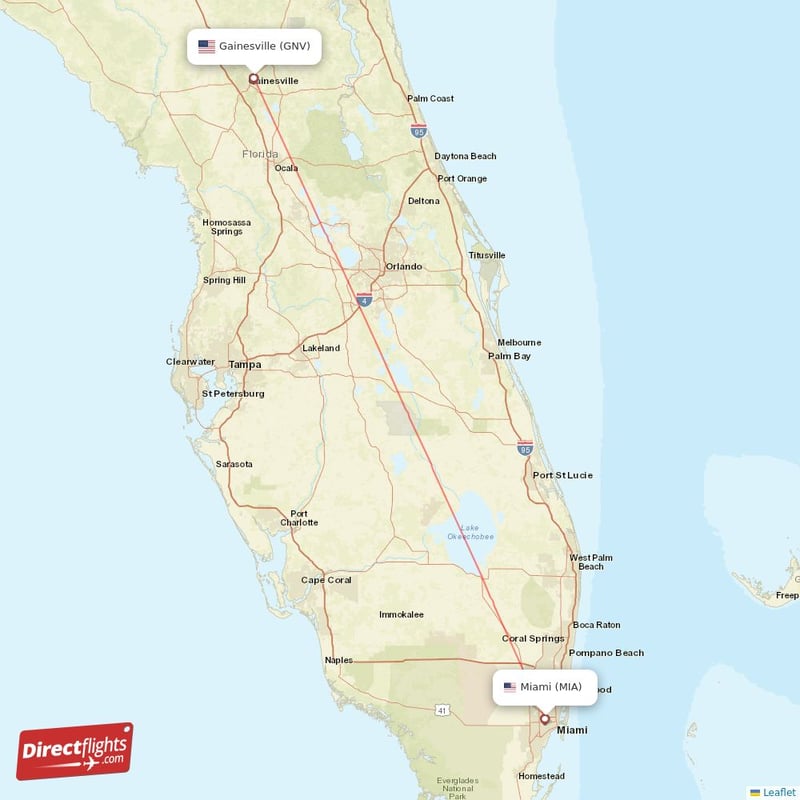
If you choose the open road, the journey between Gainesville and Miami can be transformed from a mere transit into an opportunity for exploration. The most common route largely follows Interstate 75 and the Florida Turnpike, offering glimpses into Florida’s diverse landscapes and attractions.
Central Florida’s Attractions
Passing through the heart of Florida, travelers will be relatively close to the famed theme parks of Orlando. A slight detour could lead to Walt Disney World or Universal Orlando Resort, making the trip part of a larger Florida vacation. Even if you’re not stopping, the vibrant energy of the Orlando area is palpable as you pass by.
Further south, the route often skirts Lake Okeechobee, Florida’s’s largest freshwater lake and a significant natural landmark. While not directly visible for long stretches from the main highways, its presence signifies a shift in Florida’s landscape from pine forests to agricultural lands.
Nature and Wildlife Along the Way
The drive offers opportunities to witness Florida’s unique ecosystems. Portions of Interstate 75 cut through or alongside vast natural areas, particularly as you approach South Florida. The western portion of the route, especially the stretch known as “Alligator Alley” (the section of I-75 between Naples and Fort Lauderdale), offers glimpses of the Everglades. While not directly on the Gainesville-Miami route if taking the Florida Turnpike exclusively, variations of the drive might include passing closer to these incredible wetlands. Keep an eye out for wildlife, particularly birds and even alligators in designated viewing areas.
Quaint Towns and Cities
Smaller towns like Ocala, known as the “Horse Capital of the World,” offer charming downtowns and opportunities for a brief stop. Further south, towns along the route provide a glimpse into authentic Florida life away from the major tourist hubs. These smaller cities can be excellent spots for a quick meal, a stretch, or to discover local artisans and eateries. Rest stops along both I-75 and the Florida Turnpike are well-equipped with amenities, fuel, and often fast-food options.
Why Make the Journey? Connecting Two Florida Gems
The reasons for traveling between Gainesville and Miami are as varied as the travelers themselves. These two cities, though geographically distinct, serve as vital hubs within Florida.
Gainesville: Academic Excellence and Natural Beauty
Gainesville is most renowned as the home of the University of Florida, one of the nation’s largest and most prestigious public universities. This imbues the city with a youthful, intellectual, and vibrant atmosphere. Beyond academia, Gainesville is surrounded by natural springs, hiking trails, and the scenic beauty of North Florida, making it an ideal destination for outdoor enthusiasts. Visitors come for university events, to explore the Florida Museum of Natural History, or to simply enjoy the city’s laid-back charm.
Miami: Culture, Beaches, and International Flair
Miami, on the other hand, is a global metropolis, famed for its stunning beaches like South Beach, vibrant nightlife, rich multicultural heritage, and iconic Art Deco Historic District. It’s a magnet for tourists seeking sun, luxury, and a taste of Latin American influence. From world-class dining to cutting-edge art scenes in Wynwood and the bustling financial district, Miami offers an endless array of experiences. Many travel from Gainesville to Miami for vacations, business, or to connect to Miami’s international airport for further travel.

Essential Travel Tips for Your Florida Adventure
Preparing for a journey between Gainesville and Miami can enhance the experience significantly.
- Best Time to Travel: Florida’s mild winters (November to April) offer the most pleasant driving conditions, with cooler temperatures and less humidity. Summer travel, while possible, often means dealing with intense heat, humidity, and daily afternoon thunderstorms.
- Check Traffic and Weather: Before setting out, use GPS apps or local traffic reports to check for real-time traffic conditions and weather forecasts. This can help you anticipate delays and choose the best departure time.
- Vehicle Maintenance: If driving, ensure your vehicle is in good working order, with proper tire pressure, fluid levels, and a full tank of gas.
- Stay Hydrated: Carry plenty of water, especially during warmer months, to stay hydrated throughout your journey.
- Plan Your Breaks: Identify potential rest stops or points of interest beforehand to break up the drive comfortably.
- Toll Considerations: If using the Florida Turnpike, ensure you have a SunPass or are prepared for cashless tolling options as many toll plazas no longer accept cash.
The distance between Gainesville and Miami is significant, but with proper planning and an understanding of the available transportation options, it becomes a manageable and potentially rewarding part of your Florida adventure. Whether by car, bus, or even a combination of methods, the journey connects two distinct yet equally captivating facets of the Sunshine State.
LifeOutOfTheBox is a participant in the Amazon Services LLC Associates Program, an affiliate advertising program designed to provide a means for sites to earn advertising fees by advertising and linking to Amazon.com. Amazon, the Amazon logo, AmazonSupply, and the AmazonSupply logo are trademarks of Amazon.com, Inc. or its affiliates. As an Amazon Associate we earn affiliate commissions from qualifying purchases.