
The idea of traveling across the vast expanse of the United States often conjures images of epic road trips, scenic flights, or cross-country adventures. For many, the question “How far is Georgia from Texas?” isn’t just about mileage; it’s about the journey itself, the diverse landscapes encountered, the vibrant cultures experienced, and the myriad travel options available. These two prominent Southern United States states, each boasting unique charms and significant economic hubs, are popular destinations for tourism, business, and even relocation. From the historic antebellum streets of Savannah to the sprawling urban landscapes of Dallas and Houston, the distance between them offers a rich tapestry for any traveler.

Whether you’re planning a family vacation, a solo adventure, a business trip, or simply satisfying your curiosity, understanding the logistics of traveling between Georgia and Texas is the first step. This comprehensive guide will delve into the geographical realities, explore various modes of transportation, highlight captivating destinations in both states, and provide essential tips for planning your perfect journey, covering everything from accommodation to lifestyle considerations.
The Geographical Reality: Distance and Driving Time
At first glance, the distance between Georgia and Texas might seem daunting, stretching across several states. However, with modern infrastructure and efficient travel planning, what appears to be a lengthy journey can transform into an exciting exploration of the Sun Belt.
Measuring the Miles: Straight-Line vs. Road Distances
The actual straight-line (as the crow flies) distance between the approximate geographic centers of Georgia and Texas is roughly 700 to 800 miles (1,126 to 1,287 kilometers). However, for practical travel purposes, we must consider road distances, which are significantly longer due to the winding nature of highways and the need to connect major population centers.
Let’s take some popular city-to-city routes:
- Atlanta, Georgia to Dallas, Texas: This is one of the most common routes. The driving distance typically ranges from 780 to 820 miles (1,255 to 1,320 km). Without significant stops, this translates to an average driving time of 12 to 14 hours.
- Atlanta, Georgia to Houston, Texas: Slightly longer due to Houston’s position further south, this route covers approximately 790 to 830 miles (1,271 to 1,335 km). Expect a driving time of 12.5 to 14.5 hours.
- Savannah, Georgia to San Antonio, Texas: This route, connecting coastal Georgia to central Texas, is a substantial journey, often exceeding 1,100 miles (1,770 km), with driving times upwards of 16 to 18 hours.
It’s clear that driving this distance typically requires at least one overnight stop, making it a two-day journey for most travelers. This allows for comfortable breaks, rest, and even a chance to explore a stopover city.
Understanding the Route: Key Interstates
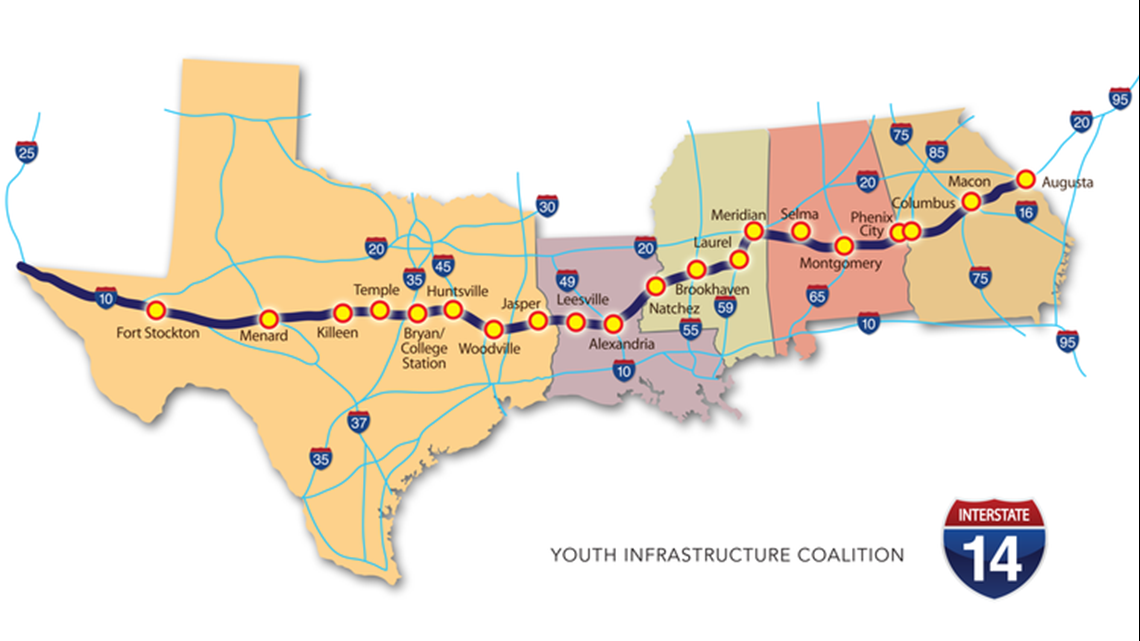
The primary arteries connecting Georgia and Texas are the extensive interstate highway system.
- Interstate 20 (I-20): This is the most direct and widely used route for travelers heading between Atlanta and Dallas/Fort Worth. I-20 cuts straight through Georgia, Alabama, Mississippi, and Louisiana, before entering Texas. It’s a relatively straightforward drive, with plenty of roadside amenities and gas stations.
- Interstate 10 (I-10): For those traveling from southern Georgia or heading to cities like Houston or San Antonio, I-10 becomes the preferred route. This interstate hugs the Gulf Coast region, passing through parts of Florida (briefly), Alabama, Mississippi, and Louisiana before delving deep into Texas. While often scenic, especially near the coast, it can also be prone to traffic around major cities and coastal storm impacts.
Understanding these routes is crucial for planning your journey, whether for calculating fuel costs, identifying potential rest stops, or anticipating traffic patterns.
Navigating the Distance: Modes of Transportation
Traveling between Georgia and Texas offers a range of choices, each with its own set of advantages and considerations. Your decision will likely depend on your budget, time constraints, desired level of comfort, and the nature of your trip.
The Classic American Road Trip: Driving from Georgia to Texas
For many, the allure of the open road is undeniable. A road trip offers unparalleled flexibility, allowing spontaneous detours, the freedom to stop at scenic overlooks, and the ability to pack as much luggage as your vehicle can hold.
Advantages:
- Flexibility: Depart and arrive on your schedule.
- Scenery: Explore small towns and regional attractions along the way.
- Cost-Effective (for groups): When split among passengers, fuel and accommodation costs can be lower than individual flight tickets.
- Luggage Freedom: No airline baggage restrictions.
Disadvantages:
- Time-Consuming: A minimum of 12-18 hours of actual driving means 1.5 to 2 days of travel.
- Fatigue: Long hours behind the wheel can be tiring.
- Fuel and Maintenance Costs: Significant fuel consumption, plus potential wear and tear on your vehicle.
Road Trip Planning Tips:
- Break Up the Journey: Plan an overnight stop. Popular cities for stopovers on I-20 include Jackson, Mississippi, or Shreveport, Louisiana. On I-10, consider Mobile, Alabama, or New Orleans, Louisiana, though New Orleans might tempt you to stay longer!
- Vehicle Check-up: Ensure your car is in top condition before departure.
- Navigation Apps: Utilize tools like Google Maps or Waze for real-time traffic updates and route planning.
- Entertainment: Prepare playlists, podcasts, or audiobooks for long stretches.
- Snacks and Hydration: Keep a cooler with drinks and snacks to minimize stops.
- Accommodation Along the Route: Book hotels in advance, especially during peak seasons. Look for reputable chains like Holiday Inn Express or Hampton Inn for consistent quality.
Taking to the Skies: Flying Options
For those prioritizing speed and minimizing travel time, flying is undoubtedly the most efficient option. The skies above Georgia and Texas are busy corridors, with numerous direct flights connecting major cities.
Key Airports:
- Georgia: Hartsfield-Jackson Atlanta International Airport (ATL) is one of the busiest airports in the world, serving as a major hub for Delta Air Lines and offering extensive connections.
- Texas: Major airports include Dallas/Fort Worth International Airport (DFW), a hub for American Airlines; George Bush Intercontinental Airport (IAH) in Houston, a hub for United Airlines; and Austin-Bergstrom International Airport (AUS) in Austin.
Flight Duration and Airlines:
- Direct flights from Atlanta to Dallas or Houston typically take around 2 to 2.5 hours.
- Major airlines offering routes include Delta Air Lines, Southwest Airlines, American Airlines, and United Airlines.
Booking Tips:
- Book in Advance: Especially for popular routes and peak travel seasons, early booking often secures better fares.
- Flexibility with Dates: Flying on weekdays or during off-peak hours can reduce costs.
- Consider Budget Airlines: Southwest Airlines (known for its two free checked bags) and other budget carriers might offer competitive pricing.
- Factor in Airport Time: Remember to account for checking in, security lines, and travel to and from the airports when calculating total travel time.
Other Travel Avenues: Bus and Train
While less popular for this particular long-distance route, bus and train travel offer alternative experiences, especially for budget-conscious travelers or those who prefer not to drive or fly.
- Bus Travel: Companies like Greyhound offer routes between major cities in Georgia and Texas. However, these journeys are extensive, often taking 20-24 hours or more with multiple transfers. While cost-effective, they demand significant patience.
- Train Travel: Amtrak provides limited service that would require transfers and significantly more time than driving. For example, a journey from Atlanta to Dallas would involve multiple legs and could easily span over 30 hours, making it more of a scenic adventure for train enthusiasts than a practical rapid transit option.
Exploring Beyond the Journey: Destinations and Experiences
The journey between Georgia and Texas isn’t just about covering miles; it’s about the incredible destinations waiting at both ends. Both states are rich in culture, history, and diverse attractions that cater to every interest.
Georgia’s Charms: From Cityscapes to Coastal Retreats
Georgia, the Peach State, offers a blend of metropolitan sophistication and old-world Southern charm.
- Atlanta: The Capital Hub
- Landmarks & Attractions: Home to the Georgia Aquarium, one of the largest in the world; the fascinating World of Coca-Cola; the historic Martin Luther King Jr. National Historical Park; and the vibrant Piedmont Park. For sports enthusiasts, catching a game at Mercedes-Benz Stadium is a must.
- Tourism & Lifestyle: Atlanta is a culinary hotspot, especially for Southern food and international cuisine. Its bustling nightlife, diverse arts scene, and numerous festivals make it a lively destination.
- Accommodation: From luxury resorts like the St. Regis Atlanta and Four Seasons Hotel Atlanta to trendy boutique hotels in areas like Midtown and Buckhead, Atlanta offers a wide array of choices for business travelers and tourists alike.
- Savannah: Historic Coastal Beauty
- Landmarks & Attractions: Known for its cobblestone streets, charming squares (like Forsyth Park), and antebellum architecture, Savannah offers a step back in time. Take a ghost tour, explore River Street, or relax on nearby Tybee Island.
- Tourism & Lifestyle: The city’s relaxed pace, vibrant arts community, and delicious Lowcountry cuisine make it ideal for romantic getaways or peaceful explorations.
- Accommodation: Savannah boasts numerous historic inns and boutique hotels, such as The Gastonian and Perry Lane Hotel, offering unique accommodation experiences.
- Beyond the Cities: Don’t forget natural landmarks like Stone Mountain Park, offering outdoor adventures just east of Atlanta.
Texas’ Grandeur: Urban Adventures and Wild West Wonders
Texas, the Lone Star State, is a land of superlatives, where vast landscapes meet dynamic cities and rich history.
- Dallas/Fort Worth: The Metroplex
- Landmarks & Attractions: Dallas is known for its impressive Arts District, the Sixth Floor Museum at Dealey Plaza, and upscale shopping. Nearby Fort Worth offers a taste of the “Wild West” at the Stockyards National Historic District, complete with cattle drives and rodeos.
- Tourism & Lifestyle: A hub for business and finance, the Metroplex also has a thriving culinary scene, from Tex-Mex to fine dining. It caters to both luxury travelers and those seeking authentic Texan experiences.
- Accommodation: Expect a full spectrum of hotels, from budget-friendly options to high-end establishments like The Ritz-Carlton, Dallas or the Omni Fort Worth Hotel.
- Houston: Space City
- Landmarks & Attractions: Home to Space Center Houston, a must-visit for space enthusiasts. The city also boasts a world-class Museum District, Hermann Park, and a vibrant culinary scene.
- Tourism & Lifestyle: Houston’s diversity is reflected in its food, arts, and festivals. It’s a major energy industry hub, attracting many business travelers.
- Accommodation: A wide array of choices, from downtown business hotels like the Hyatt Regency Houston to comfortable stays near the Galleria shopping district.
- Austin: Live Music Capital of the World
- Landmarks & Attractions: Known for its eclectic live music scene, Austin also offers the refreshing Barton Springs Pool, the Texas State Capitol, and a unique bat colony under the Congress Avenue Bridge.
- Tourism & Lifestyle: Austin embodies a “Keep Austin Weird” vibe, making it a favorite for young travelers, foodies, and those seeking a vibrant, laid-back atmosphere.
- Accommodation: Boutique hotels, trendy apartments, and hip hostels are plentiful, alongside standard hotel chains.
- San Antonio: History and Charm
- Landmarks & Attractions: Home to the iconic The Alamo and the enchanting River Walk, San Antonio is rich in Texan history and Spanish colonial heritage.
- Tourism & Lifestyle: Perfect for family trips and romantic getaways, offering boat tours, delicious Tex-Mex cuisine, and historic missions.
- Accommodation: From charming hotels directly on the River Walk to luxury resorts like La Cantera Resort & Spa, the city caters to all preferences.
- Natural Wonders: Beyond the cities, Texas offers incredible natural beauty, including the vast wilderness of Big Bend National Park in West Texas, a true gem for outdoor enthusiasts.
Planning Your Trip: Accommodation and Lifestyle Considerations
Once you’ve decided on your mode of transport and desired destinations, the next crucial step is planning your stay and tailoring the experience to your lifestyle.
Where to Stay: Hotels, Resorts, and Unique Accommodations
Accommodation forms a significant part of any travel experience, and both Georgia and Texas offer a spectrum of choices to suit every budget and preference.
- Hotels and Resorts: Major cities in both states are home to global chains like Marriott, Hilton, and Hyatt, offering consistent quality and amenities. Resorts, especially in coastal Georgia (like Sea Island or Jekyll Island) and hill country Texas, provide luxurious escapes with extensive facilities.
- Boutique Hotels: For a more personalized and often stylish experience, boutique hotels in historic districts or trendy neighborhoods (e.g., Savannah’s Historic District or Austin’s South Congress Avenue) are excellent choices.
- Vacation Rentals: Platforms like Airbnb and Vrbo offer apartments, villas, and houses, which can be ideal for families, longer stays, or those seeking a more local experience.
- Budget Accommodation: Hostels in major cities, roadside motels during road trips, and economy hotels offer cost-effective options without compromising too much on comfort.
Booking and Review Tips:
- Comparison Websites: Use sites like Booking.com, Expedia, or Kayak to compare prices and availability.
- Read Reviews: Always check recent reviews on platforms like TripAdvisor to get an authentic sense of the property’s quality and service.
- Consider Loyalty Programs: If you frequently travel, loyalty programs with major hotel chains can offer perks, upgrades, and free nights.
- Long-term Stays: For extended trips, look for hotels with kitchenettes or serviced apartments that offer better value and convenience.
Tailoring Your Experience: Lifestyle Travel Tips
Your travel style will heavily influence your itinerary, budget, and choices.
- Luxury Travel: If indulgence is your priority, both Georgia and Texas offer upscale experiences, from five-star hotels and gourmet dining to private tours and exclusive events. Think luxury resorts in Dallas or Atlanta, private charters for excursions, and high-end shopping.
- Budget Travel: Savvy travelers can still enjoy the best of both states without breaking the bank. Opt for hostels, economy hotels, or vacation rentals. Utilize public transportation, seek out free attractions (parks, walking tours), and enjoy delicious, affordable local eateries (think BBQ joints in Texas or Southern comfort food in Georgia).
- Family Trips: When traveling with children, consider attractions that appeal to all ages, such as the Georgia Aquarium, Space Center Houston, or beach days on Tybee Island. Look for family-friendly resorts with amenities like pools and kids’ clubs.
- Business Stays: For corporate travelers, convenience is key. Choose hotels near airports or business districts, prioritize strong Wi-Fi, meeting facilities, and easy access to transportation. Many major hotel chains cater specifically to business needs.
- Local Culture and Food: No trip to the South is complete without diving into its culinary traditions. Savor authentic Texas BBQ, spicy Tex-Mex, and hearty Southern comfort food like fried chicken, grits, and peach cobbler. Explore local markets, food festivals, and independent restaurants to truly experience the regional flavors.
In conclusion, the journey from Georgia to Texas is a substantial but highly rewarding one. Whether you opt for the swift convenience of a flight or the expansive adventure of a road trip, both states promise a wealth of experiences, from bustling urban centers to serene natural wonders. With careful planning, a clear understanding of the distances involved, and an eye for the unique attractions and accommodations available, your trip between these two iconic Southern states will be an unforgettable chapter in your travel story. So, pack your bags, choose your adventure, and prepare to explore the diverse landscapes and vibrant cultures that bridge the miles between Georgia and Texas.
LifeOutOfTheBox is a participant in the Amazon Services LLC Associates Program, an affiliate advertising program designed to provide a means for sites to earn advertising fees by advertising and linking to Amazon.com. Amazon, the Amazon logo, AmazonSupply, and the AmazonSupply logo are trademarks of Amazon.com, Inc. or its affiliates. As an Amazon Associate we earn affiliate commissions from qualifying purchases.