
The allure of sun-kissed beaches, vibrant cityscapes, and historical charm often draws travelers to explore the southeastern United States. Two states that consistently capture the imagination are Georgia and Florida. Whether you’re planning a weekend getaway, a comprehensive road trip, or considering a longer stay, understanding the distance between these two states is the first step in crafting an unforgettable journey. The simple question “How far is Georgia to Florida?” opens up a world of possibilities, revealing diverse travel routes, iconic landmarks, and a spectrum of experiences for every type of traveler.
The geographic proximity of Georgia and Florida means that a trip between them is not only feasible but also highly rewarding. The distance isn’t a single, fixed number; it varies significantly depending on your specific starting point in Georgia and your intended destination in Florida. From the bustling metropolis of Atlanta to the tranquil barrier islands off Georgia’s coast, and from Florida’s historical northern cities to its southernmost Keys, each route offers unique scenery and attractions. This comprehensive guide will delve into the various ways to traverse this distance, highlight key destinations along the way, and provide insights into planning your perfect adventure, covering everything from travel logistics to accommodation options and enriching cultural experiences.

Understanding the Distance: A Geographical Overview
At its closest point, the border between Georgia and Florida is merely a line on a map, almost negligible for travelers. However, actual travel distances depend heavily on specific city pairs. For instance, the distance from Valdosta, a southern Georgia city, to Jacksonville, a major northern Florida hub, can be as short as 60-70 miles (approximately 96-113 kilometers), taking roughly an hour to an hour and a half by car. This makes quick cross-state trips incredibly convenient for residents and visitors alike.
Conversely, a journey from Atlanta, Georgia’s capital, to Miami, one of Florida’s southernmost metropolises, stretches considerably further. This route typically covers around 650-700 miles (approximately 1046-1126 kilometers), translating to a driving time of 10-12 hours, excluding stops. Such a trip often calls for strategic planning, potentially involving an overnight stop or a division into multiple legs to fully enjoy the journey. Understanding these varying distances is crucial for effective trip planning, whether you prioritize speed, scenic routes, or hitting specific attractions along the way.
Key Entry Points and Border Cities
The shared border between Georgia and Florida is a gateway between two distinct, yet complementary, regions. On the Georgia side, cities like Valdosta and Kingsland serve as common launching pads into Florida. Valdosta is often the first significant stop for those traveling south on Interstate 75, offering various amenities and a taste of southern hospitality before crossing into the Sunshine State. Further east, Kingsland provides convenient access to the coastal routes, particularly for those heading down Interstate 95 towards Jacksonville or St. Augustine.
Entering Florida from Georgia, Jacksonville is often the first major city encountered, especially for those on the east coast. As Florida’s most populous city, Jacksonville offers a vast array of attractions, from beautiful beaches to cultural institutions, serving as an excellent initial destination or a hub for further exploration into Florida. To the west, Tallahassee, Florida’s state capital, is another primary entry point, particularly for those traveling through southwestern Georgia. Tallahassee boasts a rich history, vibrant college town atmosphere thanks to Florida State University, and proximity to natural landscapes, making it a compelling first stop for many. These border cities are not just transit points; they are destinations in themselves, offering a glimpse into the unique character of both states.
Calculating Your Route: Major Cities to Consider
When planning your journey, considering major city pairs helps in accurately estimating distance and travel time.
- Atlanta, Georgia to Jacksonville, Florida: Approximately 345 miles (555 km), 5-6 hours driving time. This is a popular route, often taken via Interstate 75 South to Interstate 10 East, or a combination of state highways.
- Atlanta, Georgia to Orlando, Florida: Around 435 miles (700 km), 6.5-7.5 hours driving time. This route primarily uses Interstate 75 South, leading directly into central Florida’s theme park capital.
- Savannah, Georgia to St. Augustine, Florida: Roughly 145 miles (233 km), 2.5-3 hours driving time. This is a relatively short and scenic drive down Interstate 95 South, perfect for a day trip or an extended weekend.
- Savannah, Georgia to Miami, Florida: Approximately 485 miles (780 km), 7.5-8.5 hours driving time. This route follows Interstate 95 South for the majority of the journey, hugging the eastern coastline.
These routes are highly frequented and well-serviced, offering numerous opportunities for rest stops, dining, and even spontaneous detours to charming towns or natural attractions. For those less keen on driving, alternative modes of transport such as flying or rail travel also connect these key urban centers, offering different perspectives and travel experiences.
Navigating the Journey: Travel Options and Experiences
Traveling between Georgia and Florida offers a variety of transportation choices, each with its own benefits and drawbacks. Your preferred method will largely depend on your budget, time constraints, and the kind of travel experience you seek.
Driving: The Classic Road Trip
The most common and flexible way to travel between Georgia and Florida is by car. A road trip offers unparalleled freedom to explore at your own pace, discover hidden gems, and deviate from the main route whenever inspiration strikes. Major interstate highways like Interstate 75 and Interstate 95 serve as primary arteries, efficiently connecting the two states.
- Interstate 75: This western route passes through central Georgia (including Atlanta) and continues straight down into central Florida, passing cities like Gainesville, Ocala, and Tampa, before heading south towards South Florida. It’s the preferred route for those heading to Orlando’s theme parks.
- Interstate 95: Running along the eastern seaboard, this highway connects coastal Georgia cities like Savannah and Brunswick directly to Florida’s Atlantic coast, including Jacksonville, St. Augustine, and all the way down to Miami. This route is ideal for beach lovers and those interested in historical sites.
Road tripping allows for scenic detours, such as exploring Georgia’s Golden Isles (Jekyll Island, St. Simons Island, Sea Island) or stopping at the historic district of St. Augustine in Florida. Remember to factor in fuel costs, potential tolls (especially in Florida), and rest stops when budgeting your time and money.
Flying: Speed and Convenience
For those prioritizing speed, flying is undoubtedly the quickest option. Major airports in Georgia include Hartsfield-Jackson Atlanta International Airport (ATL), one of the busiest airports in the world, and Savannah/Hilton Head International Airport (SAV). Florida boasts numerous international airports, with major hubs in Jacksonville International Airport (JAX), Orlando International Airport (MCO), Miami International Airport (MIA), and Tampa International Airport (TPA).
Flights between key cities like Atlanta and Orlando or Atlanta and Miami typically take 1 to 1.5 hours in the air. When considering total travel time, however, remember to account for check-in, security, and travel to/from airports, which can add several hours to your journey. While generally more expensive than driving, flying can be cost-effective if booked in advance or during off-peak seasons, especially for longer distances or when time is of the essence.
Rail Travel: A Scenic Alternative
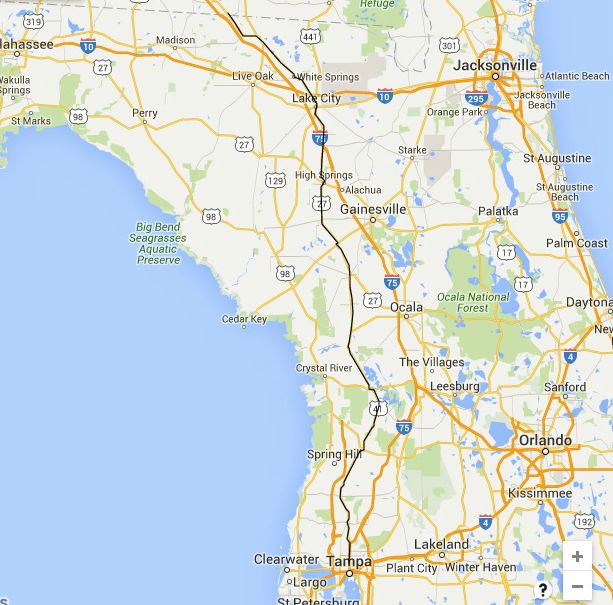
For a more relaxed and environmentally conscious journey, train travel is an excellent option. Amtrak offers routes connecting Georgia and Florida, providing a unique travel experience that combines comfort with scenic views. The Silver Service and Palmetto lines connect Atlanta and Savannah to various Florida cities, including Jacksonville, Orlando, and Miami.
While generally slower than driving or flying, rail travel allows passengers to sit back, enjoy the landscape, and avoid the stresses of traffic or airport security. It’s an ideal choice for those who appreciate the journey as much as the destination, offering amenities like dining cars, comfortable seating, and even sleeper accommodations for longer overnight routes. This mode of transport can be particularly appealing for budget travelers who find good deals or for those seeking a unique, leisurely pace.
Beyond the Miles: What Awaits You
The journey from Georgia to Florida isn’t just about covering distance; it’s about transitioning between distinct cultures, landscapes, and attractions. Each state offers a unique flavor, promising a rich tapestry of experiences for every visitor.
Northern Florida’s Charm: From Beaches to History
As you cross into Florida, particularly its northern regions, a world of history and natural beauty unfolds. Jacksonville, as a major entry point, offers miles of pristine coastline, vibrant arts scenes, and a burgeoning culinary landscape. Further south along the coast, St. Augustine stands as the nation’s oldest continuously inhabited European-established settlement, boasting cobblestone streets, the imposing Castillo de San Marcos, and charming St. George Street. Its rich history, from Spanish colonial architecture to pirate lore, makes it a must-visit for history buffs.
Beyond the cities, Florida’s nature takes center stage. Near the Georgia border, places like Amelia Island offer luxurious resorts and unspoiled beaches, perfect for a tranquil escape. The vast wilderness of the Okefenokee Swamp extends across the border, providing incredible opportunities for wildlife viewing, kayaking, and hiking in one of the continent’s largest blackwater swamps. From the serene shores of Ponte Vedra Beach and Mickler’s Beach to the tranquil waters of the St. Johns River, northern Florida blends coastal relaxation with historical intrigue and natural wonders.
Georgia’s Southern Gems: Coastal Beauty and Inland Wonders
Before reaching Florida, Georgia itself presents a diverse array of attractions, particularly in its southern and coastal regions. Savannah, with its antebellum architecture, Spanish moss-draped squares, and vibrant culinary scene, is a destination unto itself. A stroll through its historic district reveals centuries of history, charming boutiques, and renowned restaurants.
Just off the coast of Brunswick lie Georgia’s Golden Isles, including Jekyll Island, St. Simons Island, and Sea Island. These barrier islands offer a blend of luxury resorts, pristine beaches, and rich history, from former millionaire’s retreats to natural preserves. Cumberland Island National Seashore, accessible by ferry, provides a wilder, more remote experience with wild horses, expansive beaches, and historic ruins. Inland, the Okefenokee Swamp offers unique eco-tourism opportunities, while cities like Valdosta provide a glimpse into authentic Southern living, complete with charming downtowns and local eateries. These southern Georgia destinations can easily be integrated into any trip to Florida, enriching the overall travel experience.
Planning Your Perfect Getaway: Accommodation and Lifestyle
A successful trip between Georgia and Florida hinges not only on knowing the distance but also on choosing the right accommodation and tailoring the journey to your preferred lifestyle. Both states offer an extensive range of options, catering to every taste and budget.
Diverse Stays: From Luxury Resorts to Budget-Friendly Apartments
Whether you seek opulent indulgence or practical comfort, the accommodation landscape in Georgia and Florida is incredibly diverse.
- Luxury Resorts and Villas: For an extravagant experience, destinations like Amelia Island and Sea Island boast world-class resorts such as The Ritz-Carlton, Amelia Island and The Cloister at Sea Island. In Orlando, properties like the Four Seasons Resort Orlando at Walt Disney World Resort offer premium amenities and unparalleled service. These options are perfect for romantic getaways, special celebrations, or simply indulging in the finest comforts. Many resorts offer comprehensive packages including spa treatments, fine dining, and curated activities, ensuring a truly immersive luxury travel experience.
- Boutique Hotels and Historic Inns: In cities like Savannah and St. Augustine, charming boutique hotels and historic bed-and-breakfasts provide a more intimate and culturally rich stay. These establishments often feature unique architecture, personalized service, and a deep connection to local culture, perfect for those who appreciate character and charm.
- Family-Friendly Resorts and Vacation Rentals: If traveling with family, especially to theme park destinations like Orlando, large resorts such as the Walt Disney World Resort and Universal Orlando Resort offer a plethora of amenities, pools, and activities designed for all ages. Vacation rentals, including apartments and villas, are also popular, providing more space, kitchens, and a home-away-from-home feel, which can be particularly cost-effective for longer stays or larger groups.
- Budget-Friendly Options: For budget-conscious travelers, countless hotels, motels, and extended-stay apartments are available in every major city and along popular travel corridors. Websites offering comparison tools for accommodation booking can help travelers find the best deals without compromising on essential amenities. Many chain hotels offer comfortable stays with breakfast included, providing excellent value.
Tailoring Your Trip: Family Fun, Romantic Escapes, or Business Stays
The diverse attractions and accommodation options mean you can tailor your trip to perfectly fit your lifestyle and purpose.
- Family Trips: For families, Florida’s theme parks in Orlando are a perennial favorite, but don’t overlook Georgia’s family-friendly attractions like the Georgia Aquarium and World of Coca-Cola in Atlanta. Coastal areas in both states offer gentle beaches and nature activities perfect for kids.
- Romantic Escapes: The historic charm of Savannah or St. Augustine, coupled with stays in elegant boutique hotels or luxury resorts on the Golden Isles or Amelia Island, creates an ideal backdrop for a romantic getaway. Fine dining, sunset cruises, and spa treatments can enhance the experience.
- Business Stays: Major cities like Atlanta, Jacksonville, Orlando, and Miami are bustling business hubs, offering a wide range of business-friendly hotels with meeting facilities, high-speed internet, and convenient access to corporate centers. For business travelers, efficient travel planning and comfortable, well-located accommodation are key.
- Adventure and Nature: Both states provide ample opportunities for outdoor enthusiasts. Explore the hiking trails in Georgia’s Blue Ridge Mountains or kayak through the Okefenokee Swamp. In Florida, discover the unique ecosystem of Everglades National Park or dive among the vibrant reefs of the Florida Keys, stretching all the way to Key West.

Essential Travel Tips and Considerations
Before embarking on your journey from Georgia to Florida, a few practical tips can ensure a smooth and enjoyable experience.
- Best Time to Visit: The weather is a significant factor. Florida can be extremely hot and humid in summer, with a higher risk of hurricanes from June to November. Spring (March-May) and Fall (September-November) generally offer the most pleasant weather for exploring both states, with mild temperatures and fewer crowds. Georgia also enjoys pleasant spring and fall seasons, with hot summers and mild winters.
- Traffic and Peak Seasons: Be mindful of peak travel times. Major holidays, school breaks, and weekends can lead to significant traffic congestion, especially on Interstate 75 and Interstate 95 and around popular attractions. Booking accommodations and flights well in advance is highly recommended during these periods.
- Budgeting: Consider all costs: transportation (fuel, tolls, airfare, train tickets), accommodation, food, activities, and souvenirs. Florida, especially destinations like Orlando and Miami, can be more expensive than some parts of Georgia, particularly for attractions and dining. Budget travelers can save money by opting for vacation rentals, cooking some meals, and utilizing free attractions.
- Packing Essentials: Pack according to the season and your activities. Lightweight clothing, swimwear, sunscreen, and insect repellent are generally recommended for Florida, even in cooler months. Comfortable walking shoes are a must for exploring cities and natural parks.
- Stay Informed: Check local weather forecasts, road conditions, and any travel advisories before and during your trip. Real-time navigation apps can be invaluable for avoiding traffic and finding the quickest routes.
In conclusion, the journey from Georgia to Florida is more than just a matter of miles; it’s an opportunity to experience the rich diversity of the American Southeast. Whether you embark on a leisurely road trip, opt for the speed of air travel, or enjoy the scenic pace of a train, a wealth of natural beauty, historical sites, and vibrant cultures awaits. By carefully planning your route, choosing the right accommodation, and embracing the unique attractions of both states, you can transform a simple distance into an extraordinary travel adventure.
LifeOutOfTheBox is a participant in the Amazon Services LLC Associates Program, an affiliate advertising program designed to provide a means for sites to earn advertising fees by advertising and linking to Amazon.com. Amazon, the Amazon logo, AmazonSupply, and the AmazonSupply logo are trademarks of Amazon.com, Inc. or its affiliates. As an Amazon Associate we earn affiliate commissions from qualifying purchases.