
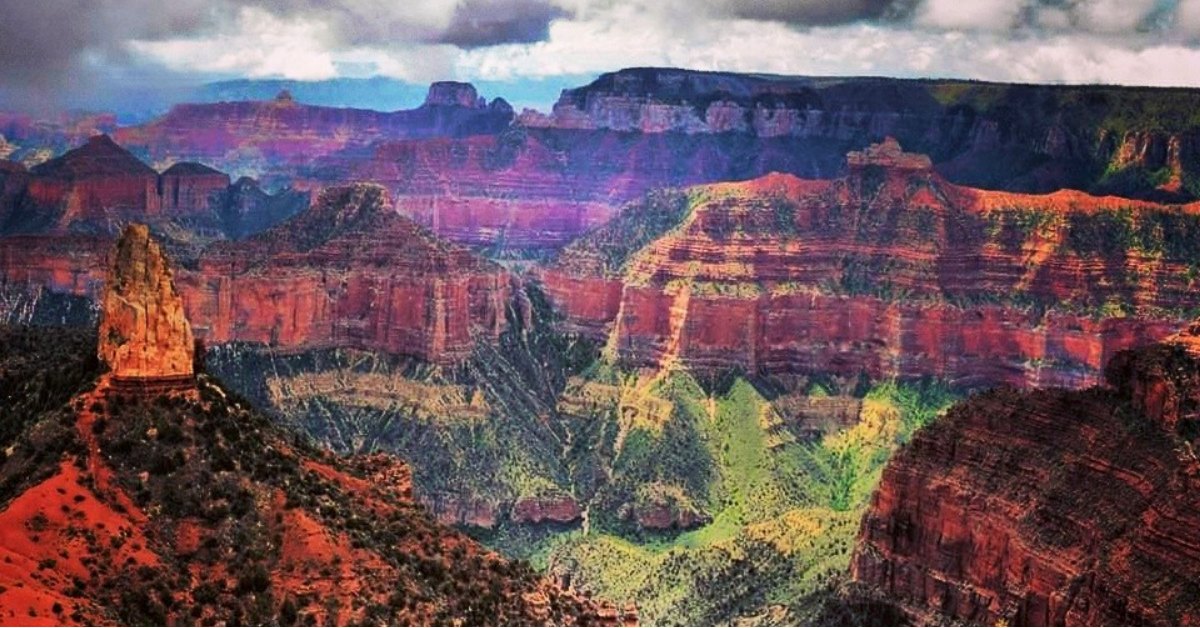
Embarking on a journey from the vibrant desert metropolis of Phoenix, Arizona, to the awe-inspiring chasm of the Grand Canyon is a quintessential American road trip experience. This epic adventure takes you through some of the most diverse and breathtaking landscapes in the United States, transforming from saguaro-studded deserts to cool pine forests, culminating in the geological marvel that is the Grand Canyon. Understanding the distance, driving times, and the wealth of attractions along the way is crucial for planning an unforgettable Arizona escape. Whether you’re a seasoned traveler seeking natural wonders, a family looking for adventure, or a couple desiring a romantic getaway, the path from Phoenix to the Grand Canyon promises a journey as remarkable as the destination itself.
Navigating the Journey: Distance, Driving Times, and Scenic Routes
The question of “how far” isn’t just about mileage; it’s about the hours spent on the road and the changing scenery that unfolds before your eyes. The distance between Phoenix and the Grand Canyon varies slightly depending on which rim you plan to visit, each offering a distinct experience and travel time.
Understanding the Rims: South Rim vs. West Rim
The Grand Canyon is broadly divided into several accessible areas, but for travelers from Phoenix, the two primary destinations are the South Rim and the West Rim.
-
To the South Rim: This is by far the most popular and accessible part of Grand Canyon National Park, offering the most iconic viewpoints, hiking trails, and visitor services. The drive from Phoenix to the Grand Canyon South Rim is approximately 230-250 miles (370-400 kilometers). The typical driving time, without significant stops, is around 3.5 to 4 hours. This route generally involves heading north on Interstate 17 (I-17) towards Flagstaff, then connecting to U.S. Route 180 (US-180) or Arizona State Route 64 (AZ-64) towards the park entrance.
-
To the West Rim: Managed by the Hualapai Tribe, the West Rim is closer to Las Vegas but is also an option from Phoenix, especially if you’re looking for unique attractions like the Grand Canyon Skywalk. The distance to the West Rim from Phoenix is approximately 220-240 miles (350-385 kilometers), with a driving time of roughly 3.5 to 4 hours. This route often involves taking U.S. Route 93 (US-93) north, passing through areas like Wickenburg and Kingman, before turning off onto Pierce Ferry Road or Diamond Bar Road towards the Grand Canyon West entrance. It’s important to note that access to the West Rim requires a fee separate from the National Park entrance fees, and many activities are additional.
Scenic Stopovers and Roadside Wonders
The drive itself is an integral part of the adventure, offering multiple opportunities for exploration and relaxation. The most popular route to the South Rim via I-17 is particularly scenic. As you ascend from the desert floor, the landscape transforms dramatically.
-
Sedona and Oak Creek Canyon: A popular detour for those heading to the South Rim is the stunning town of Sedona, famous for its vibrant red rock formations and spiritual vortexes. Located about two hours north of Phoenix off I-17, Sedona offers world-class hiking, art galleries, and spas. Continuing north from Sedona through Oak Creek Canyon (via AZ-89A) is a winding, picturesque drive that eventually leads to Flagstaff. This detour can add 1.5 to 2 hours to your driving time, but the views are undeniably worth it for many travelers.
-
Flagstaff: As you climb in elevation, Flagstaff emerges as a charming mountain town nestled among the ponderosa pines, offering a refreshing contrast to Phoenix’s desert heat. It’s a great place to stop for a meal, refuel, or even spend a night if you want to break up the drive. Flagstaff is also rich in history, sitting along a historic stretch of Route 66, with several national monuments nearby like Walnut Canyon National Monument and Wupatki National Monument.
-
Montezuma Castle National Monument: South of Sedona, just off I-17 near Camp Verde, this impressive cliff dwelling offers a glimpse into the ancient history of the Sinagua people. It’s a quick and fascinating stop, perfect for history buffs.
While the primary objective is the Grand Canyon, embracing the journey with strategic stops transforms a simple drive into a multi-faceted Arizona exploration.
Planning Your Grand Canyon Expedition: Essentials for a Seamless Trip
A successful trip to the Grand Canyon from Phoenix requires thoughtful planning, especially concerning timing, transportation, and what to expect upon arrival. Given the Grand Canyon’s immense popularity, preparation is key to a smooth and enjoyable experience.
Best Time to Visit and Weather Considerations
The Grand Canyon is a year-round destination, but each season offers a different atmosphere:
- Spring (March-May) & Fall (September-November): These are arguably the best times to visit. The weather is generally mild, crowds are manageable (though still significant), and conditions are excellent for hiking. Temperatures at the South Rim are pleasant, and the desert wildflowers can be beautiful in spring.
- Summer (June-August): This is peak season, bringing large crowds, higher temperatures, and the possibility of monsoon thunderstorms in the afternoons. While the rim temperatures are pleasant, hiking into the canyon can be dangerously hot. Book accommodations and activities well in advance if traveling during summer.
- Winter (December-February): Offers a unique, serene experience with fewer crowds and the chance to see the canyon dusted with snow, creating truly magical vistas. Some roads and trails may close due to snow or ice, and temperatures can drop below freezing. However, the crisp air and stark beauty are captivating for those prepared for cold weather.
Regardless of the season, check the weather forecast for both Phoenix and the Grand Canyon, as conditions can vary wildly between the desert and the high-elevation rim. Pack layers, sturdy walking shoes, sun protection (hat, sunglasses, sunscreen), and plenty of water.
Choosing Your Travel Style: Self-Drive vs. Guided Tours
Your preferred travel style will significantly influence your experience:
- Self-Drive Adventure: This offers the ultimate flexibility. You can depart from Phoenix at your leisure, choose your scenic detours, stop as often as you like, and control your pace at the Grand Canyon. It’s ideal for those who enjoy road trips and want to explore independently. A reliable vehicle, good navigation skills, and a sense of adventure are all you need. Remember to factor in parking fees and potential for crowded parking lots, especially during peak times at the South Rim.
- Guided Tours: For those who prefer a hands-off approach, numerous tour operators offer day trips or multi-day excursions from Phoenix to the Grand Canyon. These tours often include transportation, a knowledgeable guide, and sometimes meals or specific activities like helicopter rides over the canyon. This option eliminates the stress of driving, navigation, and parking, allowing you to simply relax and enjoy the views. Many tours also combine the Grand Canyon with stops in Sedona or Flagstaff. This can be a great option for solo travelers, families, or anyone seeking a curated experience.
Experiencing the Grand Canyon: Must-Do Activities

Once you arrive, the sheer scale of the Grand Canyon is overwhelming in the best possible way. Here are some essential experiences:
- Scenic Drives and Viewpoints: At the South Rim, take the free shuttle or drive along the scenic Hermit Road and Desert View Drive. Iconic viewpoints include Mather Point, Yavapai Point, Hopi Point (renowned for sunsets), and Lipan Point. Don’t miss the historic Desert View Watchtower at the east end of Desert View Drive, offering panoramic views and a unique architectural experience.
- Hiking: Even a short walk along the Rim Trail provides incredible perspectives. For more adventurous hikers, consider a portion of the Bright Angel Trail or South Kaibab Trail. Remember, “going down is optional, coming up is mandatory” – be prepared for strenuous ascents and extreme heat in warmer months. Never attempt to hike to the Colorado River and back in one day.
- Helicopter Tours: For an unparalleled perspective, a helicopter tour provides breathtaking aerial views of the canyon’s immense scale and intricate geology. Several reputable companies operate from Tusayan, just outside the South Rim entrance.
- Grand Canyon Railway: From Williams, Arizona, you can take a historic train ride directly to the South Rim in Grand Canyon Village. This adds a nostalgic and relaxed element to your trip, harks back to the early days of tourism, and removes the need for driving and parking within the park.
Accommodation Options: From Historic Lodges to Cozy Stays
Finding the right place to stay can significantly enhance your Grand Canyon experience. Whether you prefer luxury, convenience, or budget-friendly options, there are choices to suit every traveler.
Lodging Within Grand Canyon National Park
Staying inside Grand Canyon National Park, specifically at the South Rim, offers unparalleled access to viewpoints and trails, especially during sunrise and sunset. These lodges are highly sought after and often book up 6-12 months in advance.
- Historic Lodges: El Tovar Hotel (a historic landmark with a rustic-chic ambiance), Bright Angel Lodge (offering charming cabins and historical appeal), and Phantom Ranch (located at the bottom of the canyon, accessible via strenuous hike or mule ride, requires a lottery for reservations) provide unique historical appeal.
- Modern Accommodations: Maswik Lodge, Kachina Lodge, Thunderbird Lodge, and Yavapai Lodge offer more contemporary hotel-style rooms with varying amenities.
- Camping: Mather Campground and Desert View Campground (seasonal) provide excellent opportunities for a more immersive nature experience, but also require reservations well in advance.
Booking directly through the official concessionaire, Xanterra Parks & Resorts or Delaware North (for Yavapai Lodge), is recommended.
Gateway Towns: Tusayan, Williams, and Flagstaff
If you can’t secure a reservation inside the park or prefer to stay slightly further afield, several nearby towns offer a range of accommodation options.
- Tusayan: Located just 7 miles (11 km) south of the South Rim entrance, Tusayan is the closest town and offers several hotels, restaurants, and amenities. Options include Best Western Premier Grand Canyon Squire Inn, Grand Hotel at the Grand Canyon, and Canyon Plaza Resort. While still requiring a short drive or shuttle into the park, staying in Tusayan is highly convenient.
- Williams: About an hour’s drive (60 miles/97 km) south of the South Rim, Williams is a charming town on historic Route 66. It offers a wider variety of hotels, motels, and dining options, often at more competitive prices than Tusayan. It’s also the departure point for the Grand Canyon Railway.
- Flagstaff: Roughly 1.5 hours (80 miles/129 km) from the South Rim, Flagstaff provides the most extensive range of accommodation, dining, and nightlife choices. It’s an excellent base if you plan to explore other Northern Arizona attractions like Sedona, Wupatki National Monument, or Sunset Crater Volcano National Monument in conjunction with your Grand Canyon visit.
Choosing the right accommodation involves balancing proximity to the canyon with your budget and desired amenities. Booking well in advance, especially for peak season, is always advisable.
Maximizing Your Journey: Tips for an Unforgettable Grand Canyon Trip
The journey from Phoenix to the Grand Canyon is more than just covering miles; it’s about crafting an experience that resonates long after you return home. Here are some essential tips to make your trip truly unforgettable.
Essential Packing and Safety Tips
- Hydration is Key: Arizona’s dry climate, both in the desert and at higher elevations, means you’ll dehydrate quickly. Carry plenty of water, especially if hiking.
- Layers of Clothing: Temperatures can fluctuate dramatically from day to night, and even from the canyon rim to the inner canyon. Pack versatile layers to adapt to changing conditions.
- Sun Protection: The sun at the Grand Canyon’s elevation is intense. Sunscreen, hats, and sunglasses are non-negotiable.
- Sturdy Footwear: Comfortable, broken-in hiking shoes are essential, even if you only plan to walk along the Rim Trail.
- Snacks and Supplies: While amenities are available, having your own snacks, especially for the drive and during hikes, can save time and money.
Always inform someone of your hiking plans, stick to marked trails, and be aware of wildlife. Cell service can be spotty in some areas, so download offline maps.
Combining with Other Arizona Wonders
Arizona is a treasure trove of natural beauty and cultural experiences. Consider extending your trip to explore other iconic landmarks:
- Antelope Canyon & Horseshoe Bend: These stunning slot canyons and river bend near Page, Arizona (part of the Navajo Nation), are incredibly photogenic and a popular add-on from the Grand Canyon South Rim, though it adds another 2-2.5 hours of driving each way. Tours to Antelope Canyon must be booked with a licensed guide from the Navajo Nation.
- Monument Valley: Further east, on the Arizona-Utah border, lies the iconic landscape of Monument Valley, another jewel of the Navajo Nation made famous by countless Western films. This is typically a multi-day extension.
- Petrified Forest National Park & Painted Desert: Southeast of the Grand Canyon, these parks offer a starkly different but equally mesmerizing landscape of colorful badlands and ancient fossilized trees.
These additions can turn a simple Grand Canyon trip into a comprehensive exploration of Arizona’s diverse ecosystems and cultures.
Booking in Advance and Respecting the Environment
Given the popularity of the Grand Canyon, especially the South Rim, advance booking is critical for accommodations, guided tours, and special activities like mule rides or inner-canyon lodging. Spontaneity can be fun, but not when it means missing out on crucial elements of your trip.
Finally, remember to practice Leave No Trace principles. The Grand Canyon is a fragile ecosystem and a national treasure. Pack out everything you pack in, stay on marked trails, and respect wildlife and natural formations. Your responsible tourism helps preserve this wonder for future generations.
The journey from Phoenix to the Grand Canyon is more than just a drive; it’s an immersive experience that transitions from urban vibrancy to untamed wilderness. By understanding the distances, planning for the incredible scenery and attractions along the way, and preparing for the unique environment of the canyon, you’re set to create memories that will last a lifetime. This iconic Arizona adventure is a testament to the power of nature and the allure of the open road.
LifeOutOfTheBox is a participant in the Amazon Services LLC Associates Program, an affiliate advertising program designed to provide a means for sites to earn advertising fees by advertising and linking to Amazon.com. Amazon, the Amazon logo, AmazonSupply, and the AmazonSupply logo are trademarks of Amazon.com, Inc. or its affiliates. As an Amazon Associate we earn affiliate commissions from qualifying purchases.