
The question of distance between two major Michigan cities, Grand Rapids and Detroit, is a common one for travelers, business professionals, and residents alike. While both are significant hubs within the state, they offer distinctly different experiences and are separated by a measurable geographical expanse. Understanding this distance is crucial for planning road trips, assessing travel times, and appreciating the diverse landscape of Michigan.
Driving Distances and Times
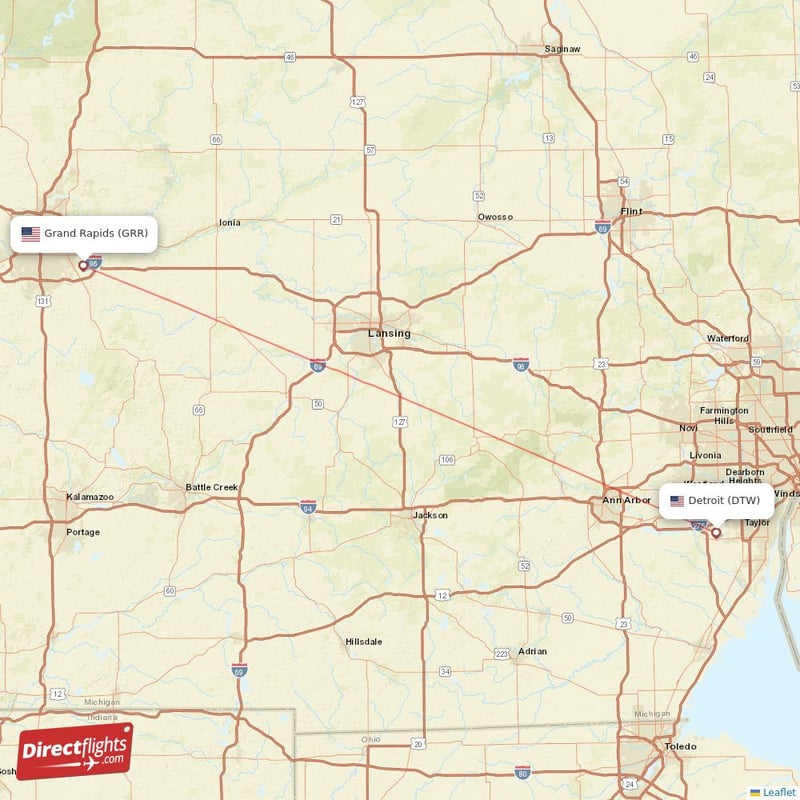
The most common method of travel between Grand Rapids and Detroit is by car. The primary route, Interstate 96 East (I-96 E), offers a relatively direct path, though variations in traffic and specific starting and ending points within each city can influence the exact duration.

I-96 East: The Direct Route
The most frequently traveled route connecting Grand Rapids to Detroit utilizes I-96 E for the majority of the journey. This interstate highway traverses the southern portion of the Michigan Lower Peninsula, passing through various towns and rural landscapes.
- Approximate Distance: The driving distance along I-96 E is typically around 150 to 160 miles, depending on the precise origin and destination points within each metropolitan area.
- Estimated Travel Time: Under ideal conditions, with minimal traffic and without significant stops, the drive can take approximately 2.5 to 3 hours. However, this figure is highly susceptible to fluctuations.
- Traffic Considerations: Both Grand Rapids and Detroit experience considerable rush hour traffic, particularly during weekday mornings and evenings. Navigating through the Detroit metropolitan area, especially near the city center and the Detroit-Windsor Tunnel, can add substantial time.
- Road Construction: Seasonal road construction projects, common throughout the summer months, can also lead to detours and delays, necessitating flexibility in travel plans.
- Weather: Michigan weather can be unpredictable. Heavy snow, ice, or severe thunderstorms, especially during winter and spring, can significantly slow down travel and potentially lead to hazardous conditions.
Alternative Routes and Considerations
While I-96 E is the most direct and popular, other routes might be considered, especially if one wishes to explore different parts of the state or avoid specific traffic bottlenecks.
- US-12: Traveling south on US-12 offers a more scenic, albeit slower, alternative. This route passes through smaller towns and offers a glimpse into more rural Michigan. The journey on US-12 is considerably longer and will take significantly more time than the interstate.
- I-69 and I-94: For those starting in the northern parts of Grand Rapids or wishing to connect to I-69, a route involving I-69 E to I-94 E would be an option. This is generally a longer route and might be chosen for specific logistical reasons rather than efficiency.
Factors Influencing Travel Time
Beyond the sheer mileage, several factors can significantly impact the time it takes to travel between Grand Rapids and Detroit. Understanding these variables is key to accurate trip planning.
Time of Day and Day of Week
- Rush Hours: Weekday mornings (approximately 6:30 AM to 9:30 AM) and afternoons (approximately 3:30 PM to 6:30 PM) are when commuters create the heaviest traffic, especially as one approaches and enters Detroit. Traveling outside these windows can result in a smoother and faster journey.
- Weekends and Holidays: While generally less congested than weekday rush hours, weekends and major holidays can see increased traffic due to leisure travel, events, and shopping.
Vehicle Type and Fuel Stops
The type of vehicle driven can have a minor impact on fuel efficiency and thus the need for stops. A standard car will generally require fewer fuel stops than a larger SUV or truck on this ~150-mile journey. Planning fuel stops strategically, perhaps during a planned break, can minimize overall travel time.
Stops and Breaks
The estimated travel times typically reflect driving directly from point A to point B. Most travelers will opt to make at least one stop for restrooms, snacks, or to stretch their legs. Incorporating these necessary breaks into the itinerary is essential for a comfortable and safe journey. Popular stopping points along I-96 include rest areas and various exit towns offering services.
Planning Your Journey
Successfully navigating the distance between Grand Rapids and Detroit requires thoughtful planning, especially for those unfamiliar with the region.
Utilizing Navigation Tools
Modern navigation applications are invaluable for real-time traffic updates and route optimization. Tools like Google Maps, Waze, or Apple Maps can provide estimated travel times that dynamically adjust based on current traffic conditions. It is advisable to check these applications just before departing and periodically during the drive for any unexpected delays.
Choosing the Right Time to Travel
To maximize efficiency and minimize stress, consider traveling during off-peak hours. Early mornings, late evenings, or mid-day on weekdays often offer the most predictable and quickest travel times. If a weekend trip is necessary, departing early on a Saturday or Sunday morning can help beat the initial rush of weekend travelers.
Preparing for the Drive
- Vehicle Check: Ensure your vehicle is in good working order, with proper tire inflation, sufficient fuel, and all necessary fluids topped up.
- Snacks and Drinks: Packing snacks and beverages can reduce the need for frequent stops, saving time and providing convenience.
- Entertainment: Long drives can be made more enjoyable with music playlists, podcasts, or audiobooks.
- Emergency Kit: Particularly during winter months, it’s wise to have an emergency kit including blankets, a first-aid kit, water, non-perishable food, and a phone charger.
Beyond the Driving Distance: Exploring the Cities
While the geographical distance between Grand Rapids and Detroit is a key planning factor, it’s also worth noting the distinct character of each city. Grand Rapids, often called “Furniture City,” is known for its thriving craft brewery scene, vibrant arts community, and family-friendly attractions like the Frederik Meijer Gardens & Sculpture Park.
Conversely, Detroit, “The Motor City,” boasts a rich history in the automotive industry, iconic landmarks such as the Motown Museum and the Detroit Institute of Arts, and a burgeoning resurgence in culture and entertainment. The drive of roughly 150 miles separates these two dynamic centers of Michigan, each offering unique opportunities for exploration and discovery. Whether for business or leisure, understanding the travel logistics is the first step in experiencing all that these great cities have to offer.
LifeOutOfTheBox is a participant in the Amazon Services LLC Associates Program, an affiliate advertising program designed to provide a means for sites to earn advertising fees by advertising and linking to Amazon.com. Amazon, the Amazon logo, AmazonSupply, and the AmazonSupply logo are trademarks of Amazon.com, Inc. or its affiliates. As an Amazon Associate we earn affiliate commissions from qualifying purchases.