
Understanding the geographical expanse between Hawaii and Alaska is crucial for anyone contemplating a journey that bridges these two dramatically different, yet captivating, American states. This exploration delves into the distances, the primary modes of travel, and the unique experiences that await travelers traversing this vast maritime and terrestrial divide. While seemingly distant, these two destinations offer a remarkable spectrum of natural beauty and adventure, appealing to a wide range of travel desires.
The Intervening Oceans and Landmasses
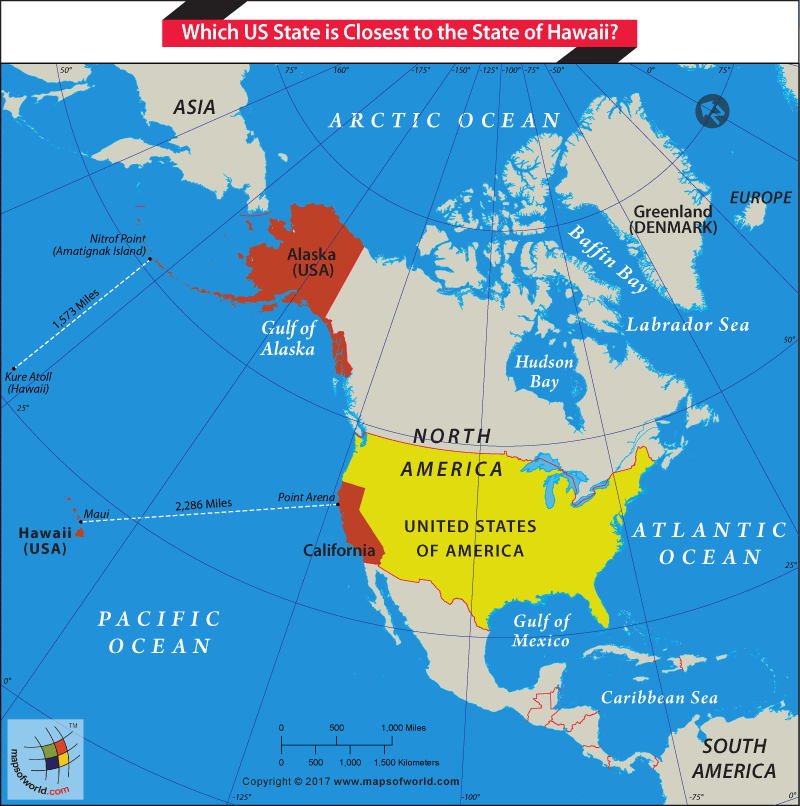
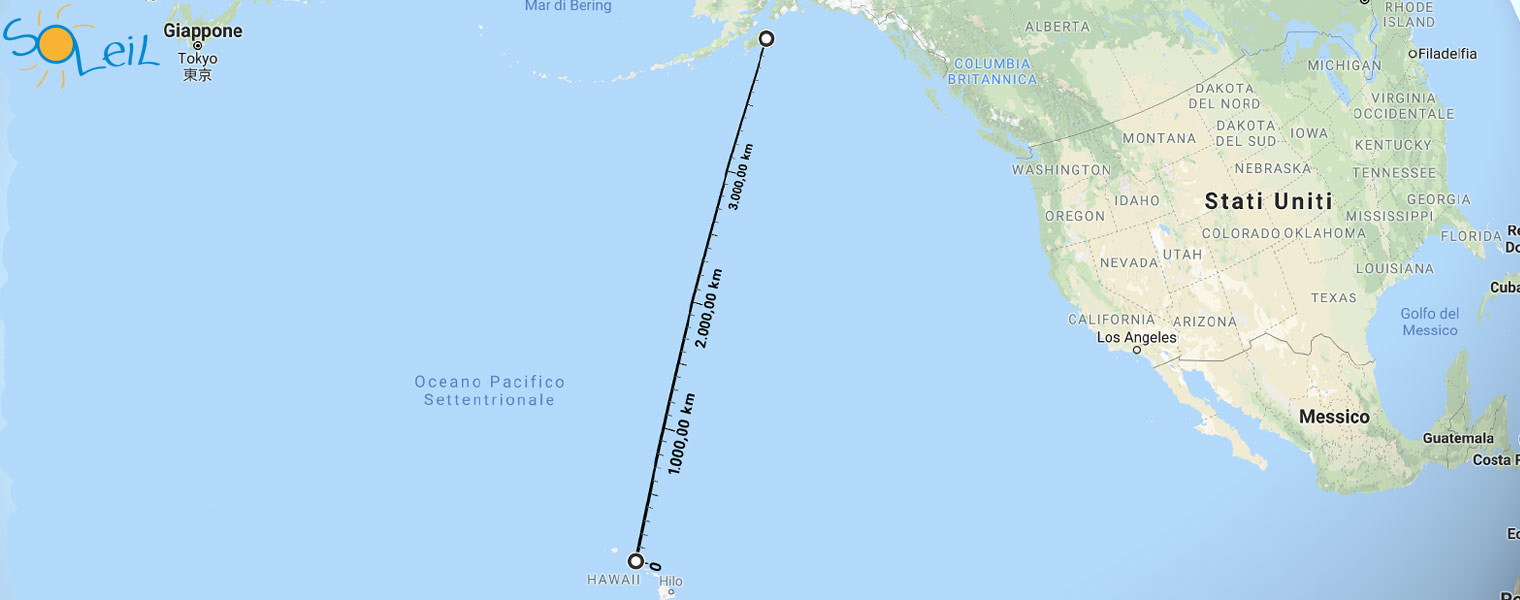
The sheer scale of the Pacific Ocean separates Hawaii from Alaska. Hawaii, an archipelago of volcanic islands, sits in the North Pacific Ocean, roughly 2,500 miles southwest of Juneau, the capital of Alaska. This significant distance means that direct travel requires aerial or lengthy sea voyages. The intervening geography is primarily vast ocean, with the closest landmasses being the Aleutian Islands of Alaska to the north and various islands of Polynesia to the southwest.
Navigating the Pacific Divide
The primary factor influencing travel time and cost between these two states is the immense distance. When planning a trip, it’s essential to consider not just the flight duration but also the time spent traveling to and from airports, potential layovers, and the unique logistical considerations of each destination.
Direct Flight Distances and Durations
Direct flights between major hubs in Hawaii, such as Honolulu International Airport on Oahu, and major cities in Alaska, like Anchorage International Airport, are not a daily occurrence and often involve significant flight times. A typical non-stop flight, if available, would likely span between 7 to 9 hours, covering the approximate 2,500 to 3,000 miles, depending on the specific departure and arrival points. However, direct flights are rare, and most journeys involve at least one stopover, usually on the West Coast of the United States.
Indirect Routes and Their Impact on Travel Time
When direct flights are unavailable or impractical, travelers often connect through cities like Seattle, Portland, or San Francisco. These layovers can extend the total travel time considerably, often pushing the door-to-door journey to 12-18 hours, or even longer, depending on the length of the connection. Understanding these routing nuances is key to accurately budgeting time for travel between these distant American territories.
Modes of Transportation: Flights and Sea Voyages
The vast expanse of the Pacific dictates the primary methods of travel between Hawaii and Alaska. For most travelers, air travel is the most practical and time-efficient option, offering a way to bridge the thousands of miles of ocean. Sea travel, while significantly more time-consuming, presents a more immersive and scenic approach for those with ample time and a desire for a unique maritime adventure.
The Dominance of Air Travel
Aviation is the undisputed champion for inter-state travel between Hawaii and Alaska. Airlines offer various routes, though the rarity of direct flights necessitates careful planning. Booking in advance, being flexible with travel dates, and comparing fares across different airlines and layover cities are essential strategies for securing the best deals and the most convenient schedules.
Major Airports and Airline Services
Key airports in Hawaii include Daniel K. Inouye International Airport in Honolulu on Oahu, Kahului Airport on Maui, and Kona International Airport on the Big Island. In Alaska, Ted Stevens Anchorage International Airport is the busiest, serving as a major hub for both domestic and international flights. Other significant airports include Fairbanks International Airport and Juneau International Airport. Major carriers such as Alaska Airlines, United Airlines, Delta Air Lines, and American Airlines operate routes that connect these two states, often with stops in the contiguous United States.
Considerations for Booking Flights
When booking flights, travelers should be mindful of baggage allowances, especially if planning to carry sports equipment or specialized gear for activities in either Hawaii or Alaska. Time zone differences also play a role; Hawaii observes Hawaii Standard Time (HST), while Alaska is primarily in Alaska Standard Time (AKST), which is two hours ahead of HST. This difference must be factored into arrival and departure planning.
The Allure of Sea Travel
For the intrepid traveler, a sea voyage offers a romantic and unhurried way to connect Hawaii and Alaska. While not a common mode of transport for the average tourist, cruise lines sometimes offer repositioning cruises or extended itineraries that link these regions. These journeys typically take weeks, allowing for a deep appreciation of the Pacific’s vastness and a unique perspective on the maritime landscapes.
Cruise Itineraries and Duration

Cruise ships often traverse the Pacific during seasonal transitions. A journey from Hawaii to Alaska might embark in the spring, moving north as the weather warms, and then reverse the route in the fall. These voyages can last from 10 days to over a month, depending on the number of ports of call and the specific route taken. Such trips often include stops at various Hawaiian islands before heading north, potentially calling at ports in British Columbia, Canada, before reaching Alaska.
Experiencing the Journey at Sea
A sea voyage between Hawaii and Alaska is an experience in itself. Passengers can enjoy onboard amenities, educational programs about marine life and navigation, and the ever-changing ocean vistas. It’s a chance to disconnect from the hurried pace of modern life and immerse oneself in the rhythm of the sea, a stark contrast to the bustling activity of airports and the efficiency of air travel. This method is ideal for those prioritizing the journey over the destination, seeking a profound connection with the Pacific.
Planning Your Journey: Tips for Bridging the Distance
Embarking on a trip from Hawaii to Alaska requires meticulous planning due to the considerable distance and the distinct characteristics of each destination. Whether you are a seasoned traveler or embarking on a unique adventure, understanding the logistical nuances will ensure a smoother and more enjoyable experience.
Timing Your Travel
The optimal time to travel between Hawaii and Alaska is largely dictated by the weather and the desire to experience the best of both locales. For Hawaii, the shoulder seasons of spring (April-May) and fall (September-October) offer pleasant weather with fewer crowds and potentially lower prices. These months provide warm temperatures ideal for beaches and outdoor activities.
In contrast, Alaska experiences its peak tourist season during the summer months (June-August) when daylight hours are longest and temperatures are most amenable for exploring its vast wilderness. This is the prime time for whale watching, hiking, and experiencing the northern lights, though it is also the busiest and most expensive period. Traveling in the late spring or early fall might offer a compromise, with fewer crowds and still reasonable weather for many activities, though the chances of seeing the aurora borealis are diminished outside of the darker months.
What to Pack for Contrasting Climates
Packing for a trip that spans from the tropical warmth of Hawaii to the potentially frigid conditions of Alaska requires careful consideration of layering.
For Hawaii: Lightweight, breathable clothing such as shorts, t-shirts, sundresses, swimwear, and sandals are essential. A light jacket or sweater might be useful for cooler evenings, especially in higher elevations. Don’t forget sun protection: hats, sunglasses, and high SPF sunscreen.
For Alaska: Layering is key. Pack thermal base layers, insulating mid-layers like fleece or down jackets, and a waterproof and windproof outer shell. Sturdy, waterproof hiking boots are a must, along with warm socks, hats, gloves, and a scarf. Even in summer, temperatures can be cool, especially in coastal areas or while on a boat. For winter travel, extreme cold-weather gear is necessary.
Budgeting for the Journey
The considerable distance and the disparate nature of travel and accommodation in Hawaii and Alaska mean that budgeting requires a comprehensive approach. Flights between the two can be a significant expense, especially if booked last minute or during peak seasons. Accommodation costs also vary widely; Hawaii is known for its luxury resorts and vacation rentals, while Alaska offers everything from rustic lodges and camping to upscale hotels in cities like Anchorage.
Consider the cost of activities in each destination: surfing lessons and luaus in Hawaii versus glacier tours and wildlife expeditions in Alaska. Food costs can also add up; while both have local culinary scenes, dining options can range from casual eateries to fine dining establishments. Researching and booking accommodations and popular tours in advance can often secure better rates and availability.
The Appeal of Two Distinct American Paradises
The distance between Hawaii and Alaska only serves to highlight the incredible diversity of landscapes and experiences offered by these two unique American states. While one is characterized by warm, tropical breezes and volcanic shores, the other is defined by majestic glaciers, rugged mountains, and the wild allure of the Arctic. Traveling between them is not merely a geographical relocation but a journey through contrasting natural wonders.
Hawaii: Tropical Bliss and Volcanic Majesty
Hawaii beckons with its iconic beaches, lush rainforests, and vibrant Polynesian culture. Visitors can explore the historical significance of Pearl Harbor, witness the raw power of nature at Volcanoes National Park on the Big Island, learn to surf on the legendary waves of Oahu, or simply relax on the golden sands of Maui. The islands offer a rich tapestry of experiences, from snorkeling in crystal-clear waters teeming with marine life to hiking through verdant valleys and enjoying the aloha spirit.
Alaska: The Last Frontier of Untamed Wilderness
Alaska presents a starkly different, yet equally compelling, adventure. Known as “The Last Frontier,” it is a land of superl
The significant distance between Hawaii and Alaska is a testament to the geographical diversity of the United States. Planning a trip that encompasses both requires careful consideration of travel logistics, time, and budget, but the reward is an unforgettable experience traversing from tropical islands to the majestic wilderness of the north.
LifeOutOfTheBox is a participant in the Amazon Services LLC Associates Program, an affiliate advertising program designed to provide a means for sites to earn advertising fees by advertising and linking to Amazon.com. Amazon, the Amazon logo, AmazonSupply, and the AmazonSupply logo are trademarks of Amazon.com, Inc. or its affiliates. As an Amazon Associate we earn affiliate commissions from qualifying purchases.