
The question of how far Hawaii is from America is a common one, often rooted in the geographic reality that this tropical paradise sits thousands of miles away from the Mainland United States. While Hawaii is the 50th state of the United States, its position in the heart of the Pacific Ocean makes it one of the most isolated island chains on the planet. For travelers planning a getaway to this volcanic archipelago, understanding the distance and the logistics of the journey is the first step in a successful travel experience.
Measuring the Distance: Hawaii and the Mainland United States
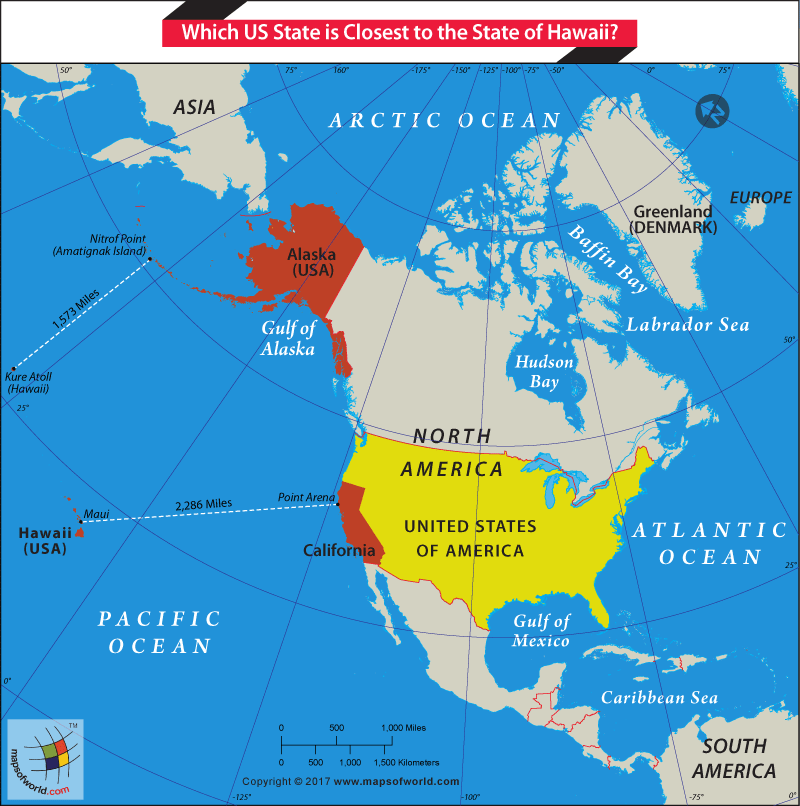
When people ask about the distance between Hawaii and North America, they are typically referring to the flight path from major coastal hubs. Because the state is an island chain stretching over 1,500 miles, the distance can vary depending on which island you are visiting and which city you are departing from. However, for most logistical purposes, Honolulu on the island of Oahu serves as the primary benchmark.
Proximity to the West Coast
The West Coast of the United States is the closest point of departure for travelers heading to the islands. California serves as the main gateway, with San Francisco being approximately 2,390 miles away from Honolulu. A flight from San Francisco International Airport typically takes about five to five and a half hours, depending on wind patterns.
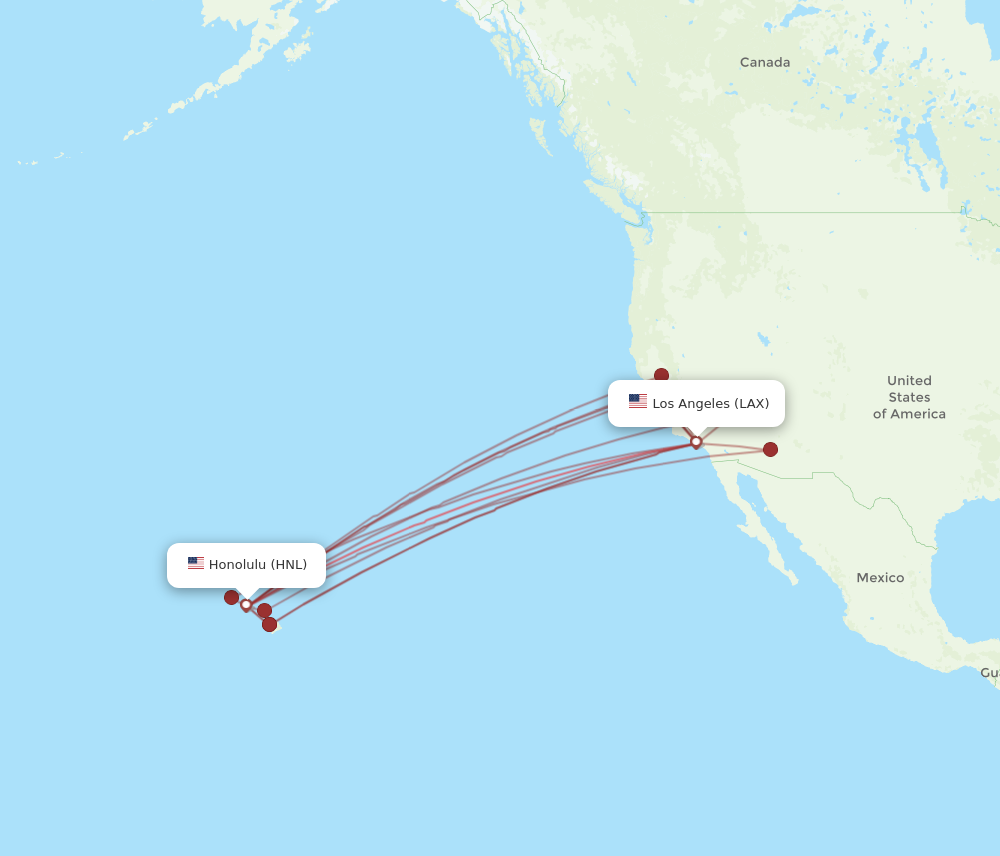
Further south, Los Angeles is roughly 2,550 miles from the islands. Flights from Los Angeles International Airport are the most frequent in the world for this route, usually clocking in at just under six hours. Other major West Coast cities like San Diego, Seattle, and Portland offer similar distances, generally ranging between 2,500 and 2,700 miles. For travelers in the Pacific Northwest, the journey is a staple of winter escapes, providing a relatively quick transition from temperate climates to the tropical warmth of the Hawaiian Islands.
The Long Haul from the East Coast and Midwest
For travelers starting their journey on the East Coast, the distance is significantly more daunting. New York City is approximately 4,960 miles from Honolulu. This is a massive undertaking that involves a flight of nearly 11 hours if taken non-stop. Similar distances apply to Boston and Washington, making a trip to Hawaii from the Atlantic coast a true long-haul travel experience.
The Midwest serves as a middle ground. From Chicago, the distance is about 4,250 miles, with flight times averaging around nine hours. Cities like Dallas, Phoenix, and Las Vegas also offer direct routes, with Phoenix being one of the closer non-coastal options at roughly 2,900 miles. Regardless of the starting point, the journey involves crossing a vast expanse of the Pacific Ocean, where there is no land between the mainland and the islands.
The Geography of the Mid-Pacific: Why Isolation Defines Hawaii
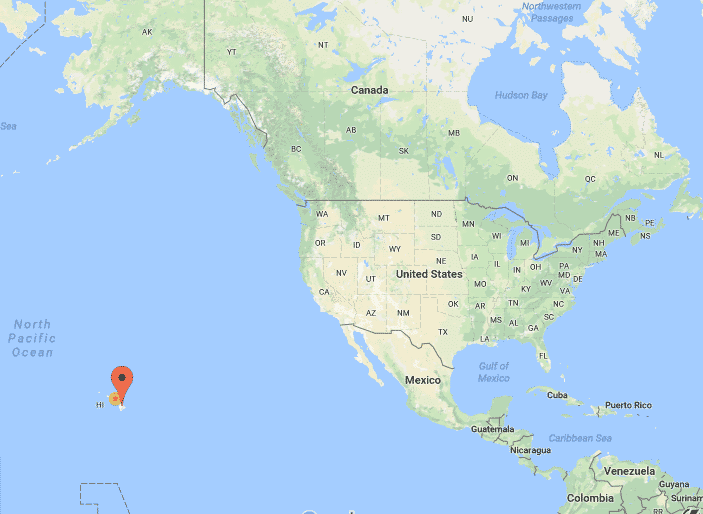
Hawaii is unique not just for its distance from America, but for its distance from everywhere else. It is approximately 3,850 miles from Japan and 4,900 miles from Australia. This extreme isolation has shaped the islands’ ecosystems, culture, and the very nature of tourism in the region.
A Volcanic Archipelago in the Deep Blue
The islands were formed by a “hotspot” in the Earth’s mantle, where magma pushed through the Pacific Plate to create a chain of underwater mountains that eventually broke the surface. Because these islands rose from the deep ocean floor far from any continental landmass, the flora and fauna that arrived there did so by wind, wings, or waves.
For the modern traveler, this geography means that every destination within the state requires careful planning. Whether you are landing at Daniel K Inouye International Airport or flying into a smaller hub, the vastness of the surrounding water is a constant presence. This isolation is exactly what preserves the pristine nature of attractions like the Na Pali Coast on Kauai or the remote reaches of the Big Island.
The Gateway Hub: Honolulu and Oahu
Honolulu is the heartbeat of Hawaii and the primary point of entry for the vast majority of visitors from the Mainland United States. The city is a vibrant metropolis that bridges the gap between the modern United States and traditional Polynesian culture. Here, the distance from the mainland feels both palpable and irrelevant.
Visitors often begin their journey at Waikiki Beach, a world-famous stretch of sand framed by luxury hotels and the iconic silhouette of Diamond Head. Despite being thousands of miles from the West Coast, Honolulu offers every amenity a traveler could desire, from high-end shopping to historic landmarks like Pearl Harbor. The proximity of these sites to the major airport makes Oahu the most accessible island for those wary of the long travel distance.
Destination Guide: What Awaits After the Long Journey
Once you have navigated the thousands of miles across the Pacific Ocean, the reward is a collection of islands that each offer a distinct travel experience. The distance traveled is quickly forgotten as the unique landscapes of the Hawaiian Islands come into view.
Maui: The Valley Isle
Maui is often the second stop for many travelers. It is famous for its world-class beaches and the massive dormant volcano, Haleakala National Park. Standing at the summit of Haleakala at sunrise, you are above the clouds, looking out over an island that feels like a world unto itself.
The Road to Hana is another quintessential Maui experience, a winding drive through rainforests and past cascading waterfalls. Travelers usually fly into Kahului Airport, which receives many direct flights from the mainland, bypassing the need for a connection in Honolulu. This ease of access makes Maui a premier destination for those looking for a mix of luxury and adventure.
Kauai: The Garden Isle
For those seeking a more rugged and natural experience, Kauai is the oldest of the main islands. It is characterized by lush greenery and dramatic cliffs. The Waimea Canyon, often called the “Grand Canyon of the Pacific,” offers hiking trails with views that rival any continental landmark.
Because Kauai is further west in the chain, it feels even more removed from the hustle and bustle of the mainland. Travelers arrive via Lihue Airport, and from there, they can explore the Na Pali Coast by boat or helicopter. The island’s commitment to preserving its natural beauty makes the long journey from America feel like a trip back in time.
The Big Island: A Land of Fire and Ice
The island of Hawaii, commonly known as the Big Island, is the largest and most geologically diverse. It is home to Hawaii Volcanoes National Park, where visitors can witness the power of active lava flows. The island also features Mauna Kea, a massive peak where snow often falls, despite the tropical latitude.
Travelers usually choose between flying into Kona on the sunny west side via Ellison Onizuka Kona International Airport or Hilo on the lush east side. The sheer size of the Big Island means that internal travel requires a rental car and plenty of time, adding another layer to the “distance” one experiences while visiting the state.
Planning Your Transpacific Voyage: Essential Travel Tips
Traveling such a great distance requires more than just a plane ticket. It demands a bit of logistical savvy to ensure that the transition from the Mainland United States to Hawaii is as smooth as possible.
Best Times to Fly and Airline Options
Several major carriers dominate the routes between the mainland and the islands. Hawaiian Airlines is the flagship carrier, known for its island-inspired hospitality. Other major players include United Airlines, Delta Air Lines, American Airlines, and Alaska Airlines. In recent years, Southwest Airlines has expanded its service to Hawaii, increasing competition and making the islands more accessible for budget-conscious travelers.
Timing your flight can also impact your experience. Flying mid-week often results in lower fares and less crowded airports. While Hawaii is a year-round destination, the peak seasons coincide with winter holidays and summer vacations on the mainland. For a more serene experience, visiting during the “shoulder” seasons of spring and fall is highly recommended.
Managing Time Zones and Jet Lag
One of the most significant factors when considering the distance from America is the time difference. Hawaii follows Hawaii Aleutian Standard Time. It does not observe Daylight Saving Time. This means that for part of the year, Hawaii is three hours behind the West Coast and six hours behind the East Coast.
Jet lag is a real consideration for travelers from the East Coast and the Midwest. To combat this, it is advised to stay hydrated during the long flight and to try and adjust your internal clock to local time as soon as you land. Most flights from the mainland arrive in the afternoon, which is perfect for grabbing a quick meal at a local spot in Honolulu or Kona before getting a full night’s rest.
The journey to Hawaii is a testament to the allure of the islands. Despite the thousands of miles of ocean and the long hours spent in the air, the draw of the “Aloha Spirit” remains as strong as ever. Whether you are departing from the bustling streets of San Francisco or the distant shores of New York City, the transition from the Mainland United States to this island paradise is a travel rite of passage that rewards every visitor with incomparable beauty and a unique sense of place.
LifeOutOfTheBox is a participant in the Amazon Services LLC Associates Program, an affiliate advertising program designed to provide a means for sites to earn advertising fees by advertising and linking to Amazon.com. Amazon, the Amazon logo, AmazonSupply, and the AmazonSupply logo are trademarks of Amazon.com, Inc. or its affiliates. As an Amazon Associate we earn affiliate commissions from qualifying purchases.