
The allure of Hawaii has captivated travelers for centuries, a true paradise nestled in the heart of the Pacific Ocean. For those on the United States mainland, particularly the sun-drenched shores of California, the dream of an island escape often begins with a fundamental question: “How far is Hawaii from California by plane?” This isn’t just about a number of miles; it’s about understanding the journey, the time commitment, and what to expect when traversing this vast expanse of ocean. Whether you’re dreaming of surfing the legendary waves of Oahu, hiking the lush trails of Maui, or exploring the volcanic landscapes of the Big Island, preparing for the flight is the first step in unlocking an unforgettable travel experience.
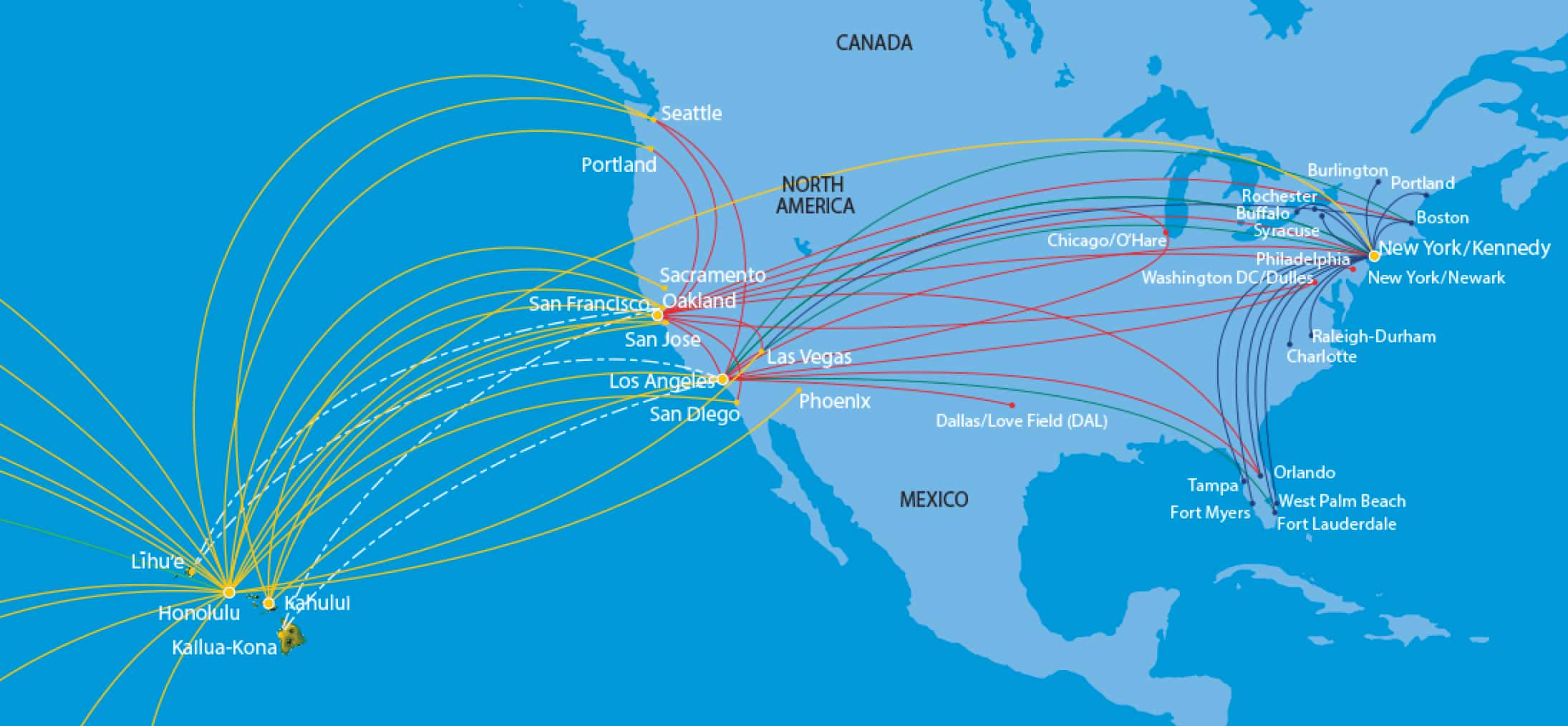
This guide will delve into the precise distances, average flight durations, and the various factors that influence your aerial voyage from the Golden State to the Aloha State. We’ll explore key departure and arrival points, offer insights into optimizing your travel plans, and highlight how this journey forms an integral part of your overall Hawaiian adventure, touching upon everything from accommodation choices to local culture.
Unveiling the Pacific Passage: Distance and Flight Duration
Understanding the geographical span between California and Hawaii is crucial for any aspiring island hopper. It’s a significant journey across open ocean, far from the brief domestic hops many travelers are accustomed to.
The Geographic Truth: Miles Between Aloha State and Golden State
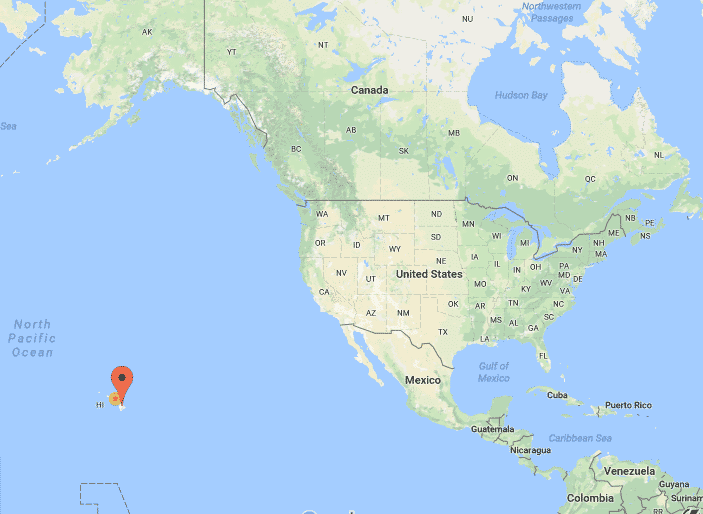
The exact distance between California and Hawaii varies slightly depending on your specific departure and arrival airports. Generally, the straight-line distance, or great-circle distance, between major cities like Los Angeles or San Francisco on the California coast and Honolulu on Oahu is approximately 2,500 to 2,600 miles (about 4,000 to 4,200 kilometers).
For instance:
- From Los Angeles International Airport (LAX) to Daniel K. Inouye International Airport (HNL) in Honolulu, the distance is roughly 2,550 miles.
- From San Francisco International Airport (SFO) to HNL, it’s around 2,390 miles.
- If you’re flying to other Hawaiian islands, the distance will adjust slightly. For example, a flight from LAX to Kahului Airport (OGG) on Maui is approximately 2,480 miles. Similarly, reaching Kona International Airport (KOA) on the Big Island from LAX covers about 2,500 miles.
These figures highlight that regardless of your specific destination in Hawaii, you’re looking at a journey of substantial oceanic travel, making the flight itself a significant part of the adventure.
Cruising Altitude: Average Flight Times and Factors
Given the distances, the average non-stop flight time from California to Hawaii typically ranges from 5 to 6 hours. This duration can be influenced by several factors:
- Jet Stream: Flights heading westbound (towards Hawaii) often fly against the prevailing jet stream, which can add 30-60 minutes to the flight time. Conversely, eastbound flights (returning to California) benefit from the jet stream, often completing the journey in 4.5 to 5 hours.
- Aircraft Type: Modern commercial airliners are designed for efficiency, but different models have varying cruising speeds. A newer Boeing 787 Dreamliner or Airbus A330 might shave a few minutes off compared to older aircraft.
- Specific Route and Air Traffic Control: The exact flight path chosen by pilots, guided by air traffic control, can also subtly impact the duration, though these variations are usually minor for long-haul oceanic flights.
- Layover vs. Non-stop: While this article focuses on direct flights, it’s important to remember that flights with layovers will, of course, significantly extend your total travel time. Most major California cities offer direct flights to Hawaii’s primary airports, making non-stop travel the preferred and most efficient option.
Considering these factors, travelers should budget a full half-day for the journey itself, accounting for pre-flight airport procedures, boarding, and disembarkation.
Navigating Your Hawaiian Adventure: Planning the Journey
A successful trip to Hawaii begins long before you step foot on the islands. Careful planning, especially concerning your flight, can significantly enhance your experience.
Choosing Your Departure Point: Major California Airports
California boasts several major international airports that serve as excellent gateways to Hawaii. The choice of departure point often depends on your starting location within California and the availability of direct flights.
- Los Angeles International Airport (LAX): As one of the busiest airports in the world, LAX offers the widest selection of airlines, flight times, and direct routes to multiple Hawaiian islands. Its extensive connectivity makes it a popular choice for travelers from Southern California and beyond.
- San Francisco International Airport (SFO): Serving the Bay Area, SFO is another major hub with frequent direct flights to Hawaii. It’s an ideal choice for those in Northern California.
- San Diego International Airport (SAN): Located further south, SAN provides convenient direct flights to Hawaii, often to Honolulu and Maui, perfect for San Diego residents and surrounding areas.
- Oakland International Airport (OAK) and Mineta San José International Airport (SJC): Both offer excellent options for Bay Area travelers seeking potentially more budget-friendly flights or a less crowded airport experience compared to SFO. These airports often have direct routes to Honolulu and Maui.
When selecting your departure airport, consider not just the flight price, but also the ease of getting to the airport, parking costs, and the overall convenience for your travel party.
Landing in Paradise: Key Hawaiian Airports
Upon arrival in Hawaii, your choice of island will dictate your landing point. Each major island hosts an international airport, typically well-equipped to welcome visitors.
- Daniel K. Inouye International Airport (HNL) – Oahu: Located in Honolulu, HNL is the primary gateway to Hawaii. Most flights from California land here. It’s ideal for those wanting to experience Waikiki Beach, Pearl Harbor, and the vibrant city life of Honolulu.
- Kahului Airport (OGG) – Maui: The main airport for Maui, OGG offers direct connections from many California airports. It’s the perfect entry point for exploring Maui’s stunning beaches, the Road to Hana, and the luxurious resorts of Wailea and Kaanapali.
- Kona International Airport (KOA) – Big Island (West Side): Serves the popular Kona district, known for its coffee farms, historical sites, and vibrant marine life. Many direct flights from California also land here.
- Hilo International Airport (ITO) – Big Island (East Side): While offering fewer direct international flights, ITO is closer to Volcanoes National Park and the lush rainforests of Hilo. Travelers often fly into KOA or HNL and then take a short inter-island flight to ITO.
- Lihue Airport (LIH) – Kauai: The gateway to the “Garden Isle,” LIH is your starting point for exploring the Napali Coast, Waimea Canyon, and the scenic beauty of Princeville and Poipu. Direct flights from California are available.
For those planning to visit multiple islands, booking an open-jaw ticket (flying into one island and out of another) or utilizing affordable inter-island flights (typically 20-40 minutes) is common.
Best Time to Fly: Seasonal Considerations and Budgeting
Timing your trip can significantly impact both the cost and your overall experience.
- Peak Seasons: Hawaii sees its highest tourist numbers during winter (mid-December to March) and summer (June to August), as well as around major holidays. During these times, flights and accommodation are generally more expensive and require booking well in advance. The weather, however, is often ideal.
- Shoulder Seasons: Spring (April to May) and Fall (September to mid-December, excluding Thanksgiving) are often considered the best times to visit. You’ll find fewer crowds, more moderate prices for flights and hotels, and still enjoy fantastic weather. This is an excellent time for budget-conscious travelers or those seeking a more tranquil experience.
- Budgeting: Airfare typically constitutes a significant portion of the travel budget to Hawaii. Using flight comparison websites, setting price alerts, and being flexible with your travel dates can help secure better deals. Flying mid-week often yields lower prices than weekend travel. Consider booking at least 3-6 months in advance, especially during peak season.
Enhancing Your Pacific Escape: Beyond the Flight
The flight is just the beginning. Once you’ve covered the miles, Hawaii unfolds as a tapestry of unique experiences, from luxurious stays to immersive cultural encounters.
Selecting Your Hawaiian Haven: Accommodation Choices
Hawaii offers a vast spectrum of accommodation options to suit every taste and budget, making your stay as comfortable or as adventurous as you desire.
- Luxury Resorts: For those seeking an opulent escape, Hawaii is home to world-class resorts offering unparalleled amenities. Imagine waking up to oceanfront views at the Four Seasons Resort Maui at Wailea, enjoying a championship golf course at The Ritz-Carlton, Kapalua, or indulging in spa treatments at the Grand Hyatt Kauai Resort & Spa. These resorts often feature multiple pools, fine dining, cultural activities, and direct beach access, providing a complete vacation experience within their grounds.
- Boutique Hotels: For a more intimate and personalized experience, boutique hotels often offer unique charm, localized decor, and exceptional service. These can be found in charming towns like Lahaina on Maui or nestled along hidden coves.
- Vacation Rentals (Villas & Apartments): Ideal for families, groups, or those seeking a longer stay, private villas, condos, and apartments provide more space, privacy, and often kitchens for self-catering. Popular booking platforms offer a wide range of options, from budget-friendly studios to expansive beachfront homes. This allows travelers to immerse themselves more deeply in the local lifestyle.
- Budget-Friendly Options: Travelers on a tighter budget can find comfortable hotels and guesthouses, especially in areas like Waikiki (e.g., Hilton Hawaiian Village Waikiki Beach Resort or smaller, independent hotels a few blocks from the beach) or less tourist-heavy towns. Hostels are also available on some islands for backpackers.
- Unique Stays: For an unconventional experience, consider glamping in a yurt, staying in an eco-lodge, or even booking a treehouse on the Big Island near Volcanoes National Park.
When booking accommodation, always check recent reviews, compare prices across different platforms, and consider the amenities that are most important for your trip, whether it’s a pool, kitchen, or proximity to specific attractions.
Experiencing the Islands: Tourism and Activities
Hawaii is much more than just beautiful beaches; it’s a vibrant tapestry of culture, history, and adventure.
- Local Culture: Engage with the rich Hawaiian culture by attending a traditional luau, learning a few Hawaiian phrases, or visiting cultural centers. Explore historical landmarks like Pearl Harbor on Oahu, or the ancient Puʻuhonua o Hōnaunau National Historical Park on the Big Island.
- Food and Cuisine: The culinary scene in Hawaii is a delightful fusion of influences. Savor fresh poke bowls, try traditional kalua pig, indulge in shave ice, or explore the farm-to-table restaurants that highlight local produce. Don’t miss out on trying a traditional plate lunch from a local food truck.
- Outdoor Activities: The islands are a playground for outdoor enthusiasts. Surf lessons at Waikiki, snorkeling or diving in the clear waters of Molokini Crater off Maui, hiking to the summit of Diamond Head on Oahu, kayaking along the Napali Coast of Kauai, or stargazing from the dormant volcano Mauna Kea on the Big Island are just a few of the endless possibilities.
- Landmarks: Beyond natural wonders, Hawaii offers significant landmarks. From the solemn history of the USS Arizona Memorial to the scenic beauty of Hanauma Bay or the dramatic cliffs of Kalaupapa National Historical Park on Molokai, each site tells a story of the islands.
Lifestyle on the Islands: From Luxury to Budget Travel
Hawaii caters to a wide array of travel lifestyles, ensuring every visitor can craft their ideal getaway.
- Luxury Travel: For those desiring indulgence, Hawaii delivers. Private helicopter tours over active volcanoes, yacht charters along the coast, exclusive access to pristine beaches, and gourmet dining experiences are readily available. Many luxury resorts also offer personalized concierge services to curate every aspect of a high-end vacation.
- Budget Travel: Despite its reputation, a Hawaiian vacation doesn’t have to break the bank. By opting for vacation rentals or guesthouses with kitchens, cooking some of your meals, utilizing local bus systems (where available), and focusing on free outdoor activities like hiking and beach visits, a memorable trip can be achieved on a budget.
- Family Trips: Hawaii is exceptionally family-friendly. Resorts often have kids’ clubs, dedicated pools, and family-oriented activities. Beaches are generally safe for swimming, and attractions like the Honolulu Zoo or the Maui Ocean Center provide educational fun. Renting a car is highly recommended for families to explore at their own pace.
- Adventure Seekers: From surfing monster waves on the North Shore of Oahu to scuba diving with manta rays off Kona, rappelling down waterfalls, or exploring lava tubes, the adventurous spirit will find plenty to excite in Hawaii.
- Romantic Getaways and Honeymoons: With its breathtaking sunsets, secluded beaches, and luxurious accommodations, Hawaii is a quintessential destination for romance. Couples can enjoy private dinners on the beach, couples’ massages, or simply stroll hand-in-hand along a moonlit shore.

Making the Most of Your Trans-Pacific Journey
To ensure your journey to and from Hawaii is as smooth as possible, a few practical tips can go a long way.
Firstly, pack smart. While the flight is long, the islands are casual. Light, breathable clothing is key, along with swimwear, reef-safe sunscreen, and sturdy shoes for hiking. A good book or downloaded entertainment will make the flight more enjoyable. Don’t forget an empty reusable water bottle to fill up after security.
Secondly, account for the time change. Hawaii operates on Hawaii Standard Time (HST), which is typically 2 or 3 hours behind Pacific Standard Time (PST) in California, depending on Daylight Saving Time. Flying westbound, you gain time, which can be disorienting. Try to adjust your sleep schedule a day or two before you depart, and upon arrival, embrace the local time zone immediately to minimize jet lag. Stay hydrated on the flight and expose yourself to natural light upon landing.
Thirdly, plan your ground transportation. Upon arrival at your chosen Hawaiian airport, consider your options. Rental cars are highly recommended for exploring most islands, offering flexibility and access to remote attractions. Book well in advance, especially during peak seasons, as demand can outstrip supply, and prices can surge. Taxis, ride-sharing services, and airport shuttles are also available, particularly for transfers to major resort areas. For those staying primarily in Waikiki, public transportation (TheBus) is an economical way to get around Honolulu and its vicinity.
Finally, embrace the local customs and etiquette. The spirit of Aloha is central to Hawaiian culture. Be respectful of the land (Aina), the ocean (Kai), and the local people. Learn a few basic Hawaiian phrases like “Mahalo” (thank you) and “Aloha” (hello/goodbye/love). Always ask for permission before taking photos of people, avoid trespassing on private property, and respect sacred sites.
In conclusion, the journey from California to Hawaii by plane is a significant trans-Pacific adventure, spanning approximately 2,500 miles and taking 5-6 hours. But every mile and every minute brings you closer to an unparalleled experience. By carefully planning your departure and arrival points, considering the best time to visit, and researching the wealth of accommodation, tourism, and lifestyle options available, you can ensure your Hawaiian escape is as effortless and enriching as the islands themselves. From the moment you book your ticket to the instant you feel the warm Hawaiian breeze, you’re embarking on a journey that promises relaxation, adventure, and a deep connection with one of the world’s most cherished destinations. Hawaii truly is a world away, and well worth the flight.