
The allure of sun-drenched beaches meets the mystique of ancient traditions across the vast expanse of the Pacific Ocean. For many intrepid travelers, the thought of bridging the gap between the tropical paradise of Hawaii and the vibrant culture of Japan sparks a fundamental question: just how far apart are these two captivating destinations? More than a simple measurement of miles, this question invites an exploration of travel logistics, cultural connections, and the unique experiences that await at either end of this trans-Pacific journey. This article delves into the geographical distance, the various modes and times of travel, and the rich tapestry of tourism and lifestyle choices that connect and distinguish these remarkable locales.
The Nautical Mile and Air Mile Distance: A Significant Span
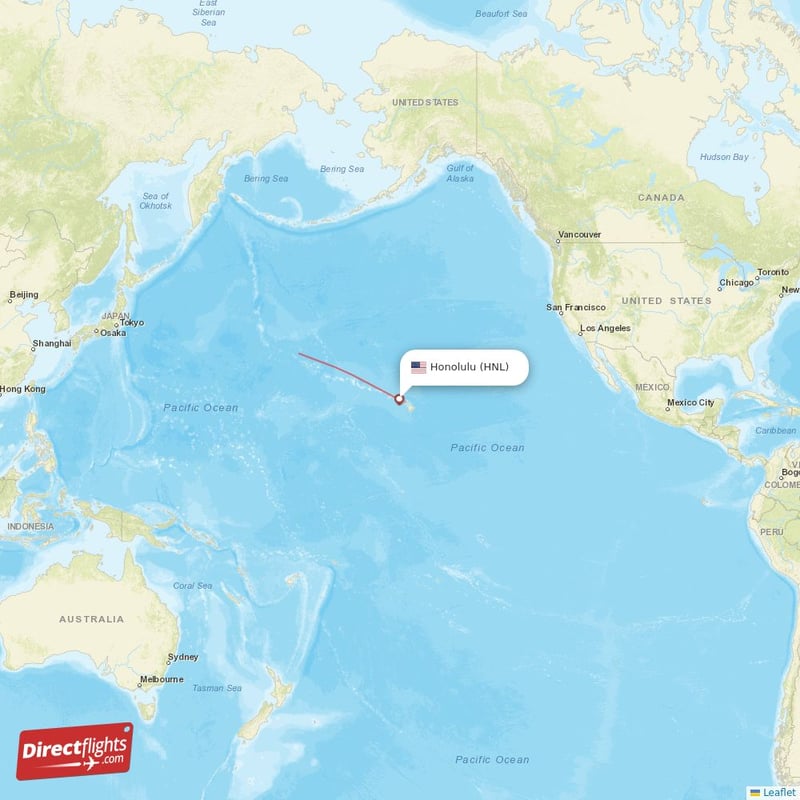
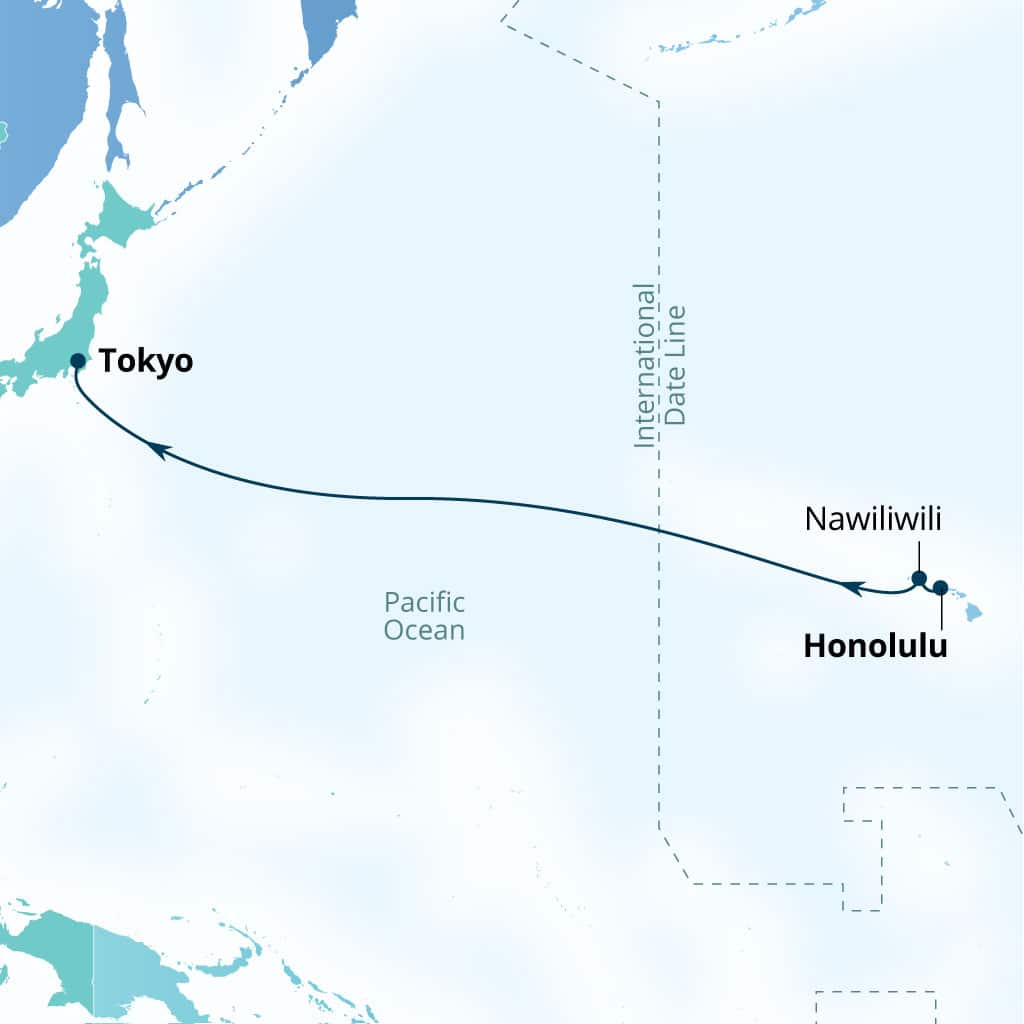
To answer the question directly, Hawaii and Japan are separated by a substantial stretch of the Pacific Ocean. The exact distance can vary slightly depending on the specific starting and ending points, but generally, the air distance between major hubs like Honolulu (Hawaii) and Tokyo (Japan) is approximately 3,850 to 4,000 miles (6,200 to 6,400 kilometers).
When discussing travel across oceans, nautical miles are often used, particularly in aviation and maritime contexts. One nautical mile is slightly longer than a statute mile (approximately 1.15 statute miles or 1.85 kilometers). Therefore, the distance is roughly 3,350 to 3,470 nautical miles. This considerable span highlights the epic nature of the journey, emphasizing that it’s an intercontinental trip rather than a short hop. While a significant distance, modern travel technology has made this journey not only feasible but also a popular route for millions of tourists and business travelers annually. The sheer size of the Pacific is awe-inspiring, yet the efficiency of contemporary air travel has transformed what was once a monumental voyage into a routine flight, opening up incredible travel possibilities and allowing for rich cultural exchanges between these two pivotal Pacific Rim nations.

Bridging Continents: Travel Time and Modes
The method of travel you choose will dramatically impact the time it takes to traverse the distance between Hawaii and Japan. From rapid air travel to leisurely ocean cruises, each mode offers a distinct experience.
By Air: The Primary Mode of Travel
For the vast majority of travelers, flying is the preferred and most practical way to travel between Hawaii and Japan. Direct flights typically range from 7 to 9 hours from Honolulu to Tokyo or Osaka, and vice-versa. The slight variation in flight time can be attributed to factors such as prevailing winds (jet streams often make the flight from Japan to Hawaii slightly shorter) and specific aircraft models.
Major international airports serve as key hubs for this route. In Japan, travelers primarily depart from or arrive at Narita International Airport (NRT) or Haneda Airport (HND) in Tokyo, and Kansai International Airport (KIX) near Osaka. On the Hawaiian side, Daniel K. Inouye International Airport (HNL) in Honolulu, Oahu, is the primary gateway, handling the vast majority of international flights. Airlines such as Japan Airlines (JAL), All Nippon Airways (ANA), Hawaiian Airlines, and United Airlines frequently operate on this route, offering a range of services from economy to first class, catering to various budgets and luxury travel preferences.
One significant consideration when flying across the Pacific is the International Date Line. When traveling from Hawaii to Japan, you “lose” a day, arriving on the following calendar day. Conversely, traveling from Japan to Hawaii means you “gain” a day, often arriving on the same calendar day you departed or even an earlier time. This phenomenon, coupled with the considerable time zone difference (19 hours between Honolulu and Tokyo), makes jet lag a common companion for travelers on this route. Planning for an extra day of rest upon arrival is a wise strategy to fully enjoy the attractions and experiences of your destination.
The Allure of a Cruise: A Slower Journey
For those who prefer the journey to be as much a part of the adventure as the destination itself, cruising offers a unique and luxurious alternative. Trans-Pacific cruises between Hawaii and Japan are less common than direct flights but are certainly an option, often forming part of longer Pacific crossings that might include other Asian or North American ports.
A cruise journey between these two points would typically take 10 to 14 days, sometimes longer, depending on the itinerary, the number of stops, and the ship’s speed. These voyages often include calls at various Hawaiian islands like Maui, Kauai, or the Big Island, before venturing across the open Pacific towards Japanese ports such as Yokohama, Kobe, or Nagasaki.
Cruise lines like Princess Cruises, Holland America Line, and Cunard occasionally offer itineraries that include this segment. The experience is one of pampered relaxation, with on-board amenities ranging from gourmet dining and entertainment to spas, pools, and casinos. This mode of travel aligns perfectly with the lifestyle of luxury travel, allowing passengers to unwind, enjoy the vastness of the ocean, and gradually transition between cultures. While considerably slower and typically more expensive than flying, a cruise provides an unforgettable way to bridge the distance, transforming travel into a destination in itself.
Beyond Distance: Cultural Connections and Travel Appeal
The geographical distance between Hawaii and Japan is significant, but their cultural connections and mutual travel appeal bring them much closer. These destinations offer a diverse array of experiences, drawing millions of tourists annually with their unique blends of history, nature, and modern vibrancy.
A Shared History and Modern Ties
The relationship between Hawaii and Japan is deep and multifaceted, extending far beyond their geographical separation. A significant wave of Japanese immigrants arrived in Hawaii in the late 19th and early 20th centuries to work on the sugar cane plantations, profoundly shaping the islands’ demographic and cultural landscape. Today, people of Japanese descent constitute one of the largest ethnic groups in Hawaii, contributing to a vibrant fusion of cultures. This influence is evident in the cuisine, with local favorites like poke and saimin showing Japanese culinary roots, as well as in festivals, traditions, and even the widespread use of the Japanese language. Landmarks such as the Byodo-In Temple on Oahu, a replica of a 950-year-old temple in Uji, Japan, stand as testament to this enduring connection.
The historical impact of Pearl Harbor on Oahu also forms an indelible part of the shared narrative, now serving as a powerful symbol of remembrance and reconciliation. In modern times, Hawaii remains an immensely popular destination for Japanese tourists, drawn by its warm climate, beautiful beaches, and familiar cultural elements. Conversely, as Japan has become increasingly accessible and popular globally, more Hawaiians and US residents are exploring its rich cultural heritage, from the bustling streets of Tokyo to the serene temples of Kyoto.
What Awaits Travelers: Unique Experiences
Both Japan and Hawaii are treasure troves of unique experiences, catering to diverse travel interests from adventure seekers to cultural enthusiasts and those simply looking for relaxation.
Japan: A land where ancient traditions meet futuristic innovation, Japan offers an unparalleled travel experience. In cities like Tokyo, travelers can immerse themselves in the neon glow of Shinjuku, visit iconic landmarks such as the Tokyo Skytree and The Imperial Palace, or explore world-class museums. Kyoto, the former imperial capital, provides a stark contrast with its thousands of Buddhist temples, Shinto shrines like Fushimi Inari-taisha, traditional Gion district where geisha sightings are possible, and the breathtaking Arashiyama Bamboo Grove. Beyond the cities, natural wonders abound, from the majestic slopes of Mount Fuji to the cherry blossom-laden landscapes of spring and the vibrant autumn foliage. The cuisine in Japan is a journey in itself, offering everything from Michelin-starred sushi to comforting ramen, traditional kaiseki dinners, and vibrant street food. Engaging with local culture, participating in a tea ceremony, or staying in a traditional ryokan (Japanese inn) provides profound insights into the Japanese way of life.
Hawaii: The Aloha State is synonymous with paradise, offering stunning natural beauty and a relaxed, welcoming atmosphere. Each island presents its own distinct charm. Oahu is home to the bustling capital of Honolulu and the world-famous Waikiki Beach, where surfing lessons are a must. Iconic landmarks like Diamond Head Crater offer panoramic views, while the North Shore of Oahu is legendary for its massive winter waves, attracting surfers from around the globe. Maui is celebrated for its romantic sunsets, the scenic Road to Hana, and the dramatic landscapes of Haleakala National Park. The Big Island, officially called Hawaii Island, mesmerizes with the active volcanoes of Hawaii Volcanoes National Park, black sand beaches, and lush rainforests. Kauai, the “Garden Isle,” boasts the breathtaking Na Pali Coast and Waimea Canyon, often called the “Grand Canyon of the Pacific.” Beyond the scenery, visitors can experience the warmth of Hawaiian culture through luaus, hula performances, and the genuine aloha spirit.
Planning Your Journey: Tips for Seamless Travel
Seamless travel between Hawaii and Japan requires careful planning, touching upon various aspects of the tourism and accommodation experience.
- Best Time to Visit: Both destinations are enjoyable year-round, but specific seasons offer unique advantages. Japan is stunning during cherry blossom season (late March to early April) and autumn foliage (October to November). Hawaii enjoys pleasant weather year-round, but winter (December to March) brings bigger waves for surfers on the North Shore and whale watching opportunities, while summer (June to August) is ideal for calmer waters and family trips.
- Visa Requirements: Travelers from the US (including Hawaii) generally do not need a visa for short-term tourist stays in Japan (up to 90 days), but an ESTA is required for most international visitors entering the United States (including Hawaii), though it’s not required for US citizens. Always check the latest visa and entry requirements well in advance of your trip.
- Currency: Japan uses the Japanese Yen (JPY), while Hawaii, as a US state, uses the US Dollar (USD). It’s advisable to carry some local currency, especially for smaller establishments, though credit cards are widely accepted.
- Budgeting: Both destinations can cater to luxury travel and budget travel, depending on choices for accommodation, dining, and activities. Japan can be expensive in major cities like Tokyo, but efficient public transport and affordable food options exist. Hawaii also offers a range from high-end resorts to more budget-friendly vacation rentals, with food costs often higher due to importation.
- Accommodation: Research and book your accommodation well in advance, especially during peak seasons. Options range from luxurious hotels and resorts to charming boutique hotels, guesthouses, and apartments, providing flexibility for long-term stays or short trips.
Accommodation and Lifestyle Choices Across the Pacific
The choices for accommodation and the associated lifestyle experiences are as varied as the landscapes of Japan and Hawaii. Both offer exceptional options that cater to every traveler’s desire, from ultimate luxury to cultural immersion.
Diverse Stays in Japan
Japan’s accommodation scene is incredibly diverse, reflecting its blend of ancient traditions and modern efficiency. In bustling metropolises like Tokyo and Osaka, you’ll find an abundance of sleek, modern high-rise hotels from international chains and local brands, offering everything from standard rooms to opulent suites. Districts like Shinjuku in Tokyo are famed for their towering hotels with panoramic city views. For a truly unique experience, capsule hotels provide a budget-friendly and distinctly Japanese lodging option, while love hotels offer themed rooms and discreet services.
Beyond the urban centers, traditional Japanese inns known as ryokans offer a deep dive into local culture. Found often in scenic areas or near hot springs (onsen), ryokans feature tatami mat rooms, futon bedding, elaborate multi-course kaiseki dinners, and communal baths. Staying in a ryokan is a highly recommended cultural experience, offering a glimpse into traditional Japanese hospitality. For those seeking independence, vacation rentals and apartments are readily available, especially in larger cities, providing amenities for longer stays. Booking platforms are widely used, and early reservations are crucial, particularly during peak travel seasons like cherry blossom or autumn.
Hawaiian Resorts and Island Escapes
Hawaii is renowned for its world-class resorts and stunning beachfront accommodations, epitomizing the lifestyle of tropical luxury and relaxation. On islands like Oahu, Maui, and Kauai, properties like the Four Seasons Resort Maui at Wailea or The Ritz-Carlton, Kapalua offer unparalleled amenities: infinity pools, direct beach access, award-winning spas, championship golf courses, and exquisite dining options. These resorts often cater to family trips, romantic getaways, and business stays, providing comprehensive services and a truly indulgent experience.
Beyond the grand resorts, Hawaii also offers a range of other accommodation types. Boutique hotels provide a more intimate and personalized experience, often reflecting the unique character of their island location. Vacation rentals, including private villas and apartments, are popular for those seeking more space, privacy, or self-catering options, especially for longer stays or larger groups. These can be found nestled along pristine beaches, perched on verdant hillsides, or integrated into charming local communities. Many accommodations emphasize outdoor living, with lanais (balconies), ocean views, and easy access to natural attractions. Whether seeking an all-inclusive luxury escape or a secluded island retreat, Hawaii’s accommodation landscape is designed to enhance the tropical lifestyle experience, offering comfort, beauty, and convenience.
In conclusion, the question “How Far Is Hawaii From Japan?” reveals a significant geographical distance spanning roughly 4,000 miles across the Pacific Ocean. However, this vastness is effortlessly bridged by modern air travel, making the journey a manageable 7-9 hours. Beyond the numbers, these two distinct yet connected destinations offer a world of travel possibilities. From the ancient temples and futuristic cities of Japan to the volcanic landscapes and pristine beaches of Hawaii, travelers can immerse themselves in rich cultures, diverse lifestyles, and unparalleled natural beauty. While physically separated, the enduring cultural ties and the ease of modern transportation ensure that the distance between Hawaii and Japan is no barrier to experiencing the wonders each has to offer. Embarking on this trans-Pacific adventure promises a journey of discovery, relaxation, and unforgettable memories.
LifeOutOfTheBox is a participant in the Amazon Services LLC Associates Program, an affiliate advertising program designed to provide a means for sites to earn advertising fees by advertising and linking to Amazon.com. Amazon, the Amazon logo, AmazonSupply, and the AmazonSupply logo are trademarks of Amazon.com, Inc. or its affiliates. As an Amazon Associate we earn affiliate commissions from qualifying purchases.