
The allure of the Hawaiian Islands, with their sun-drenched beaches, volcanic landscapes, and vibrant culture, is a powerful magnet for travelers worldwide. For those residing on the West Coast of the United States, particularly in bustling urban centers like Los Angeles, the dream of a tropical escape often begins with a fundamental question: “How far is Hawaii from Los Angeles?” While the geographical distance might seem daunting at first glance, the journey is surprisingly accessible, opening up a world of unparalleled travel experiences. This guide delves into the specifics of bridging the gap between these two distinct worlds, covering everything from the precise distance and travel times to comprehensive planning advice, accommodation options, and how to fully immerse yourself in the Hawaiian lifestyle.
The Geographical Reality: Measuring the Distance Across the Pacific
Understanding the distance between Los Angeles and Hawaii is the first step in demystifying the journey. It’s not just about a number; it’s about comprehending the vast expanse of the Pacific Ocean that separates the continental United States from its island paradise.
Straight-Line Distance vs. Practical Travel Miles
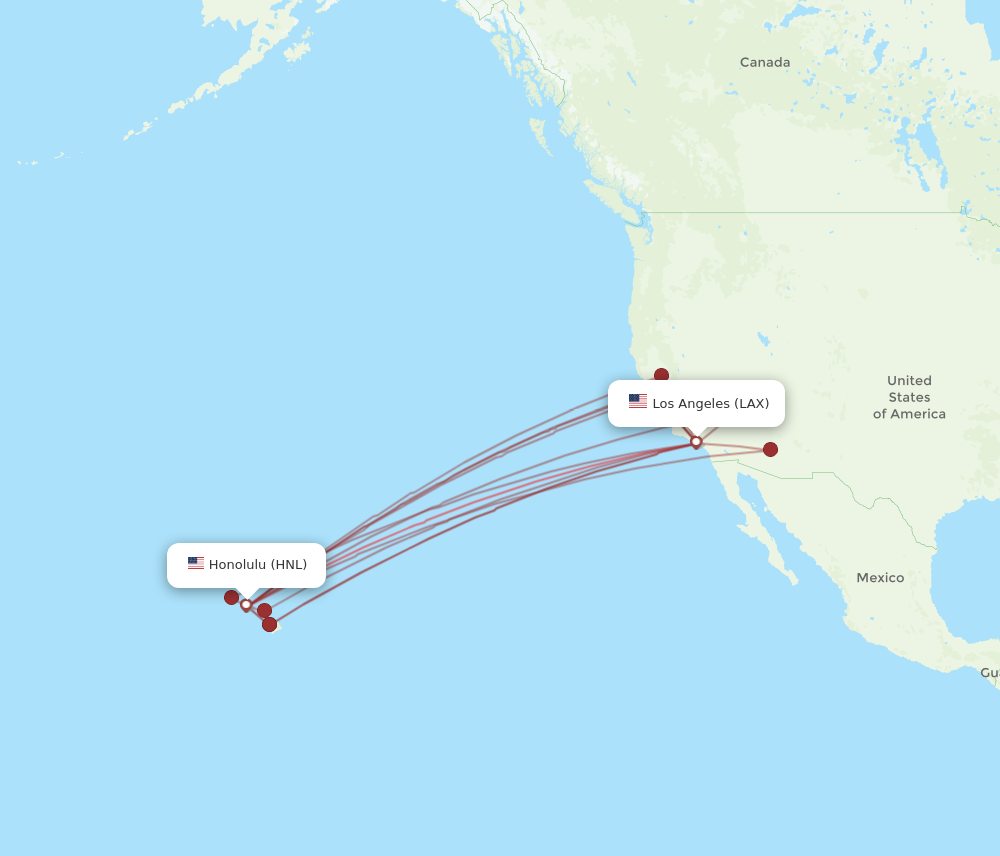
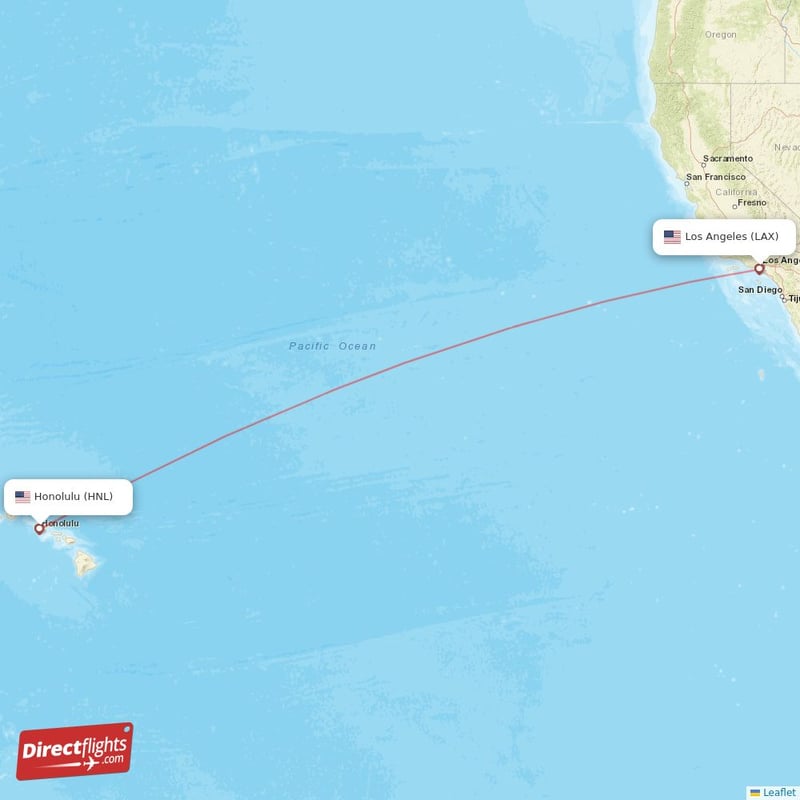
The straight-line or great-circle distance between Los Angeles and Honolulu, the capital city located on the island of Oahu and the primary gateway to Hawaii, is approximately 2,500 miles (about 4,023 kilometers). This figure represents the shortest possible distance an aircraft would travel, typically accounting for the curvature of the Earth. While this might seem like a considerable trek, for modern air travel, it translates into a manageable and comfortable flight.
For practical purposes, when you embark on a journey from Los Angeles, whether from Los Angeles International Airport (LAX) or other regional airports, your flight path will largely adhere to this direct route. The precise mileage might vary slightly depending on the specific Hawaiian island you’re targeting – for instance, flights to Maui or the Big Island might be marginally longer or shorter due to their different positions within the archipelago. However, the 2,500-mile mark serves as an excellent benchmark for planning your journey. This distance positions Hawaii as an accessible international-like destination without leaving the United States, making it a popular choice for both short getaways and extended vacations.
Understanding Time Zones and Their Impact
One crucial aspect often overlooked when considering the “distance” between Los Angeles and Hawaii is the significant time difference. Hawaii observes Hawaii Standard Time (HST) year-round and does not practice daylight saving. Los Angeles, on the other hand, operates on Pacific Standard Time (PST) during the winter months and Pacific Daylight Time (PDT) during the summer.
- During PST (winter): Hawaii is two hours behind Los Angeles.
- During PDT (summer): Hawaii is a more significant three hours behind Los Angeles.
This time difference is a welcome factor for travelers from Los Angeles, as it effectively “gives” you extra hours on your arrival day. For example, a morning flight departing Los Angeles at 9:00 AM PDT would typically land in Honolulu around 12:00 PM HST (after a 5-6 hour flight). This allows for a full afternoon of exploration, relaxation, or checking into your accommodation, minimizing the sense of lost travel time. However, it’s essential to account for this difference when planning return flights and communicating with friends or family back home to avoid confusion.
The Journey Itself: Flights, Routes, and Travel Time to Paradise
While the precise mileage provides a foundational understanding, the real question for many eager travelers is: how long does it actually take to get there? The journey from Los Angeles to Hawaii is primarily an aerial one, with flights being the most common and efficient mode of transport.
Direct Flights and Major Airports
The most popular and efficient way to reach Hawaii from Los Angeles is by direct flight. Los Angeles International Airport (LAX) serves as a major hub for flights to the islands, offering numerous daily departures. Other airports in Southern California, such as San Diego International Airport (SAN) and Ontario International Airport (ONT), also offer direct routes, providing convenient alternatives depending on your starting point within the region.
Upon arrival in Hawaii, you’ll typically land at one of several international airports, each serving a different major island:
- Daniel K. Inouye International Airport (HNL) on Oahu (serving Honolulu and Waikiki). This is the busiest airport and often the most affordable arrival point.
- Kahului Airport (OGG) on Maui (serving popular resort areas like Kaanapali and Wailea).
- Kona International Airport (KOA) on the Big Island (serving the Kona side).
- Lihue Airport (LIH) on Kauai (serving the Garden Isle).
A variety of major airlines operate these routes, including United Airlines, Delta Air Lines, American Airlines, Southwest Airlines, and the state’s own Hawaiian Airlines. These carriers offer a range of cabin classes, from economy to first-class, catering to different budgets and lifestyle preferences, whether you’re seeking budget travel or luxury experiences.
Typical Flight Duration:
The average direct flight from Los Angeles to Honolulu is approximately 5 to 6 hours. Flights to Maui or the Big Island might be a few minutes shorter, while Kauai might add a few minutes. This flight time is comparable to flying from Los Angeles to many East Coast cities, making Hawaii a surprisingly convenient international-feeling getaway for West Coast residents. During the flight, most airlines offer in-flight entertainment, food, and beverage services, ensuring a comfortable start to your Hawaiian adventure.
Alternative Travel: Cruising the Pacific

While flying is the fastest and most common method, a unique and leisurely alternative for reaching Hawaii from Los Angeles is via cruise ship. This option transforms the journey itself into a significant part of the vacation experience, falling squarely into the category of luxury travel and unique experiences.
Cruise lines such as Princess Cruises, Holland America Line, and Norwegian Cruise Line frequently offer voyages from Southern California ports like Long Beach and San Pedro (part of the Port of Los Angeles) to the Hawaiian Islands. These cruises typically last 5 to 7 days one-way or 10 to 15 days for a round trip.
What to Expect on a Cruise:
Cruises to Hawaii offer a different pace of travel. Passengers enjoy a wide array of amenities onboard, including fine dining, entertainment, swimming pools, spas, and various activities. It’s an ideal choice for travelers who prefer a relaxed journey, enjoy sea days, and wish to unpack only once while visiting multiple islands. Many cruises will stop at several Hawaiian islands, allowing passengers to experience the unique attractions of Oahu, Maui, Kauai, and the Big Island without the hassle of inter-island flights or separate hotel bookings. While significantly longer than a flight, a cruise to Hawaii offers a holistic travel experience, blending the journey with the destination seamlessly into a luxurious and unforgettable vacation.
Planning Your Hawaiian Escape: Beyond the Journey
Once you’ve grasped the distance and chosen your mode of transport, the real excitement of planning your Hawaiian escape begins. Hawaii is not a monolithic destination; it’s an archipelago of distinct islands, each offering unique attractions, accommodation styles, and cultural experiences.
Choosing Your Island Paradise
Selecting the right island (or islands) is crucial for tailoring your trip to your desired lifestyle and travel goals.
- Oahu: The “Gathering Place” is home to Honolulu and the iconic Waikiki Beach. Oahu offers a vibrant mix of city life, world-class dining, shopping, and historical sites like Pearl Harbor. Landmarks like Diamond Head provide stunning panoramic views. It’s perfect for first-time visitors seeking a balance of activity and relaxation, with a bustling tourism infrastructure.
- Maui: Known as the “Valley Isle,” Maui is celebrated for its breathtaking natural beauty, luxurious resorts, and diverse landscapes. Drive the scenic Road to Hana, witness a sunrise from the summit of Haleakala National Park, or enjoy world-class snorkeling and whale watching. Maui is ideal for couples, families, and those seeking both adventure and upscale relaxation.
- Kauai: The “Garden Isle” lives up to its name with lush, dramatic landscapes, verdant rainforests, and stunning cliffs like the Na Pali Coast. It’s a haven for outdoor enthusiasts, offering incredible hiking, kayaking, and helicopter tours. Kauai appeals to travelers looking for a more serene, nature-focused escape, often associated with eco-tourism and adventure travel.
- Big Island: Officially Hawaii Island, the Big Island offers an unparalleled diversity of ecosystems, from black sand beaches to snow-capped mountains and active volcanoes within Hawaii Volcanoes National Park. It’s an island of dramatic contrasts and geological wonders, perfect for those interested in science, adventure, and exploring unique natural phenomena.
Many travelers opt for island hopping, combining the distinct flavors of two or three islands into one comprehensive itinerary. This allows for a richer and more varied experience, from the bustling energy of Oahu to the serene beauty of Kauai.
Accommodations: From Luxury Resorts to Budget-Friendly Stays
The choice of accommodation significantly shapes your Hawaiian experience, reflecting various travel lifestyles from opulent luxury to practical budget travel. Hawaii boasts an extensive range of options to suit every preference and budget.
- Luxury Resorts and Hotels: Found predominantly on Oahu’s Waikiki, Maui’s Kaanapali and Wailea, and the Big Island’s Kohala Coast, these establishments offer world-class amenities such as private beaches, infinity pools, gourmet dining, full-service spas, and concierge services. Renowned brands like Hyatt, Marriott, and Hilton have a strong presence, offering suites, villas, and exclusive experiences designed for unparalleled comfort. Booking these often requires advance planning, especially during peak seasons, but reviews and comparison tools can help secure the best deals.
- Boutique Hotels and Charming Inns: For those seeking a more intimate and unique stay, boutique hotels offer personalized service and distinctive local character. These often highlight local culture and art, providing a more authentic Hawaiian experience away from the larger crowds.
- Vacation Rentals and Apartments: Platforms like Airbnb and VRBO have made vacation rentals incredibly popular, offering everything from quaint cottages to luxurious beachfront homes. These are excellent for families, groups, or travelers desiring more space, a kitchen for self-catering, and a taste of local living. They can often be a cost-effective option for longer stays, allowing for a deeper immersion into the local community.
- Budget-Friendly Options: For budget travelers, hostels and guesthouses are available, particularly in areas like Honolulu. These provide essential amenities at a lower cost, often fostering a communal atmosphere ideal for solo travelers or those looking to connect with others. Camping is also an option in designated areas on some islands for the truly adventurous and budget-conscious.
When choosing accommodation, consider factors like proximity to attractions, transport options, and the type of atmosphere you desire. Reading reviews and comparing amenities across various websites can help you find the perfect fit for your Hawaiian adventure, ensuring your stay is as comfortable and convenient as possible.
Embracing Hawaiian Tourism and Lifestyle
Beyond the logistics of travel and stay, the true essence of a Hawaiian trip lies in embracing its unique tourism offerings and laid-back lifestyle. Hawaii is a destination rich in local culture, diverse culinary experiences, and an abundance of activities that cater to every interest.
- Local Culture and Traditions: Engaging with Hawaiian culture is a highlight for many visitors. Attend a traditional luau, learn about the history of hula, visit ancient Hawaiian temples (heiaus), or participate in cultural workshops. Understanding and respecting the local customs, such as aloha (love, peace, compassion) and malama ‘aina (care for the land), enhances the experience and promotes responsible tourism.
- Food Scene: Hawaiian cuisine is a delicious fusion of Polynesian, Asian, and American influences. From fresh poke bowls and plate lunches to gourmet farm-to-table dining, the islands offer a culinary journey. Don’t miss local specialties like lau lau, poi, and tropical fruits, or visit farmers’ markets for fresh produce.
- Activities and Experiences: Whether you’re an adventure seeker or prefer relaxation, Hawaii delivers. Surf the famous waves of the North Shore of Oahu, snorkel in the pristine waters of Molokini off Maui, hike through volcanic landscapes, or simply unwind on a secluded beach. Activities range from helicopter tours over dramatic cliffs to leisurely sunset cruises, ensuring unforgettable memories for family trips, romantic getaways, or solo explorations.
- Tips for Sustainable Tourism: As guardians of a precious ecosystem and unique culture, Hawaiians emphasize sustainable tourism. Visitors are encouraged to minimize their environmental impact, support local businesses, respect sacred sites, and conserve natural resources. Choosing eco-friendly tours and accommodations contributes to preserving the beauty of the islands for future generations.
Maximizing Your Hawaii Experience from Los Angeles
Making the most of your trip from Los Angeles to Hawaii involves smart planning and an open mind.
- Best Time to Visit: While Hawaii is beautiful year-round, the shoulder seasons (April-May and September-November) often offer pleasant weather, fewer crowds, and potentially lower prices for flights and accommodations. The winter months (December-March) are popular for whale watching and larger surf on the North Shore.
- Budgeting: Flights and accommodations are often the largest expenses. Booking in advance, especially during off-peak times, can yield significant savings. Consider vacation packages that bundle flights and hotels. For food, balance dining out with visits to local grocery stores or farmers’ markets for more budget-friendly meals.
- Packing Essentials: Beyond swimwear and sunscreen, consider reef-safe sunscreen to protect marine life. Bring comfortable walking shoes for exploring, a light jacket for cooler evenings or higher elevations, and reusable water bottles to stay hydrated and reduce plastic waste.
- Cultural Etiquette: Always be respectful of local customs and the land. A simple Aloha and Mahalo (thank you) go a long way. Drive courteously, be mindful of private property, and respect the ocean and its creatures.
The journey from Los Angeles to Hawaii is more than just crossing a vast ocean; it’s a transition from the urban sprawl of Southern California to an enchanting world of natural wonder, rich history, and profound tranquility. The distance, approximately 2,500 miles, is easily traversed by a short 5-6 hour flight, or embraced through a leisurely cruise. With thoughtful planning, the diverse landscapes, vibrant culture, and welcoming spirit of Hawaii are within easy reach, promising an unforgettable travel experience that caters to every desire, from adrenaline-pumping adventures to serene moments of tropical bliss.
LifeOutOfTheBox is a participant in the Amazon Services LLC Associates Program, an affiliate advertising program designed to provide a means for sites to earn advertising fees by advertising and linking to Amazon.com. Amazon, the Amazon logo, AmazonSupply, and the AmazonSupply logo are trademarks of Amazon.com, Inc. or its affiliates. As an Amazon Associate we earn affiliate commissions from qualifying purchases.