
The journey from the southwestern corner of the United States to the middle of the Pacific Ocean is more than just a measurement of miles; it is a transition between two of the most iconic coastal cultures in the world. For travelers standing on the shores of San Diego, the Hawaiian Islands represent a tropical frontier that feels both remarkably close and exotic. Understanding the distance, the logistics, and the sheer scale of the journey is the first step in planning an unforgettable transpacific adventure. Whether you are seeking the volcanic majesty of the Big Island or the bustling energy of Honolulu, the trek from the “Birthplace of California” to the “Aloha State” is a legendary route for domestic and international tourists alike.

Measuring the Distance: Miles, Time, and Geography
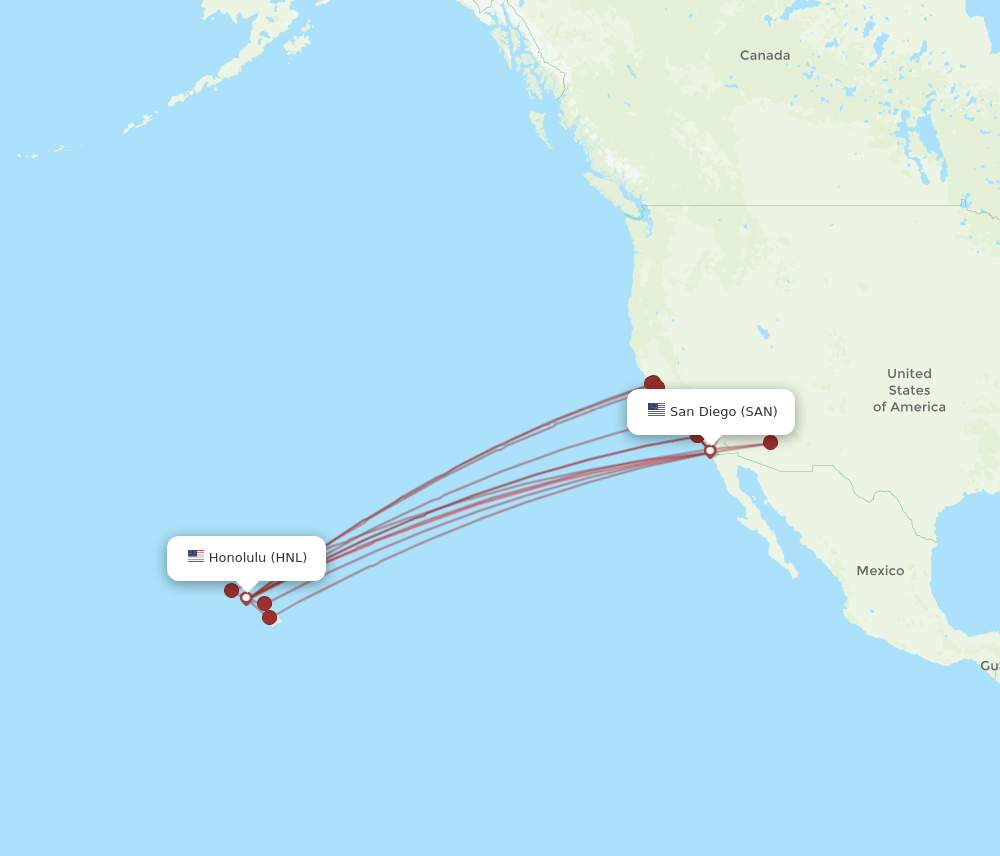
When asking “How far is Hawaii from San Diego?”, the answer depends on which island you are targeting. On average, the distance is approximately 2,600 miles (about 4,184 kilometers). This vast expanse of water is part of the reason the Hawaiian Islands remain so unique; they are among the most isolated landmasses on Earth.
Flight Duration and Aerial Routes
From San Diego International Airport, a direct flight to the islands typically takes between 5.5 and 6.5 hours. While the distance might seem daunting, the flight is roughly equivalent to traveling from the West Coast to the East Coast of the United States. However, unlike a cross-country flight over land, the journey to Hawaii takes you over nothing but the deep blue of the Pacific Ocean.
Westbound flights generally take a bit longer due to headwinds, often clocking in closer to the six-hour mark. Conversely, the return trip from the islands back to California can be slightly faster, thanks to the push from the jet stream. Major carriers like Hawaiian Airlines, Alaska Airlines, and Southwest Airlines frequently service these routes, offering travelers a variety of options for reaching the archipelago.
The Great Pacific Expanse
The geography of this route is fascinating. After departing from San Diego, aircraft quickly leave the coastline behind, entering a vast maritime corridor. There are no emergency landing strips or islands along the way until you reach the Hawaiian chain. This isolation is why Hawaii has developed such a distinct ecological and cultural identity. For the traveler, this means a few hours of disconnected serenity—a perfect time to read up on local customs or watch a documentary about the volcanic origins of the islands.
Crossing the Bridge: Destination Islands
The Hawaiian archipelago consists of several main islands, each with its own distinct personality and distance from the mainland. While Honolulu is the primary gateway, San Diego offers direct and connecting routes to various points across the chain.
Oahu: The Gathering Place
Oahu is the most frequent destination for those flying out of San Diego. Flights land at Daniel K. Inouye International Airport, located just west of the city center. Oahu serves as the cultural and economic heart of the state. Visitors can explore the historic sites of Pearl Harbor, lounge on the world-famous Waikiki Beach, or hike the iconic trail at Diamond Head. Despite being over 2,600 miles away, the urban amenities of Honolulu provide a comfortable transition for those accustomed to the city life of San Diego.
Maui: The Valley Isle
For those looking for a mix of luxury and nature, Maui is the ultimate destination. Flying into Kahului Airport, travelers find themselves within reach of the legendary Road to Hana. The distance from San Diego to Maui is slightly less than to Kauai, but the experience is worlds apart. Maui is home to Haleakala National Park, where visitors can witness a sunrise from the summit of a dormant volcano that rises 10,023 feet above sea level.
The Big Island: A Land of Fire and Ice
The Big Island (officially named Hawaii) is the largest in the chain and offers a diverse array of climates. Travelers usually arrive via Ellison Onizuka Kona International Airport in Kailua-Kona. From here, the distance to the active vents of Hawaii Volcanoes National Park is a scenic drive through coffee plantations and lava fields. The Big Island is unique because it is still growing, with fresh lava occasionally adding new acreage to the island’s coastline.
Kauai: The Garden Isle
Kauai is the northernmost of the main islands and is often considered the most beautiful. Flying into Lihue Airport puts you in the middle of a lush, green paradise. The Na Pali Coast and Waimea Canyon are the crown jewels of the island, offering some of the most dramatic landscapes in the United States. Because it is the furthest northwest, the flight from San Diego can be slightly longer than a flight to the Big Island.
Preparing for the Transpacific Journey
A trip across the Pacific requires more than just booking a ticket. Because of the distance and the change in environment, preparation is key to a smooth experience.
Managing Time Zone Shifts
One of the most significant factors when traveling from San Diego to Hawaii is the time difference. Hawaii follows Hawaii-Aleutian Standard Time, which does not observe Daylight Saving Time. This means that for much of the year, Hawaii is three hours behind San Diego (Pacific Daylight Time). In the winter months, when the mainland moves back to Pacific Standard Time, the difference narrows to just two hours. While this isn’t as jarring as a trip to Europe, it still requires an adjustment period. Most travelers find that heading west is easier on the body, as they naturally wake up early to enjoy the Hawaiian sunrise.
Packing for the Tropics
While San Diego enjoys a Mediterranean climate, the Hawaiian Islands are purely tropical. This means higher humidity and more frequent, albeit brief, rain showers. Essential packing items include reef-safe sunscreen, breathable clothing, and sturdy footwear for hiking volcanic trails. If you plan on visiting the summits of Mauna Kea or Haleakala, you will actually need cold-weather gear, as temperatures can drop below freezing at those altitudes.
Navigating San Diego International Airport
For those departing, San Diego International Airport is an exceptionally convenient hub. Its proximity to downtown San Diego makes it one of the easiest major airports to access in North America. Travelers are encouraged to arrive at least two hours before their flight to navigate the agricultural inspection process, which is mandatory for all flights leaving Hawaii for the mainland but also involves specific regulations for those arriving with plants or certain food items.
Why San Diego is the Ideal Starting Point
San Diego is often called the gateway to the Pacific, and for good reason. The city shares a deep cultural and historical connection with the islands.
A Shared Coastal Culture
Many residents of San Diego feel a kinship with the people of Hawaii through a shared love of surfing, ocean conservation, and a relaxed lifestyle. This makes San Diego a perfect “warm-up” destination. If you are traveling from the East Coast or the Midwest, spending a few days in San Diego before heading to the islands can help you acclimate to the coastal rhythm. You can visit the San Diego Zoo or explore the historic Gaslamp Quarter before your long-haul flight.
Pre-Flight Sightseeing
If you have a day or two before your departure, San Diego offers world-class attractions that complement a Hawaiian vacation. A visit to Balboa Park provides insight into Spanish Colonial architecture and botanical beauty. Alternatively, taking a trip across the bridge to Coronado allows you to see the historic Hotel del Coronado, which has hosted celebrities and presidents for over a century. Walking along La Jolla Cove provides an opportunity to see seals and sea lions in their natural habitat, much like the sea turtles you might encounter in the Hawaiian waters.

Long-Term Travel Strategy
For many, the distance from San Diego to Hawaii makes it a “bucket list” trip. However, because of the frequent flight options and the relatively manageable flight time (compared to international destinations), it is a journey that can be done even on a shorter one-week vacation. The key is to choose one or two islands rather than trying to see the entire archipelago in one go. By focusing your time, the 2,600 miles you traveled will feel well worth the effort as you sink your toes into the volcanic sands of the Pacific.
The distance between San Diego and Hawaii is a bridge between two worlds. While the miles are many, the transition is seamless for those who appreciate the beauty of the ocean and the spirit of adventure. From the moment you lift off from California soil to the moment the floral scent of the Hawaiian air hits you at the gate, the journey is an integral part of the experience. Whether you are traveling for a honeymoon, a family reunion, or a solo exploration of the Na Pali Coast, knowing the logistics ensures that your focus remains exactly where it should be: on the breathtaking horizon.
LifeOutOfTheBox is a participant in the Amazon Services LLC Associates Program, an affiliate advertising program designed to provide a means for sites to earn advertising fees by advertising and linking to Amazon.com. Amazon, the Amazon logo, AmazonSupply, and the AmazonSupply logo are trademarks of Amazon.com, Inc. or its affiliates. As an Amazon Associate we earn affiliate commissions from qualifying purchases.