
Traveling from the expansive plains and bustling metropolitan hubs of Texas to the tropical shores of Hawaii involves crossing a significant portion of the United States and a vast stretch of the Pacific Ocean. For many travelers, the journey is a rite of passage, moving from the rugged landscapes of the Lone Star State to the lush, volcanic beauty of the Central Pacific archipelago. Understanding the distance, flight logistics, and regional differences is essential for planning a seamless transition from one iconic culture to another.
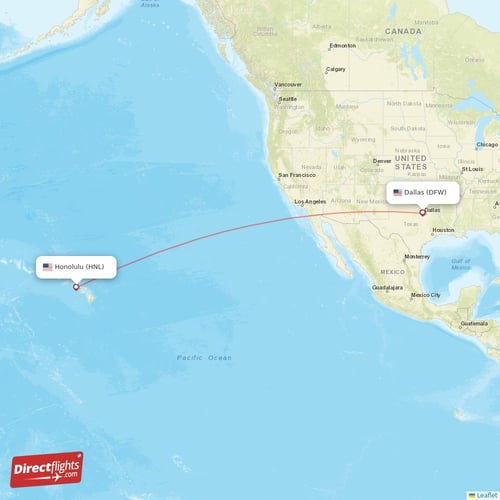
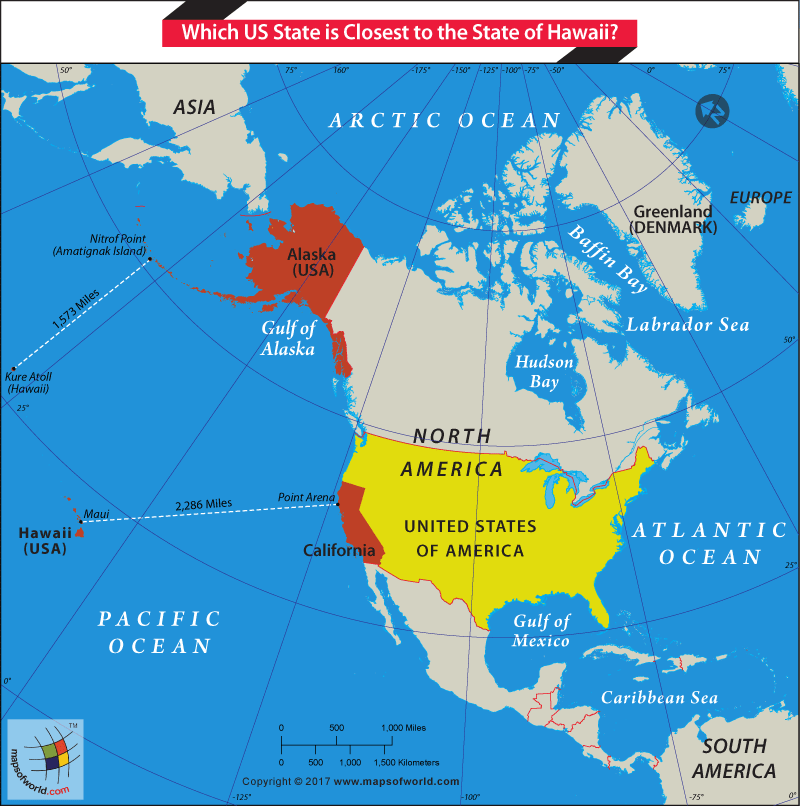
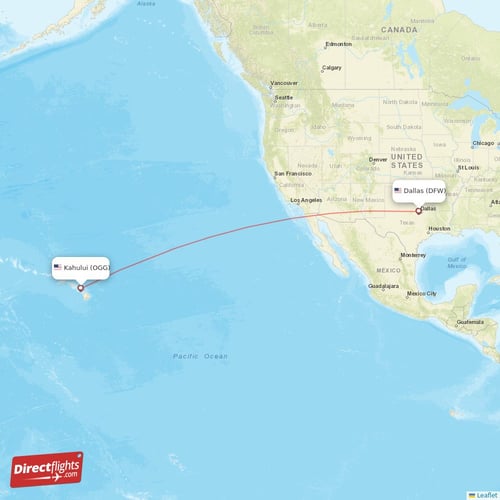
The physical distance between Texas and Hawaii depends heavily on your point of departure and your specific island destination. On average, the distance is approximately 3,700 to 4,000 miles. For instance, a flight from Dallas to Honolulu covers about 3,784 miles, while a trip from Houston is slightly longer. This geographic separation places Hawaii roughly eight to nine hours away by air, making it one of the longest domestic flights available within the country.
Bridging the Distance: Flight Options and Logistics
Given the thousands of miles of ocean between the West Coast of North America and the islands, flying is the only practical way for travelers to reach their destination. For residents of Texas, the logistics are simplified by several major international airports that serve as primary gateways to the Pacific.
Departure Points from the Lone Star State
The two most common departure points for non-stop travel are Dallas/Fort Worth International Airport and George Bush Intercontinental Airport in Houston. These hubs offer direct connections that minimize travel time. Austin-Bergstrom International Airport also provides seasonal or semi-regular direct flights to Honolulu, while travelers from San Antonio or El Paso typically connect through Los Angeles, San Francisco, or Phoenix.
Dallas, being a major hub for American Airlines, offers multiple daily flights that take approximately eight and a half hours. Houston, a primary base for United Airlines, provides a similar duration, often clocking in at nearly nine hours on the outbound leg due to prevailing headwinds. For those coming from Fort Worth, the proximity to the Dallas hub makes the transit relatively straightforward.
Airlines and Routes
Several major carriers dominate the route between Texas and the Hawaiian Islands. American Airlines and United Airlines are the leaders in non-stop service. However, Hawaiian Airlines also operates flights from Austin, offering travelers a taste of island hospitality before they even touch down at Daniel K. Inouye International Airport.
For those looking for more budget-friendly options, Southwest Airlines offers routes with connections through California. While this adds time to the journey, it often allows for more flexible pricing and the ability to stop over in cities like San Diego or Oakland. Regardless of the airline, the return flight to Texas is usually shorter, often saved by an hour or more thanks to the tailwinds of the jet stream pushing the aircraft eastward.
Choosing Your Island Destination: A Travel Guide
Once the hurdle of the long-haul flight is cleared, travelers must decide which of the six major islands will serve as their home base. Each island offers a distinct atmosphere, varying from the cosmopolitan energy of Oahu to the quiet, primordial landscapes of Kauai.
Oahu: The Vibrant Heart
For many first-time visitors from Texas, Oahu is the natural starting point. It is home to the state capital, Honolulu, and the world-famous Waikiki Beach. This island provides a blend of luxury shopping, historical sites, and iconic surf breaks. The ease of transportation and the density of resorts make it a convenient choice for those who want a mix of urban amenities and tropical scenery.
Maui: The Valley Isle
Maui is often the preferred choice for couples and luxury travelers. Known for its stunning beaches and the massive Haleakala National Park, it strikes a balance between adventure and relaxation. The town of Lahaina, while currently in a state of recovery, remains a symbol of the island’s deep historical roots. Visitors often flock to Kaanapali Beach for its crystal-clear waters and world-class snorkeling.
Kauai: The Garden Isle
If the goal is to escape the crowds and immerse oneself in nature, Kauai is the destination of choice. It is the oldest of the main islands, characterized by dramatic cliffs, lush rainforests, and the jagged peaks of the Na Pali Coast State Wilderness Park. Travelers can explore the “Grand Canyon of the Pacific,” also known as Waimea Canyon State Park, or relax in the serene waters of Hanalei Bay.
The Big Island: A Land of Fire and Ice
The Big Island, officially named Hawaii, is famous for its diverse climates and active volcanism. At Hawaii Volcanoes National Park, visitors can witness the raw power of the earth as Kilauea continues to reshape the landscape. The island also features the snow-capped summit of Mauna Kea, where some of the world’s most powerful telescopes are situated. The contrast between the black sand beaches of Punaluu and the lush waterfalls near Hilo is truly remarkable.
Travel Logistics: Maximizing Your Hawaiian Adventure
Navigating the distance between Texas and Hawaii requires more than just booking a flight. To ensure a productive and enjoyable trip, travelers should consider the logistical nuances of moving between these two distinct regions.
Navigating Time Zones and Jet Lag
One of the most significant challenges for Texas travelers is the time difference. Texas operates on Central Standard Time or Central Daylight Time, while the islands follow Hawaii-Aleutian Standard Time. Depending on the time of year, there is a four-to-five-hour difference.
When it is noon in Dallas, it may be 7:00 AM or 8:00 AM in Honolulu. This shift can cause significant jet lag, particularly on the return journey. To mitigate this, many experienced travelers recommend staying hydrated and adjusting sleep schedules a few days before departure. Embracing the “early to rise” lifestyle in Hawaii is often beneficial, as many of the best outdoor activities, like hiking the Diamond Head State Monument, are best enjoyed in the cool morning hours.
Transportation and Island Hopping
While Texas is known for its sprawling highways and car-centric culture, transportation in Hawaii varies by island. On Oahu, the public bus system, known as TheBus, is remarkably efficient. However, on islands like Maui or the Big Island, renting a car is almost a necessity to reach remote trailheads and hidden beaches.
For those who wish to see more than one island, inter-island flights are the primary method of transit. Hawaiian Airlines and Southwest Airlines offer frequent, short “puddle jumper” flights that take between 30 and 50 minutes. These flights provide spectacular aerial views of the reefs and volcanic peaks, turning a simple transfer into a scenic tour.
Top Sights and Experiences for Texas Travelers
The contrast between the arid deserts of West Texas or the piney woods of East Texas and the tropical biodiversity of the islands is part of the allure. Here are some of the most iconic experiences that make the 4,000-mile journey worthwhile.
Cultural and Historical Landmarks
No trip to Hawaii is complete without a visit to the Pearl Harbor National Memorial on Oahu. This site offers a somber and educational look at the events of World War II. For a deeper dive into the indigenous culture, the Polynesian Cultural Center provides an immersive experience into the traditions, dances, and histories of the various Pacific island nations.
In Honolulu, the Iolani Palace stands as the only royal palace on United States soil, serving as a reminder of the Hawaiian Kingdom and its complex history. Exploring these sites provides a narrative depth to the vacation that goes beyond simple beach relaxation.
Natural Wonders and Outdoor Activities
The outdoor opportunities are endless. Travelers can snorkel in the protected waters of Hanauma Bay Nature Preserve, where vibrant coral reefs teem with tropical fish and Green Sea Turtles. For those visiting between December and May, whale watching off the coast of Maui is a must, as Humpback Whales migrate to the warm waters to breed.
Adventurous souls might choose to drive the Road to Hana, a winding coastal highway on Maui that passes by dozens of waterfalls and lush botanical gardens. Alternatively, hiking in Volcanoes National Park on the Big Island allows you to walk across solidified lava lakes that feel like the surface of another planet.
From the culinary delights of Kailua-Kona coffee to the surfing lessons in Waikiki, the transition from Texas to Hawaii is one of the most rewarding travel experiences in North America. Though the distance is vast, the connection between these two states—both of which were once independent republics—is a unique thread in the fabric of American travel. Planning for the long flight is a small price to pay for the incredible landscapes and the “Aloha Spirit” that awaits in the middle of the Pacific.
LifeOutOfTheBox is a participant in the Amazon Services LLC Associates Program, an affiliate advertising program designed to provide a means for sites to earn advertising fees by advertising and linking to Amazon.com. Amazon, the Amazon logo, AmazonSupply, and the AmazonSupply logo are trademarks of Amazon.com, Inc. or its affiliates. As an Amazon Associate we earn affiliate commissions from qualifying purchases.