
The allure of Hawaii’s pristine beaches and lush landscapes is undeniable for many residents of California. However, a common initial question for prospective travelers revolves around the sheer distance separating these two popular destinations. Understanding this geographical expanse is the first step in planning a memorable Pacific getaway, influencing everything from travel time and mode of transport to budget and itinerary.
The Geographical Expanse: Understanding the Distance
Hawaii, the only island state in the United States, lies deep in the Central Pacific Ocean, distinctly separated from the North American mainland. This isolation is a fundamental aspect of its unique ecosystem and cultural identity, and it significantly defines the journey required to reach its shores from the continental USA.
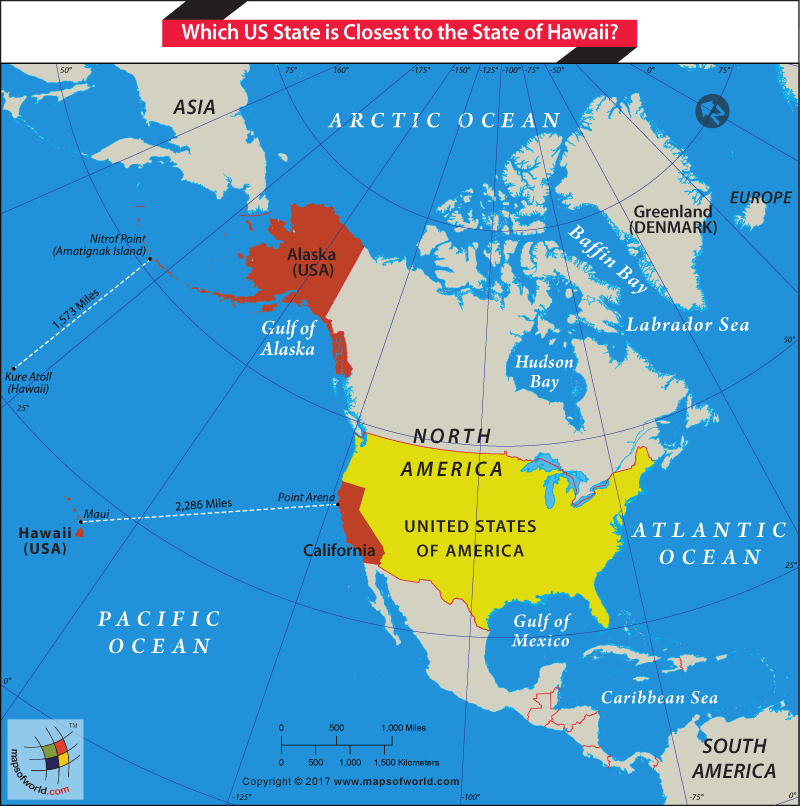
The average distance between the western coast of California and the main islands of Hawaii is approximately 2,400 to 2,500 miles (3,860 to 4,020 kilometers). This measurement varies slightly depending on the specific departure and arrival points chosen. For instance, a direct flight from Los Angeles, California, to Honolulu, Oahu, Hawaii, covers roughly 2,500 miles (4,023 km). Similarly, traveling from San Francisco, California, to Honolulu entails a journey of about 2,390 miles (3,846 km).
This substantial distance across the vast expanse of the Pacific Ocean means that a trip to Hawaii from California is not a casual day trip but a significant journey requiring careful planning. It places Hawaii far enough to feel like a remote paradise, yet close enough for regular and convenient air travel, making it an accessible dream destination for many.
Crossing the Pacific: Modes of Travel
Given the considerable oceanic distance, travelers from California have two primary options for reaching Hawaii: air travel or ocean cruise. Each mode offers a distinct experience, catering to different preferences for speed, comfort, and the journey itself.
Air Travel: Speed and Convenience
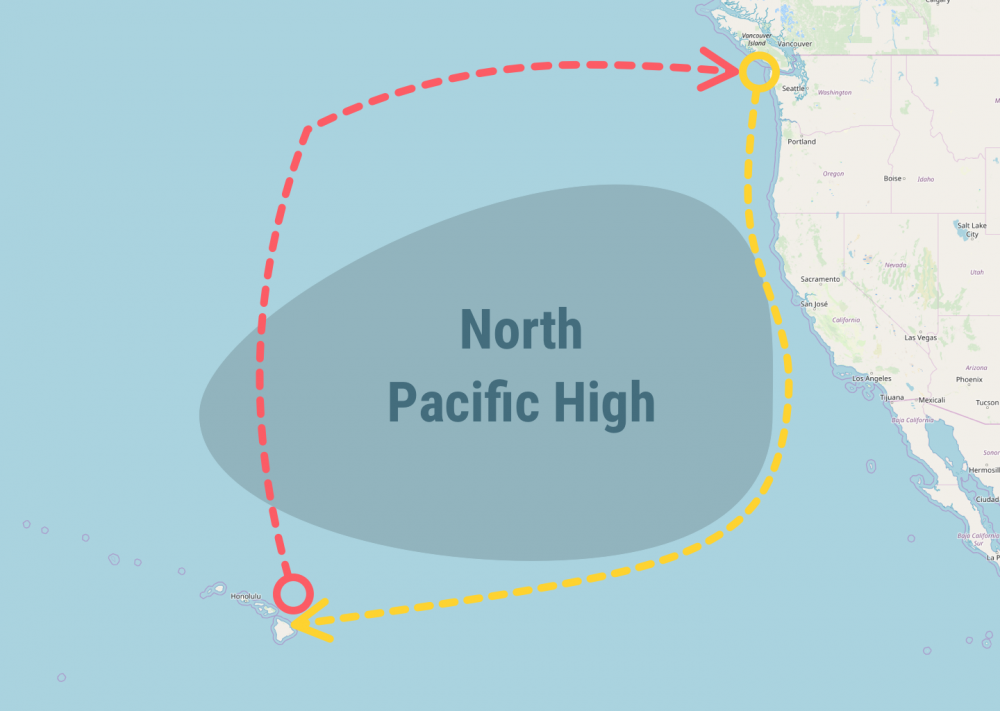
Air travel remains by far the most popular and efficient method for traversing the distance between California and Hawaii. The flight duration typically ranges from 5.5 to 6 hours when flying westbound from California to Hawaii. The return journey, heading eastbound, often takes slightly longer, generally between 6 to 7 hours, primarily due to the prevailing jet stream winds that flow from west to east across the Pacific.
Numerous major airlines offer direct flights from key California airports to various Hawaiian islands. Prominent departure hubs in California include Los Angeles International Airport (LAX), San Francisco International Airport (SFO), and San Diego International Airport (SAN). These airports serve as major gateways, offering a wide array of flight times and airline choices.
Upon arrival in Hawaii, the primary entry points are Daniel K. Inouye International Airport (HNL) in Honolulu on Oahu, Kahului Airport (OGG) on Maui, Kona International Airport (KOA) on the Big Island, and Lihue Airport (LIH) on Kauai. Each of these airports provides access to its respective island’s unique attractions. Major airlines servicing these routes include Hawaiian Airlines, United Airlines, Delta Air Lines, American Airlines, Southwest Airlines, and Alaska Airlines, offering competitive pricing and various service classes. Booking flights well in advance, especially for peak seasons, is advisable to secure preferred dates and fares.
Ocean Cruises: A Journey in Itself
While air travel is about speed, ocean cruises offer a more leisurely and luxurious approach to crossing the Pacific. Cruises are less about direct transportation and more about the journey itself, often integrating the voyage as an integral part of the vacation experience. The actual ocean crossing from California to Hawaii typically takes 4 to 7 days, depending on the ship’s speed and the specific itinerary.
Most California-to-Hawaii cruises are part of longer 10 to 14-day itineraries. These voyages usually embark from major California ports such as San Diego, Los Angeles, or San Francisco, and often include stops at multiple Hawaiian islands like Oahu, Maui, Kauai, and the Big Island. Passengers can enjoy a wide range of onboard amenities, entertainment, and dining options, making the journey across the Pacific a vacation in itself.
Popular cruise lines offering California-Hawaii itineraries include Princess Cruises, Holland America Line, Norwegian Cruise Line, and Disney Cruise Line. These cruises appeal to travelers seeking relaxation, sea views, and a multi-island experience without the hassle of inter-island flights.
Planning Your Trans-Pacific Journey: Key Considerations
Embarking on a journey across the Pacific to Hawaii requires careful planning to ensure a smooth and enjoyable trip. From choosing your starting and ending points to understanding time zones and preparing your luggage, every detail contributes to the overall travel experience.
Choosing Your Departure and Arrival Points
For air travelers, selecting the right airports is crucial. In California, LAX and SFO offer the widest selection of direct flights, airlines, and competitive fares. Your choice will likely depend on your proximity to these major hubs. On the Hawaiian side, Honolulu’s HNL is the busiest airport and often the most affordable arrival point, serving as a hub for inter-island connections if you plan to visit multiple islands. However, direct flights to other islands like Maui or the Big Island are also available from California and can be more convenient if that’s your sole destination.
Cruise passengers typically have fewer choices for departure ports, with Los Angeles, San Diego, and San Francisco being the primary options. The arrival points in Hawaii are usually specified in the cruise itinerary, often including multiple island visits.
Optimal Travel Times
While Hawaii boasts pleasant weather year-round, certain periods offer advantages for travelers. The shoulder seasons of spring (April-May) and fall (September-November) are often considered ideal, providing beautiful weather with fewer crowds and potentially lower prices compared to peak summer or winter holiday seasons. Travelers planning during Christmas, New Year, or Spring Break should anticipate higher costs and increased demand for flights and accommodations.
It’s also essential to account for the time zone difference. Hawaii Standard Time (HST) does not observe Daylight Saving Time. This means Hawaii is 2 hours behind Pacific Standard Time (PST) and 3 hours behind Pacific Daylight Time (PDT) for much of the year. Travelers flying west from California will “gain” time but should prepare for potential jet lag upon arrival.
Essential Preparations
Thorough preparation is key to a stress-free trip. Booking flights and accommodations well in advance is highly recommended, especially during popular travel seasons. When packing, prioritize lightweight, breathable clothing, swimwear, and comfortable walking shoes. Don’t forget reef-safe sunscreen to protect Hawaii’s delicate marine ecosystems.
Considering a rental car is almost essential for exploring the islands independently; these should also be booked ahead of time, particularly on smaller islands where supply can be limited. While both California and Hawaii are part of the USA, standard TSA regulations for air travel apply, and valid identification is required. Lastly, travel insurance can provide peace of mind for unexpected cancellations, medical emergencies, or lost luggage.

The Journey Itself: An Experience of Transition
The journey from California to Hawaii is more than just covering miles; it’s a significant transition. On an airplane, the six-hour flight offers a unique opportunity to mentally shift gears. As the mainland recedes and the vast, shimmering expanse of the Pacific Ocean dominates the view, a sense of anticipation builds. Travelers can enjoy in-flight entertainment, catch up on reading, or simply gaze out at the endless horizon, marking the slow but steady journey towards a tropical paradise. This time in transit allows for a deliberate unwinding, shedding the mainland’s pace in preparation for the tranquil rhythm of island life.
For those on a cruise, the journey itself becomes a destination. Days at sea are filled with relaxation, luxurious amenities, and the soothing presence of the open ocean. The transition is gradual, marked by stunning sunsets over the water and the gentle sway of the ship, preparing travelers for the series of vibrant island experiences awaiting them. It’s a profound shift from the bustling, diverse landscapes of California to the serene, volcanic beauty of Hawaii.
Upon arrival, whether by air or sea, the change is palpable. The warm, humid air, the scent of plumeria, and the omnipresent “aloha” spirit immediately signal that you have arrived in a truly distinct place. The significant distance that separates Hawaii from [California](https://lifeoutofthebox.com/california] is precisely what preserves its unique charm and makes the journey across the Pacific an essential, enriching part of the overall travel experience. It is a testament to Hawaii’s allure that despite the miles, millions of travelers undertake this journey annually, eager to discover the magic that lies far across the ocean.
LifeOutOfTheBox is a participant in the Amazon Services LLC Associates Program, an affiliate advertising program designed to provide a means for sites to earn advertising fees by advertising and linking to Amazon.com. Amazon, the Amazon logo, AmazonSupply, and the AmazonSupply logo are trademarks of Amazon.com, Inc. or its affiliates. As an Amazon Associate we earn affiliate commissions from qualifying purchases.