
The glitz and glamour of Hollywood have long been synonymous with the very essence of Los Angeles. For many visitors and even some locals, the distinction between the sprawling metropolis of Los Angeles and its iconic district of Hollywood can feel blurred. When one hears “I’m going to Los Angeles,” it often conjures images of palm-lined streets, celebrity sightings, and the unmistakable allure of the entertainment industry – imagery heavily influenced by what happens in Hollywood. But how far, geographically and conceptually, is Hollywood from the rest of Los Angeles? Understanding this relationship is key to navigating the city and appreciating its diverse offerings.
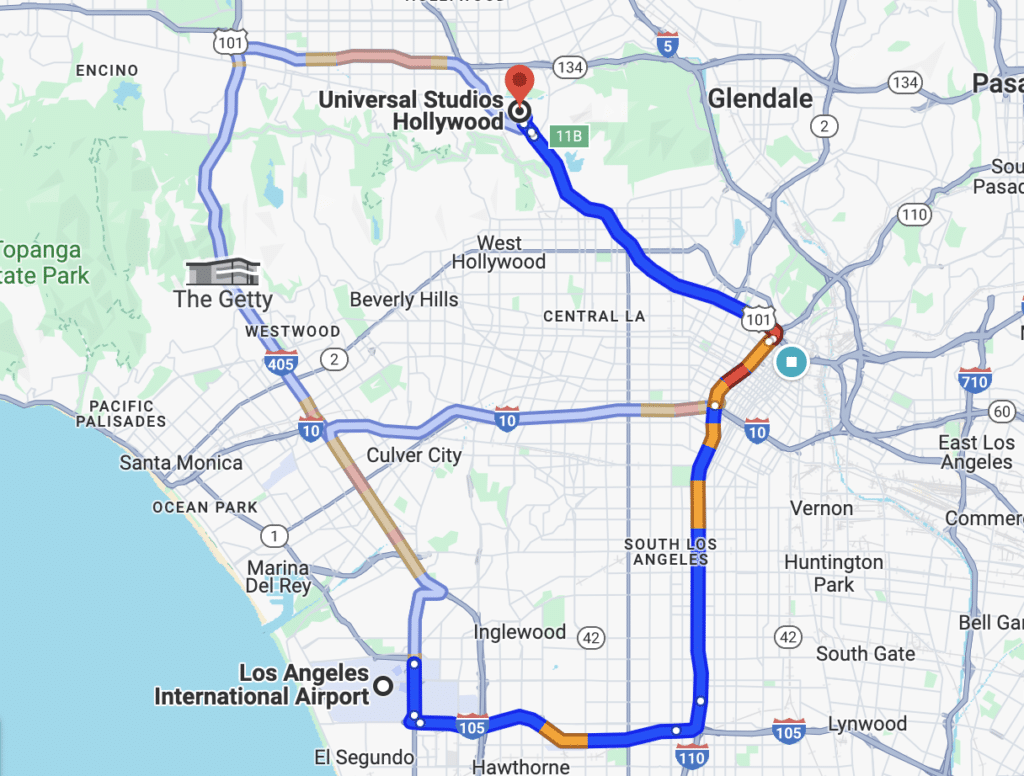
The reality is that Hollywood is not a separate city but rather a distinct neighborhood, a cultural and historical district within the larger urban landscape of Los Angeles. It sits roughly at the center of the city, a vibrant hub pulsating with the dreams that have drawn millions to Southern California for over a century. While there’s no precise, universally agreed-upon border defining where Los Angeles ends and Hollywood begins, its geographical heart is often considered to be around the intersection of Hollywood Boulevard and Vine Street. From this central point, the distances to other significant areas of Los Angeles vary, but they are all generally within easy reach.
The Geographic Heartbeat: Hollywood’s Place in Los Angeles
To truly grasp how far Hollywood is from the rest of Los Angeles, we need to consider its location relative to some of the city’s most well-known areas. Hollywood itself is a relatively compact district, but its influence and the areas commonly referred to as “Greater Hollywood” extend further.
Navigating the Urban Expanse: Hollywood’s Proximity to Key Districts
-
Downtown Los Angeles: The historic and commercial core of Los Angeles, Downtown Los Angeles, is approximately 5-7 miles east of central Hollywood. This journey, depending on traffic, can take anywhere from 15 minutes by car during off-peak hours to over an hour during rush hour. Public transportation, such as the Metro B Line (formerly the Red Line), offers a direct and often more predictable route, typically taking around 10-15 minutes. This proximity makes it easy for visitors staying in Hollywood to explore the architectural marvels of Downtown, visit the Walt Disney Concert Hall, or immerse themselves in the vibrant cultural scene of areas like the Arts District.
-
Santa Monica and the Coast: The iconic beaches of Santa Monica and the picturesque coastline are a significant draw for visitors to Los Angeles. From Hollywood, the drive to Santa Monica Pier is about 15-20 miles. Without traffic, this trip can take around 30-40 minutes. However, navigating Los Angeles traffic can significantly extend this travel time, making it closer to an hour or even more during peak periods. The Metro B Line connects to the Expo Line at 7th Street/Metro Center in Downtown, providing a public transit option to the coast, though it involves a transfer. The allure of the Pacific Ocean, from surfing in Malibu to the vibrant energy of Venice Beach, is a westward journey from Hollywood, adding another dimension to the city’s vastness.
-
Beverly Hills and West Hollywood: The neighboring districts of Beverly Hills and West Hollywood are culturally and geographically intertwined with Hollywood. West Hollywood, known for its trendy nightlife, LGBTQ+ scene along Santa Monica Boulevard, and iconic Sunset Strip, is directly adjacent to Hollywood, often considered part of its broader cultural sphere. The drive between central Hollywood and Beverly Hills, famous for its luxury shopping on Rodeo Drive and opulent residences, is a short 3-5 mile drive, typically taking 10-20 minutes without significant traffic. These areas represent the aspirational and fashionable side of Los Angeles, a stark contrast to the historical entertainment roots of Hollywood.
-
Universal City: Home to the famous Universal Studios Hollywood, Universal City is located just a few miles northwest of central Hollywood. This makes it an incredibly accessible destination for those staying in Hollywood, often just a 10-15 minute drive. The Universal City Metro Station, also served by the Metro B Line, further solidifies the ease of access between these two entertainment epicenters.
Beyond the Boulevard: Hollywood’s Cultural and Experiential Distance
While the physical distance between Hollywood and other parts of Los Angeles can be measured in miles and minutes, the “distance” in terms of experience, culture, and atmosphere can be more nuanced. Hollywood is a destination in itself, a place brimming with landmarks and activities that define the stereotypical image of Los Angeles.

Experiencing the Iconic: What Makes Hollywood a Destination?
-
The Walk of Fame and TCL Chinese Theatre: At the heart of Hollywood lies the legendary Hollywood Walk of Fame, a stretch of sidewalk honoring over 2,500 entertainment figures with terrazzo and brass stars. Adjacent to this is the iconic TCL Chinese Theatre, famous for its forecourt where movie stars have imprinted their hand and footprints for nearly a century. These are the quintessential Hollywood experiences, offering a tangible connection to the history of cinema. The sheer volume of tourists here creates a unique, bustling atmosphere, quite distinct from the more residential or business-oriented parts of Los Angeles.
-
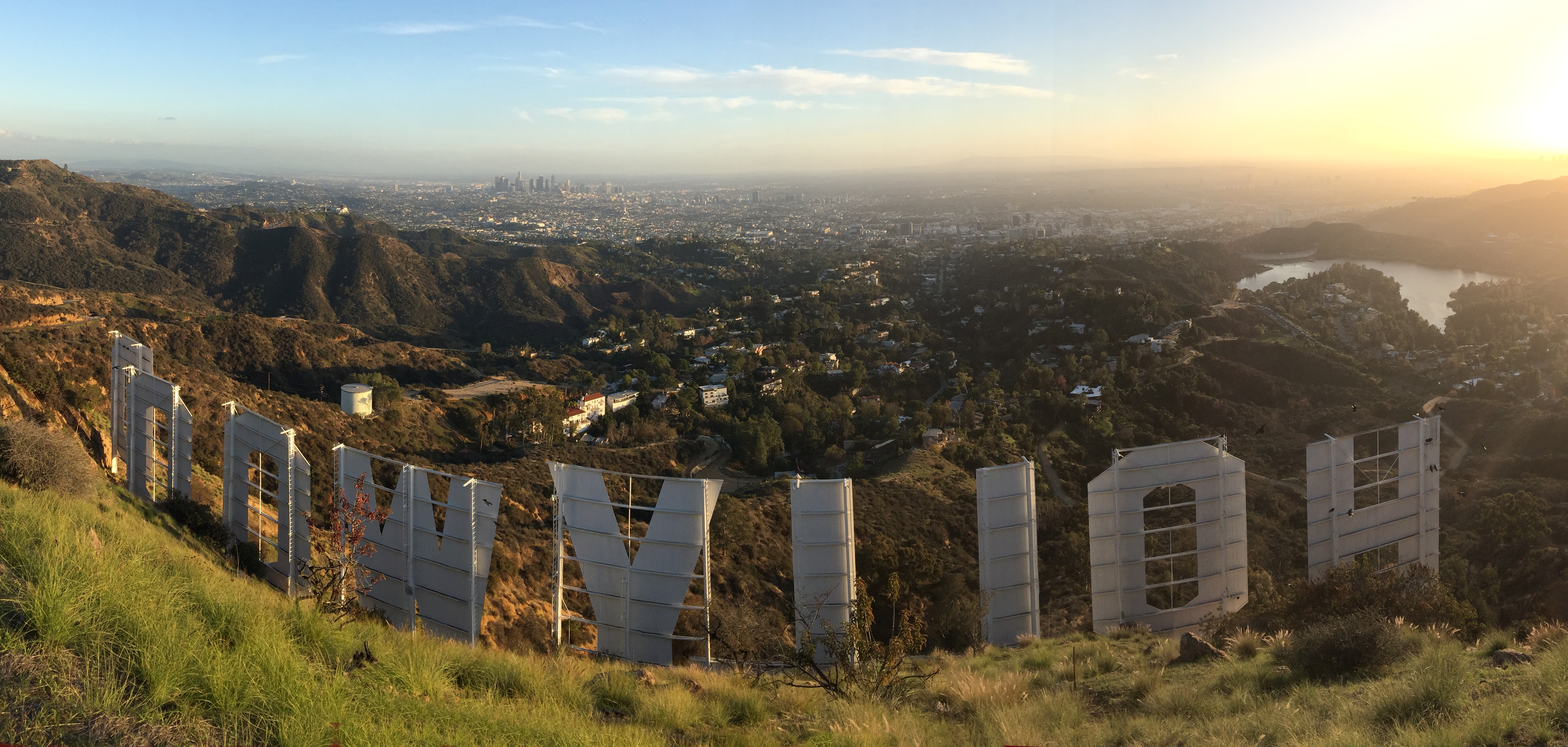
The Hollywood Sign and Griffith Observatory: The unmistakable Hollywood Sign, a global symbol of the film industry, is perched in the Hollywood Hills. While not directly in the main Hollywood district, it’s intrinsically linked. The best vantage point for admiring the Hollywood Sign and enjoying panoramic views of the city is from Griffith Observatory. This iconic landmark, offering incredible views, especially at sunset, is a short drive from central Hollywood, usually within 15-20 minutes. The journey up the winding roads to the observatory offers a glimpse into the hilly terrain that frames the urban sprawl of Los Angeles.
-
Museums and Entertainment History: Hollywood is home to several museums dedicated to preserving and showcasing the history of filmmaking. The Hollywood Museum, housed in the historic Max Factor Building, offers a deep dive into movie memorabilia. The proximity of these institutions to each other, and to studios like those found in Universal City, underscores Hollywood’s role as the historical and still-relevant center of entertainment production.
-
The Performing Arts Scene: Beyond film, Hollywood has a vibrant performing arts scene, with venues like the Hollywood Bowl, an iconic outdoor amphitheater, hosting world-class musicians and performers. The historic Pantages Theatre also offers a stage for Broadway shows and other live entertainment. These cultural hubs contribute to Hollywood’s distinct identity within Los Angeles, drawing crowds for evenings of entertainment.
Accommodation and Lifestyle: Where to Stay When Visiting Hollywood
When planning a trip to Los Angeles, choosing where to stay can significantly impact your experience, and Hollywood offers a wide range of accommodation options catering to various budgets and travel styles. The convenience of staying within or near Hollywood is undeniable for those who wish to immerse themselves in the heart of the entertainment world.
Choosing Your Base: Hotels and Stays in the Hollywood Area
-
Luxury Stays: For those seeking a touch of luxury, Hollywood and its surroundings boast several high-end hotels. The Loews Hollywood Hotel, for instance, is directly connected to the Hollywood & Highland Center, placing guests steps away from major attractions. Other upscale options might include boutique hotels with unique character or well-appointed suites in neighboring West Hollywood or Beverly Hills, offering exclusive amenities and personalized service.
-
Mid-Range and Budget-Friendly Options: Hollywood also provides numerous mid-range hotels and more budget-conscious choices. These accommodations are ideal for travelers who want to be close to the action without breaking the bank. Many offer standard amenities, making them comfortable bases for exploring the city. For longer stays or those seeking a more home-like environment, apartment rentals or guesthouses can also be found, offering greater flexibility and potential cost savings.
-
Experiencing Los Angeles from Hollywood: Staying in Hollywood allows for easy exploration of the wider Los Angeles area. With its central location and access to public transportation, including the Metro B Line, venturing to Downtown, the beaches, or other distinct neighborhoods like Koreatown or Silver Lake becomes a straightforward endeavor. Whether you are interested in celebrity tours, studio visits, hiking in the hills, or experiencing the diverse culinary scene of Los Angeles, Hollywood serves as an excellent starting point, blurring the lines between the iconic imagery of the movies and the lived reality of this vast and multifaceted city.
In conclusion, the question “How far is Hollywood from Los Angeles?” doesn’t have a simple numerical answer because Hollywood is an integral part of Los Angeles. Geographically, it’s a distinct neighborhood within the city, offering easy access to its various districts. Culturally and experientially, it’s the vibrant heart that many associate with the dream factory of Southern California. Understanding its place within the larger metropolis allows for a richer, more informed exploration of all that Los Angeles has to offer.
LifeOutOfTheBox is a participant in the Amazon Services LLC Associates Program, an affiliate advertising program designed to provide a means for sites to earn advertising fees by advertising and linking to Amazon.com. Amazon, the Amazon logo, AmazonSupply, and the AmazonSupply logo are trademarks of Amazon.com, Inc. or its affiliates. As an Amazon Associate we earn affiliate commissions from qualifying purchases.