
Embarking on a journey between two of Texas’s most prominent metropolises, Houston and Fort Worth, is a common undertaking for business travelers, leisure seekers, and those simply exploring the vast landscape of the Lone Star State. Understanding the distance and the various travel options available is crucial for efficient planning and a seamless experience. This exploration delves into the geographical separation, the typical travel times, and the diverse ways one can bridge the gap between these dynamic Texan cities.
The direct geographical distance between Houston and Fort Worth, as the crow flies, is approximately 240 miles. However, for ground transportation, the most commonly used and practical driving distance is typically around 270 to 280 miles, depending on the specific routes taken and the exact starting and ending points within each city. This figure represents the mileage typically covered by major highways that connect these two significant urban centers.
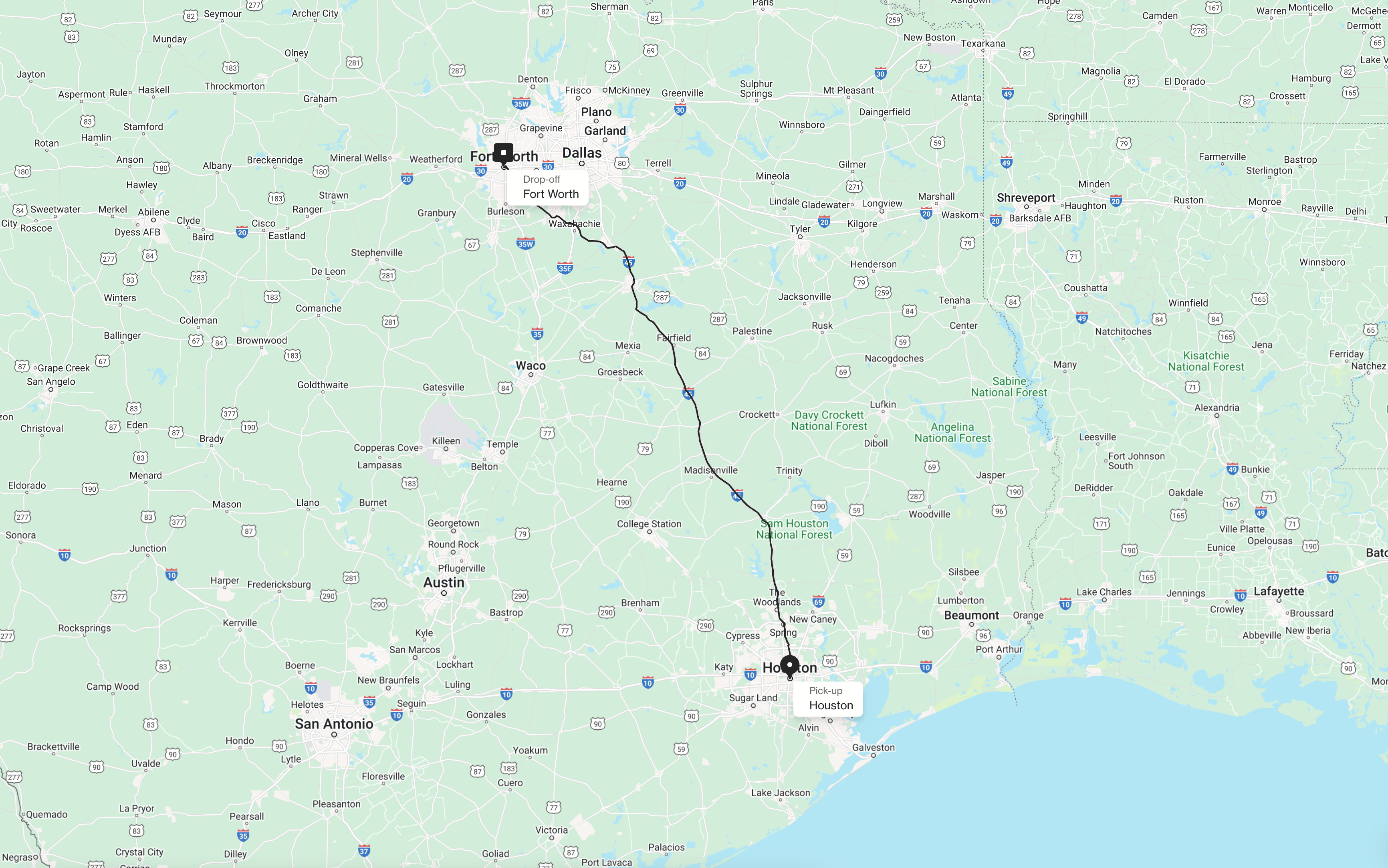
Driving: Navigating the Texas Highways
The most popular method for traversing the distance between Houston and Fort Worth is undoubtedly by car. This route offers the flexibility to set your own schedule, make spontaneous stops, and carry luggage with ease. The journey primarily utilizes Interstate 45 North from Houston before transitioning to other state and federal highways that lead into the Dallas-Fort Worth Metroplex.
Estimated Driving Time and Factors
Under ideal conditions, with minimal traffic and adhering strictly to posted speed limits, the drive can take approximately 4 to 4.5 hours. However, several factors can significantly influence this duration:
- Traffic Congestion: Both Houston and the Dallas-Fort Worth Metroplex are sprawling urban areas. Navigating out of Houston during peak morning or evening rush hours, or entering Fort Worth during similar times, can add substantial delays. Weekend travel, particularly on Fridays and Sundays, can also see increased congestion as people travel for leisure.
- Road Construction: Texas is constantly undergoing infrastructure improvements. Road construction projects along the primary routes can lead to lane closures, detours, and slower speeds, inevitably extending the travel time. It is always advisable to check real-time traffic conditions before departing.
- Weather Conditions: Texas weather can be unpredictable. Heavy rain, thunderstorms, or even fog can reduce visibility and necessitate slower driving speeds, impacting the overall journey duration.
- Stops and Breaks: The 4-to-4.5-hour estimate assumes a direct drive. Most travelers will opt to stop for fuel, food, or rest. Incorporating one or two stops can easily add an hour or more to the total trip time.
Recommended Route and Potential Stops
The most direct route typically involves taking Interstate 45 North from Houston until you reach the vicinity of Corsicana or Ennis, where you would then transition to highways heading northwest towards Fort Worth. Alternatively, some travelers may opt for a slightly longer but potentially less congested route by taking US Highway 290 West from Houston towards Austin, and then taking Interstate 35W North to Fort Worth. This route offers opportunities to visit Austin if time permits.
Along the primary route, towns like Conroe, Huntsville, and Corsicana offer convenient places to refuel and grab a bite. The choice of route can also depend on specific interests, such as a desire to experience different Texan towns or to avoid major urban centers during peak hours.
Flying: A Quicker, Though Indirect, Option
For those prioritizing speed and minimizing travel time, flying between Houston and Fort Worth is a viable, albeit indirect, option. Direct flights are not available between the two cities as they are part of the same general region. Instead, travelers would typically fly from one of Houston’s airports, such as George Bush Intercontinental Airport (IAH) or William P. Hobby Airport (HOU), to Dallas Fort Worth International Airport (DFW) or Dallas Love Field (DAL).
Flight Duration and Associated Travel
A typical direct flight between Houston and the Dallas-Fort Worth Metroplex is very short, often lasting around 1 hour to 1 hour and 15 minutes. However, the overall travel time must account for several crucial elements:

- Airport Travel: The commute to and from airports in both cities can vary significantly depending on traffic and location. This can add anywhere from 30 minutes to over an hour each way.
- Airport Procedures: Arriving at the airport well in advance of your flight is necessary for check-in, security screening, and boarding. This typically requires at least 1.5 to 2 hours at the airport.
- Baggage Claim and Ground Transportation: Upon arrival, collecting checked luggage and then arranging ground transportation from the airport to your final destination in Fort Worth will add more time.
When all these factors are considered, the total door-to-door travel time for flying can often approach or even exceed the driving time, especially when factoring in potential flight delays. However, for those who prefer not to drive or wish to maximize their time at their destination, flying remains a popular choice. Numerous airlines operate frequent flights between the two regions, offering a range of pricing and schedule options.
Bus and Train: Scenic and Budget-Friendly Alternatives
For travelers seeking more economical or relaxed travel experiences, bus and train services offer viable alternatives for journeying from Houston to Fort Worth. These options often involve longer travel times than driving or flying but can be more budget-friendly and allow passengers to enjoy the passing scenery without the stress of navigation.
Bus Services
Several reputable bus companies, such as Greyhound and FlixBus, operate routes connecting Houston and Fort Worth. The bus stations are typically located in convenient downtown areas of each city.
- Travel Time: Bus journeys are generally longer than driving, often ranging from 5 to 7 hours, depending on the specific route, the number of intermediate stops, and traffic conditions.
- Amenities: Modern intercity buses often offer amenities such as Wi-Fi, power outlets, and comfortable seating, making the longer journey more bearable.
- Cost: Bus travel is frequently one of the most affordable options, making it an attractive choice for budget-conscious travelers.
Amtrak Train Service
Amtrak offers train service between Houston and the Dallas-Fort Worth Metroplex. The train typically arrives at the Fort Worth Central Station or nearby stations within the Dallas area, requiring a subsequent transfer to Fort Worth if arriving in Dallas.
- Travel Time: Train travel is generally the slowest option, with journey times often exceeding 7 to 8 hours.
- Comfort and Scenery: Train travel is renowned for its comfort and the opportunity to observe the diverse Texan landscapes unfold. Passengers can walk around, enjoy spacious seating, and often dine in a cafe car.
- Booking and Schedules: It is advisable to book train tickets in advance, especially during peak travel seasons, to secure the best fares and ensure availability. Schedules are generally reliable, though occasional delays can occur.
Choosing between bus and train depends on individual priorities regarding cost, time, and the desired travel experience. Both offer a more relaxed pace compared to driving and provide an opportunity to disconnect from the demands of steering a vehicle.
Planning Your Journey
Regardless of the chosen mode of transportation, thorough planning is essential for a smooth transition between Houston and Fort Worth. Considering the factors outlined above—traffic patterns, potential road closures, flight schedules, and the need for ground transportation—will help in setting realistic expectations for travel time and overall journey experience.

Tips for a Smoother Trip
- Utilize Navigation Apps: Employ real-time navigation applications like Google Maps or Waze to monitor traffic conditions and identify the most efficient routes, especially when driving.
- Book in Advance: For flights and train tickets, booking several weeks or months in advance can often yield significant cost savings.
- Pack Accordingly: Ensure you have all necessary items for your journey, whether it’s snacks and drinks for a road trip or entertainment for a longer bus or train ride.
- Stay Flexible: Be prepared for unexpected delays, whether they are traffic-related, weather-induced, or due to flight schedules. Having a flexible mindset can mitigate stress.
The distance between Houston and Fort Worth is a manageable one, offering a range of transportation options to suit every traveler’s needs and preferences. Whether you prefer the freedom of the open road, the speed of air travel, or the leisurely pace of bus or train, your journey through the heart of Texas promises to be an integral part of your overall experience in these vibrant cities.
LifeOutOfTheBox is a participant in the Amazon Services LLC Associates Program, an affiliate advertising program designed to provide a means for sites to earn advertising fees by advertising and linking to Amazon.com. Amazon, the Amazon logo, AmazonSupply, and the AmazonSupply logo are trademarks of Amazon.com, Inc. or its affiliates. As an Amazon Associate we earn affiliate commissions from qualifying purchases.