
Traveling from the sprawling metropolis of Houston to the neighboring state of Louisiana is a rite of passage for many Texans. Whether you are craving authentic Cajun cuisine, looking to explore the vibrant nightlife of New Orleans, or hoping to experience the serene beauty of the Atchafalaya Basin, understanding the geography of this journey is essential for any road trip enthusiast. The transition from the flat coastal plains of Texas to the marshy, culturally rich landscapes of the bayou is a scenic transition that reflects the unique character of the Gulf Coast.
Understanding the Distance and Travel Time
When people ask how far Houston is to Louisiana, the answer depends heavily on your final destination within the state. Because Louisiana shares a border with Texas, you can actually reach the state line in a relatively short time, but major cultural hubs are situated further inland.

Crossing the Border: The Gateway to the East
If your goal is simply to cross the state line, the drive from downtown Houston to the Louisiana border near Orange is approximately 115 miles. By taking Interstate 10, you can expect to reach the state boundary in about one hour and 45 minutes to two hours, depending on traffic conditions, particularly as you exit the dense urban sprawl of the greater Houston area.
Reaching Major Cultural Hubs
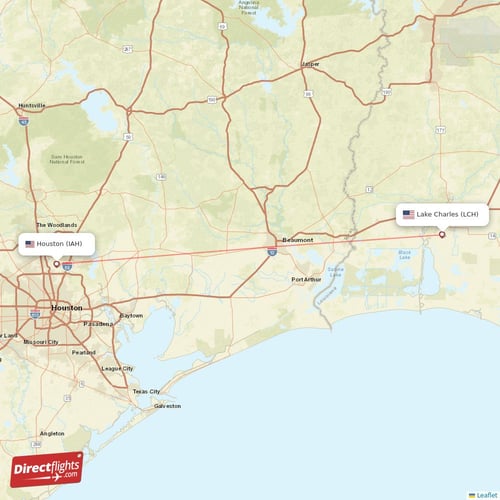
Most travelers heading east from Texas are aiming for specific cities. Lake Charles, the first major city across the border, is roughly 145 miles from Houston, usually taking about two and a half hours. If you are venturing further into the heart of Acadiana, Lafayette is approximately 220 miles away, a drive of about three and a half hours. Finally, the iconic New Orleans, located at the eastern edge of the state, is about 350 miles from Houston, requiring roughly five to six hours of driving time.
Planning Your Route: Navigating the Gulf Coast Corridor
The primary artery connecting these two regions is Interstate 10. While it is the most efficient path, the journey can vary greatly depending on the time of day and the season.
The Efficiency of Interstate 10
Interstate 10 offers a straight shot across the Gulf Coast. From the heavy traffic patterns in Houston through the industrial corridors of Beaumont and into the lush, swampy stretches of Louisiana, the highway is well-maintained but busy. Travelers should be mindful of construction, which is common along this corridor, and the potential for heavy congestion near major interchanges in both Texas and Louisiana.
Scenic Alternatives and Stops
If you have extra time, you might consider taking U.S. Route 90, which runs parallel to the interstate in many sections. While slower, this route provides a more intimate look at the small towns and historical markers that define the Gulf Coast. Stopping in Beaumont allows for a visit to the Spindletop-Gladys City Boomtown Museum, which highlights the region’s rich oil history. Further into Louisiana, passing through the Atchafalaya Basin on the Atchafalaya Basin Bridge offers breathtaking views of one of the largest wetlands in the United States.
Best Practices for a Seamless Road Trip
Traveling between these two states is generally a straightforward experience, but preparation ensures a more enjoyable adventure. Whether you are driving for business or leisure, keeping these factors in mind will help manage the distance between Houston and Louisiana.
Traffic Considerations
Houston is notorious for its traffic, and trying to depart during rush hour can add significant time to your journey. Plan your departure for mid-morning or early afternoon to clear the city limits with ease. Similarly, entering the greater New Orleans area in the late afternoon can lead to delays on the Lake Pontchartrain Causeway or near the city center.
Essential Amenities and Breaks
The stretch of road between Beaumont and Lafayette is filled with service stations, but if you want to make the most of the trip, plan your stops around culture rather than just convenience.
- Fuel and Food: Stop in Baton Rouge for a taste of authentic Creole cuisine before finishing your drive to New Orleans.
- Vehicle Preparation: Ensure your tires and cooling system are in top condition, as the Gulf Coast heat, particularly in the summer, can be taxing on older vehicles.
- Weather Awareness: Be prepared for sudden summer thunderstorms that are common in Louisiana. These storms can significantly reduce visibility on the highway, making it wise to slow down and wait for the deluge to pass.
Cultural Transitions: What to Expect Upon Arrival
The shift from the Texas culture to the Louisiana ethos is palpable. As you cross the border, the architecture begins to change, the food becomes distinctively spicy, and the pace of life seems to slow down, shifting toward the legendary “laissez les bons temps rouler” (let the good times roll) attitude of the Creole and Cajun people.
Regional Culinary Landmarks
No trip from Houston to Louisiana is complete without a culinary stop. The transition from Tex-Mex to authentic Gumbo and Jambalaya is one of the highlights of the journey. Travelers often make a point to stop at local favorites in Lafayette or Lake Charles to get an early taste of the region’s hospitality.
Historical Attractions
If you are visiting Louisiana for more than just the food, the state is home to numerous historical landmarks. From the French Quarter in New Orleans to the historic Plantation Homes that line the Mississippi River, there is a deep sense of history that contrasts sharply with the modern, urban landscape of Houston. By taking the time to understand the distance and the treasures located along the way, travelers can transform a simple drive into a memorable journey through two of the most vibrant regions in the American South.
LifeOutOfTheBox is a participant in the Amazon Services LLC Associates Program, an affiliate advertising program designed to provide a means for sites to earn advertising fees by advertising and linking to Amazon.com. Amazon, the Amazon logo, AmazonSupply, and the AmazonSupply logo are trademarks of Amazon.com, Inc. or its affiliates. As an Amazon Associate we earn affiliate commissions from qualifying purchases.