
The allure of the Land of Fire and Ice, Iceland, has captivated travelers for decades. Its dramatic landscapes, from volcanic fields and glaciers to the ethereal glow of the Northern Lights, offer an experience unlike any other. For those embarking on a journey from the bustling metropolis of New York City, the question of distance is often the first practical consideration. Understanding this geographical span is key to planning an efficient and enjoyable adventure.
The Direct Distance: A Straight Line Across the Atlantic
At its core, the distance between New York and Reykjavik, Iceland’s capital, is a matter of aerial navigation. As the crow flies, the distance is approximately 2,500 miles (4,014 kilometers). This figure represents the shortest possible path, a great-circle route that slices across the northern Atlantic Ocean.
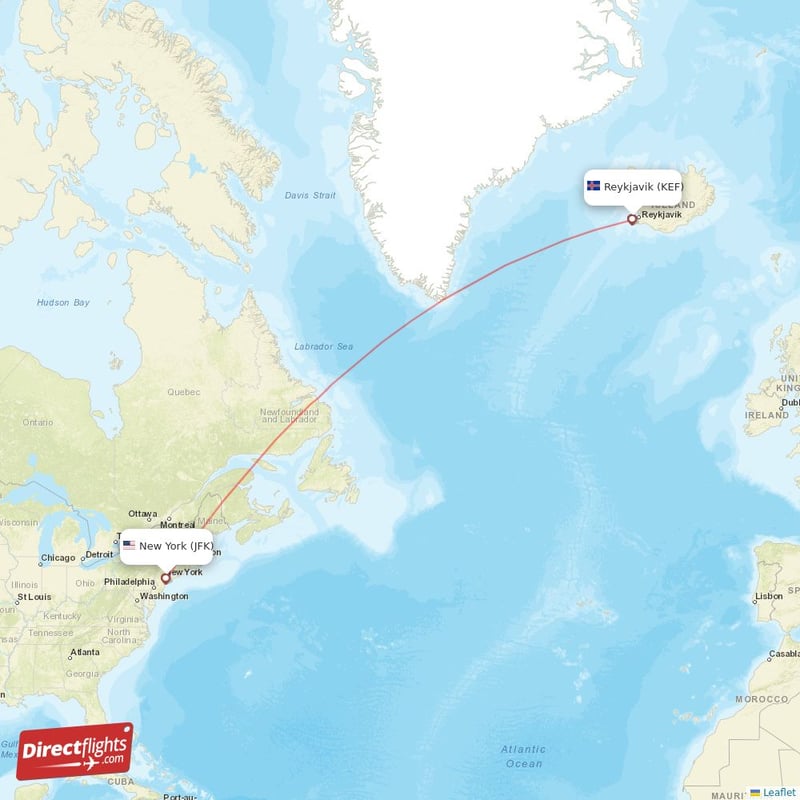
Understanding the Great-Circle Route
The Earth is a sphere, and the shortest distance between two points on its surface is not a straight line on a flat map, but rather a curve that follows the contour of the globe. This is known as a great-circle route. For flights traveling between New York and Iceland, pilots utilize these routes to optimize flight times and fuel efficiency.
Factors Affecting Perceived Distance
While the direct distance remains constant, the perceived distance can vary based on several factors:
- Flight Path: Actual flight paths are influenced by weather patterns, air traffic control, and prevailing winds. A plane might not follow the absolute shortest line but will remain within a close approximation to minimize travel time.
- Layover Points: If your journey involves layovers in other cities, the total travel time and perceived distance can increase significantly. However, for direct flights, the focus remains on the oceanic expanse.
- Time Zones: The significant time difference between New York (Eastern Standard Time or Eastern Daylight Time) and Iceland (Greenwich Mean Time, UTC+0, or UTC+1 during daylight saving) can also play a role in how quickly one feels they have “arrived.” Iceland is typically 4 to 5 hours ahead of New York.
Travel Time: Bridging the Gap by Air
The direct aerial distance translates into a manageable flight duration. A non-stop flight from New York City to Reykjavik typically takes between 5 to 5.5 hours. This makes Iceland a remarkably accessible destination for a transatlantic getaway.
Direct Flights: The Fastest Route
Airlines like Icelandair and Delta Air Lines frequently operate direct flights between New York’s major airports (John F. Kennedy International Airport – JFK, Newark Liberty International Airport – EWR) and Keflavík International Airport (KEF) near Reykjavik. These flights are the most efficient way to reach Iceland from New York.
Flights with Layovers: Considerations for the Journey
While direct flights are popular, itineraries with layovers are also common and can sometimes be more budget-friendly. These flights might connect through major hubs in Canada, such as Toronto or Montreal, or even European cities like London or Amsterdam if originating from a different part of the New York metropolitan area or if specific airline preferences are at play. Total travel time for flights with layovers can range from 8 hours to well over 20 hours, depending on the duration of the stop.
Best Times to Fly for Optimal Travel
- Seasonality: Summer months (June to August) offer longer daylight hours and milder weather, making travel more convenient. However, this is also peak tourist season, and flights might be more expensive.
- Shoulder Seasons: Spring (April-May) and Autumn (September-October) can offer a good balance of decent weather, fewer crowds, and potentially lower airfare.
- Winter: While flights can be cheaper in winter, the shorter daylight hours and potentially challenging weather conditions require more careful planning for sightseeing.

The Transatlantic Voyage: Beyond the Direct Flight
While air travel is the predominant mode of transit, the historical and romantic notion of a sea voyage still holds a certain appeal, though it is not a common or practical method for reaching Iceland from New York for most travelers today.
Commercial Shipping and Cruise Options
There are no regular passenger ferries or direct cruise ship routes operating between New York and Iceland on a scheduled basis. Occasionally, repositioning cruises or specialized expedition voyages might include Iceland as part of a longer itinerary across the Atlantic. These journeys are significantly longer, often taking several days or even weeks, and are more about the experience of the voyage itself rather than a direct transit.
Private Yacht or Cargo Ship Travel
For the truly adventurous or those with specific logistical needs, chartering a private yacht or arranging passage on a cargo ship are theoretical possibilities. However, these options are extremely expensive, time-consuming, and require extensive planning. Cargo ships are not designed for passenger comfort and have limited availability for such travel.
Planning Your Journey: Practical Considerations
Knowing the distance and travel time is just the first step. Effective planning ensures a smooth transition from the urban landscape of New York to the unique natural wonders of Iceland.
Visa and Entry Requirements
For many nationalities, including those from the United States and Canada, a visa is not required for short stays in Iceland as it is part of the Schengen Area. However, it is always advisable to check the latest entry requirements with the relevant Icelandic embassy or consulate well in advance of travel. Travelers should ensure their passport is valid for at least six months beyond their intended stay.
Currency and Language
The official currency in Iceland is the Icelandic Króna (ISK). While credit and debit cards are widely accepted throughout the country, carrying some cash is always a good idea for smaller purchases or in more remote areas. The official language is Icelandic, but English is spoken fluently by most of the population, especially in tourist areas, making communication relatively easy for English-speaking travelers.
Packing for the Elements
Iceland’s weather is notoriously unpredictable, even in summer. It’s essential to pack layers, including waterproof and windproof outerwear, thermal base layers, sturdy hiking boots, hats, and gloves. Even during warmer months, temperatures can fluctuate significantly, and sudden rain or wind can make it feel much colder.

Navigating Iceland Upon Arrival
Upon landing at Keflavík International Airport, travelers have several options to reach Reykjavik, which is about a 45-minute drive away.
- Airport Transfer Buses: Services like Flybus and Airport Direct offer direct shuttle services to various points in Reykjavik, including the city’s main bus terminal.
- Taxis: Taxis are available outside the terminal, but they are a more expensive option for the journey to the capital.
- Rental Cars: For travelers planning to explore beyond Reykjavik, renting a car at the airport is a convenient choice. This offers the most flexibility for embarking on road trips to discover Iceland’s diverse natural attractions.
By understanding the distance, travel time, and practicalities, planning a trip from New York to Iceland becomes a straightforward and exciting endeavor, paving the way for an unforgettable exploration of this extraordinary island nation.
LifeOutOfTheBox is a participant in the Amazon Services LLC Associates Program, an affiliate advertising program designed to provide a means for sites to earn advertising fees by advertising and linking to Amazon.com. Amazon, the Amazon logo, AmazonSupply, and the AmazonSupply logo are trademarks of Amazon.com, Inc. or its affiliates. As an Amazon Associate we earn affiliate commissions from qualifying purchases.