
Understanding the precise distance between two major Texan metropolises, Dallas and Houston, is a fundamental piece of information for any traveler, commuter, or event planner navigating the Lone Star State. While seemingly close on a map, the realities of road travel, flight times, and the sheer expanse of Texas mean that this journey requires careful consideration. This article delves into the various aspects of traversing this popular route, providing insights into the distances, travel times, and considerations that shape the experience.
The Road Less Traveled: Driving Distances and Times
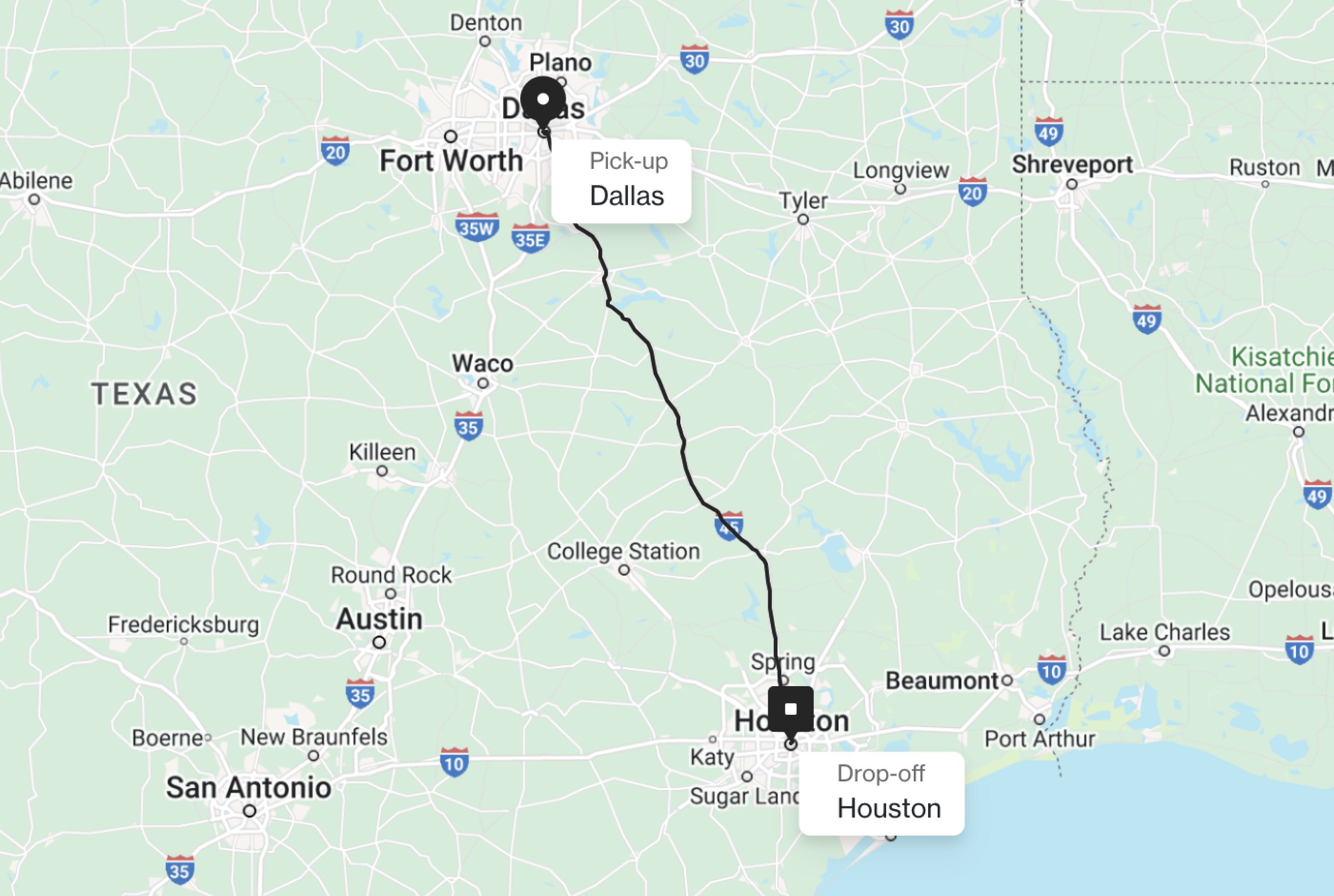
The most common way to travel between Dallas and Houston is by car. The primary route is I-45 South, a direct highway that connects these two vibrant cities.
Direct Driving Distance
The most direct driving distance from Dallas to Houston is approximately 230 to 240 miles, depending on the exact starting and ending points within each metropolitan area. This mileage translates to a significant drive, requiring several hours of dedicated travel.
Estimated Driving Time
Under ideal traffic conditions, the estimated driving time is typically between 3.5 and 4 hours. However, “ideal conditions” are a rare commodity on this heavily trafficked corridor, especially when traversing the urban centers of both Dallas and Houston.
Factors Affecting Driving Time
- Traffic Congestion: Rush hour in both cities can add substantial delays. Morning commutes in Dallas (typically 7-9 AM) and evening commutes in Houston (4-7 PM) are particularly prone to gridlock. Leaving earlier or later can significantly impact your travel time.
- Construction: I-45 is a vital artery and is frequently undergoing maintenance and expansion projects. Road construction can lead to lane closures, reduced speed limits, and significant backups. It’s advisable to check local traffic reports before departing.
- Weather: Severe weather, such as heavy rain, thunderstorms, or even fog, can dramatically slow down traffic and reduce visibility, making driving more hazardous and time-consuming.
- Stops: The drive is long enough that most travelers will opt for at least one stop for gas, food, or rest. These stops, while necessary, will add to the overall journey duration.
Alternative Routes
While I-45 South is the most direct and popular route, alternative paths exist for those seeking a different experience or trying to circumvent specific traffic issues. These routes often add to the mileage and travel time but can offer a change of scenery or access to different towns along the way.
The Swift Journey: Air Travel Between Dallas and Houston
For those prioritizing speed and efficiency, air travel offers a significantly faster alternative to driving. Both Dallas and Houston boast major international airports that facilitate numerous daily flights between the two cities.
Airports Serving the Route
- Dallas/Fort Worth International Airport (DFW): A massive hub serving the Dallas-Fort Worth metroplex.
- Dallas Love Field (DAL): Another important airport in the Dallas area, often favored for its more convenient location for some travelers.
- George Bush Intercontinental Airport (IAH): Houston’s primary international airport.
- William P. Hobby Airport (HOU): Houston’s second busiest airport, often handling more domestic flights.
Flight Duration
The actual in-air time for a flight between Dallas and Houston is remarkably short, typically ranging from 45 minutes to 1 hour.
Total Travel Time Considerations
While the flight itself is brief, it’s crucial to factor in the total travel time when choosing air transport. This includes:
- Travel to the Airport: Getting to Dallas Love Field or Dallas/Fort Worth International Airport can take anywhere from 30 minutes to over an hour, depending on your starting point and traffic.
- Airport Procedures: Arriving at the airport at least 1.5 to 2 hours before your flight is recommended for check-in, security screening, and boarding.
- Flight Time: The actual 45-60 minutes in the air.
- Travel from the Airport: Upon arrival at George Bush Intercontinental Airport or William P. Hobby Airport, you’ll need to disembark, collect any checked luggage, and then travel to your final destination in Houston, which can add another 30 minutes to over an hour.

Cost Comparison
The cost of flying can vary significantly based on the airline, time of booking, and demand. While it may be more expensive than driving for a single traveler, for families or groups, the per-person cost might become comparable or even less when factoring in potential wear and tear on a vehicle and the value of time saved. Booking in advance and being flexible with travel dates can often yield better airfare prices.
The Middle Ground: Bus and Train Travel
For those seeking a more relaxed pace or an alternative to driving and flying, bus and train services offer viable options between Dallas and Houston.
Bus Services
Several bus companies, such as Greyhound and FlixBus, operate daily routes between the two cities.
- Duration: Bus journeys typically range from 4 to 5 hours, sometimes longer, depending on the number of stops and traffic conditions.
- Cost: Bus travel is generally one of the most budget-friendly options.
- Comfort: Modern buses often offer amenities like Wi-Fi, power outlets, and reclining seats, making the journey more comfortable.
Train Services
Amtrak offers a passenger train service connecting Dallas and Houston.
- Route: The train typically travels the route as the “Texas Eagle” line, offering a scenic journey.
- Duration: Train travel is the slowest of the common methods, with journeys often taking around 6 to 7 hours.
- Experience: Train travel can be a more leisurely and comfortable experience, allowing passengers to move around, enjoy the scenery, and utilize amenities like dining cars.
- Cost: Train tickets can be comparable to or sometimes more expensive than bus tickets, depending on the booking class and time of reservation.
Planning Your Journey: Essential Considerations
Regardless of your chosen mode of transport, a few key considerations will enhance your travel experience between Dallas and Houston.
Time of Travel
The day of the week and the time of day you choose to travel will significantly impact your journey. Mid-week travel and off-peak hours (avoiding morning and evening rush hours) are generally recommended for driving. For flights, early morning or late evening departures might offer better pricing and less airport congestion.
Budget
Your budget will be a primary factor in selecting your transportation. Driving offers flexibility but incurs costs for fuel, potential vehicle wear, and parking. Flying can be more expensive upfront but may save time. Bus and train travel are typically the most economical choices.
Purpose of Travel
Are you embarking on a business trip, a family vacation, or a quick weekend getaway? The purpose of your visit might dictate the urgency and the level of comfort you require, influencing your mode of transport. For business, efficiency and punctuality are paramount, often favoring flights. For leisure, a scenic drive or a relaxed train journey might be more appealing.
Luggage and Companions
The amount of luggage you are carrying and the number of people traveling with you will also influence your decision. A car offers ample space for luggage and is convenient for families. Air travel has stricter luggage regulations and can become expensive for multiple checked bags.
The journey between Dallas and Houston is a well-trodden path, offering a spectrum of travel options to suit every preference and budget. Whether you opt for the directness of I-45, the speed of air travel, or the leisurely pace of a bus or train, understanding the distances and associated travel times will ensure a smooth and enjoyable passage through the heart of Texas.
LifeOutOfTheBox is a participant in the Amazon Services LLC Associates Program, an affiliate advertising program designed to provide a means for sites to earn advertising fees by advertising and linking to Amazon.com. Amazon, the Amazon logo, AmazonSupply, and the AmazonSupply logo are trademarks of Amazon.com, Inc. or its affiliates. As an Amazon Associate we earn affiliate commissions from qualifying purchases.