
The question “How far is it from New York to Los Angeles?” is more than just a geographical inquiry; it’s an invitation to explore the vastness of the United States and the diverse experiences that lie between two iconic coasts. Spanning approximately 2,800 to 3,000 miles depending on the specific route taken, this transcontinental journey offers a profound perspective on the American landscape, culture, and spirit. Whether embarking on a road trip, planning a flight, or contemplating a cross-country train adventure, understanding the distances involved is the first step in charting an unforgettable passage.

The Distance: Navigating the Continental Divide
The sheer scale of the United States becomes palpable when considering the distance between New York City and Los Angeles. This immense stretch of land is a tapestry woven with varying terrains, climates, and human endeavors.
By Road: The Classic American Road Trip
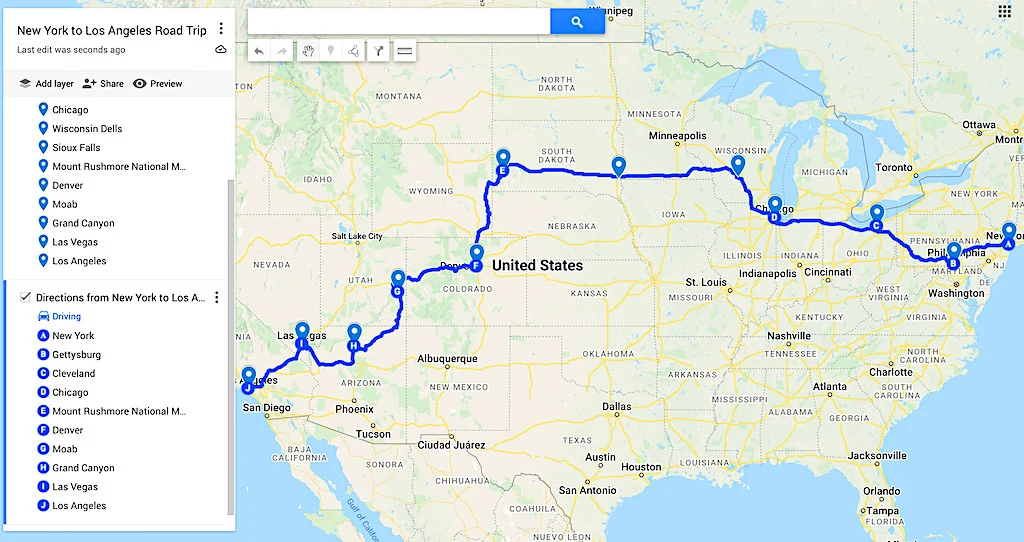
The most romanticized and perhaps most revealing way to traverse this distance is by car. The driving distance typically falls between 2,800 and 2,900 miles, a journey that, without significant stops, would take roughly 40 to 45 hours of continuous driving. However, the true essence of a road trip lies in embracing the stops, the detours, and the serendipitous discoveries.
-
Route Variations: Several primary routes connect the East and West Coasts, each offering a unique flavor of America.
- Interstate 80 (I-80): This is a common and relatively direct route, stretching across the northern tier of the country. It passes through states like Pennsylvania, Ohio, Illinois, Iowa, Nebraska, Wyoming, Utah, and Nevada before descending into California. This route offers a glimpse of the Great Plains, the Rocky Mountains, and the desert Southwest.
- Interstate 70 (I-70) & Interstate 15 (I-15): This route takes a more central path, traversing states like Missouri, Kansas, Colorado, and then connecting with I-15 through Utah, Nevada, and into Southern California. This path is renowned for its breathtaking mountain scenery in Colorado and the vast, striking landscapes of the desert.
- Interstate 40 (I-40): Following a more southerly trajectory, I-40 is often chosen for its warmer weather, especially during winter months. It cuts through states like Tennessee, Arkansas, Oklahoma, Texas, New Mexico, Arizona, and finally into California. This route offers a rich immersion into the history of Route 66 and the cultural heritage of the Southwest.
-
Time Considerations: A well-paced road trip to cover this distance comfortably and allow for exploration typically requires at least 5 to 7 days. However, to truly savor the experience, many travelers allocate two weeks or more, enabling significant stops in major cities like Chicago, Denver, Las Vegas, or national parks such as Yellowstone or the Grand Canyon.
By Air: The Swift Transcontinental Leap
For those prioritizing speed and efficiency, air travel is the undisputed champion. The flight distance between New York and Los Angeles is approximately 2,450 miles in a straight line, though flight paths can vary slightly.
- Flight Duration: A non-stop flight typically lasts between 5 to 6 hours, a remarkable testament to modern aviation’s ability to shrink vast distances. This makes a transcontinental commute or a weekend getaway entirely feasible.
- Airport Considerations: In New York, major airports serving transcontinental flights include John F. Kennedy International Airport (JFK), LaGuardia Airport (LGA), and Newark Liberty International Airport (EWR). Los Angeles is primarily served by Los Angeles International Airport (LAX), with other options like Hollywood Burbank Airport (BUR) and Long Beach Airport (LGB) also accessible.
- Beyond the Flight: While the flight itself is brief, one must account for travel to and from airports, security procedures, and potential delays. The total travel time, door-to-door, can add several hours to the journey.
By Rail: A Scenic Passage Through America
For a journey that combines comfort with a unique perspective on the American landscape, train travel offers a compelling alternative. Amtrak operates transcontinental routes that, while significantly longer than flying, provide an unparalleled opportunity to witness the country unfold.

- The Longest Ride: There isn’t a single direct train from New York to Los Angeles. The journey typically involves at least one, and often two, transfers. A common route might involve taking the Lake Shore Limited from New York to Chicago, and then boarding the Southwest Chief from Chicago to Los Angeles.
- Duration and Experience: This rail adventure is a significant time investment, usually taking around 65 to 75 hours (2.5 to 3 days) of travel time. However, the experience is far from arduous. Amtrak offers a range of accommodations, from coach seats to private sleeper cars, complete with dining facilities and observation lounges. This allows travelers to relax, dine, and watch the diverse scenery transition from urban sprawl to rolling farmlands, majestic mountains, and arid deserts, all without the stress of driving or airport security.
- Key Stops and Scenery: The route through Chicago offers a metropolitan interlude. The Southwest Chief is particularly celebrated for its dramatic passage through the American West, including parts of the Illinois, Iowa, Missouri, Kansas, Colorado, New Mexico, Arizona, and California landscapes.
Planning Your Transcontinental Voyage
The choice of transportation is intrinsically linked to the desired pace and purpose of the journey. Whether seeking adventure, efficiency, or a contemplative travel experience, understanding the distance and time commitment is paramount for effective planning.
Road Trip Logistics
Embarking on a cross-country road trip requires meticulous planning. Beyond mapping the route and estimating mileage, consider:
- Vehicle Maintenance: Ensure your vehicle is in excellent condition, with fresh tires, brakes, and fluids.
- Accommodation: Book hotels or campsites in advance, especially during peak travel seasons.
- Budget: Factor in fuel, lodging, food, and potential attractions.
- Pacing: Don’t overschedule. Allow for rest days and spontaneous stops.
Air Travel Efficiency
For air travel, the primary considerations are booking flights in advance for better pricing and understanding the overall travel time. Consider:
- Direct vs. Connecting Flights: Direct flights save time but may be more expensive.
- Baggage Allowances: Familiarize yourself with airline policies to avoid unexpected fees.
- Airport Transfers: Plan how you will get to and from the airports at both ends of your journey.
Train Travel Indulgence
Train travel demands a different kind of planning, focusing on the journey itself.
- Booking Sleeper Cars: For multi-day trips, booking a sleeper car is highly recommended for comfort and privacy.
- Dining Arrangements: Explore Amtrak’s dining car options or pack your own snacks and meals.
- Entertainment: Bring books, music, or simply enjoy the passing scenery.
The distance from New York to Los Angeles is a significant one, but it’s a distance that has been successfully bridged by millions. Each mode of transport offers a unique lens through which to view this vast and varied nation, transforming a simple question of miles into an exploration of American geography, culture, and the very essence of travel.
LifeOutOfTheBox is a participant in the Amazon Services LLC Associates Program, an affiliate advertising program designed to provide a means for sites to earn advertising fees by advertising and linking to Amazon.com. Amazon, the Amazon logo, AmazonSupply, and the AmazonSupply logo are trademarks of Amazon.com, Inc. or its affiliates. As an Amazon Associate we earn affiliate commissions from qualifying purchases.