
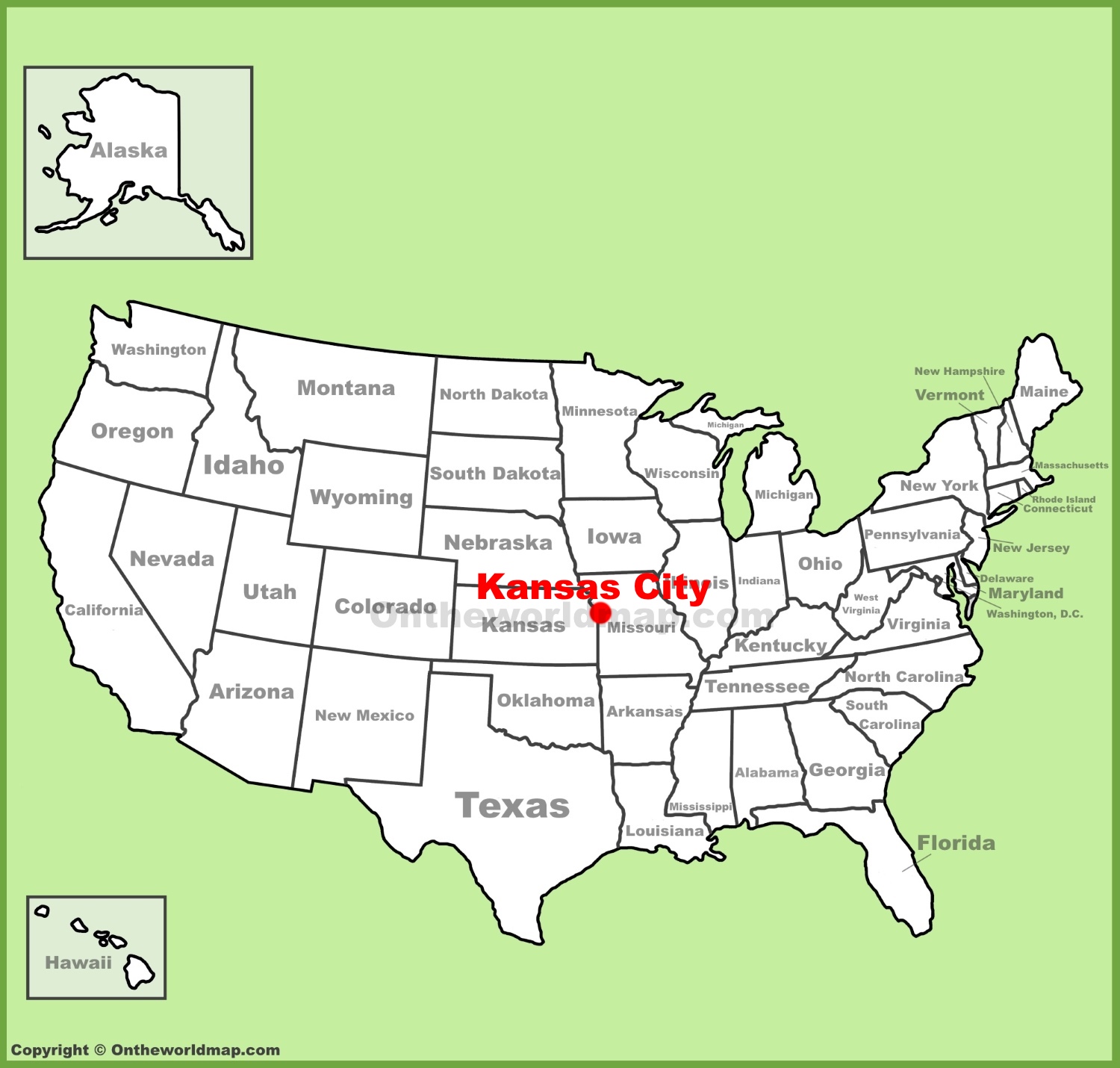
The heartbeat of the American Midwest, Kansas City is a destination defined by its jazz history, legendary barbecue, and sprawling boulevard landscapes. Whether you are planning a cross-country road trip or a quick regional getaway, understanding the logistics of getting to this vibrant hub is the first step toward a memorable excursion. Because the city sits near the geographic center of the United States, it serves as a natural crossroads for travelers, making it highly accessible from nearly every corner of the country.
Calculating Your Journey: From Major Hubs to the Heart of America
Determining how far it is to Kansas City depends entirely on your starting point. Because of its central location, it is a primary destination for those driving through the plains or flying into Kansas City International Airport.
Driving Distances and Road Trip Realities
For those traveling by car, Kansas City is perfectly situated at the intersection of major interstates, including I-70 and I-35. If you are coming from Chicago, you are looking at a drive of approximately 500 miles, which generally takes about seven and a half to eight hours. This route takes you through the rolling landscapes of Illinois and Missouri, offering a classic Midwestern driving experience.
If your departure point is further west, say Denver, expect a longer haul of about 600 miles. This stretch of I-70 across Colorado and Kansas provides a fascinating transition from the Rocky Mountains to the iconic Great Plains. From the south, such as Dallas, the drive spans roughly 500 miles, typically via I-35, connecting the diverse cultures of Texas and the Midwest.
Flight Times and Air Travel Efficiency
For long-distance travelers, flying is the most efficient way to reach the city. Most major carriers offer direct flights into Kansas City International Airport. From New York City, a flight typically takes around three hours, whereas travelers coming from Los Angeles can expect a flight time of approximately three and a half to four hours. The airport’s recent modernization has significantly improved the arrival experience, ensuring that your transition from terminal to city center is seamless.
Navigating the Region: Strategic Travel Planning
When you consider the distance to Kansas City, it is helpful to think of the city as a “hub and spoke” model. It is close enough to neighboring major cities to allow for easy weekend trips, yet isolated enough to have developed a completely unique cultural identity.

Proximity to Surrounding Metropolitan Areas
The city is surprisingly close to other significant regional landmarks. If you are exploring the Midwest, you might consider combining your trip to Kansas City with visits to nearby locations. St. Louis, home to the famous Gateway Arch, is approximately 250 miles to the east. This short drive makes it easy to experience two of Missouri’s most iconic cities in a single week-long vacation.
Similarly, Omaha sits about 180 miles to the north. Travelers often find that moving between these cities provides a comprehensive look at the historical and agricultural evolution of the Great Plains.
Factors Influencing Travel Time
While the mileage remains constant, your travel time can fluctuate based on several factors:
- Seasonal Weather: During winter months, driving conditions across Kansas and Missouri can be unpredictable. Always check local forecasts if you are driving during the snowy season.
- Traffic Patterns: Peak commute times in the metropolitan area can add congestion to the inner-loop highways. Planning your arrival for mid-morning or mid-afternoon can save significant time.
- Infrastructure Improvements: Ongoing road projects on I-70 or I-35 can occasionally cause temporary delays, so utilizing real-time traffic apps is a professional travel tip.
Preparing for Your Arrival: The Journey Is Part of the Experience
The distance to Kansas City is not just a measurement on a map; it is an invitation to explore the heart of the nation. As you approach the city, you will notice the skyline rising above the horizon—a mix of historic art deco architecture and modern glass towers.
The Significance of the Gateway
Known as the “Gateway to the West,” the city holds a unique position in American history. As you close the distance to the city limits, you are traveling along routes once traversed by pioneers on the Oregon Trail. Today, the journey is far more comfortable, but the sense of discovery remains. Whether you are driving past the expansive fields of the plains or touching down at Kansas City International Airport, the anticipation builds as you realize how central this city is to the American story.

Essential Tips for Long-Distance Travelers
If you are driving from more than 800 miles away, consider breaking the trip into manageable segments. Staying overnight in smaller, charming towns along the way allows you to sample local hospitality before reaching the final destination. Once you arrive, you will find that the city is relatively easy to navigate, with a well-planned grid system and a downtown area that is highly walkable.
When packing for your trip, remember that the weather in the Midwest can be quite diverse. Summers are warm and vibrant, perfect for visiting the Country Club Plaza, while springs and autumns offer mild, pleasant temperatures ideal for walking through the Nelson-Atkins Museum of Art. By understanding the distances involved and planning your route accordingly, you ensure that your trip to Kansas City begins on a stress-free note, allowing you more time to enjoy the legendary culinary scene and the soulful jazz clubs that have made the city famous worldwide.
Ultimately, the “how far” question is secondary to the quality of the journey. Regardless of whether your trip is an epic cross-country drive or a swift flight, the destination promises a rich tapestry of experiences that reward every mile traveled.
LifeOutOfTheBox is a participant in the Amazon Services LLC Associates Program, an affiliate advertising program designed to provide a means for sites to earn advertising fees by advertising and linking to Amazon.com. Amazon, the Amazon logo, AmazonSupply, and the AmazonSupply logo are trademarks of Amazon.com, Inc. or its affiliates. As an Amazon Associate we earn affiliate commissions from qualifying purchases.